Skip to content

HVS-4226.GENERATION OF ELECTRICITY BY WASTE MATERIALS FOR AC LOAD

6,000.00

Waste-to-energy (WTE) plants are among the most efficient ways to convert garbage to electricity. WTE plants reduce the waste volume drastically in most eco-friendly manner, at the same time reducing the necessity of landfills. Garbage is very efficiently utilized, and much needed electricity is generated, bridging the gap for electricity requirement.
Categories Tags
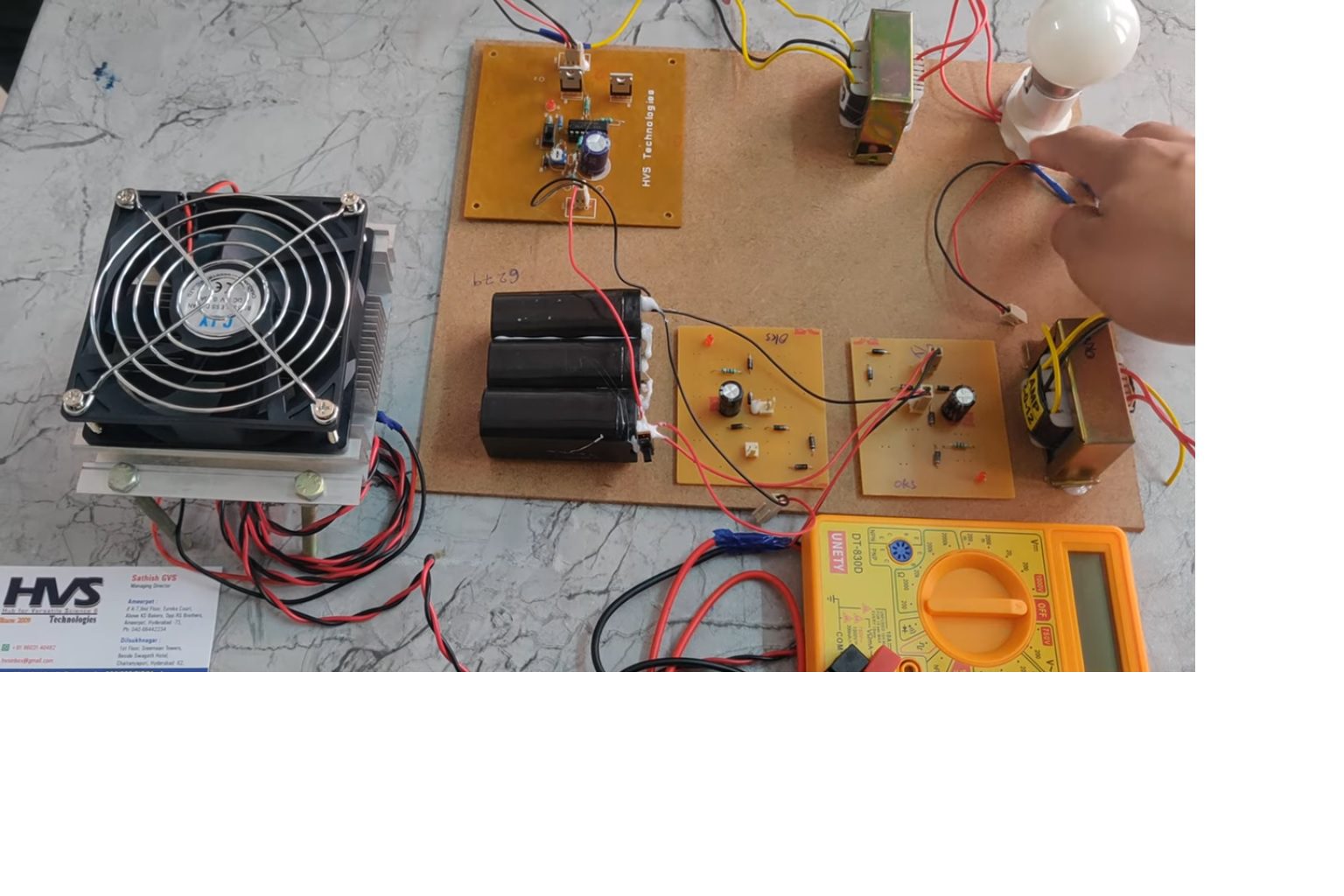
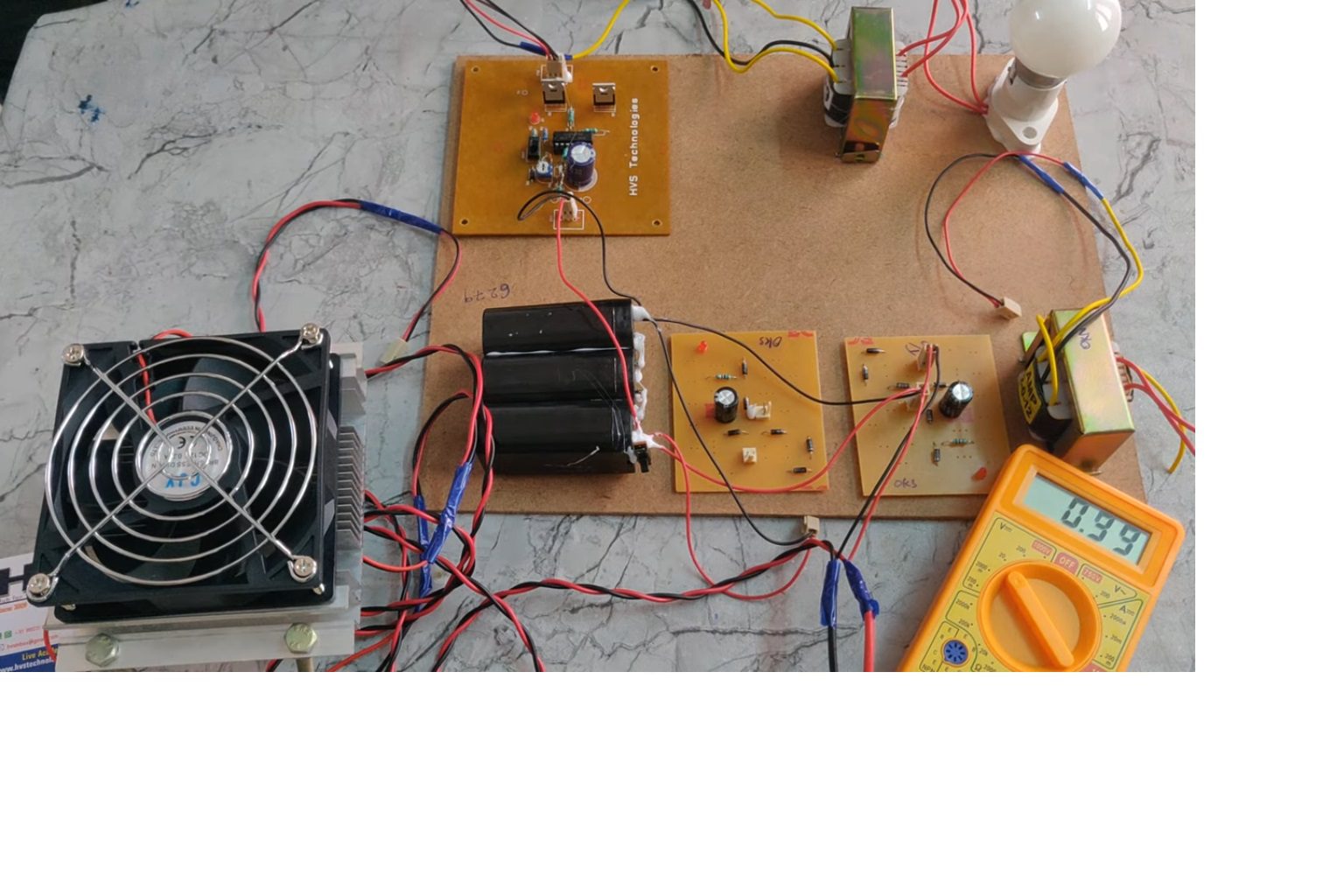
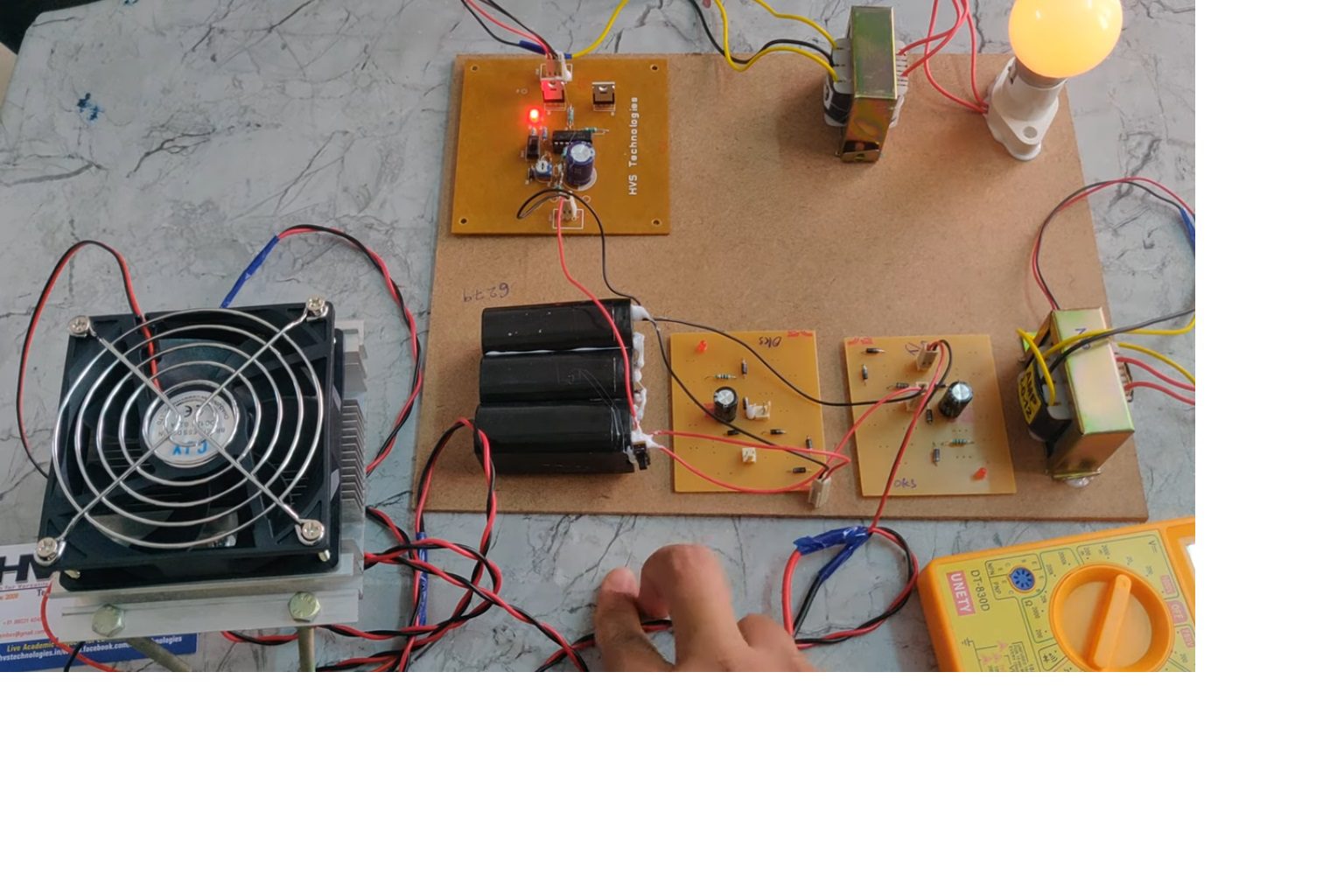
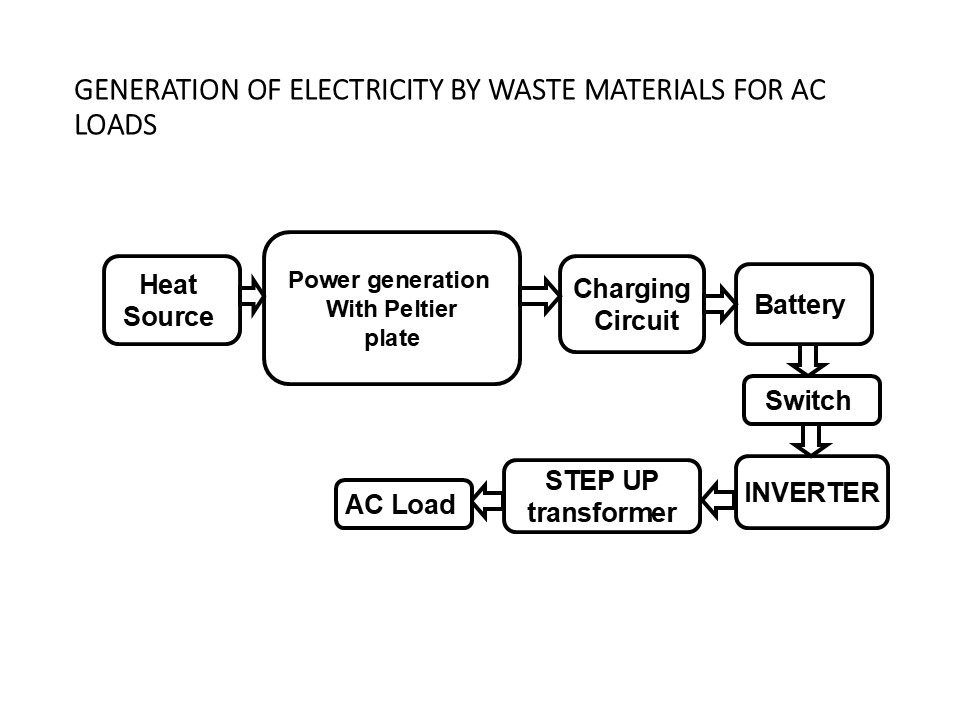
Waste-to-energy (WTE) plants are among the most efficient ways to convert garbage to electricity. WTE plants reduce the waste volume drastically in most eco-friendly manner, at the same time reducing the necessity of landfills. Garbage is very efficiently utilized, and much needed electricity is generated, bridging the gap for electricity requirement. It is time all cities pay attention to this source for power as an economical way to tackle the city. In this project we are generating electrical power as non-conventional method by heat thermal energy. Non-conventional energy systems very essential at this time to our nation. Non-conventional energy using is converting thermal energy into the electrical energy. Here in this project a thermal peltier plate arrangement is made. In this project the conversion of the Heat energy in to electrical energy and the generated energy is stored into a battery. By using inverter will converts from DC to AC which uses to turn ON AC devices. In this project we are using thermoelectric plate which produces the electricity from heat. As soon as heat reaches the Peltier modules, the temperature difference is imposed across them and the heat passing through the device is converted to electrical power. As heat travels through Peltier module, more power is altered from the heat with an increase in temperature difference and power output also increases. Thermoelectricity is the direct and thermodynamically reversible conversion of heat to electricity and vice versa. This peltier electricity is obtained stored into the battery through charging circuit. This battery power is used to switch ON the AC devices with the help of inverter.    

Features:
  1. Generation of power using trash.
  2. Converting heat to electricity.
  3. Converting temperature into electricity using thermoelectric plate.
  4. Generated electricity is stored into the battery.
  5. Conversion of DC to AC using inverter.
 

The major building blocks of this project are:
  1. Heat source.
  2. Peltier plate.
  3. Charging circuit.
  4. Rechargeable Battery.
  5. Inverter
  6. LEDs
 

Block Diagram:

video: