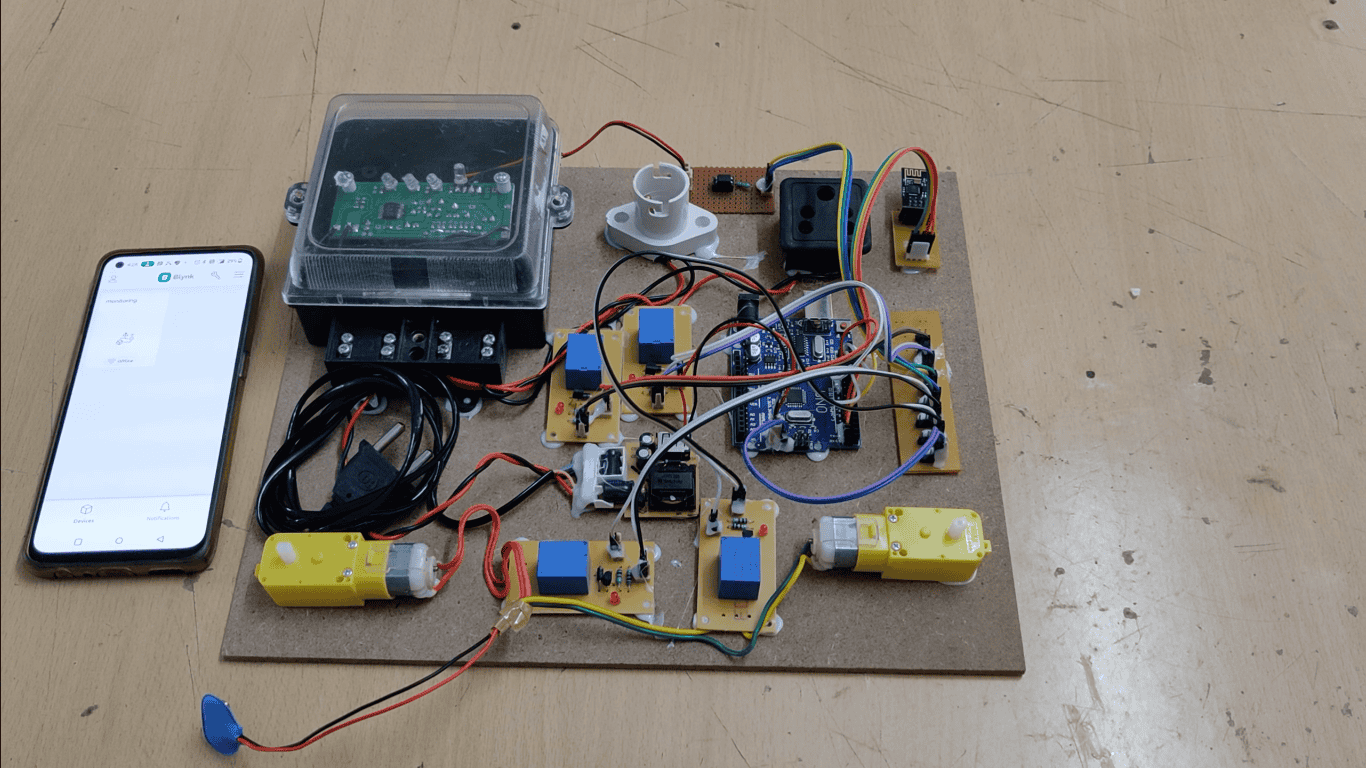
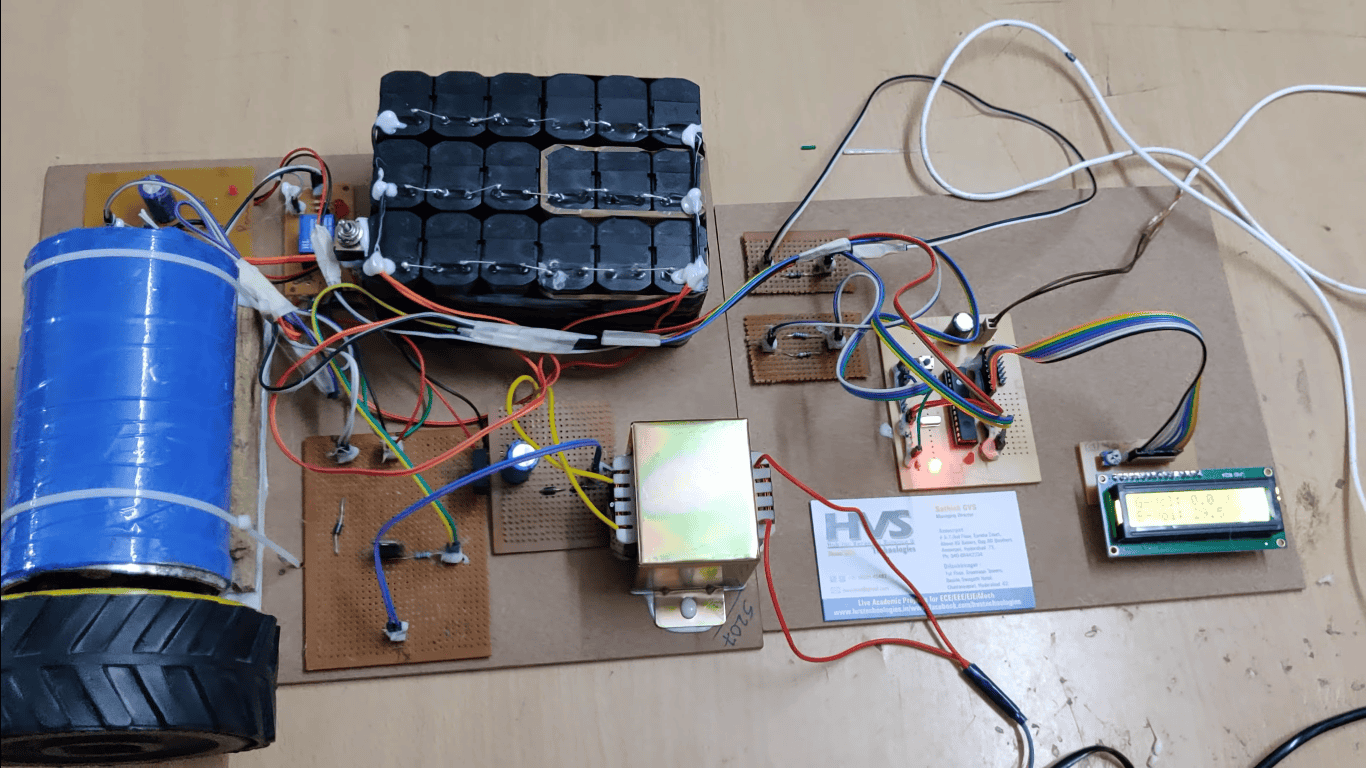
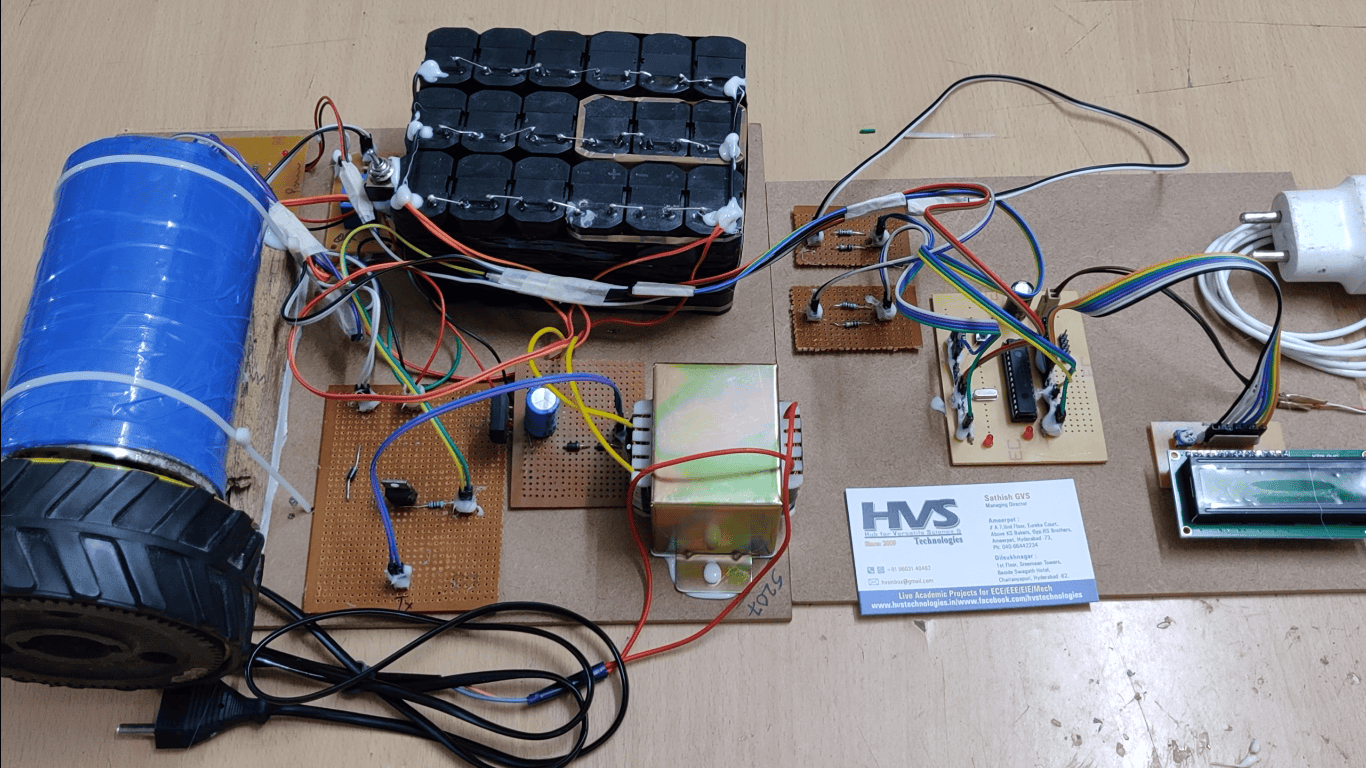
Battery is the most important component for any device as it powers the whole system. And it is important to monitor the voltage level of the battery as improper charging and discharging of a lithium battery may lead to a big safety issue. There is a separate system in electric vehicles, called Battery Management System (BMS) which monitors all the properties of the battery pack like voltage, current, temperature, etc. and ensures the safety and handling of Lithium batteries.
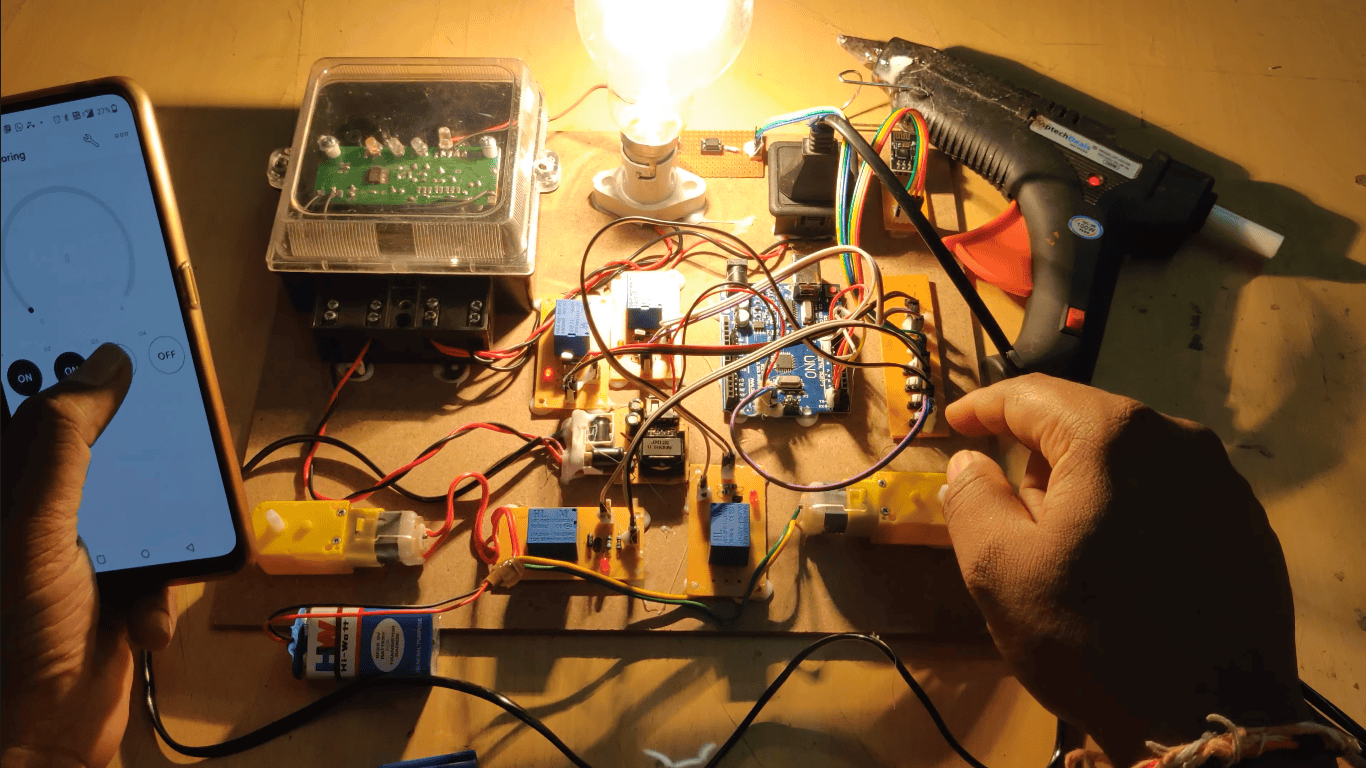
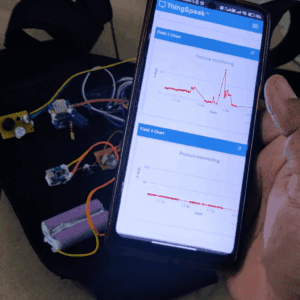
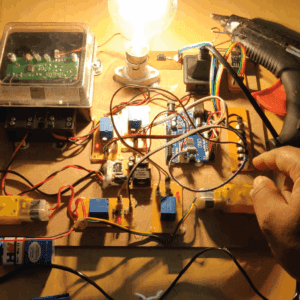
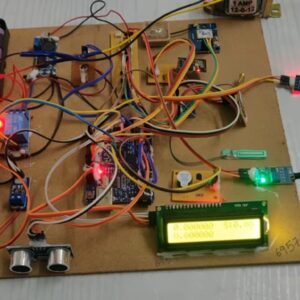
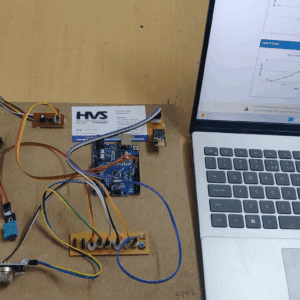
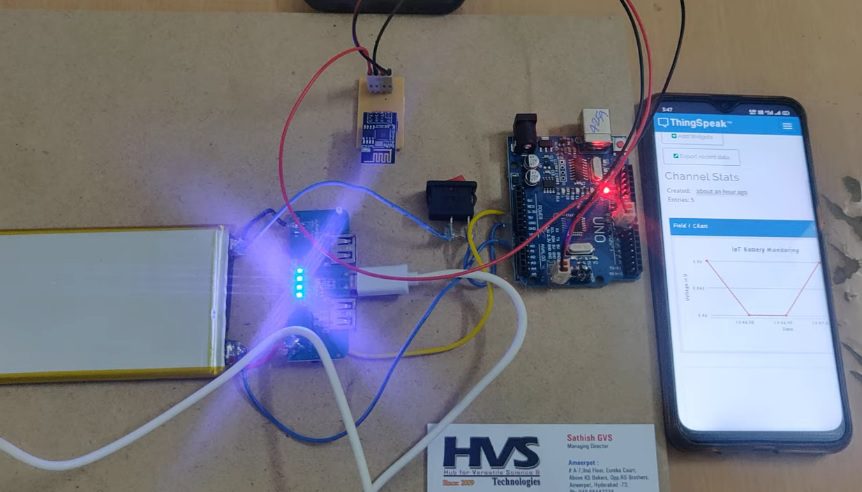
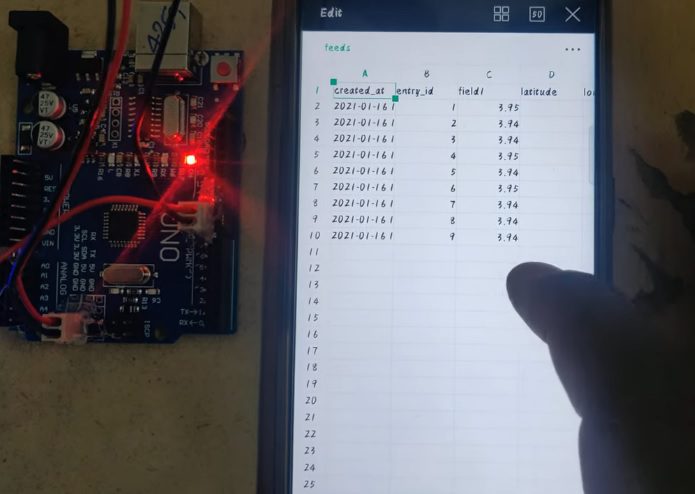
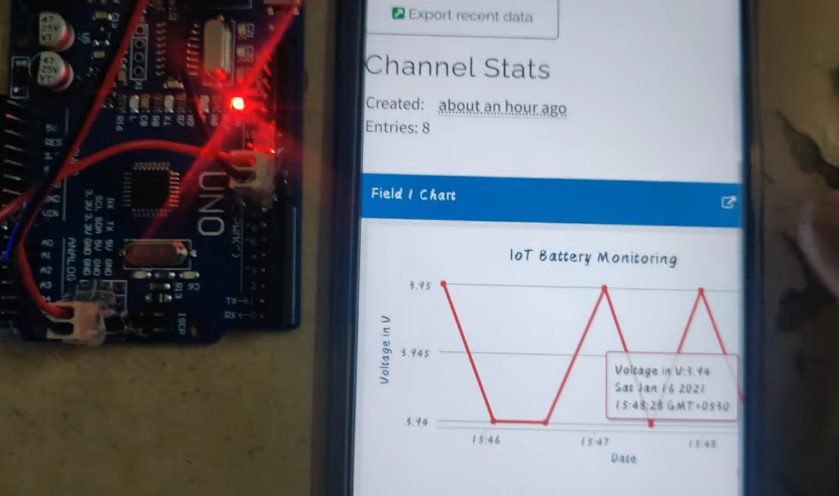
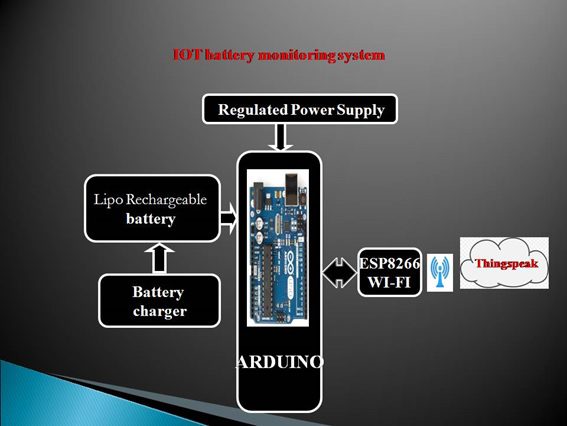
The main objective of this project is to design an IOT based battery monitoring system. The controlling device of the whole project is Arduino UNO. Arduino continuously monitor the BATTERY voltage in thingspeak webpage along with date and time through WI-FI. To perform the task, Microcontroller is loaded with an intelligent program written in embedded ‘C’ language.
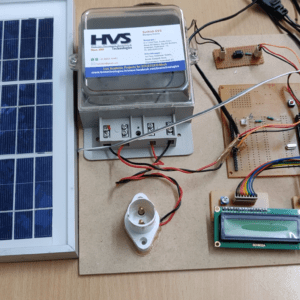
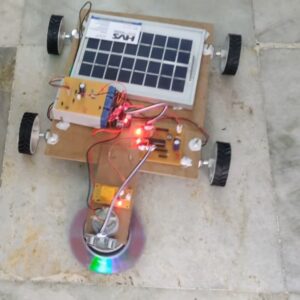
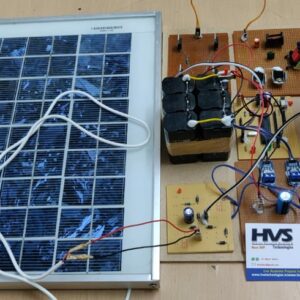
ThingSpeak is an open-source Internet of Things (IoT) application and API to store and retrieve data from things using the HTTP protocol over the Internet or via a Local Area Network. This IoT device could measure the SOLAR parameters. It continuously monitors the data and updates them to an IoT platform. We can increase the monitoring techniques by making use of advanced technology. In this project we are making use of technology to sense solar energy efficiency so that efficient services can be provided to the solar systems.
The main objectives of the project are:
Monitoring of battery voltage on Thingspeak cloud.
Using of Arduino microcontroller to archive this task.
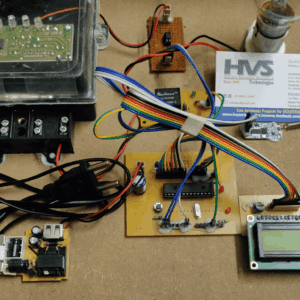
The main blocks of this project are:
Regulated Power Supply.
Arduino uno.
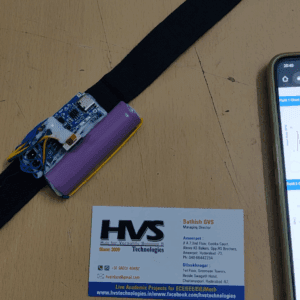
7V 300mAH (Lithium Polymer) Lipo Rechargeable Battery and battery charger
ESP8266 WI-FI.
Software’s used:
Embedded C programming.
Arduino IDE programmer for dumping code into Micro controller.
 1 × ₹12,500.00
 1 × ₹14,500.00
 video: