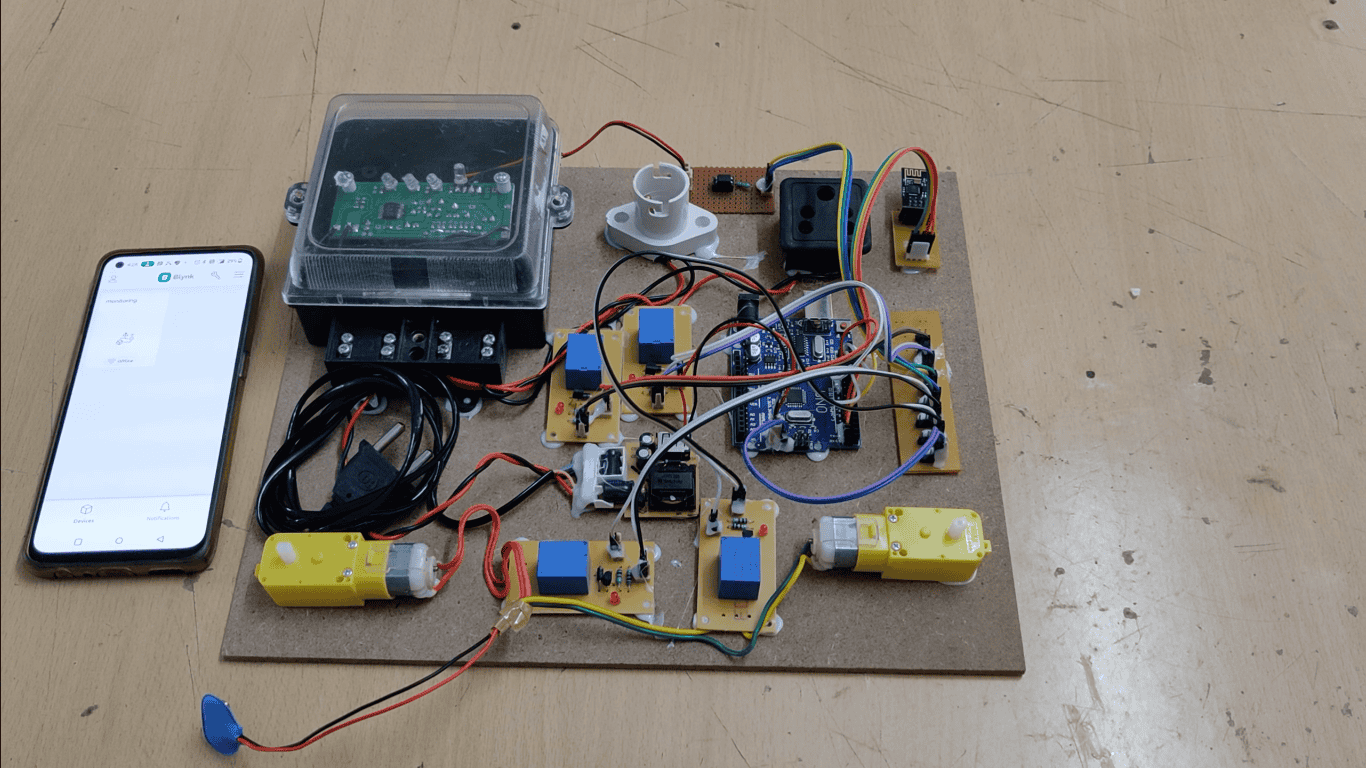
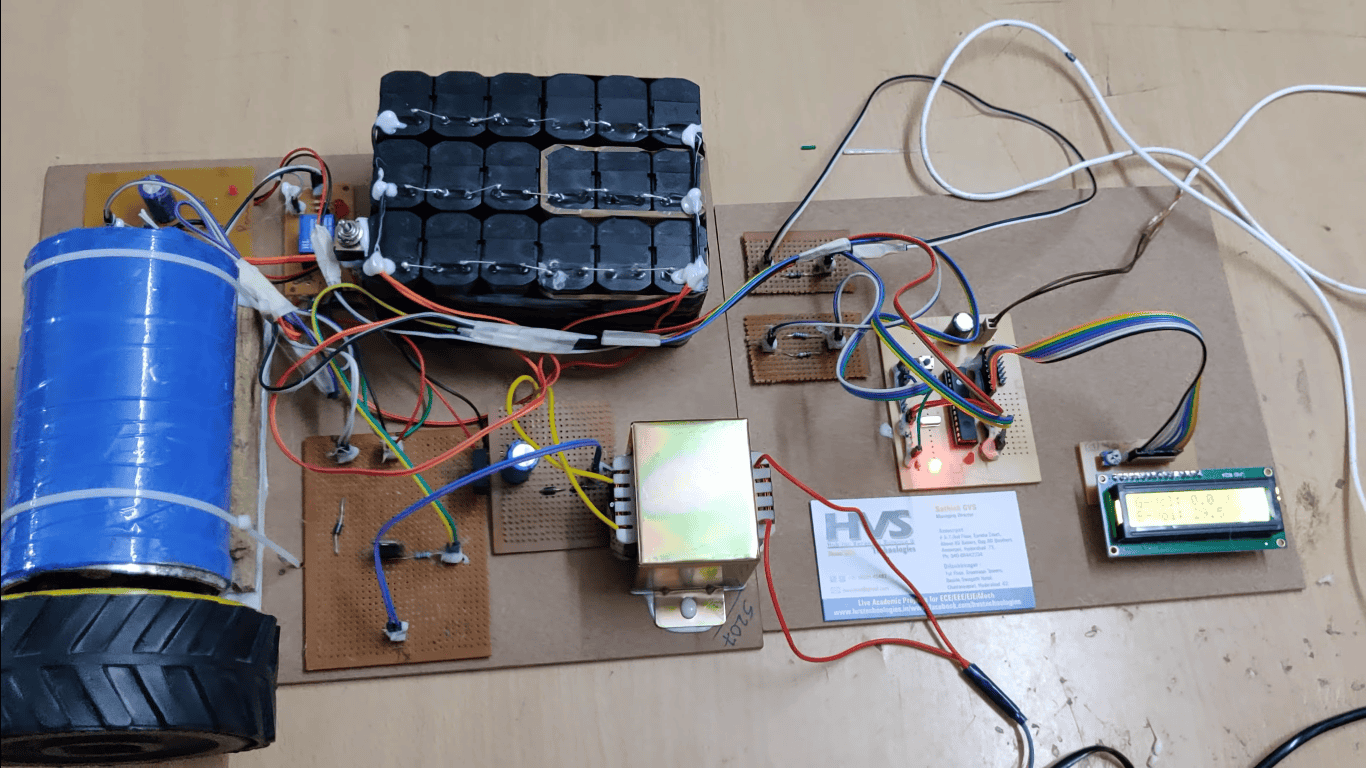
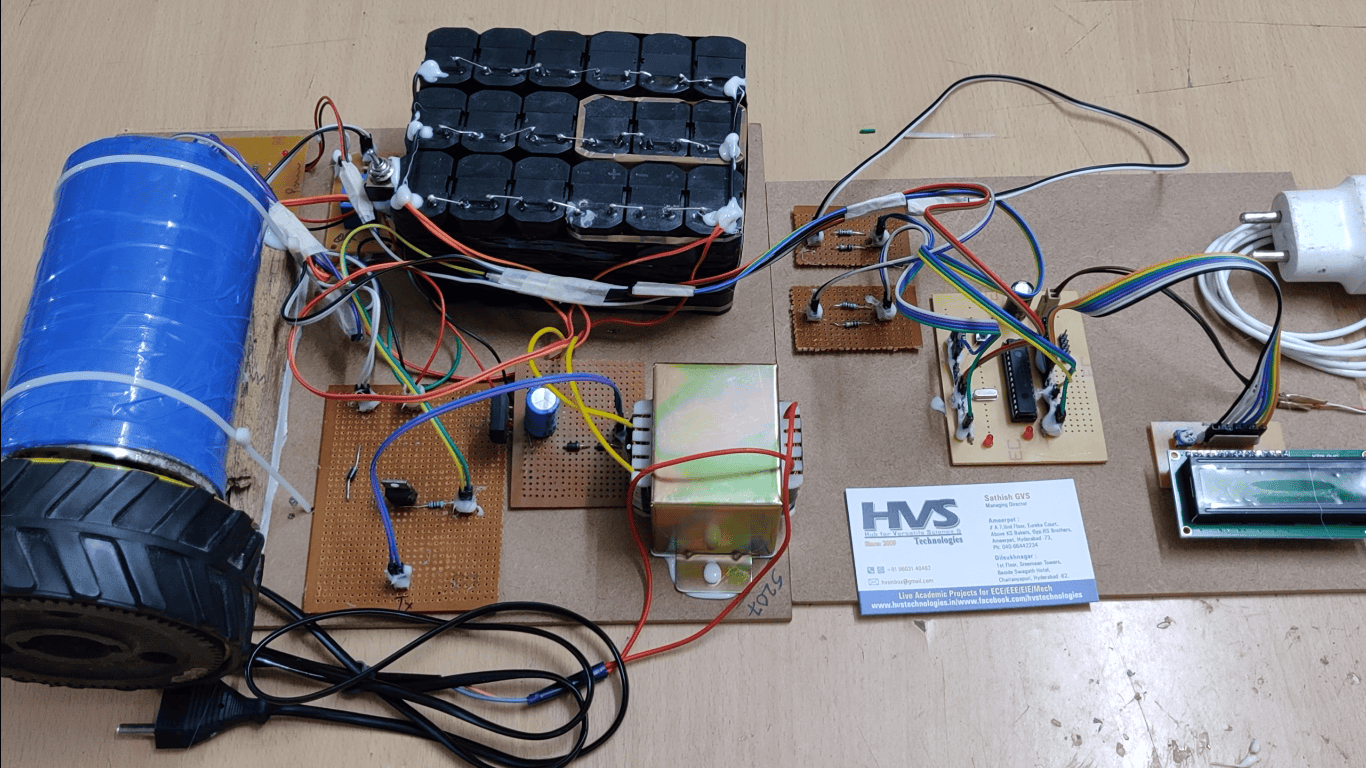
HVS-4802. Black Start and Restoration of Microgrid using Power Synchronization Control & Smart Circuit Breaker.
₹14,500.00
The proposed Microgrid Black Start and Restoration System is designed to provide continuous power supply to loads when the main grid source is unavailable.
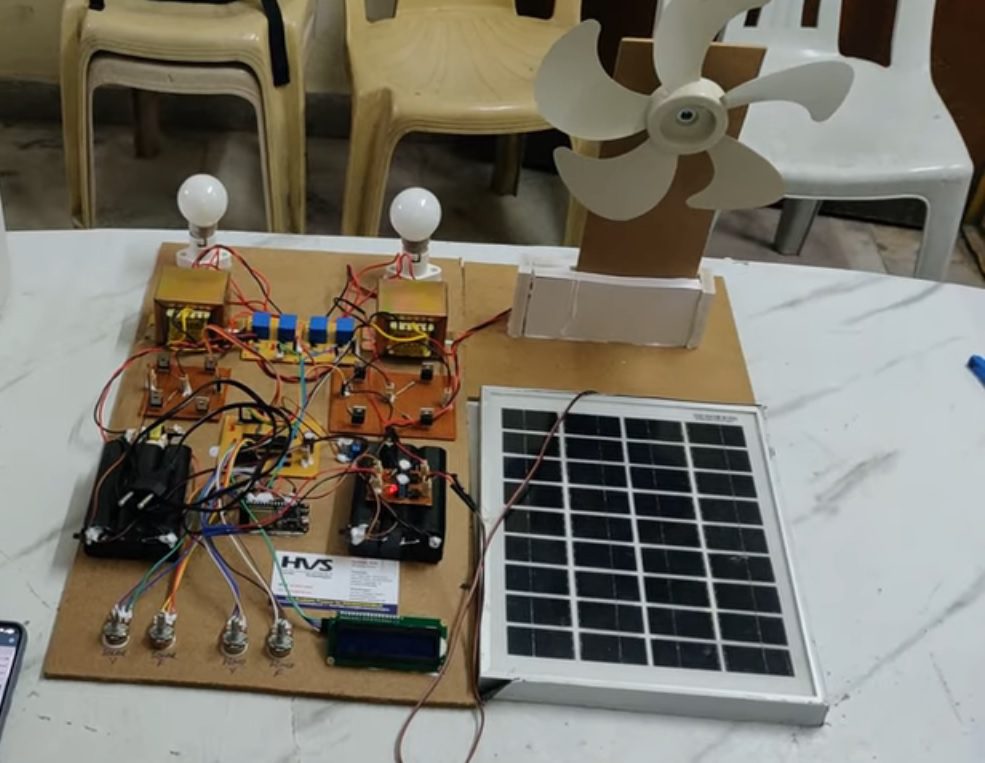
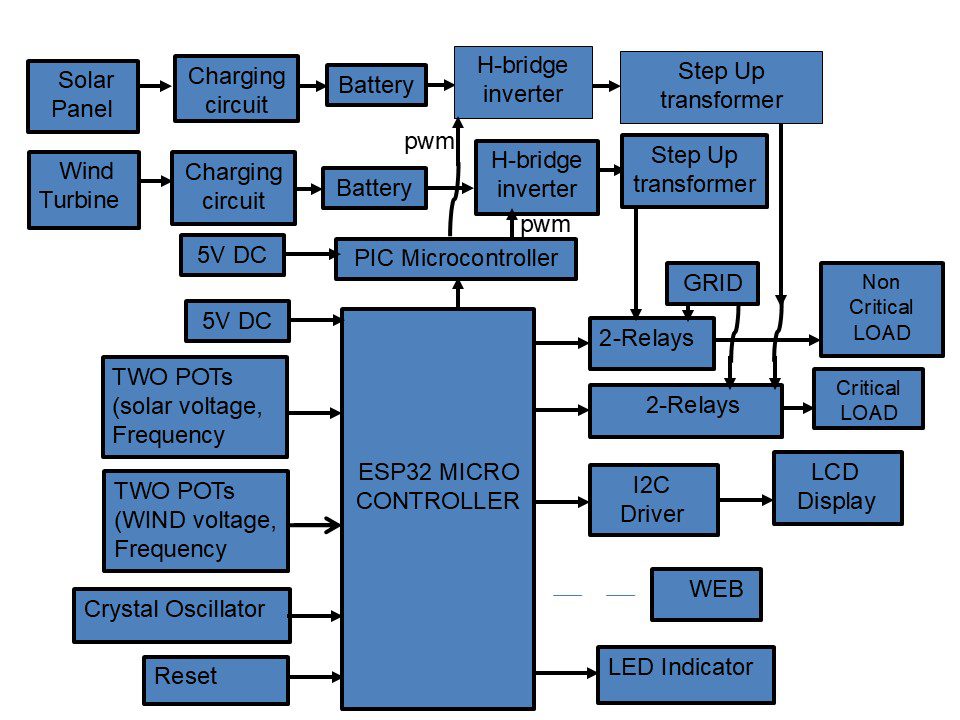
The proposed Microgrid Black Start and Restoration System is designed to provide continuous power supply to loads when the main grid source is unavailable. In such conditions, the system independently generates and supplies the required voltage and current using renewable energy sources through controlled H-bridge inverter operation.
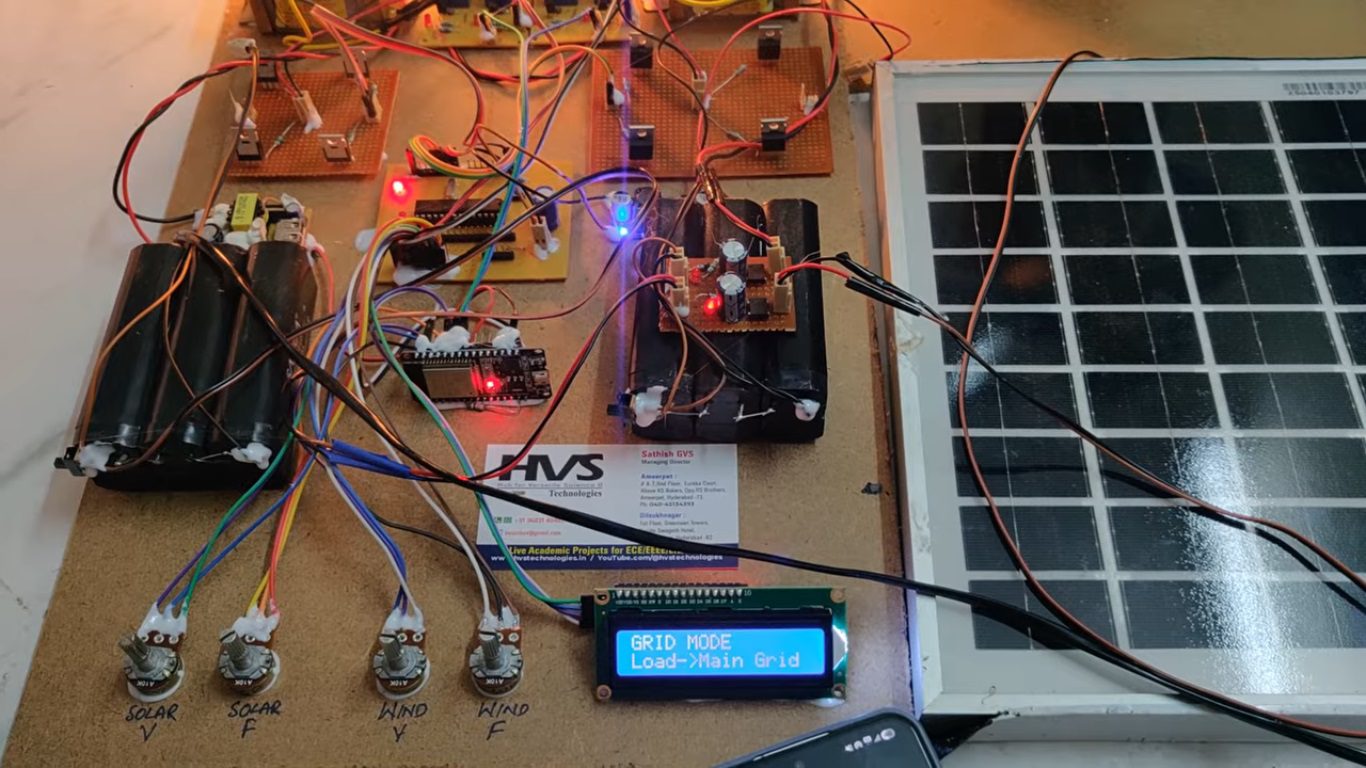
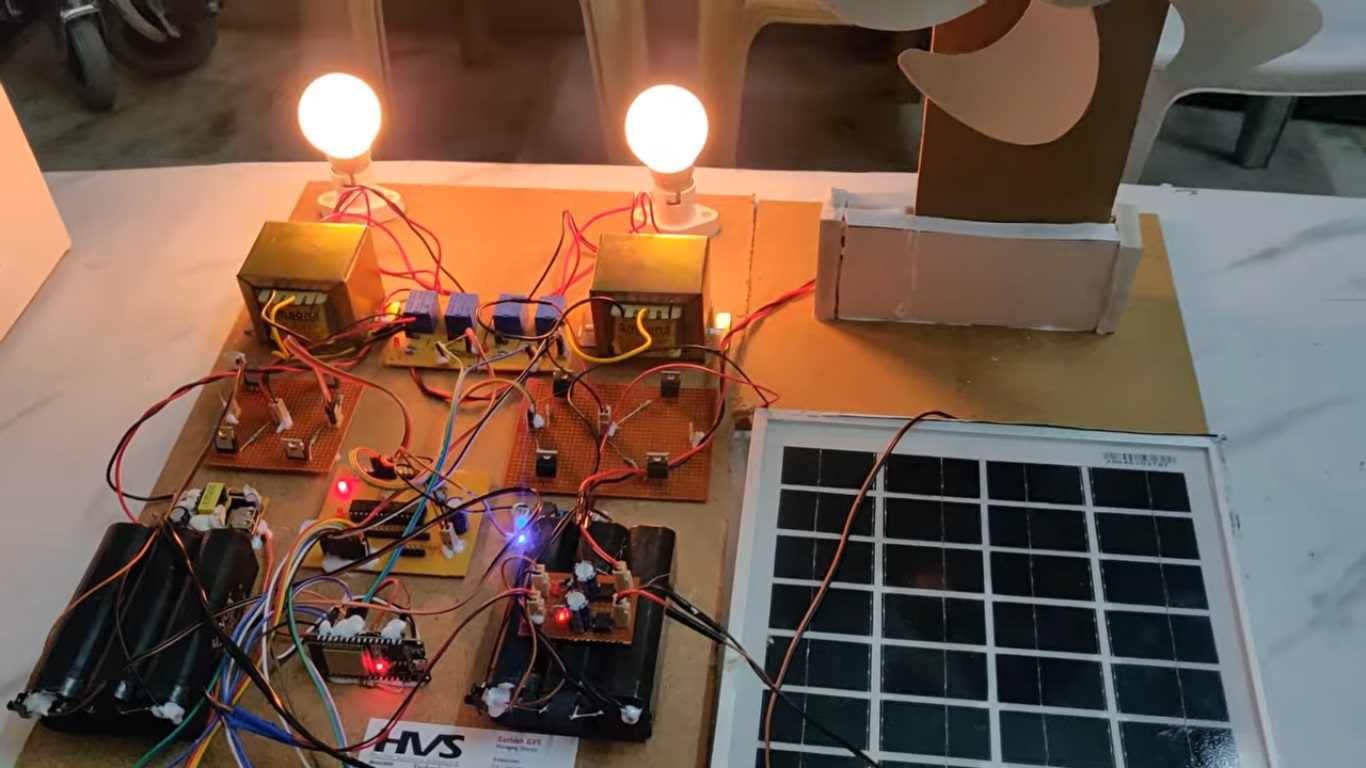
solar and wind energy are used as primary sources. The solar power flows through a charging circuit to charge the battery, and the stored energy is then converted from DC to AC using an H-bridge inverter. The inverter output is stepped up using a transformer and supplied to the critical load through relay-based switching. Similarly, wind energy is processed through its charging circuit and battery, converted using another H-bridge inverter, stepped up through a transformer, and supplied to the non-critical load through relays.
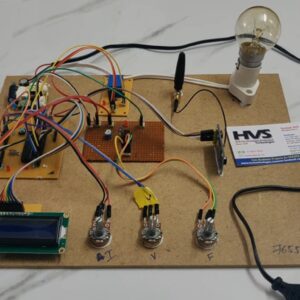
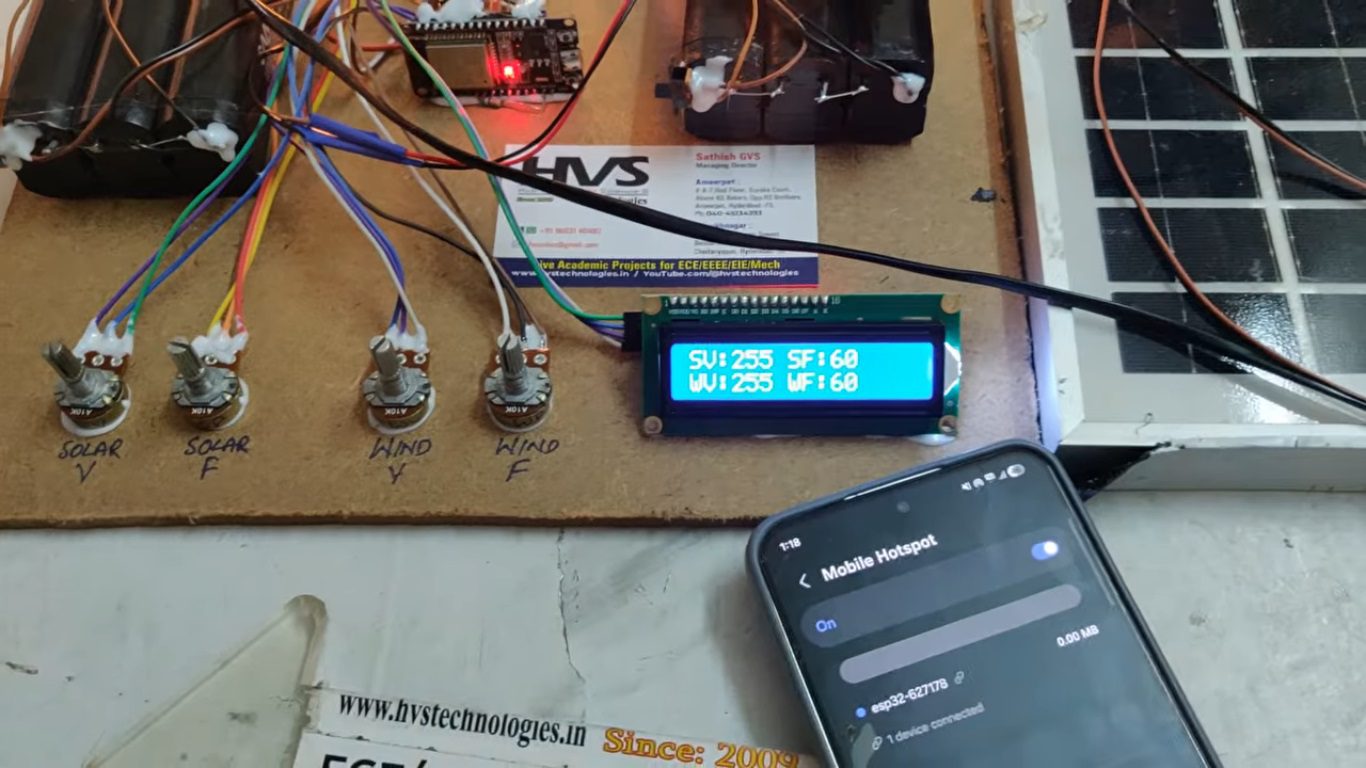
Four potentiometers are used to vary and control the voltage and frequency of both solar and wind sources, enabling flexible power regulation. The PIC microcontroller performs grid-forming inverter control by generating appropriate PWM signals to the H-bridge circuits, thereby providing the required frequency and voltage for load supply. In case of a fault occurring in the grid-forming inverter, the system performs automatic fault rectification to ensure uninterrupted operation.
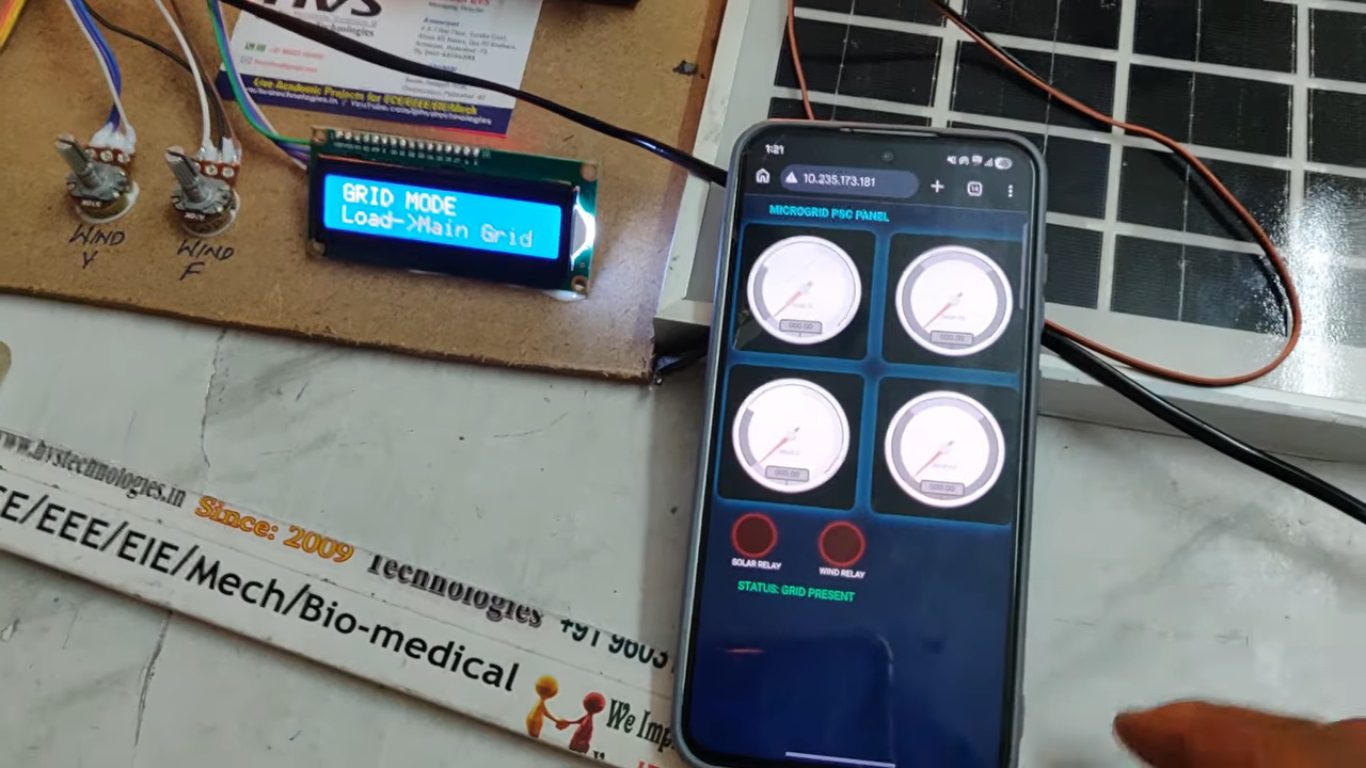
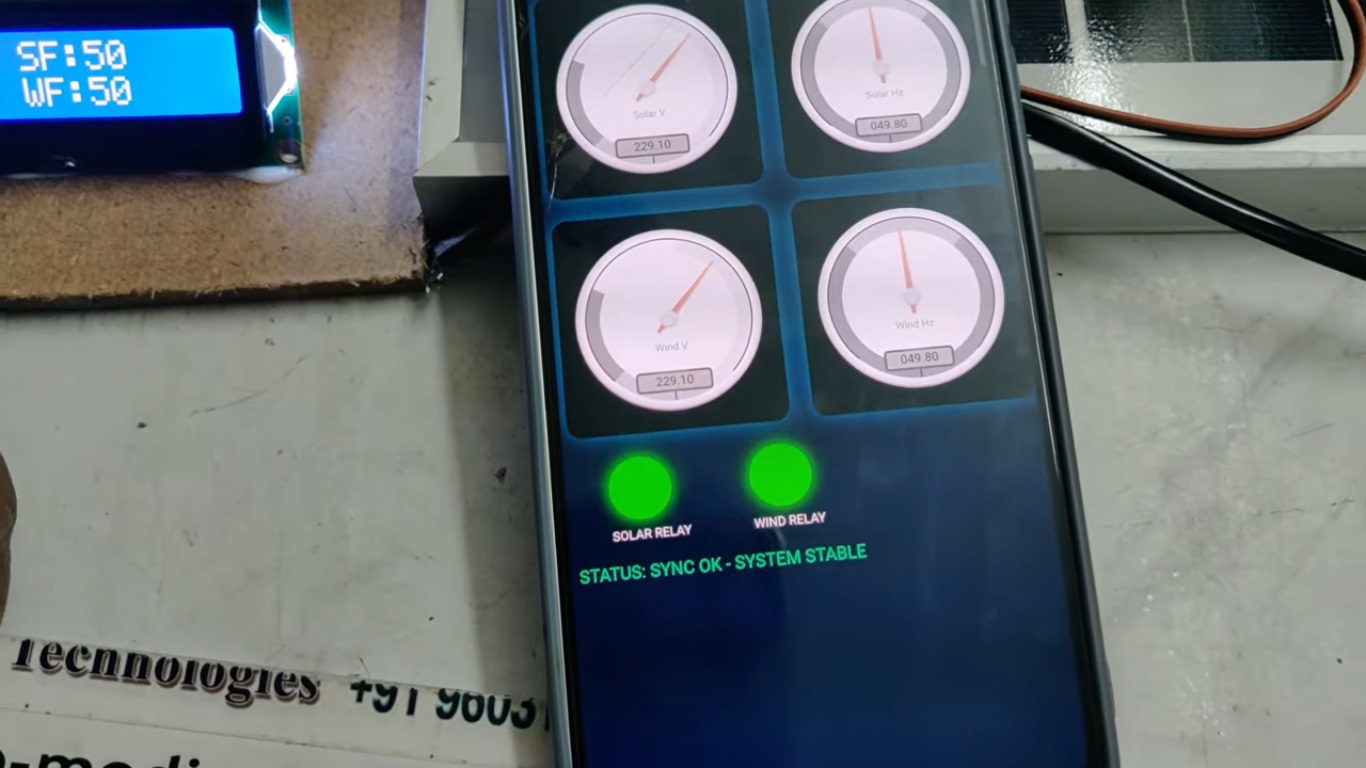
The ESP32 microcontroller is used for monitoring and IoT communication. It uploads key system parameters such as solar voltage, wind voltage, frequency levels, and relay ON/OFF status to a web interface. An LCD display provides local monitoring, while LED indicators show system status.
Thus, the system enables black start capability and autonomous microgrid restoration, ensuring reliable power supply to both critical and non-critical loads even in the absence of the main grid.
Objectives:
To develop a microgrid system capable of supplying power to loads when the main grid is unavailable.
To implement a black start capability using renewable energy sources such as solar and wind.
To store generated renewable energy using battery-based energy storage systems.
To convert stored DC power into usable AC power using H-bridge inverters.
To regulate output voltage and frequency using PWM control through a PIC microcontroller.
To vary solar and wind voltage and frequency using potentiometers for synchronization and control.
To supply power to critical and non-critical loads through smart relay-based switching.
To ensure uninterrupted power supply by performing automatic fault detection and rectification in the grid-forming inverter.
To monitor system parameters such as voltage, frequency, and relay status using ESP32.
To enable real-time IoT-based data uploading for remote monitoring through a web interface.
To provide local system status display using LCD and LED indicators.
To improve reliability and ensure prioritized load management during power outages.
The major building blocks of this project are:
Solar
Wind.
Grid.
Charging circuits.
Rechargeable Batteries.
Esp32
PIC Microcontroller
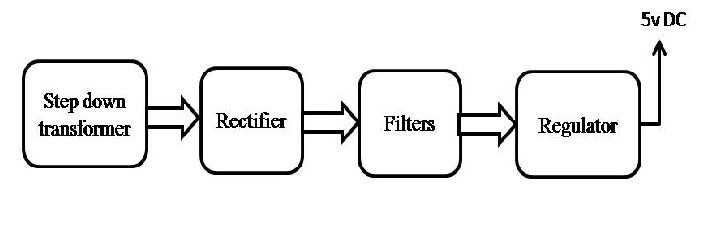
Regulated power supply.
ESP32 microcontroller.
I2C through LCD display.
Four POTs.
Four Relays.
Two Bulbs.
Two H-bridge circuits.
Software’s used:
Embedded C programming.
Arduino IDE for dumping code into Micro controller.
 1 × ₹21,000.00
 Block Diagram:
 video: