Subtotal ₹94,250.00


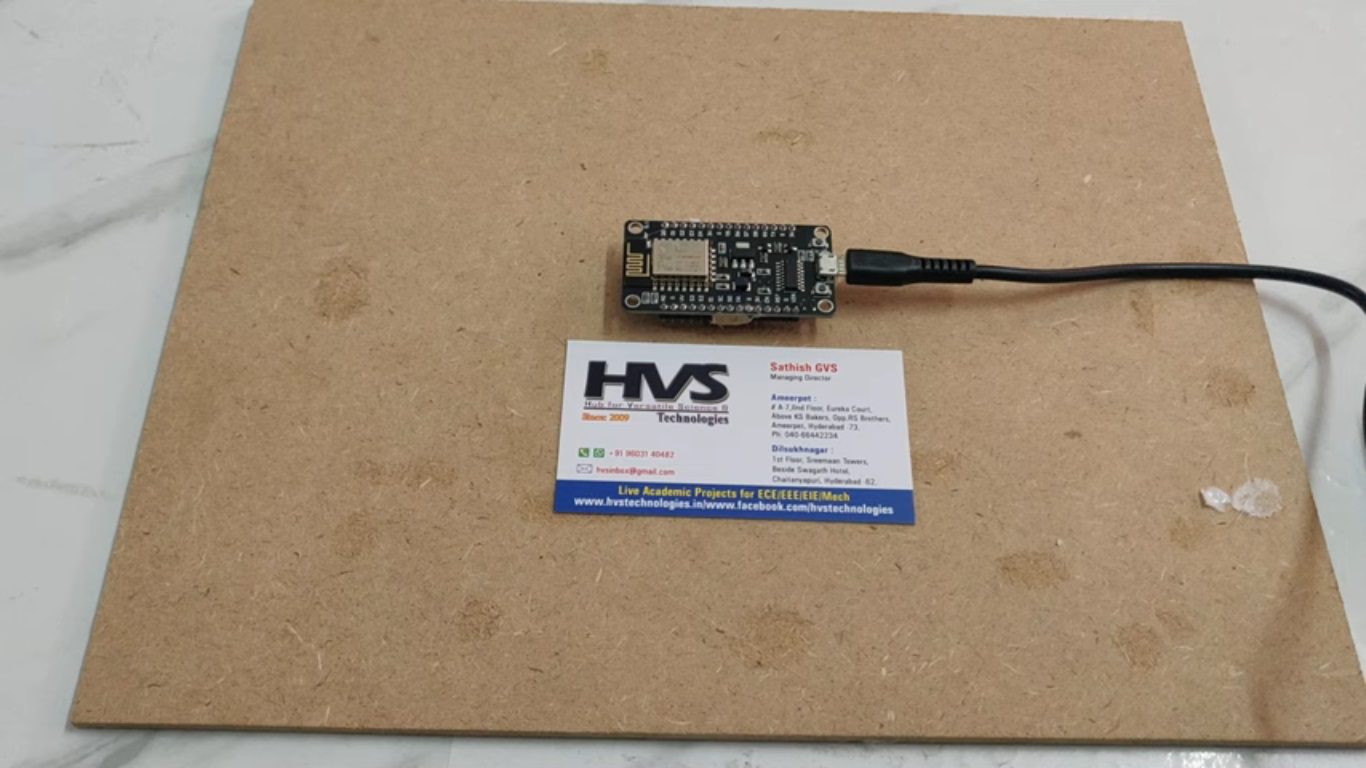
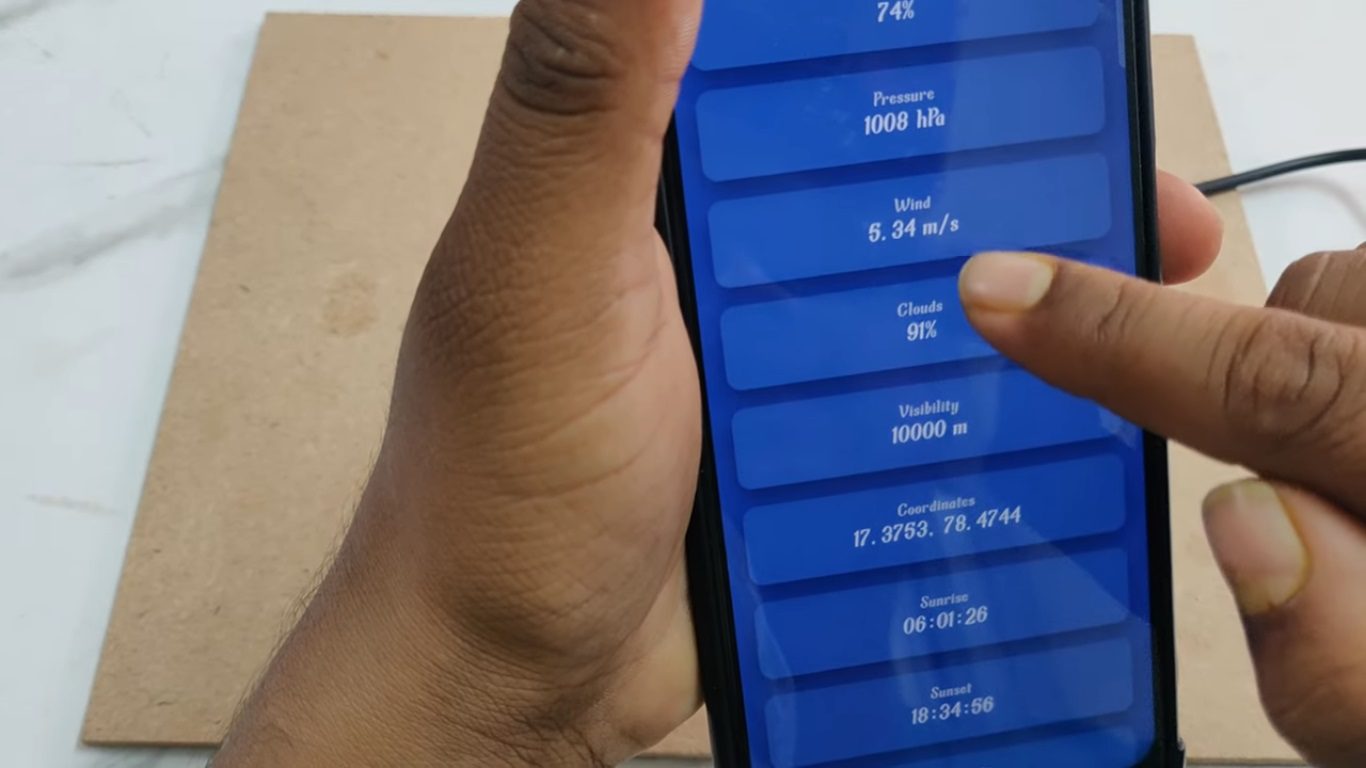
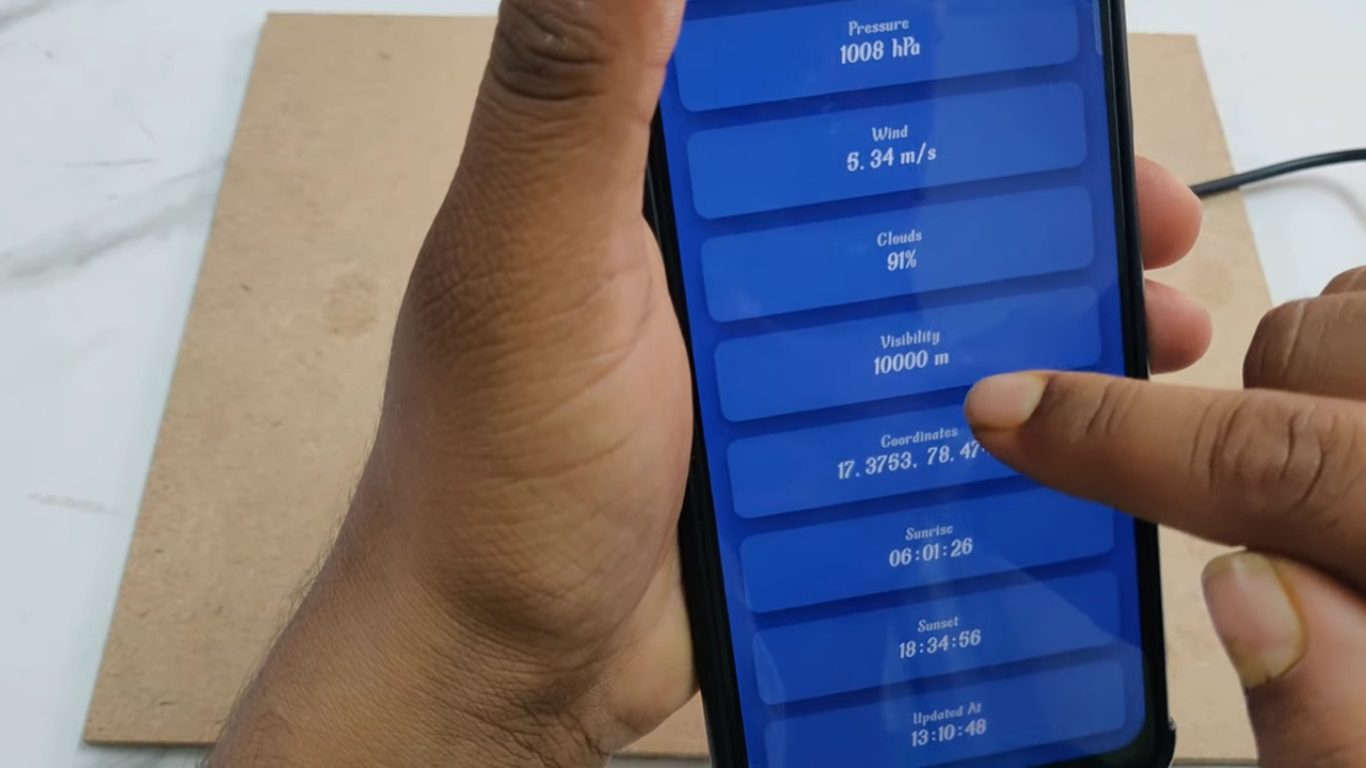
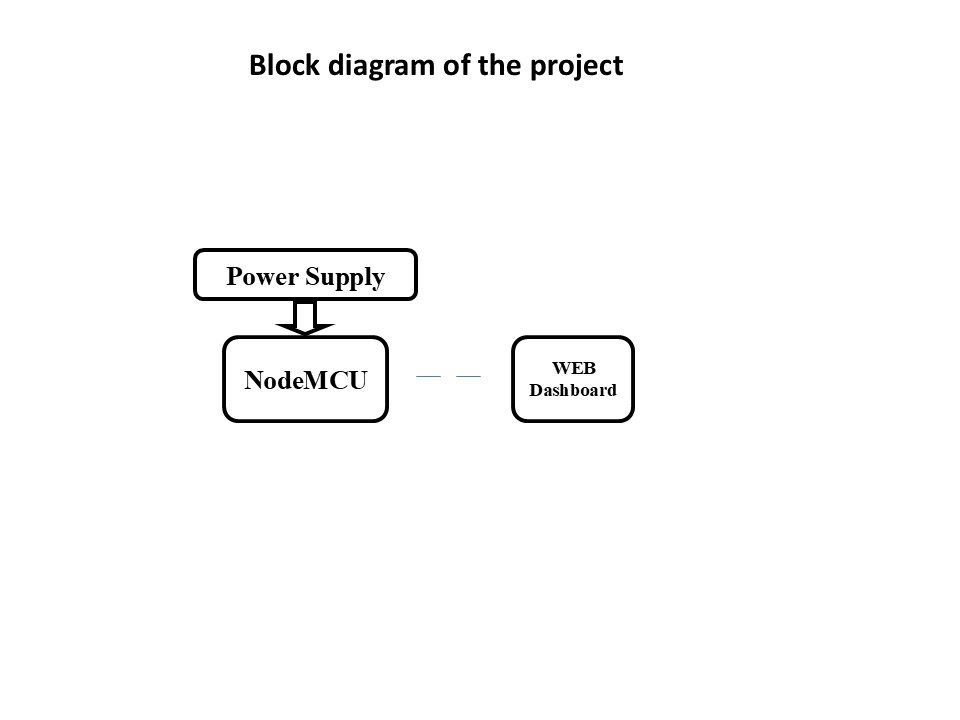
This project presents the design and implementation of a NodeMCU-based Live Weather Dashboard for real-time environmental monitoring and weather information display. The system uses the NodeMCU ESP8266 Wi-Fi module to connect to the internet and retrieve live weather data from an online weather server or API. The collected data is processed and displayed on a web dashboard that can be accessed through a mobile phone, tablet, or computer browser.
The dashboard provides detailed weather parameters such as temperature, humidity, atmospheric pressure, wind speed, cloud conditions, visibility, overcast status, sunrise time, sunset time, current date, time, and location details. The NodeMCU continuously updates the weather information through Wi-Fi connectivity, ensuring accurate and real-time monitoring.
The system is compact, low-cost, and energy efficient, making it suitable for smart home applications, environmental monitoring, educational projects, and IoT-based weather stations. The project demonstrates the practical implementation of Internet of Things (IoT) technology for live weather analysis and remote monitoring applications.
Objectives
 video:
- To design and develop a live weather monitoring dashboard using NodeMCU ESP8266.
- To connect the NodeMCU to the internet through Wi-Fi for real-time data access.
- To display live weather information on a web-based dashboard.
- To monitor weather parameters such as temperature, humidity, atmospheric pressure, and wind speed.
- To display cloud conditions, overcast status, and visibility details.
- To provide location-based weather information including sunrise and sunset timings.
- To display real-time date and time information on the dashboard.
- To create a low-cost and efficient IoT-based weather monitoring system.
- To enable remote weather monitoring using mobile phones or web browsers.
- To demonstrate the application of IoT technology in environmental monitoring systems.
- Power supply.
- NodeMCU.
- Embedded C programming.
- Arduino IDE programmer for dumping code into Micro controller.
- Express SCH for Circuit design.
- WEB technology.
 video: