Skip to content

HVS-1776. A Highly Efficient and Reliable Inverter Configuration Based Cascaded Multilevel Inverter for PV Systems.

18,000.00

The proposed system utilizes a five-level cascaded multilevel inverter, which significantly reduces total harmonic distortion (THD), switching losses, and electromagnetic interference compared to conventional two-level inverters.

Category Tags
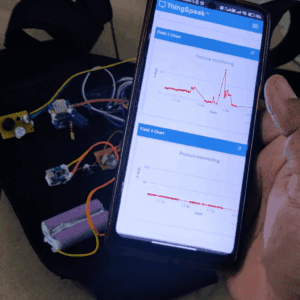
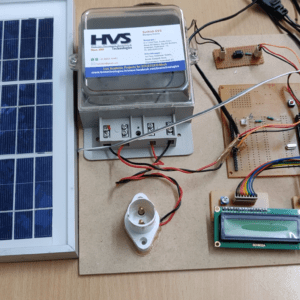
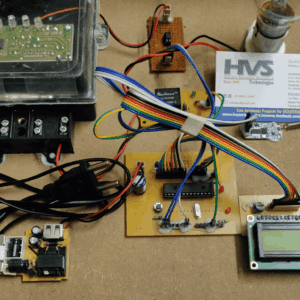
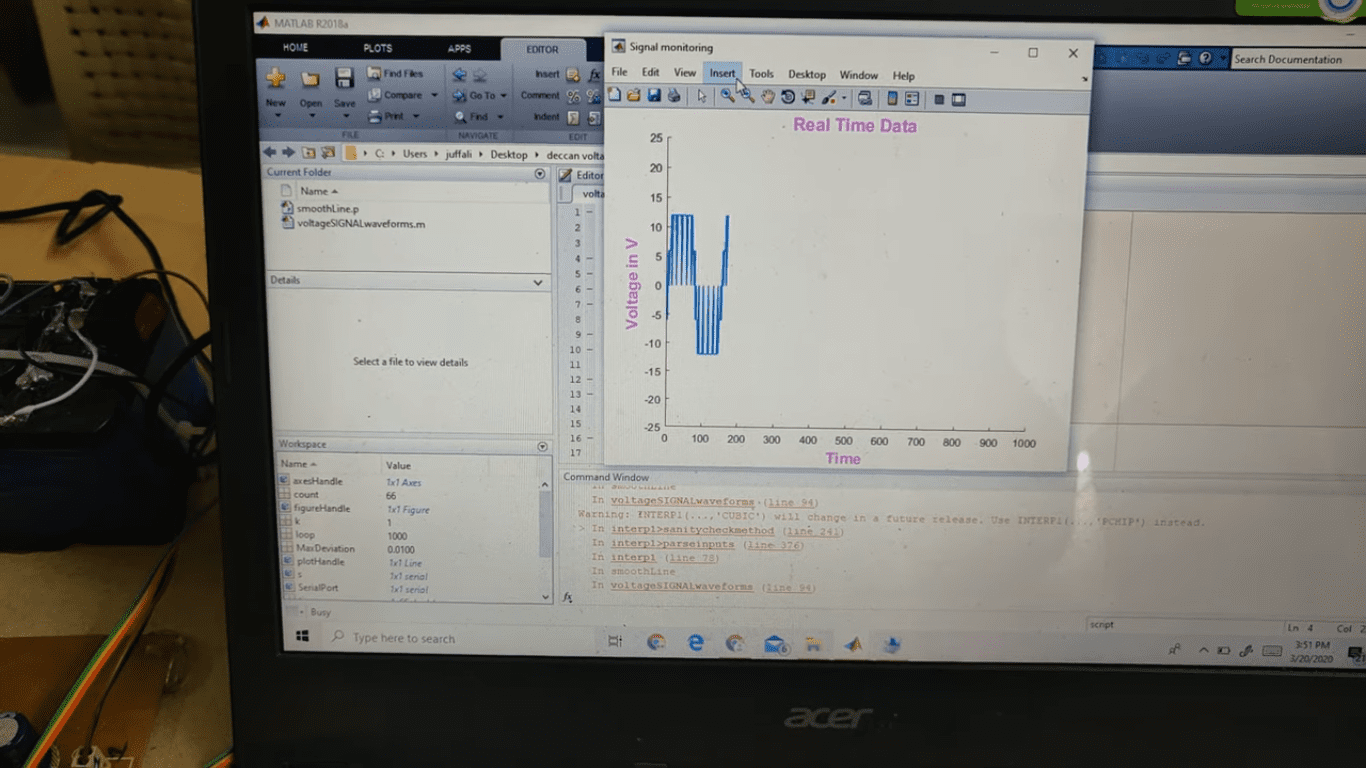
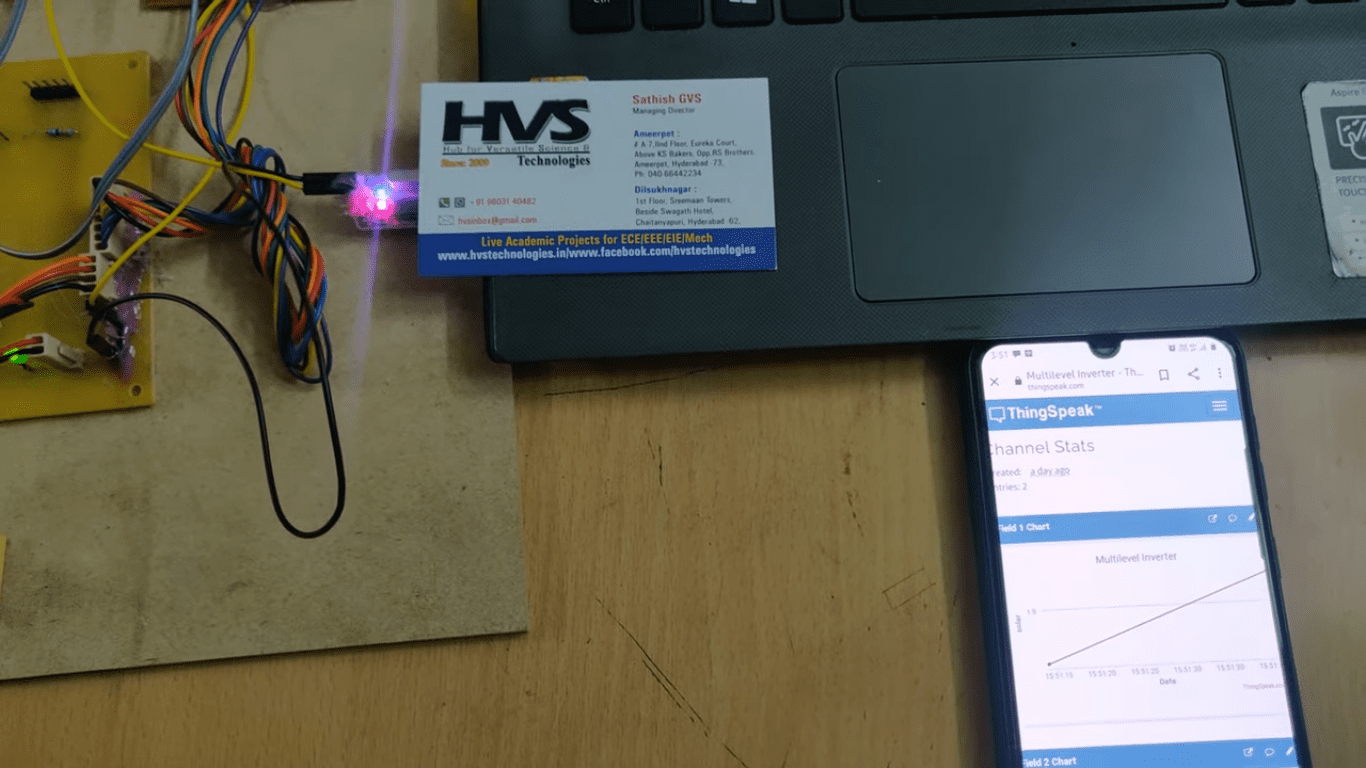
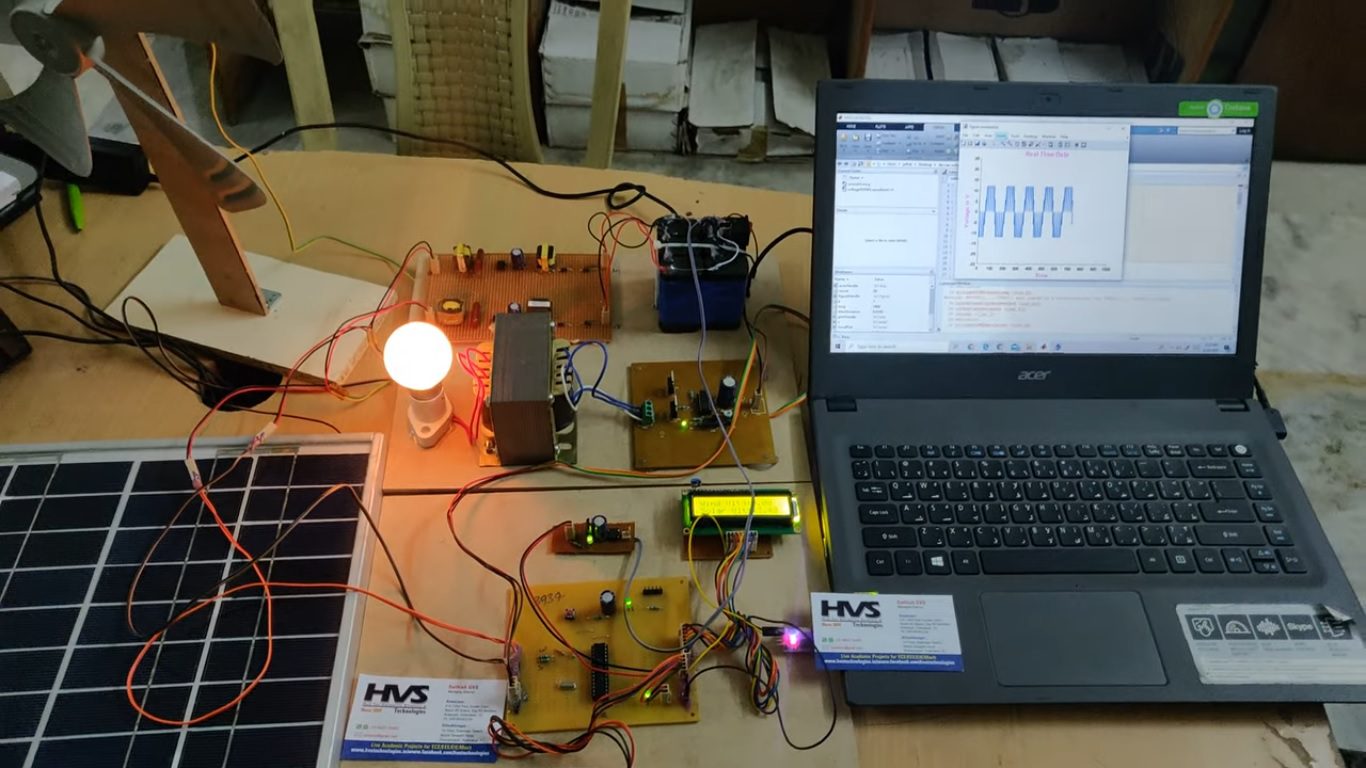
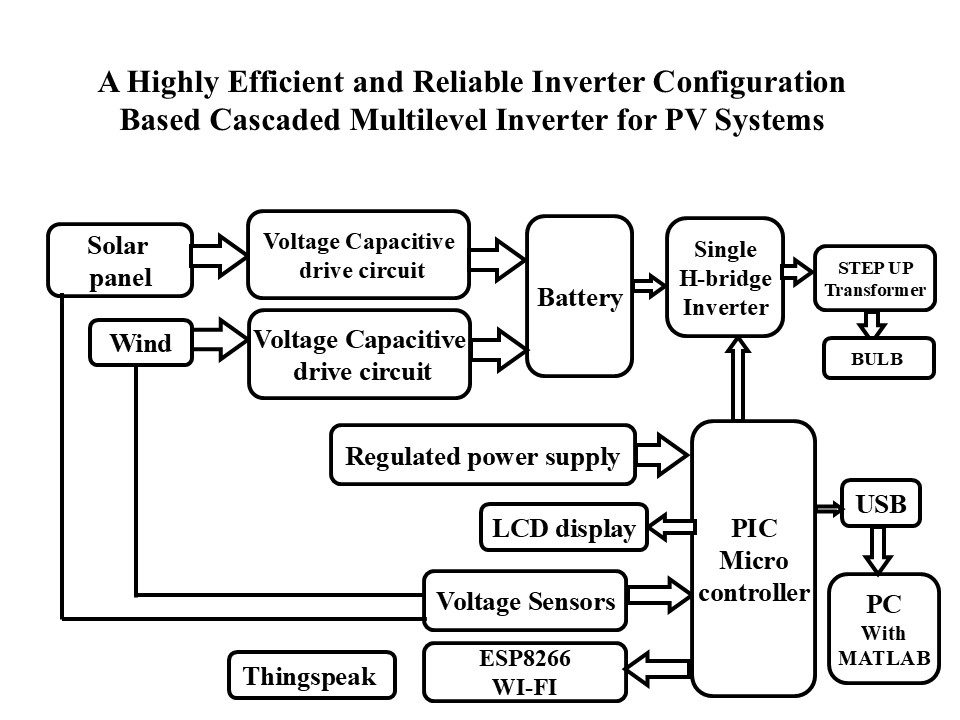
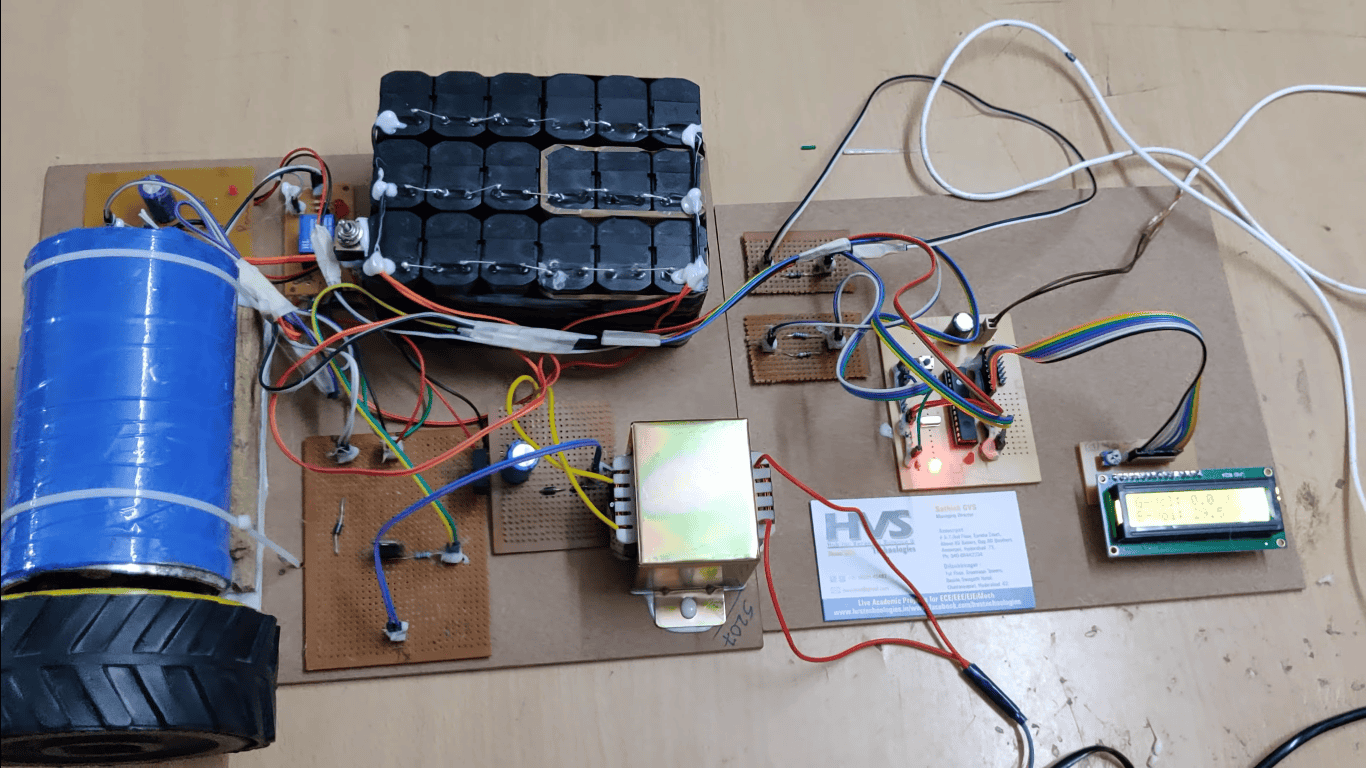
The growing demand for clean and reliable energy has accelerated the integration of renewable energy sources such as solar and wind into power generation systems. This project presents a highly efficient and reliable inverter configuration based on a cascaded multilevel inverter (CMLI) for photovoltaic (PV) systems, integrated with wind energy support. The proposed system utilizes a five-level cascaded multilevel inverter, which significantly reduces total harmonic distortion (THD), switching losses, and electromagnetic interference compared to conventional two-level inverters. Solar and wind energy sources are conditioned using voltage capacitive drive circuits and stored in a battery to ensure continuous power supply. A single H-bridge inverter topology controlled by a PIC microcontroller generates the required multilevel AC output. The five-level inverter waveform is modeled and verified using MATLAB, demonstrating improved output voltage quality and higher efficiency. Real-time monitoring of solar and wind input voltages is implemented using voltage sensors and an ESP8266 Wi-Fi module, with data uploaded to the ThingSpeak IoT platform for remote visualization and analysis. An LCD display provides local system status, while USB communication enables MATLAB interfacing for waveform analysis. The proposed system offers a reliable, scalable, and IoT-enabled solution suitable for modern renewable energy applications.      

Objectives:

ï‚· To design and develop a cascaded multilevel inverter for photovoltaic (PV) systems.

ï‚· To generate a five-level inverter output waveform using MATLAB simulation.

ï‚· To improve efficiency and power quality by reducing harmonic distortion.

ï‚· To integrate solar and wind energy sources for reliable power generation.

ï‚· To store generated energy using a battery system for continuous operation.

ï‚· To monitor solar and wind voltages in real time using voltage sensors.

ï‚· To upload and visualize voltage data on the ThingSpeak IoT platform.

ï‚· To control the inverter operation using a PIC microcontroller.

ï‚· To provide safe and stable AC output suitable for electrical loads.      

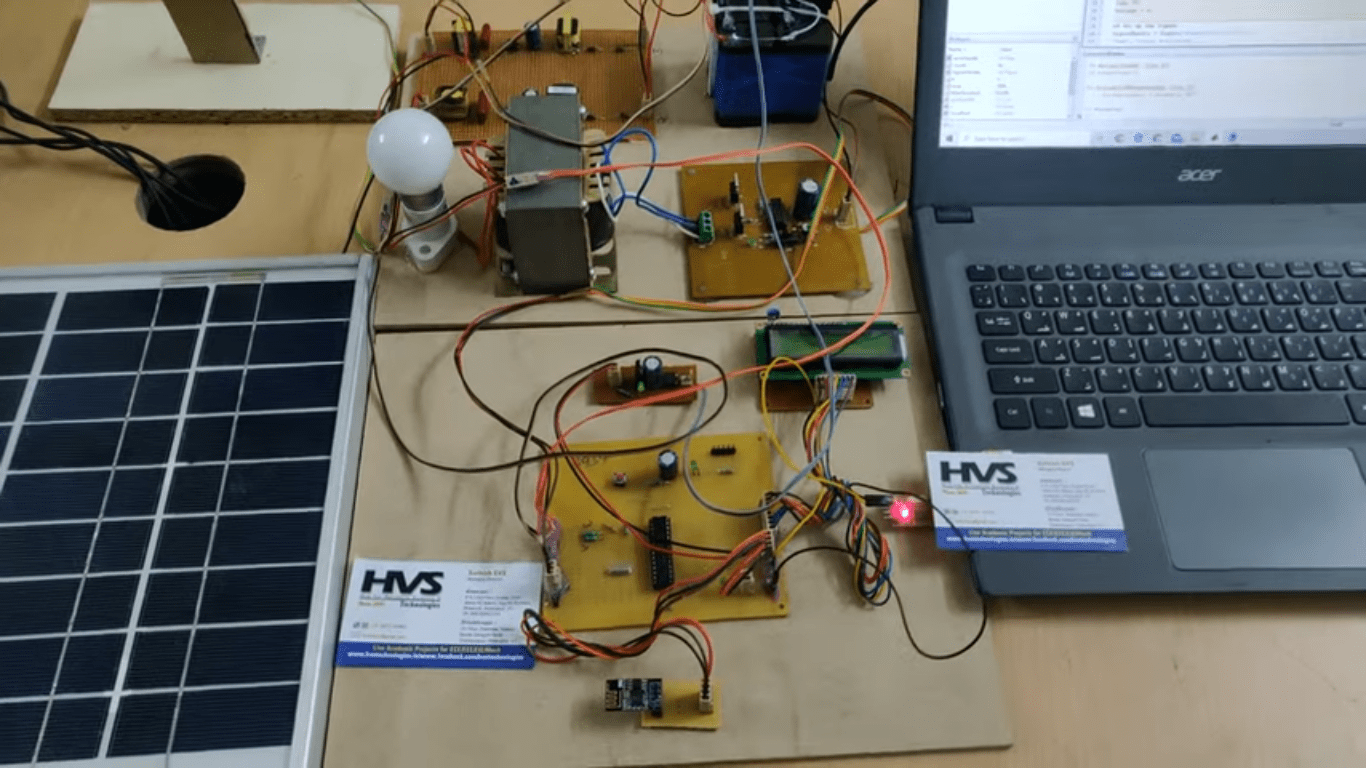
The major building blocks of this project are:  
  1. Solar panel.
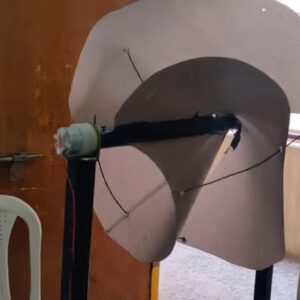
  2. Wind.
  3. Voltage capacitive drive circuits.
  4. Single h-bridge Inverter.
  5. Battery.
  6. Step-up transformer.
  7. AC bulb.
  8. LCD display.
  9. ESP8266 WI-FI module.
  10. PC with MATLAB.
    Software’s used:
  • PIC-C compiler for Embedded C programming.
  • PIC kit 2 programmer for dumping code into Micro controller.
  • Express SCH for Circuit design.
  • MATLAB.
  • Thingspeak cloud.
 

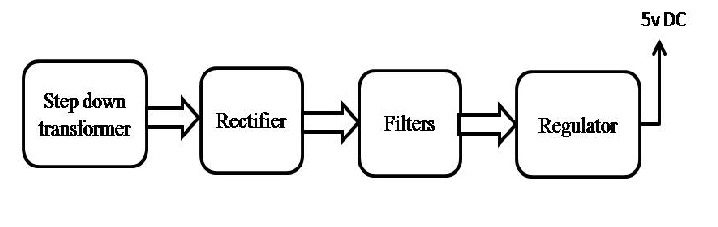
Regulated power supply:


Block Diagram:


video: