No products in the cart.


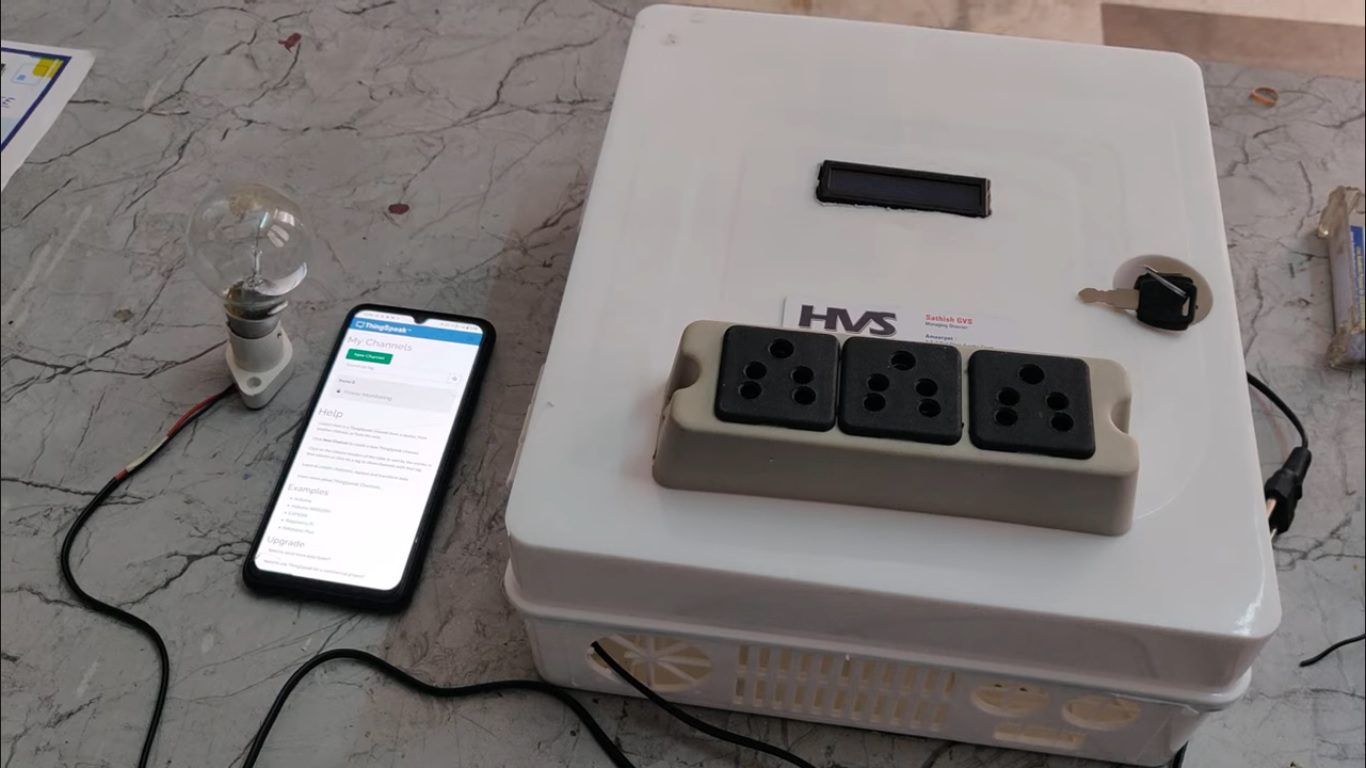
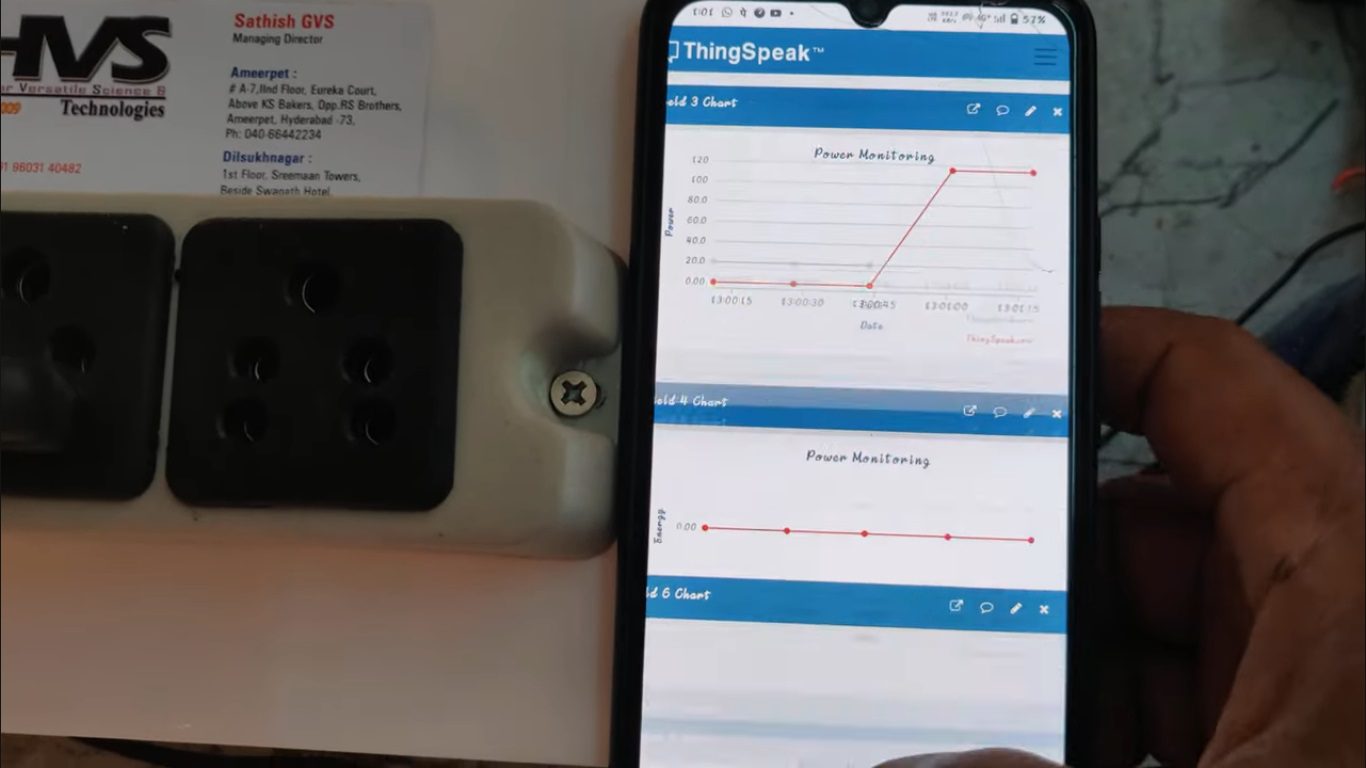
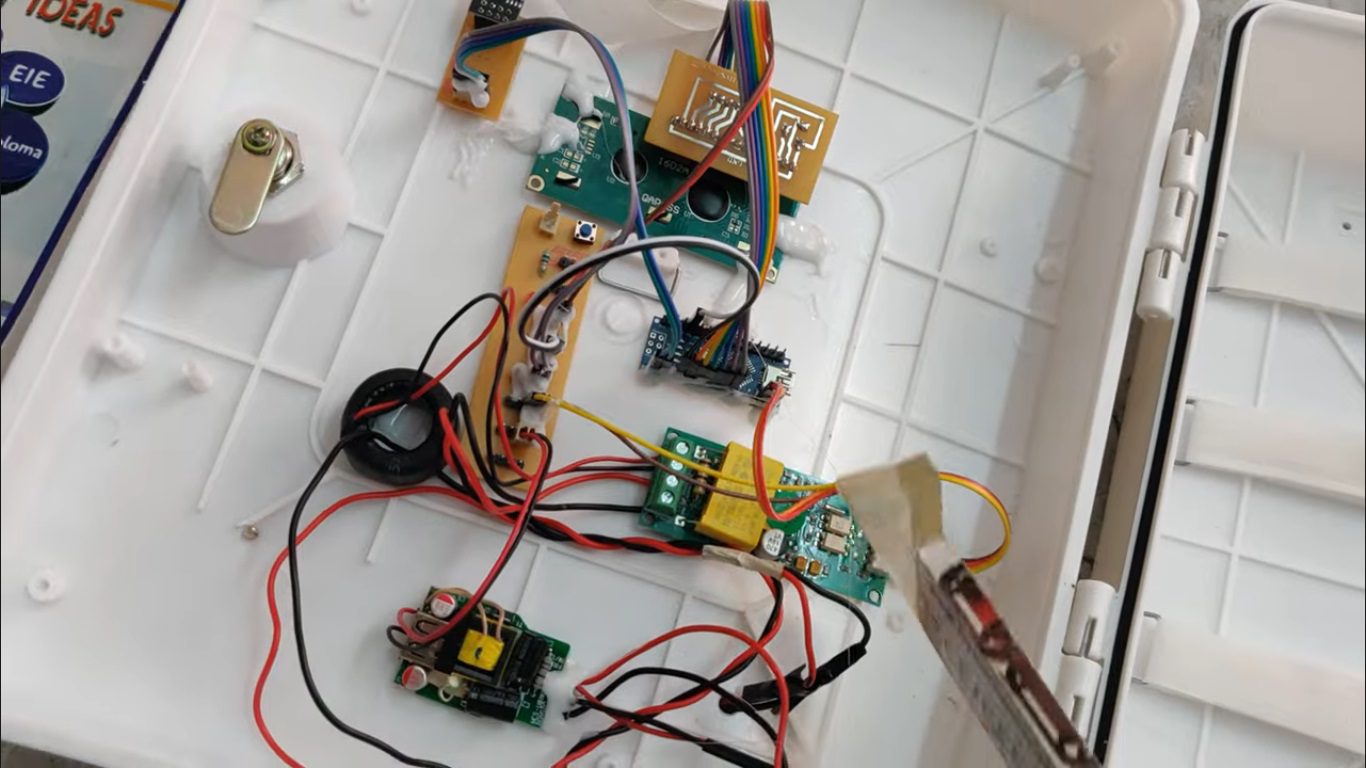
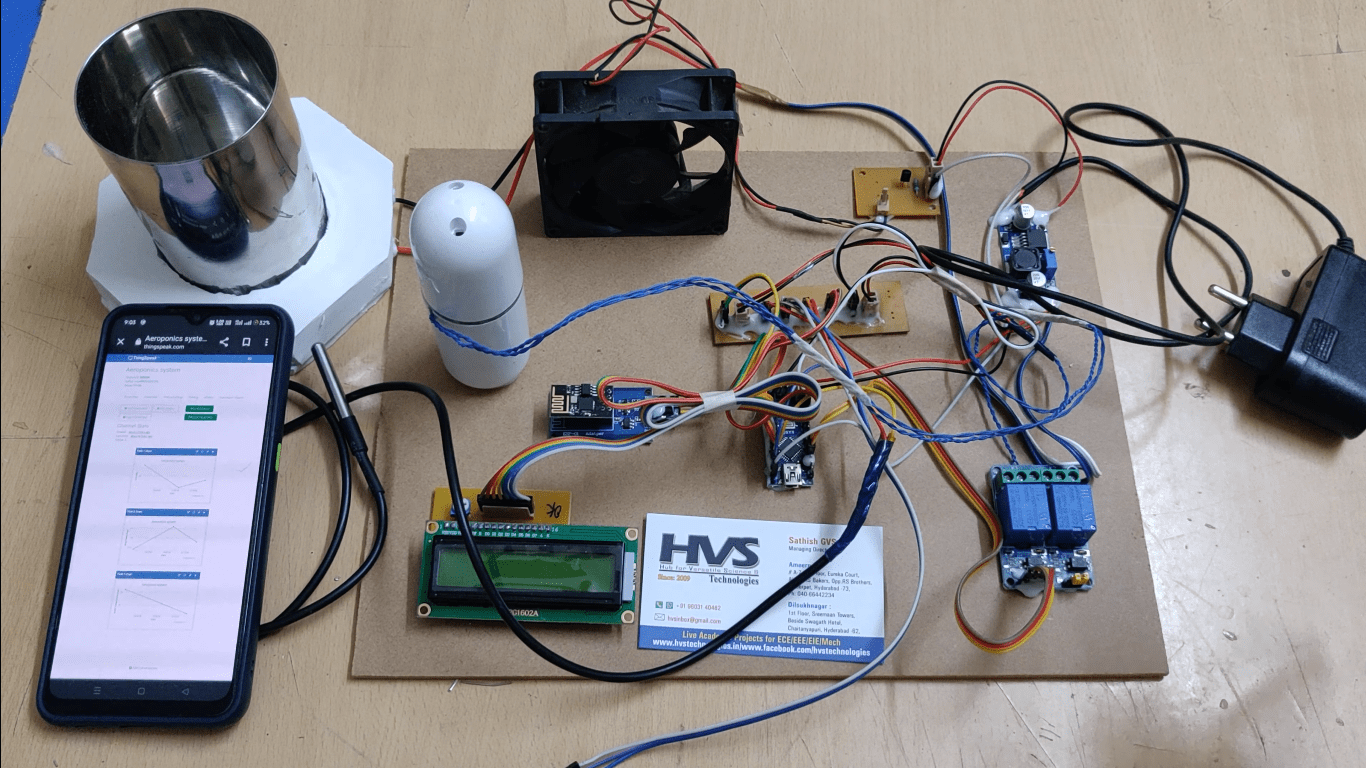
With the increasing need for efficient energy management and real-time monitoring, this project presents a Smart Meter for Grid Monitoring using ThingSpeak, PZEM-004T, Arduino Nano, ESP8266, and an LCD display. The system is designed to measure and monitor electrical parameters such as voltage, current, power, energy consumption, power factor, and frequency from three independent sockets.
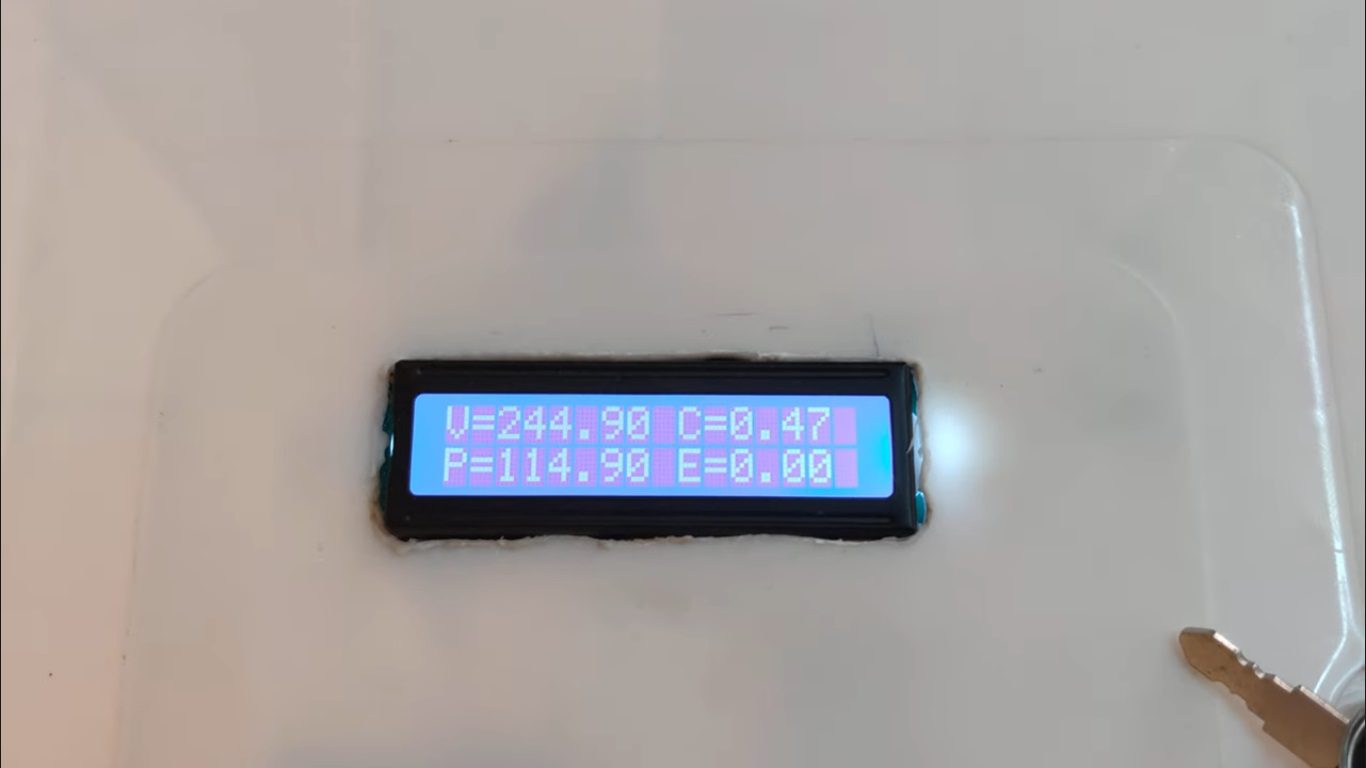
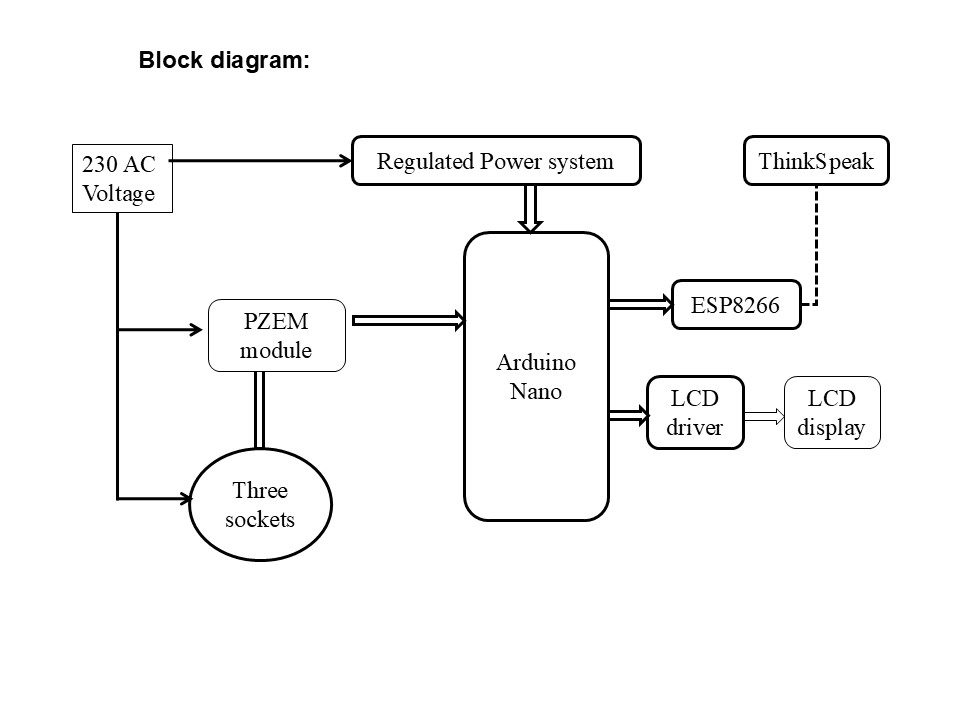
The PZEM-004T energy meters are used to collect electrical data from each socket, which is processed by the Arduino Nano. The ESP8266 Wi-Fi module is responsible for transmitting the data to ThingSpeak, a cloud-based IoT platform, allowing users to monitor real-time electricity consumption remotely. Additionally, an LCD display provides real-time local monitoring of the measured parameters.
This system enables users to track power usage, optimize energy consumption, and improve electrical efficiency in smart homes, industries, and commercial setups. The integration of IoT-based remote monitoring makes it a cost-effective and scalable solution for energy management and grid monitoring applications.
The main objectives of the project are:
 video:
- Monitor voltage, current, power, energy, power factor, and frequency in real time.
- Measure electrical parameters from three power sockets.
- Display live readings on an LCD screen.
- Send data to ThingSpeak using ESP8266 for remote monitoring.
- Track electricity consumption and improve energy efficiency.
- Detect voltage and current abnormalities for fault identification.
- Enable IoT-based monitoring for homes and industries.
- Provide a low-cost and scalable power monitoring solution.
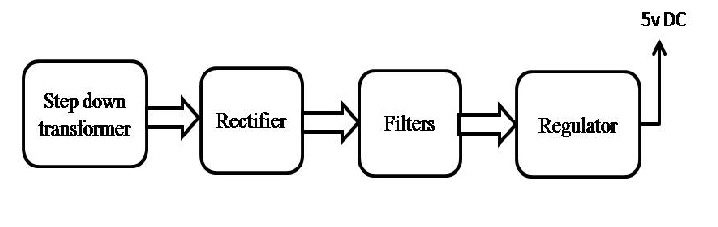
- Regulated Power Supply.
- Arduino nano microcontroller.
- PZEM module.
- ESP8266 WI-FI module.
- LCD display.
- Three power sockets.
- Key.
- Arduino IDE for compiling and dumping code into controller
- Express SCH for Circuit design.
- Embedded C language.
 video: