No products in the cart.


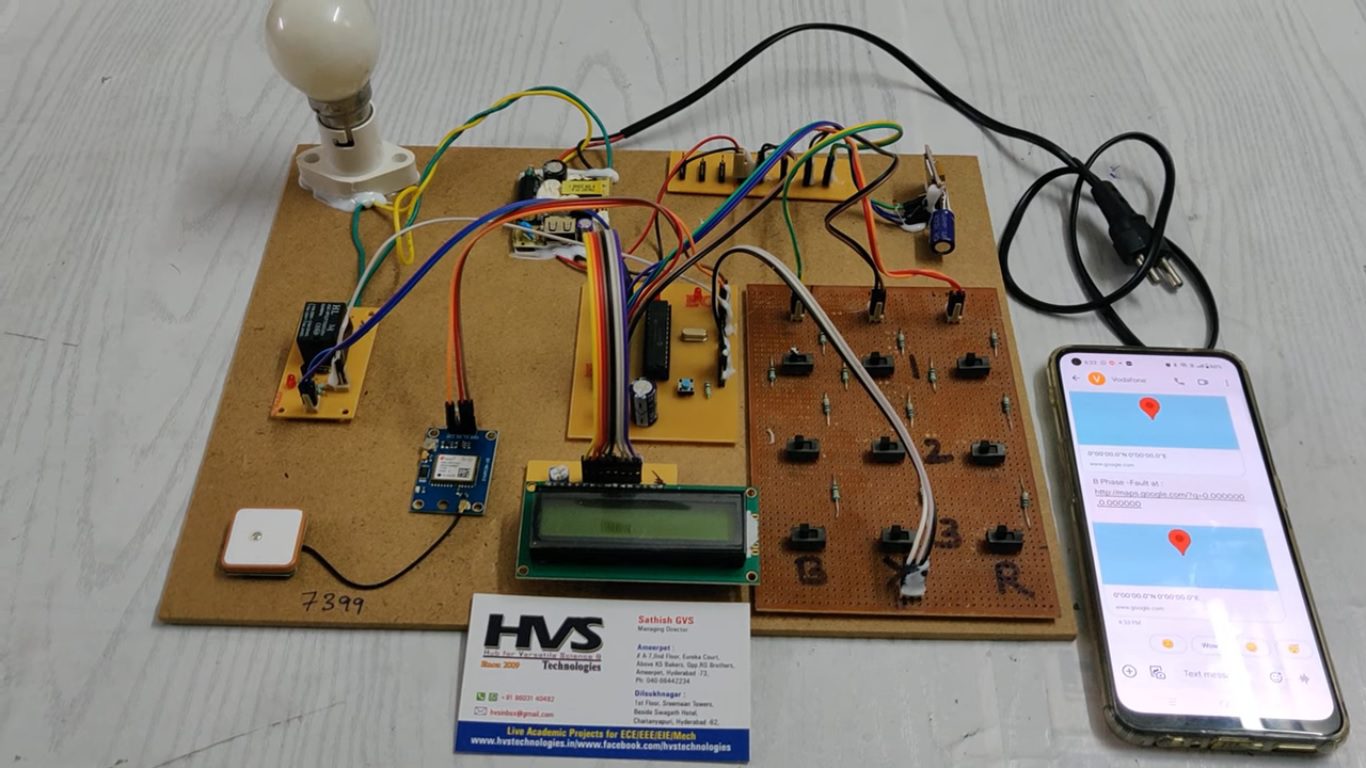
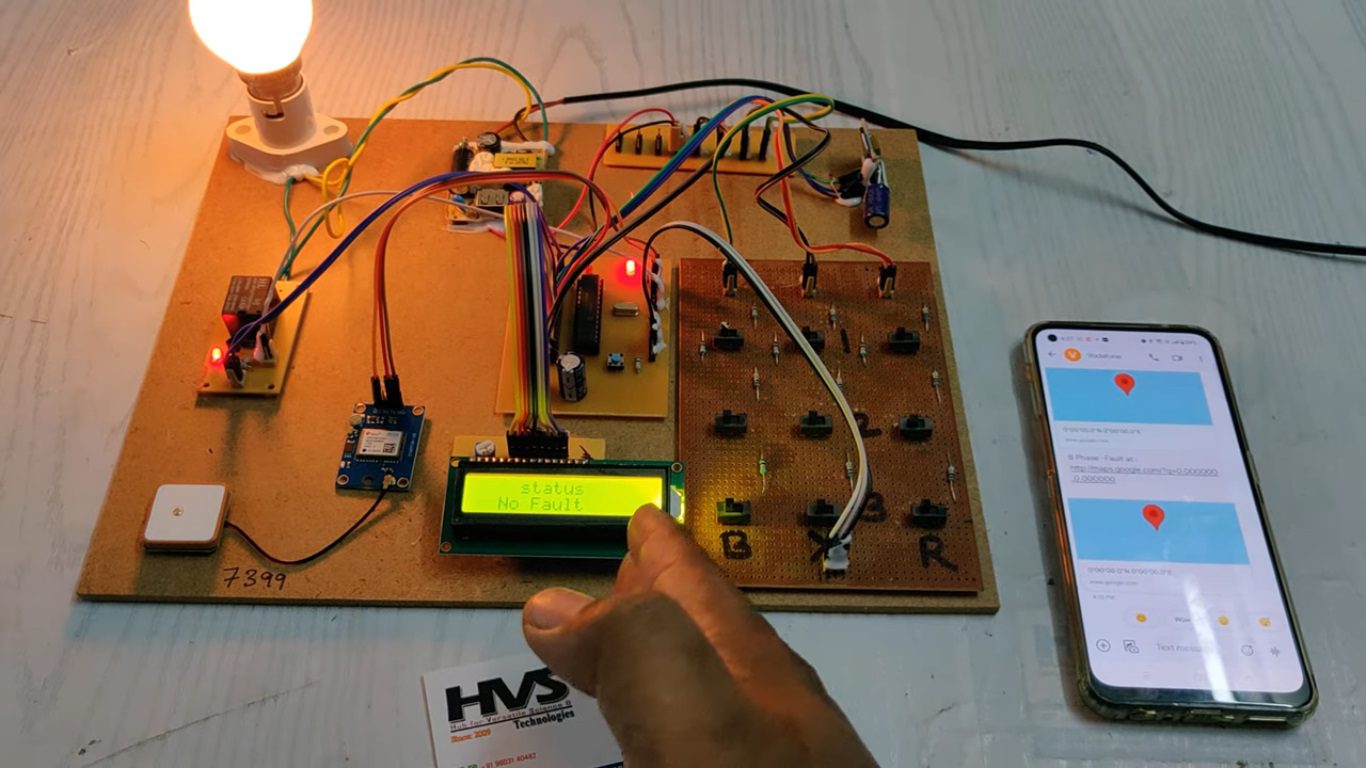
The objective of this project is to detect the location of an underground cable fault and determine its distance from the base station in kilometers. Underground cable systems are widely used in urban areas due to their reliability and safety. However, when a fault occurs, locating the exact fault position becomes difficult, resulting in increased maintenance time and repair costs.
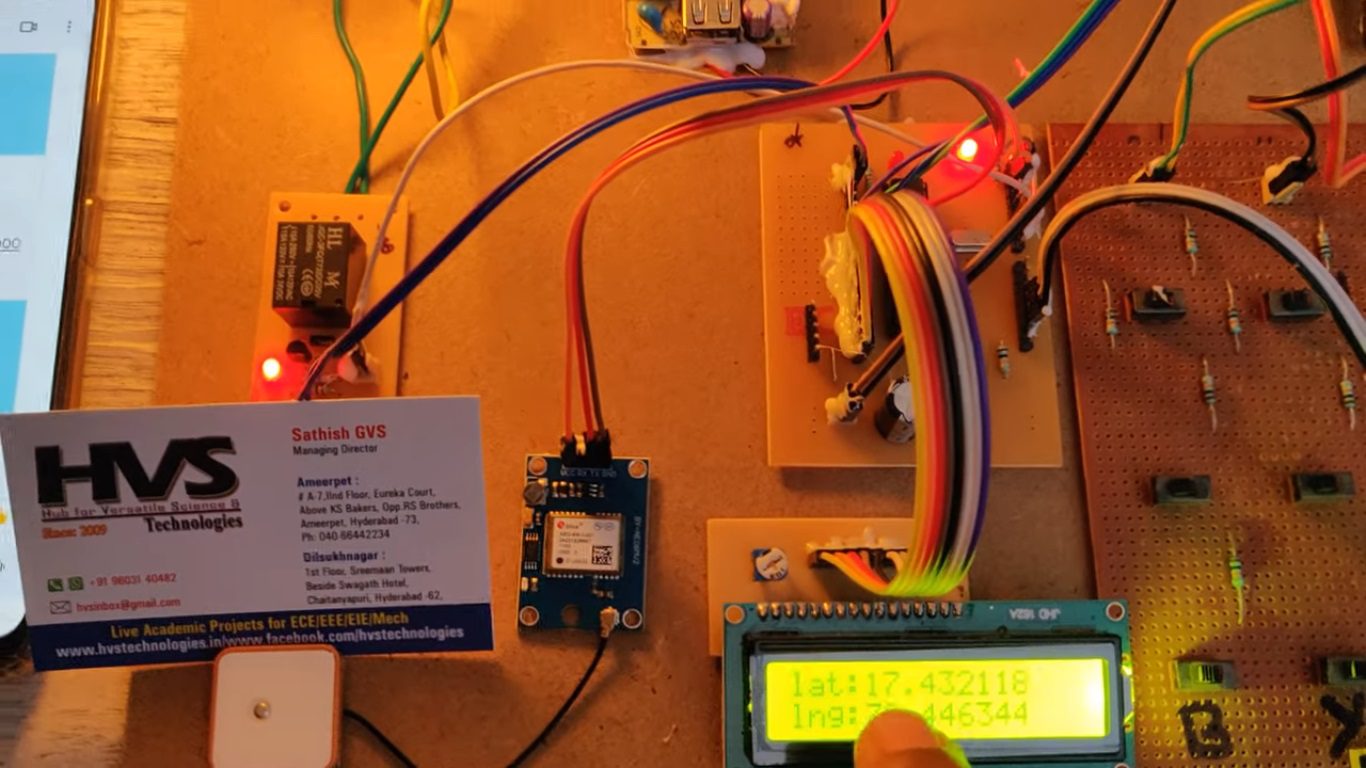
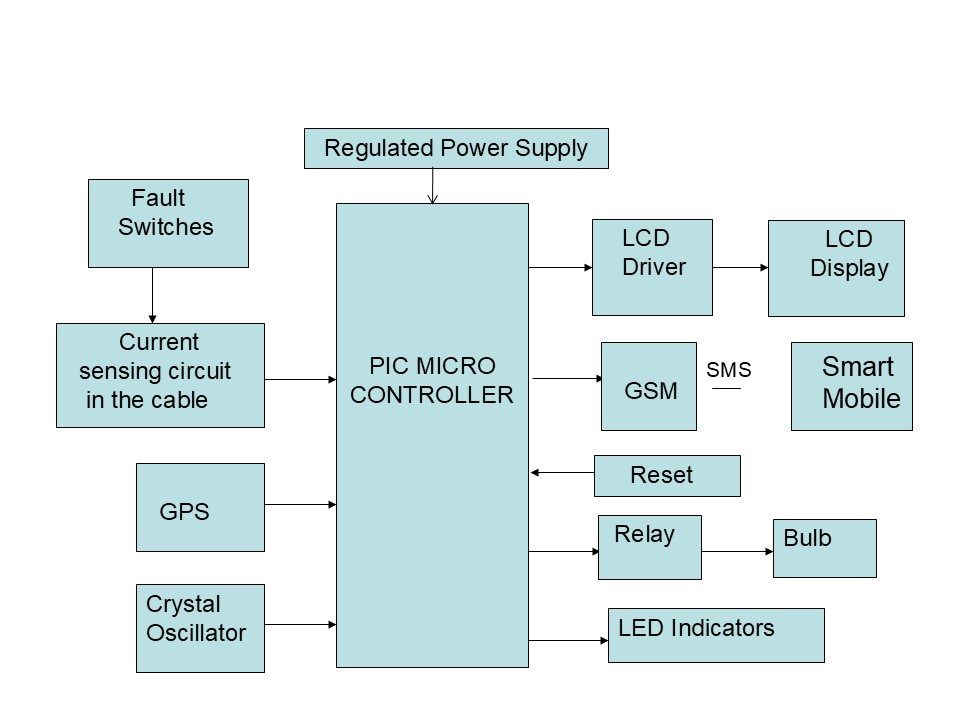
The proposed system is designed to identify the exact location of cable faults and transmit the fault information to a predefined mobile number using GSM technology. A GPS module is incorporated to obtain the latitude and longitude coordinates of the fault location, which are sent through SMS for quick identification and maintenance.
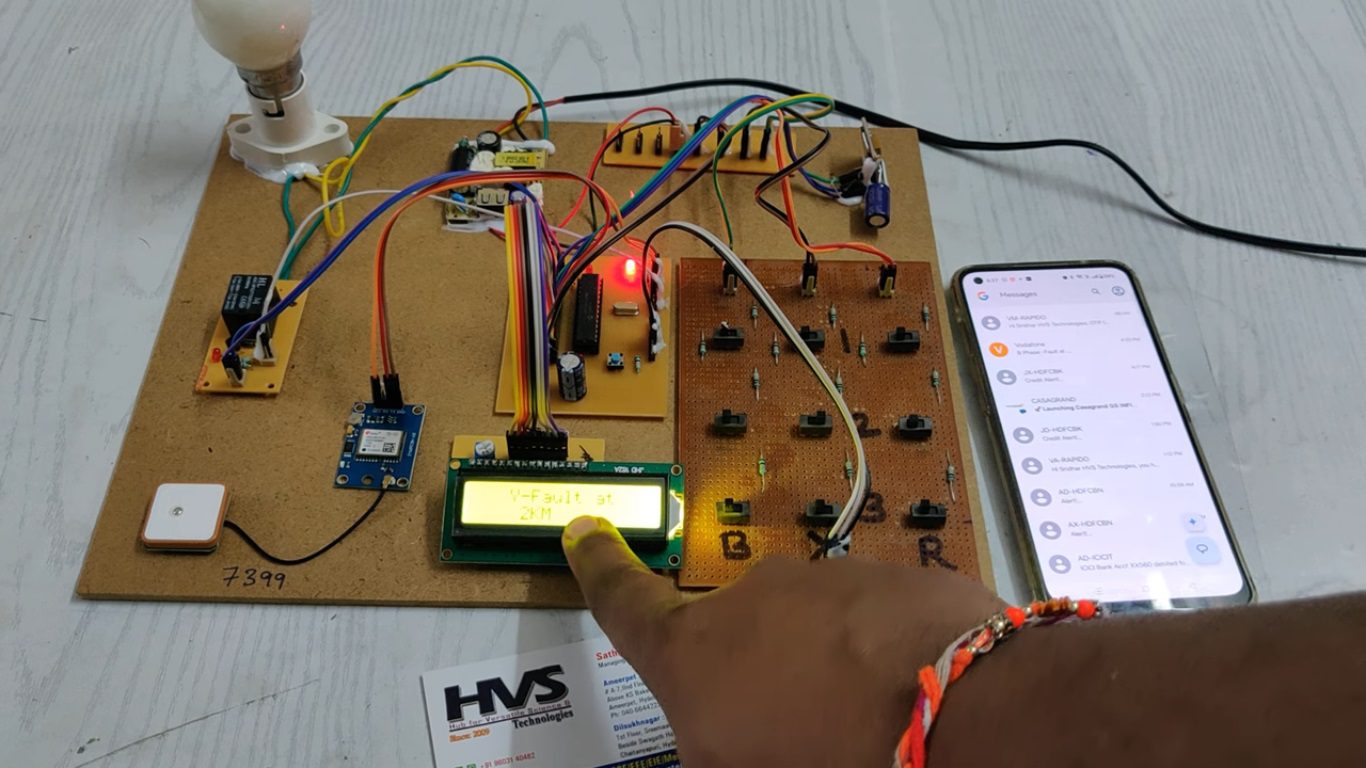
The system is based on Ohm's Law. A low DC voltage is applied to the cable through a series resistor network representing the cable length. When a fault such as a line-to-ground short circuit occurs, the current and voltage distribution in the cable changes according to the fault distance. These voltage variations are measured and fed to an Analog-to-Digital Converter (ADC). The microcontroller processes the digital data and calculates the fault distance, which is displayed in kilometers on an LCD.
For demonstration purposes, the cable is modeled using a set of resistors representing different cable lengths, and faults are simulated using switches placed at known distances. The system accurately identifies the faulty phase and the corresponding fault distance. Upon fault detection, the microcontroller automatically deactivates the connected load through a relay for safety and sends an alert message containing the fault distance and GPS coordinates to the predefined mobile number via the GSM module.
This system enables rapid fault detection, minimizes repair time, improves maintenance efficiency, and enhances the reliability of underground cable networks.
The main objectives of the project are:
 BLOCK DIAGRAM:
video:
BLOCK DIAGRAM:
video:
To detect and locate underground cable faults accurately using the principle of Ohm’s Law.
To determine the distance of the fault from the base station and display it in kilometers.
To identify the faulty phase and fault location for quick maintenance and repair.
To display fault information on an LCD for real-time monitoring.
To transmit fault alerts through a GSM module to a predefined mobile number.
To obtain and send GPS coordinates (latitude and longitude) of the fault location for precise tracking.
To automatically disconnect the connected load using a relay when a fault is detected, ensuring system safety.
To reduce fault detection time, maintenance cost, and power outage duration in underground cable networks.
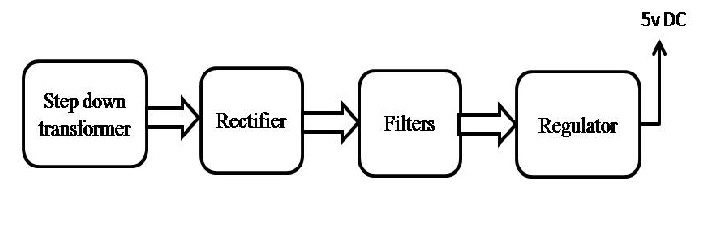
The major building blocks of this project are:- Regulated power supply.
- PIC Microcontroller.
- Fault switches.
- GSM.
- GPS.
- LCD with driver.
- Relay with Bulb.
- Crystal
- Reset button.
- LED indicators.
- PIC-C compiler for Embedded C programming.
- PIC kit 2 programmer for dumping code into Micro controller.
- Express SCH for Circuit design.
 BLOCK DIAGRAM:
 video: