No products in the cart.


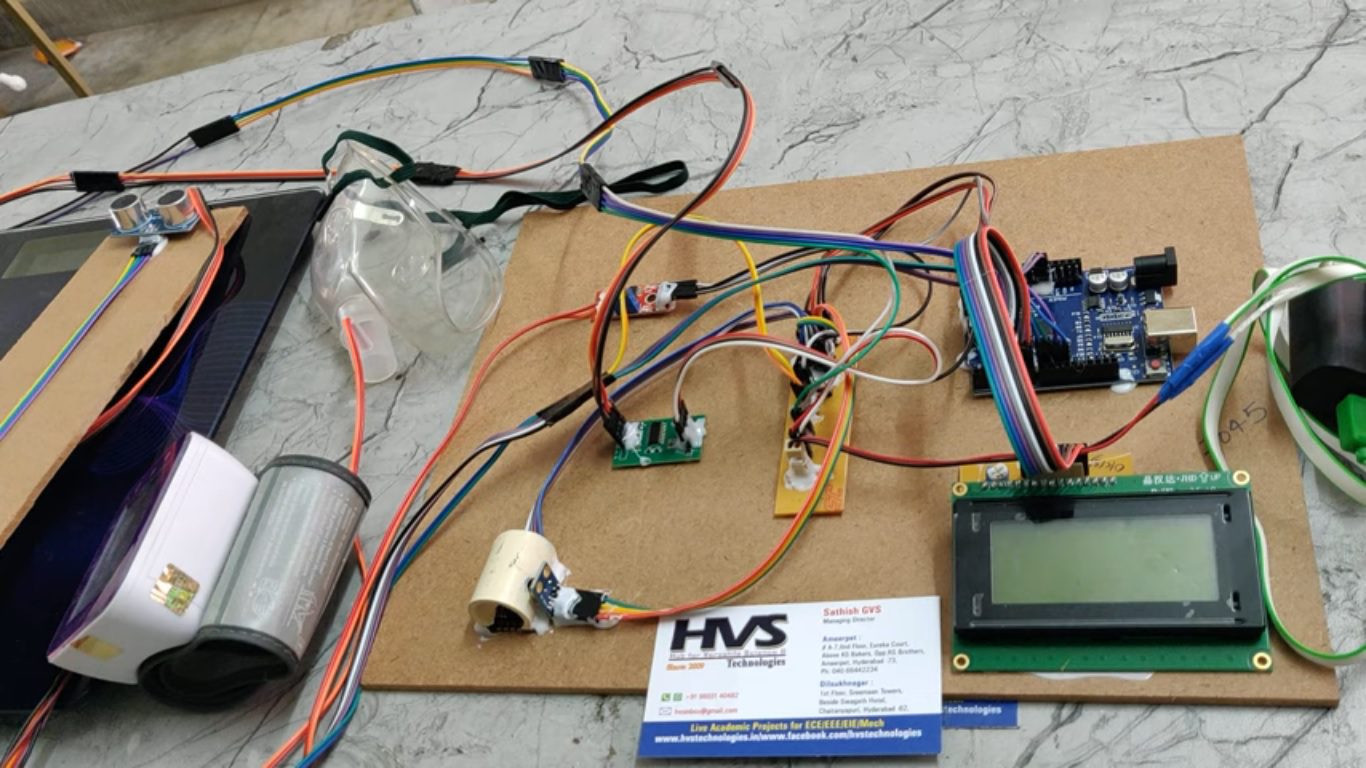
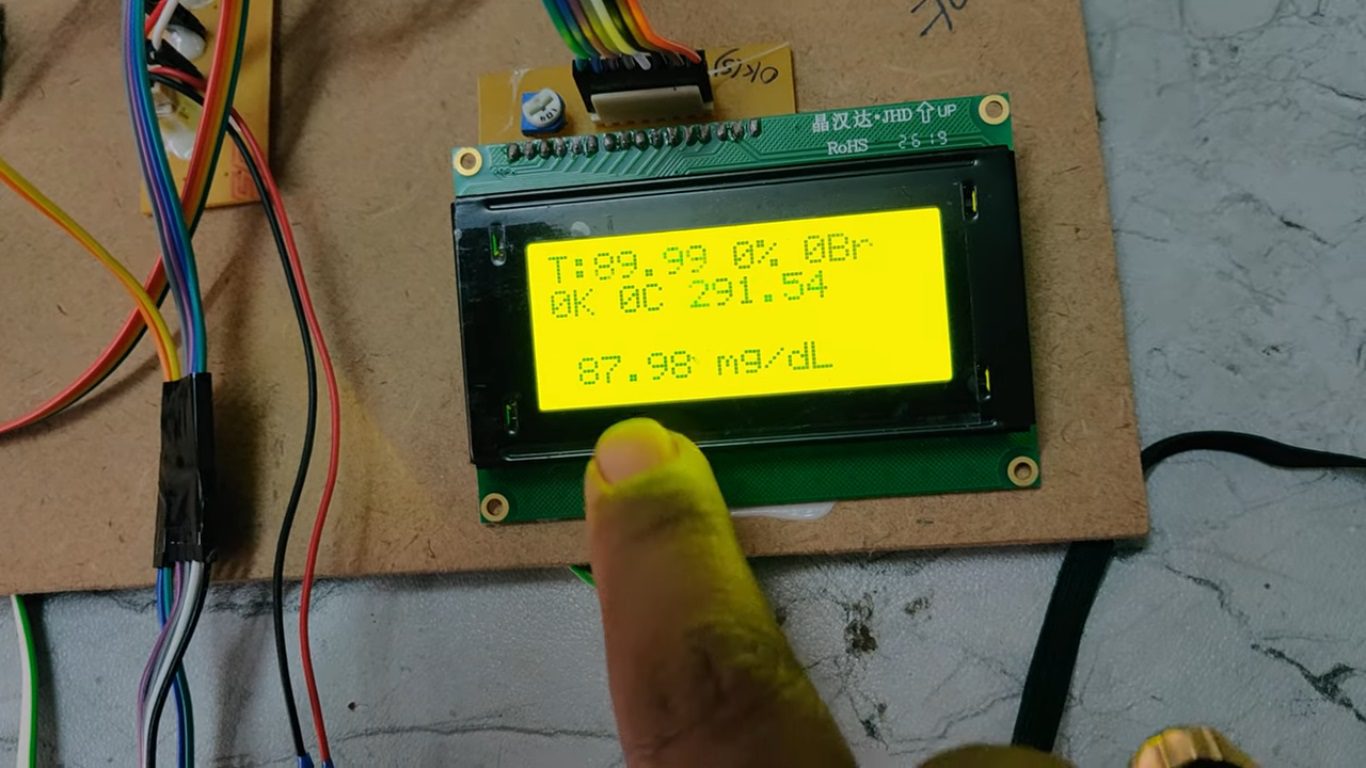
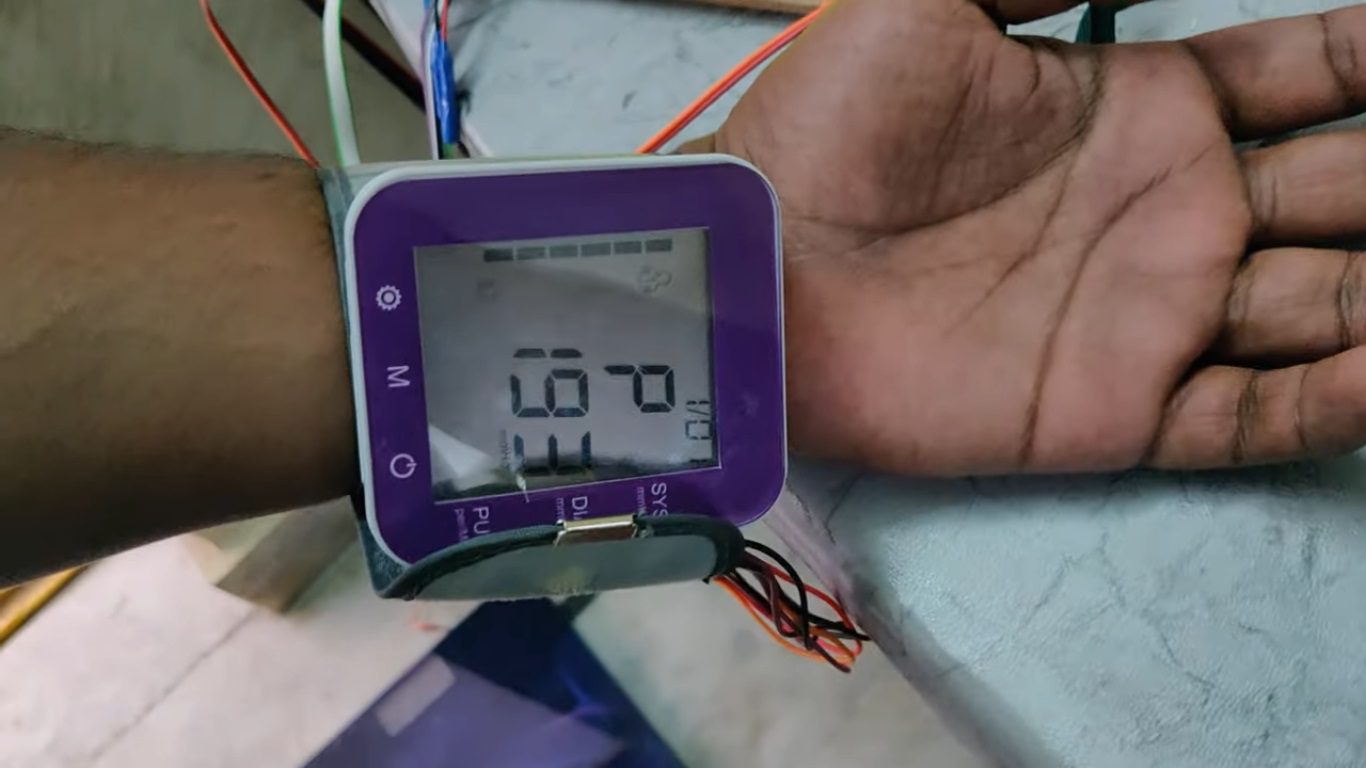
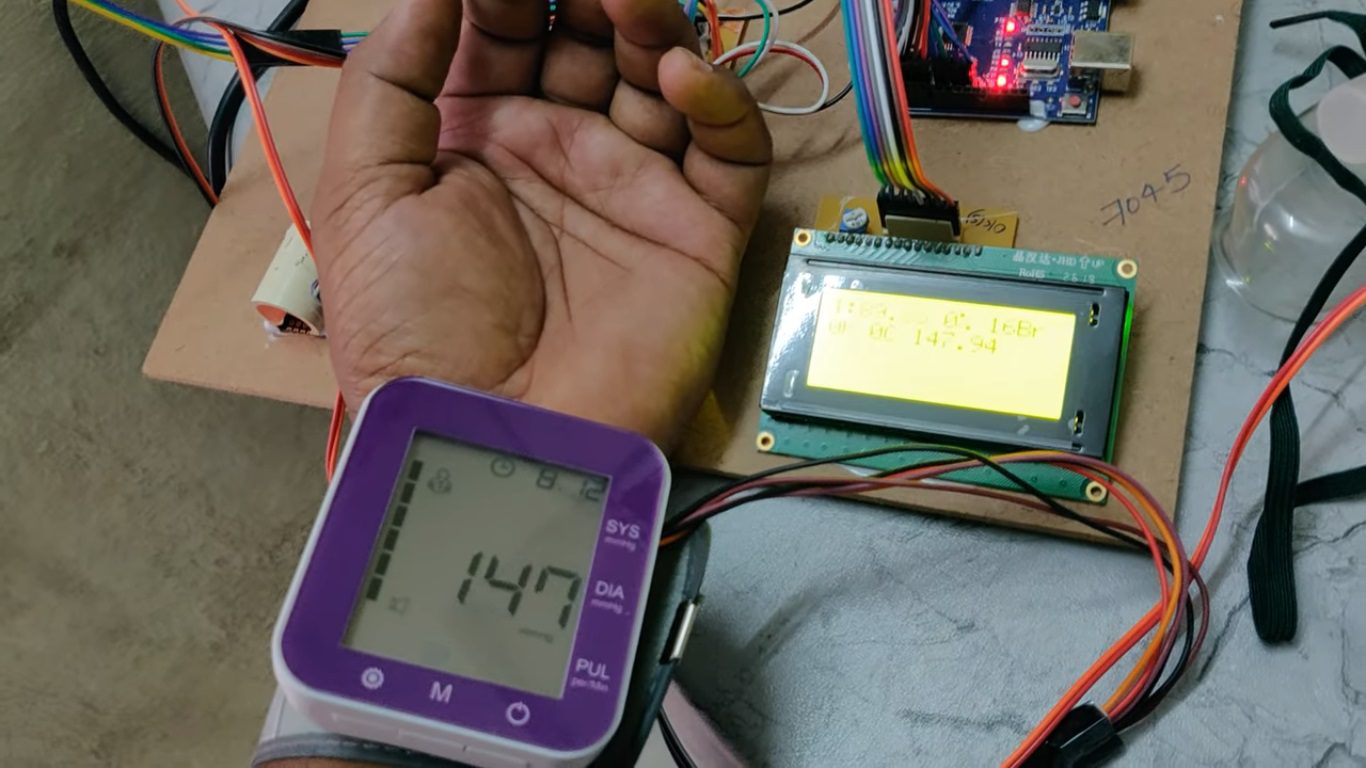
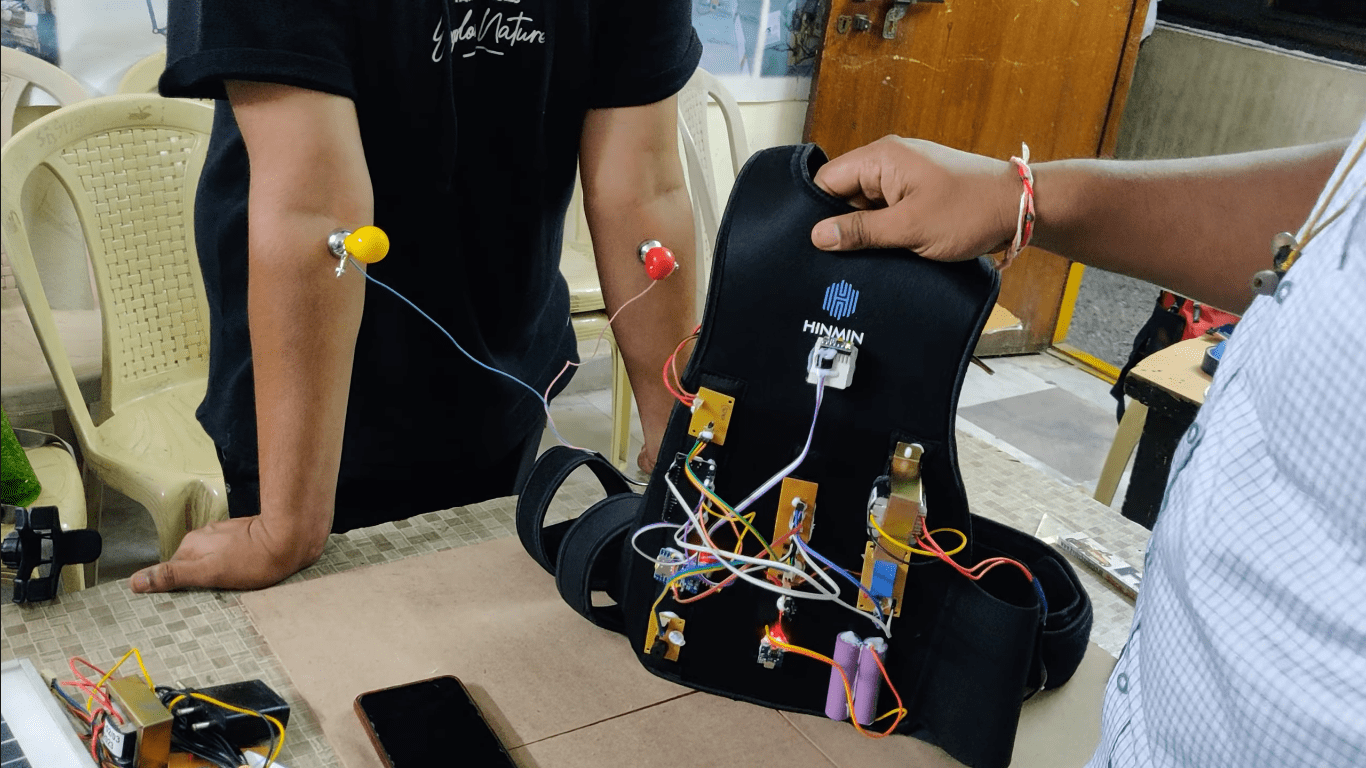
This integrated system combines two healthcare monitoring technologies to provide comprehensive, real-time data on both body composition and vital signs. The first part of the system quantifies an individual's tissue mass (muscle, fat, and bone) and calculates the Body Mass Index (BMI) using measurements from an ultrasonic sensor for height and a load cell for weight. The system then categorizes the individual as underweight, normal weight, overweight, or obese based on the BMI value. The second part of the system continuously monitors key vital signs, including blood pressure (BP), heart rate, oxygen saturation (SpO2), glucose levels, respiration rate, and body temperature. These parameters are measured using dedicated sensors connected to a microcontroller (Arduino UNO), which processes the data and displays the results on an LCD screen. This dual-function system provides both body composition and vital sign monitoring, enabling healthcare professionals to obtain a holistic view of an individual's health status. The integration of these functionalities into a single platform ensures a user-friendly, portable solution suitable for hospitals, clinics, and home care settings, facilitating early detection of potential health issues and improved patient management.
The main objectives of the project are:
 video:
Measure Body Composition and BMI:
- To design a system that measures a person’s height and weight to calculate their BMI.
- To classify the person as underweight, normal, overweight, or obese based on their BMI.
- To continuously monitor important health signs like blood pressure, heart rate, oxygen levels, glucose, respiration rate, and body temperature.
- To integrate both body composition and vital sign monitoring into one device that uses sensors connected to a microcontroller (Arduino UNO).
- To show the BMI and vital sign information on an easy-to-read LCD display.
- To build a portable and reliable device that can be used in hospitals, clinics, and homes.
- To help detect health problems early and support better management of a person’s health.
- To ensure the system is accurate and works well by using embedded C programming for the microcontroller.
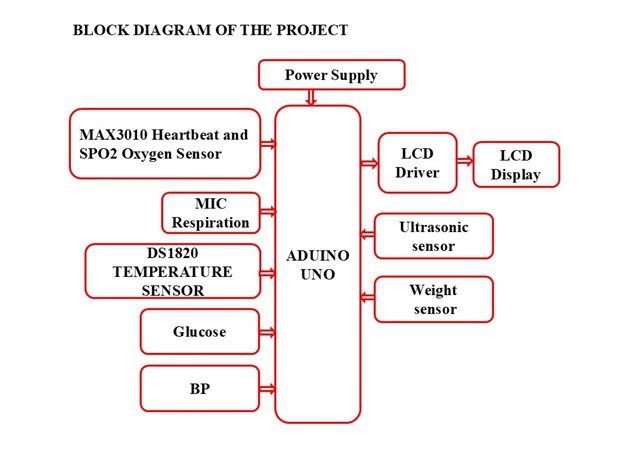
- Power supply.
- Arduino UNO.
- MAX30102 (HEARTBEAT and SPO2 OXYGEN SENSOR).
- Temperature sensor.
- Glucose sensor.
- Blood Pressure.
- Respiration.
- Ultrasonic sensor.
- Weight sensor.
- LCD display.
- Arduino IDE.
- Express SCH for Circuit Design.
- Embedded C language.
 video: