No products in the cart.


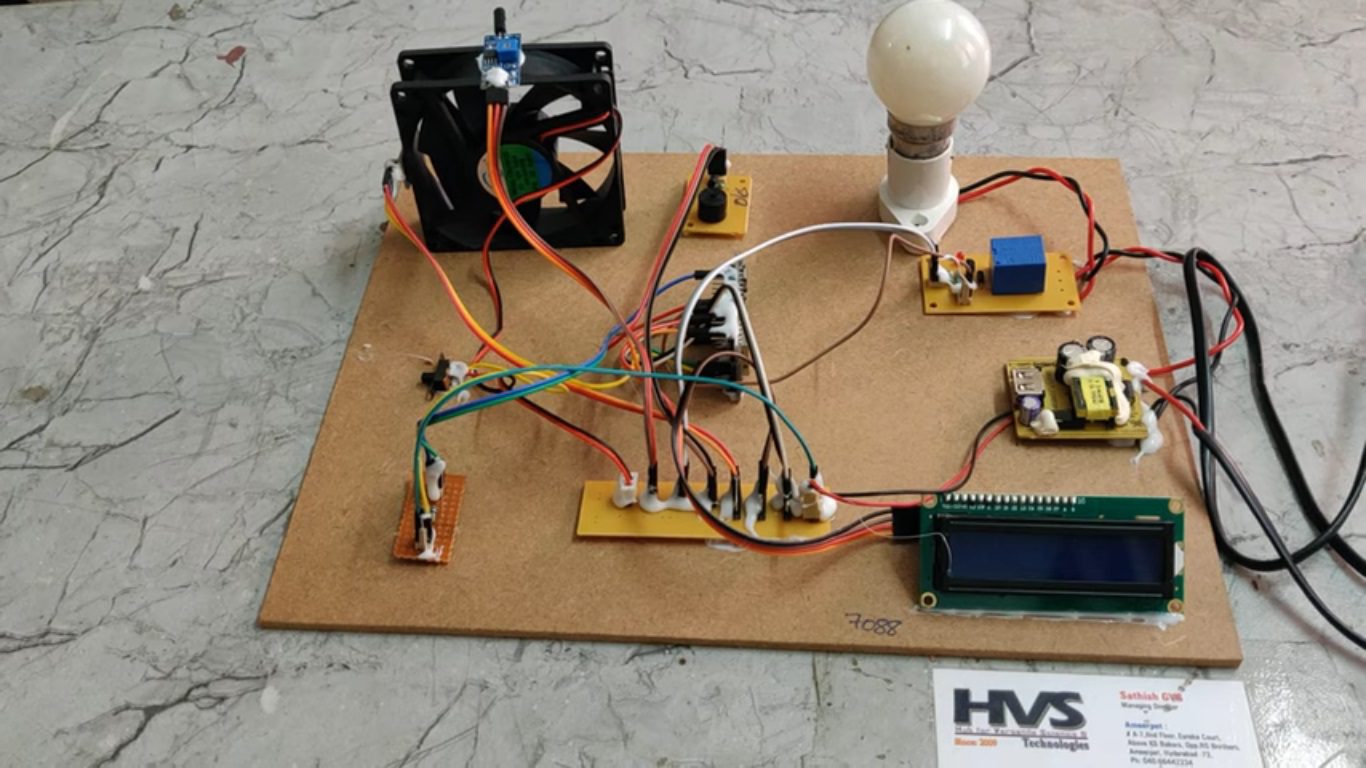
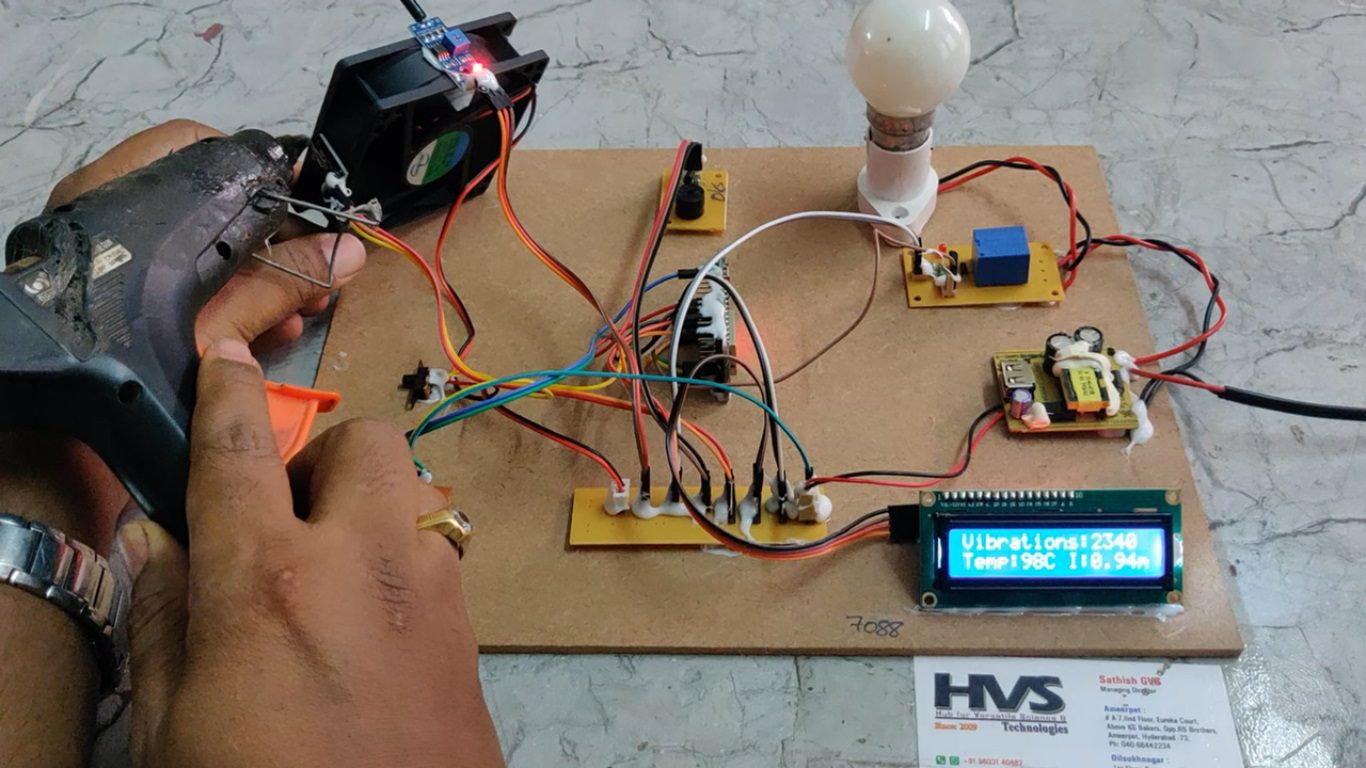
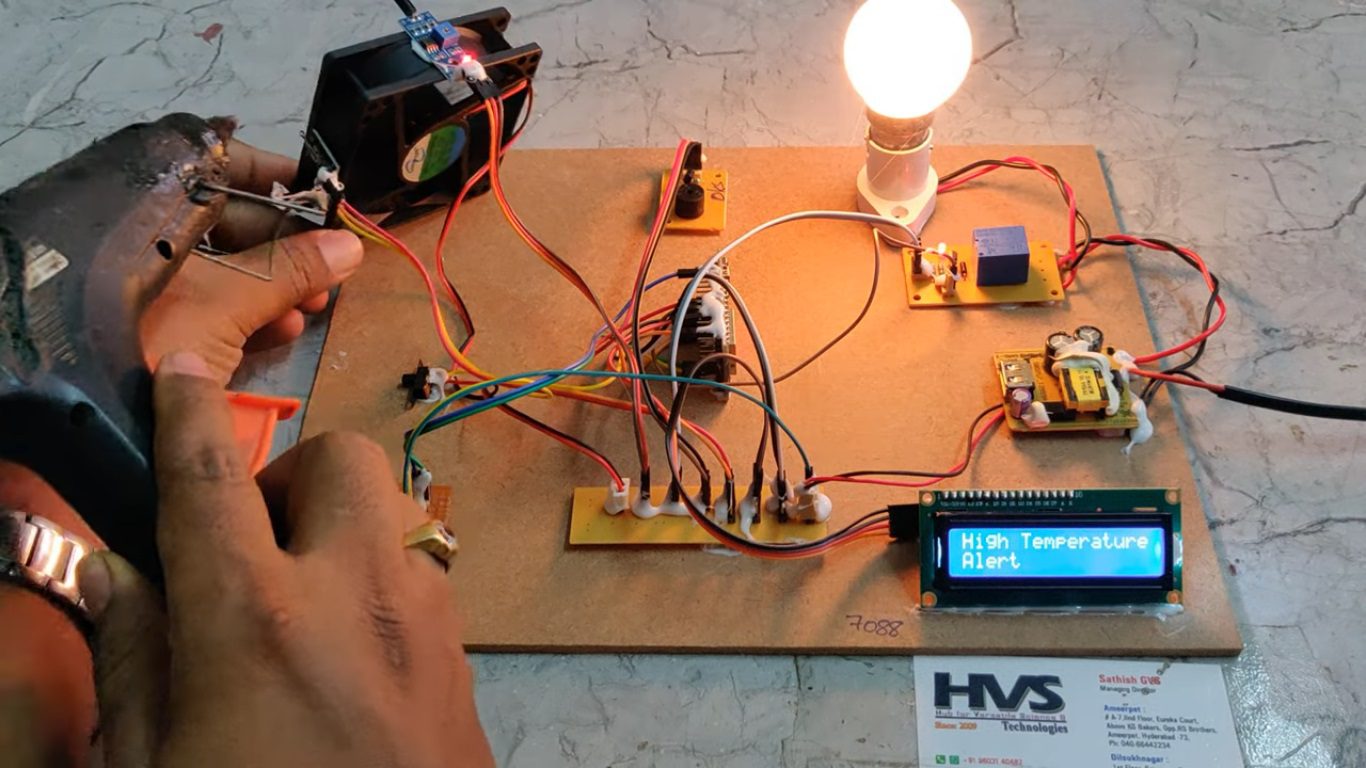
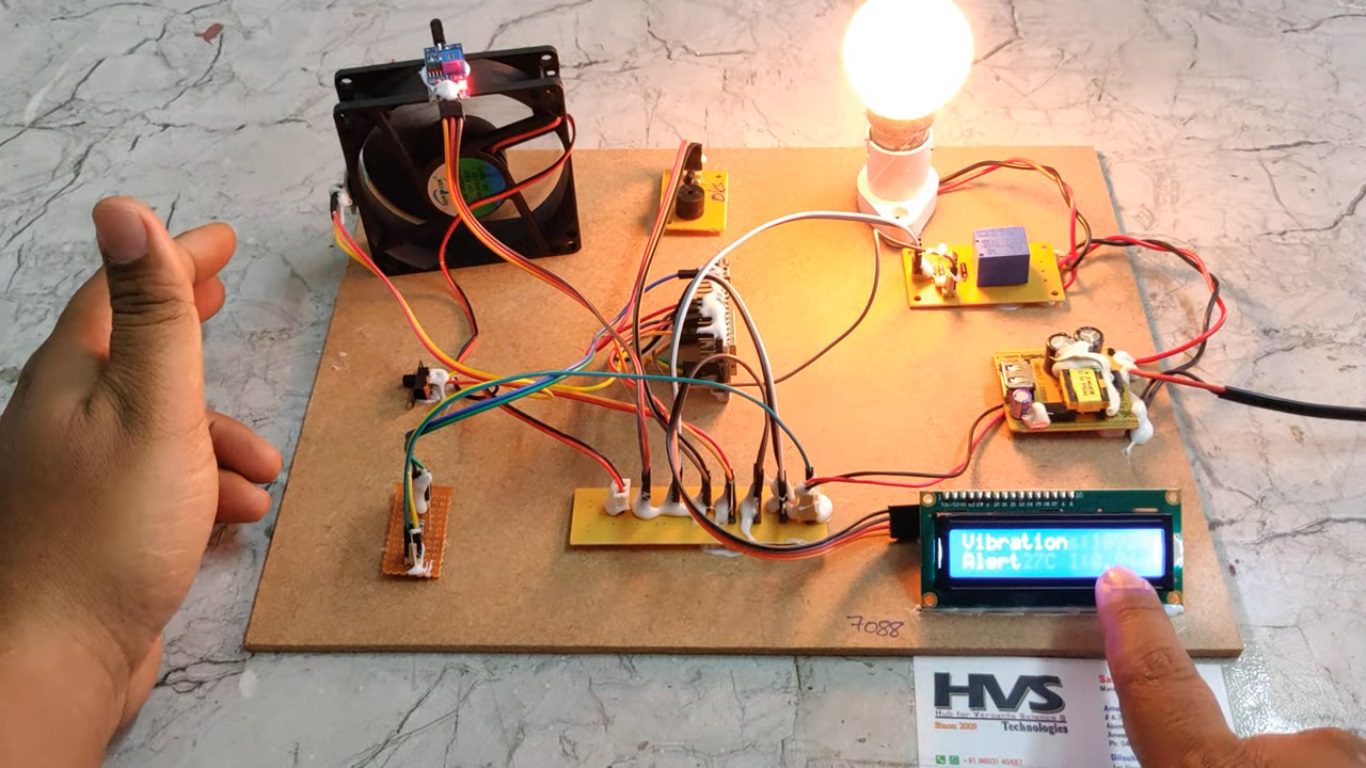
This project implements a Condition-Based Monitoring and Maintenance System using ESP32 to ensure efficient operation and early fault detection in electrical and mechanical systems. The system continuously monitors key parameters such as temperature, vibration, and current using appropriate sensors. Under normal conditions, a fan remains operational to maintain airflow. However, when an abnormal condition is detected—such as excessive temperature, unusual vibrations, or abnormal current levels—the system triggers a buzzer and a bulb as alert mechanisms. Additionally, the status of the system, including normal and abnormal conditions, is displayed on an LCD screen for real-time monitoring.
The ESP32 serves as the central controller, processing sensor data and making real-time decisions. A relay module is used to control the buzzer and bulb, providing an immediate response to critical conditions. This system enhances predictive maintenance strategies, reducing the risk of equipment failure, improving safety, and increasing operational efficiency.
Objectives:
 video:
Monitor Key Parameters – Continuously track temperature, vibration, and current using sensors.
Detect Abnormal Conditions – Identify deviations from normal operating conditions.
Automatic Alerts – Activate buzzer and bulb when an abnormal condition is detected.
Real-Time Display – Show system status on an LCD screen for easy monitoring.
Fan Control – Keep the fan running continuously to ensure proper ventilation.
Improve Maintenance – Enable early fault detection to prevent equipment failures.
Use ESP32 for Automation – Process sensor data and control outputs efficiently.
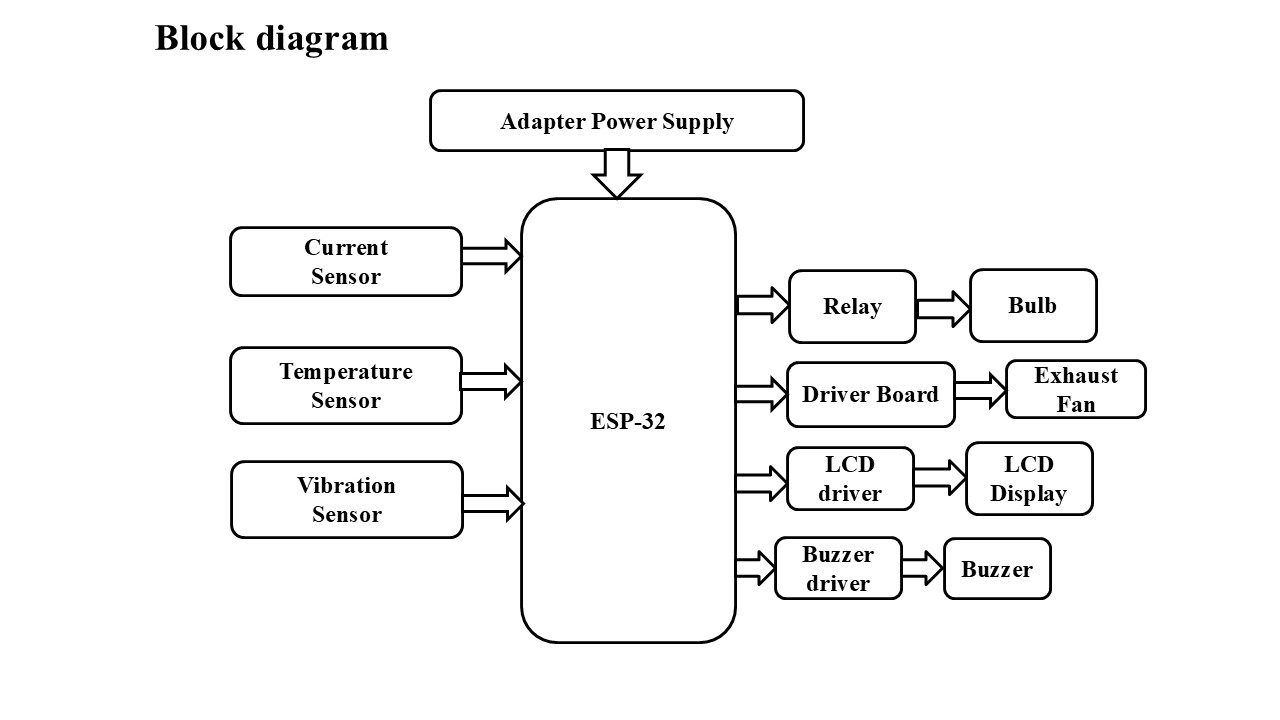
The major building blocks of this project are:- Power Supply.
- Esp-32.
- Temperature Sensor.
- Current Sensor.
- Vibration Sensor.
- Driver Board with Exhaust Fan.
- LCD Display.
- Relay With Bulb.
- Buzzer.
- Arduino IDE studio compiler.
- Express SCH for Circuit Design.
- Embedded C language.
 video: