No products in the cart.


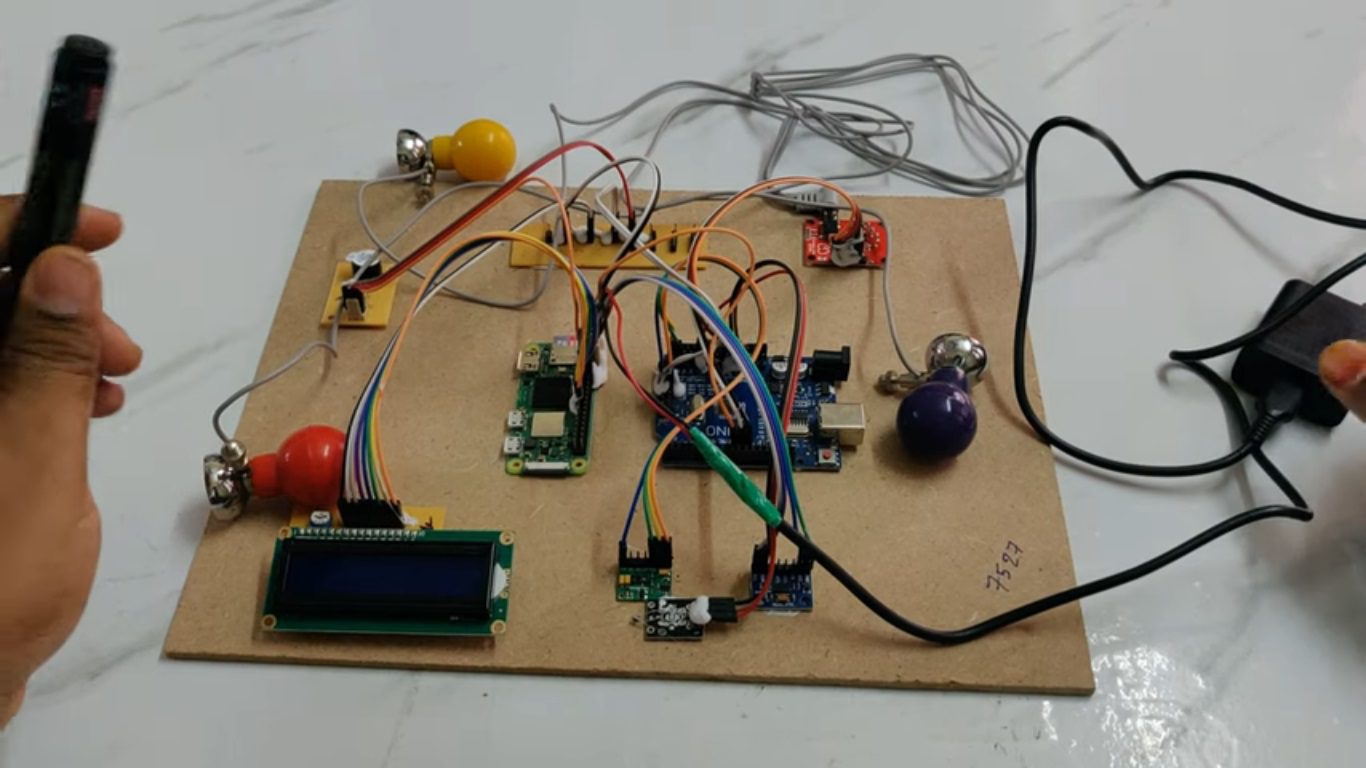
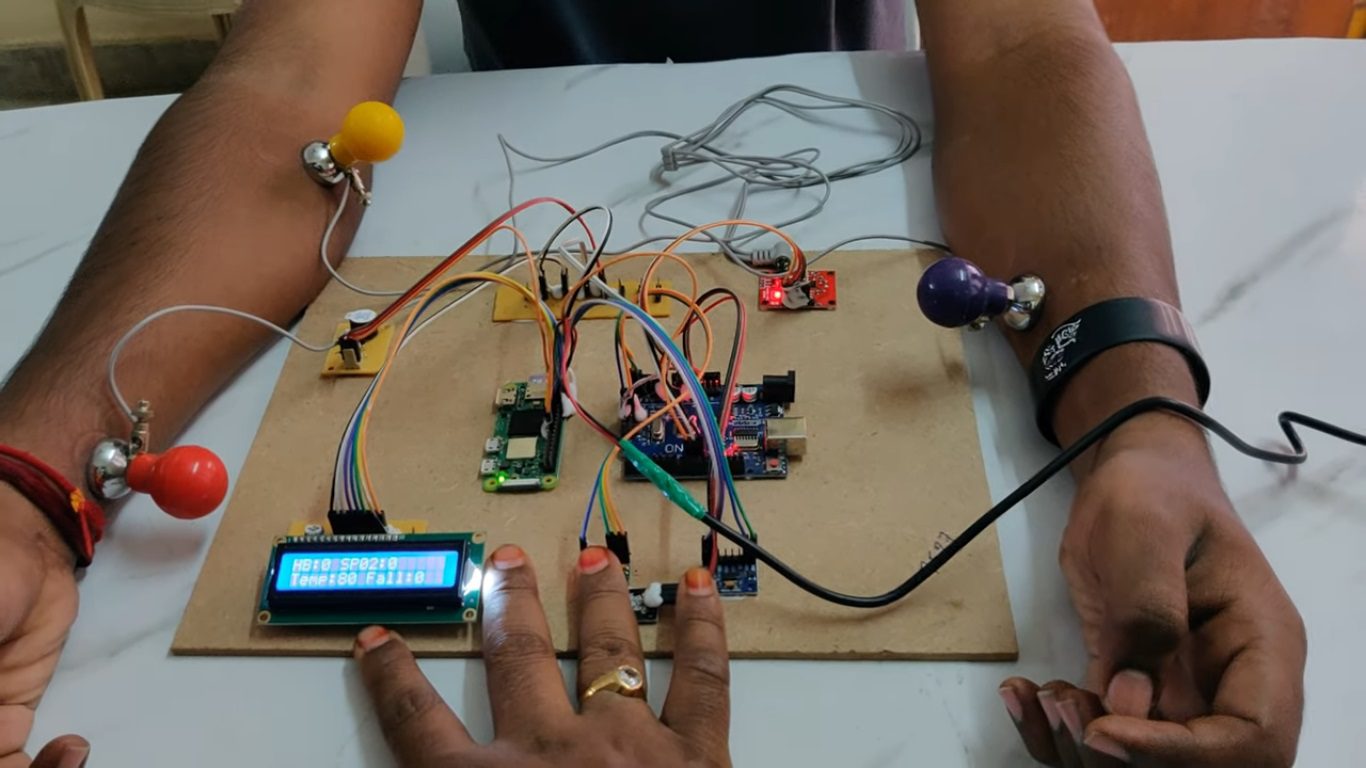
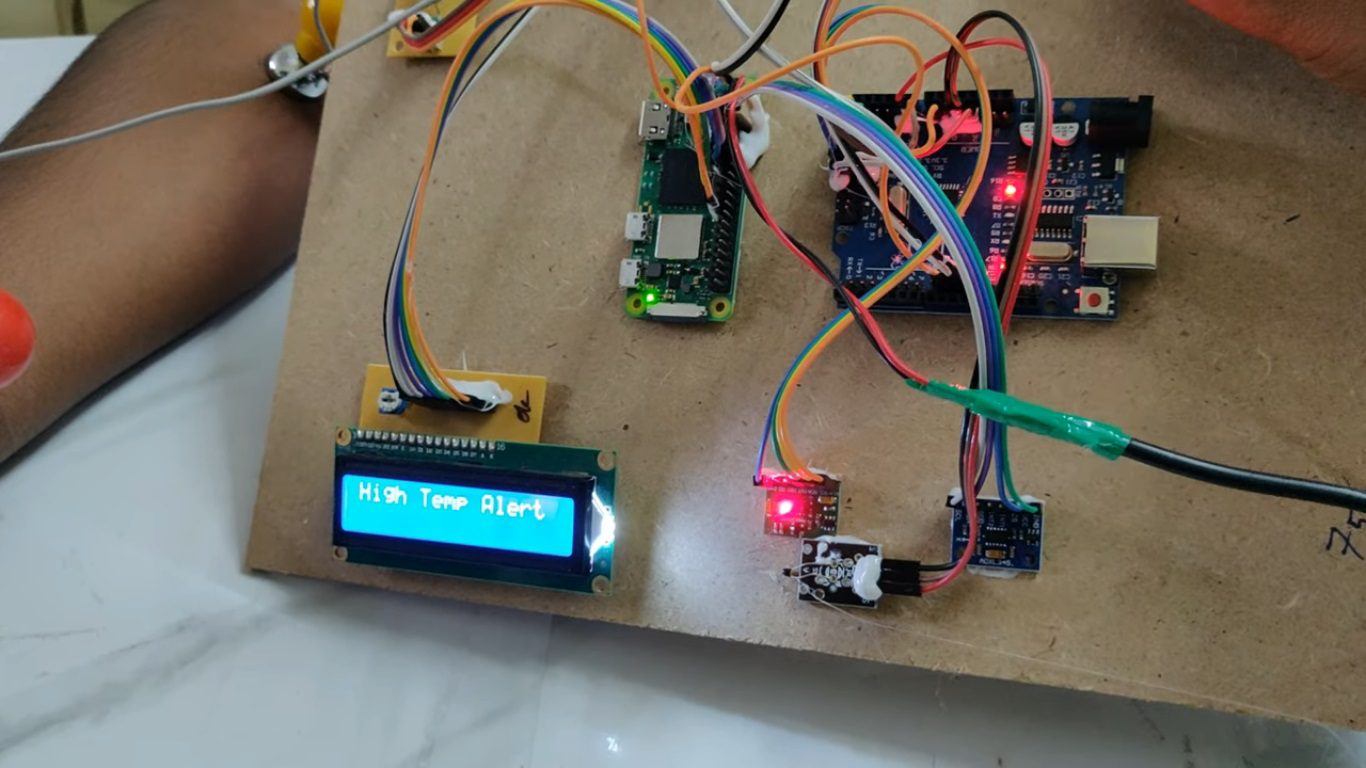
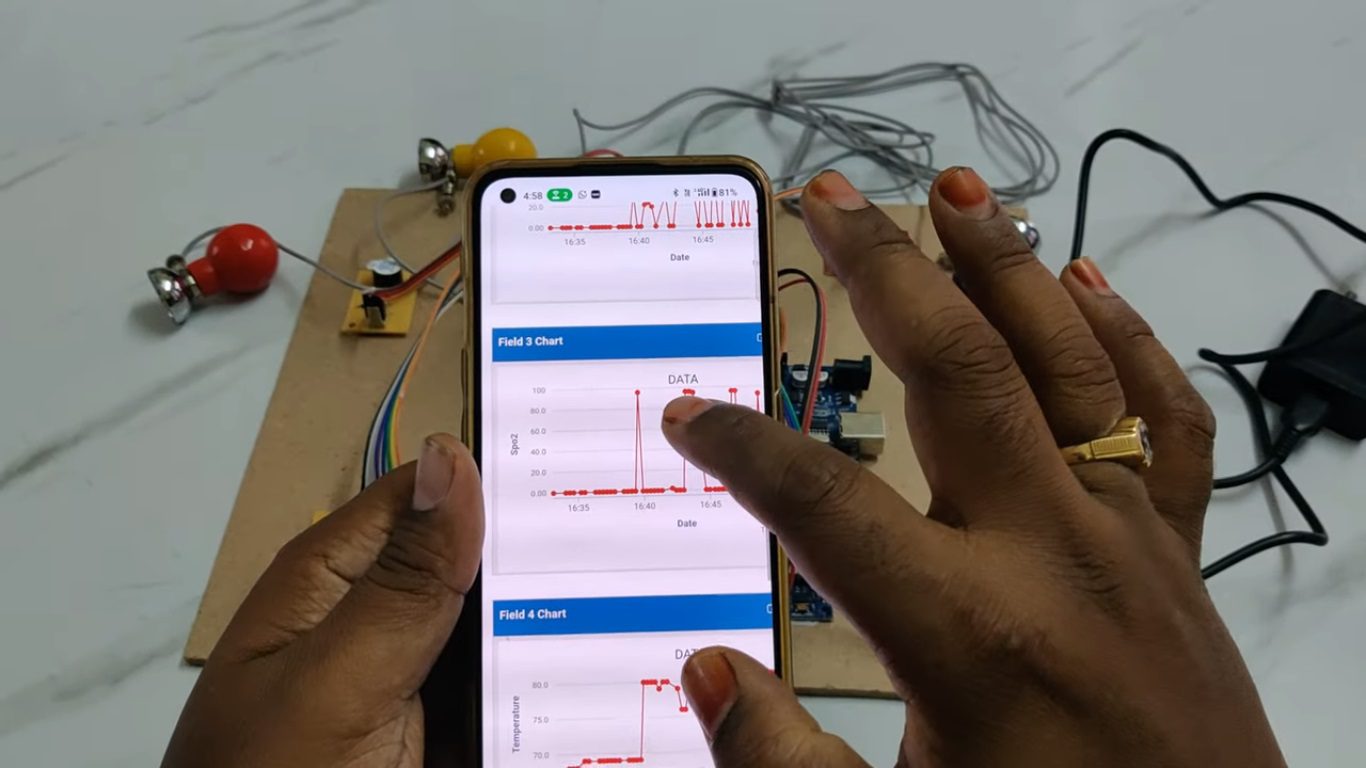
This project presents a compact and low-power arrhythmia detection system using Raspberry Pi Zero 2W and an embedded machine learning model based on lightweight Convolutional Neural Networks (CNN). ECG signals are acquired using AD8232 analog front-end module, which captures the heart’s electrical activity via surface electrodes. These signals are digitized through an analog-to-digital converter and sent to the Raspberry Pi for real-time analysis.
The Raspberry Pi Zero 2W runs a lightweight CNN model (SEmbedNet or LMUEBCNet) trained for ectopic beat classification using preprocessed ECG spectrograms generated via Continuous Wavelet Transform (CWT). The system classifies heartbeats into categories defined by the ANSI/AAMI EC57 standard, including normal and various arrhythmic conditions (N/S/V/F/Q). The classification result is displayed on an LCD, while the raw ECG signal and classification status are simultaneously visualized on a web dashboard via IoT (e.g., Flask, MQTT, or HTTP server).
The proposed system eliminates the need for cloud connectivity, offering real-time, on-device inference with low latency (~239 ms) and ultra-low power consumption (~0.4 W), making it ideal for wearable and portable health monitoring applications. This solution can effectively transform basic ECG monitors into intelligent diagnostic tools with arrhythmia classification capabilities.
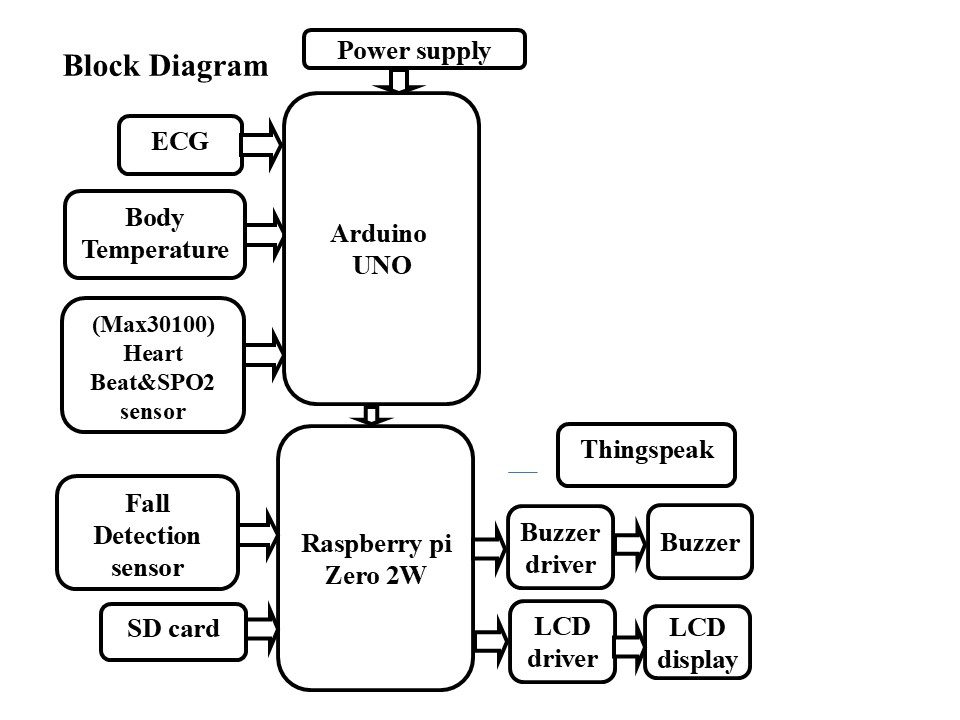
The Arduino UNO is used for monitoring critical health parameters, including ECG, body temperature, and heart rate using the MAX30100 sensor, which measures heart rate and temperature. The Arduino converts the analog sensor data into digital signals, which are then transmitted to the Raspberry Pi through serial communication for further processing.
Additional components include a fall detection sensor to monitor and detect any falls, triggering an emergency alert if necessary. The LCD display provides users with real-time feedback on their health metrics, while the Buzzer alerts users to any abnormal health conditions or emergencies, ensuring immediate attention. An SD card is integrated into the system to store sensor data securely, allowing for later retrieval and analysis. This IoT Thingspeak cloud-based health system combines continuous monitoring, predictive analytics, and emergency prediction to offer timely interventions and improve overall patient care.
The main objectives of the project are:
 video:
- Develop a compact and low-power arrhythmia detection system using Raspberry Pi Zero 2W and lightweight CNN models (SEmbedNet or LMUEBCNet) for real-time classification of ECG signals.
- Acquire and process multi-parameter health data (ECG, body temperature, heart rate, and SpO₂) through Arduino Uno and additional sensors, ensuring accurate digitization and reliable transmission to the Raspberry Pi for analysis.
- Enable on-device machine learning inference without cloud dependency, ensuring low-latency (~239 ms), ultra-low power consumption (~0.4 W), and suitability for wearable/portable health monitoring devices.
- Integrate IoT and user interface components such as ThingSpeak/cloud dashboards, LCD display, buzzer alerts, and SD card storage to provide real-time visualization, emergency alerts, and secure data logging.
- Enhance patient safety and care through continuous health monitoring, arrhythmia classification, fall detection, and predictive analytics for timely intervention and emergency response.
- Power Supply.
- Raspberry pi zero 2W.
- Arduino UNO.
- DS18B20 Temperature sensor.
- MAX30100(heartbeat&spo2) sensor.
- AD8232 ECG sensor.
- Fall detection sensor.
- LCD display.
- Buzzer.
- SD card.
- Python programming.
- Express SCH for Circuit design.
- Raspbian OS.
 video: