No products in the cart.


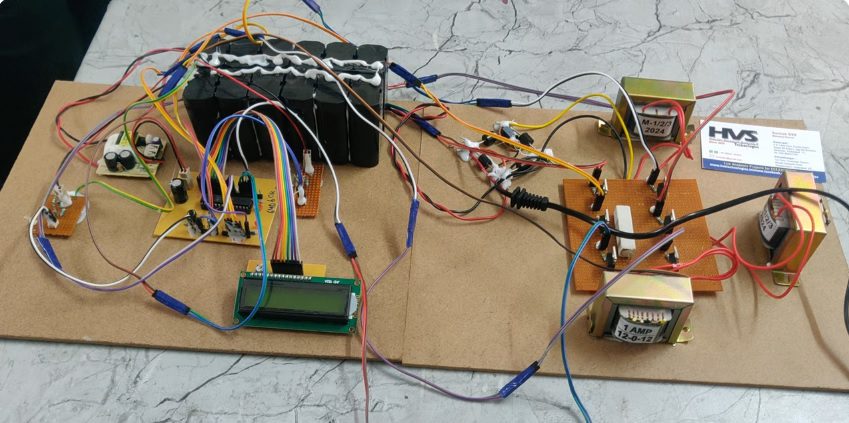
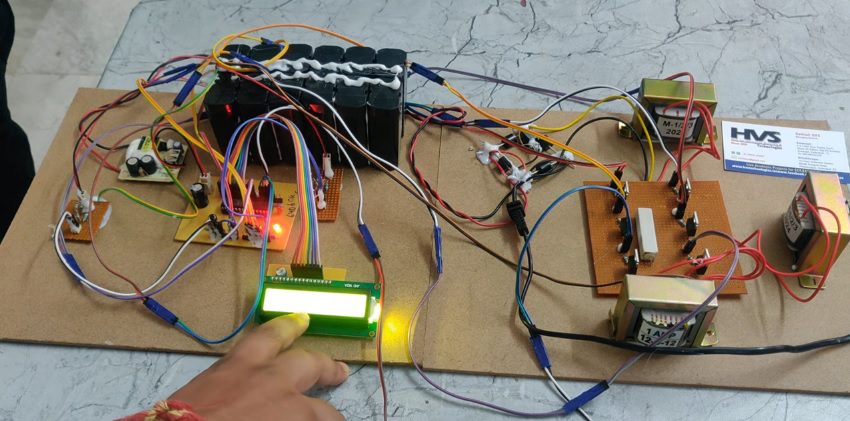
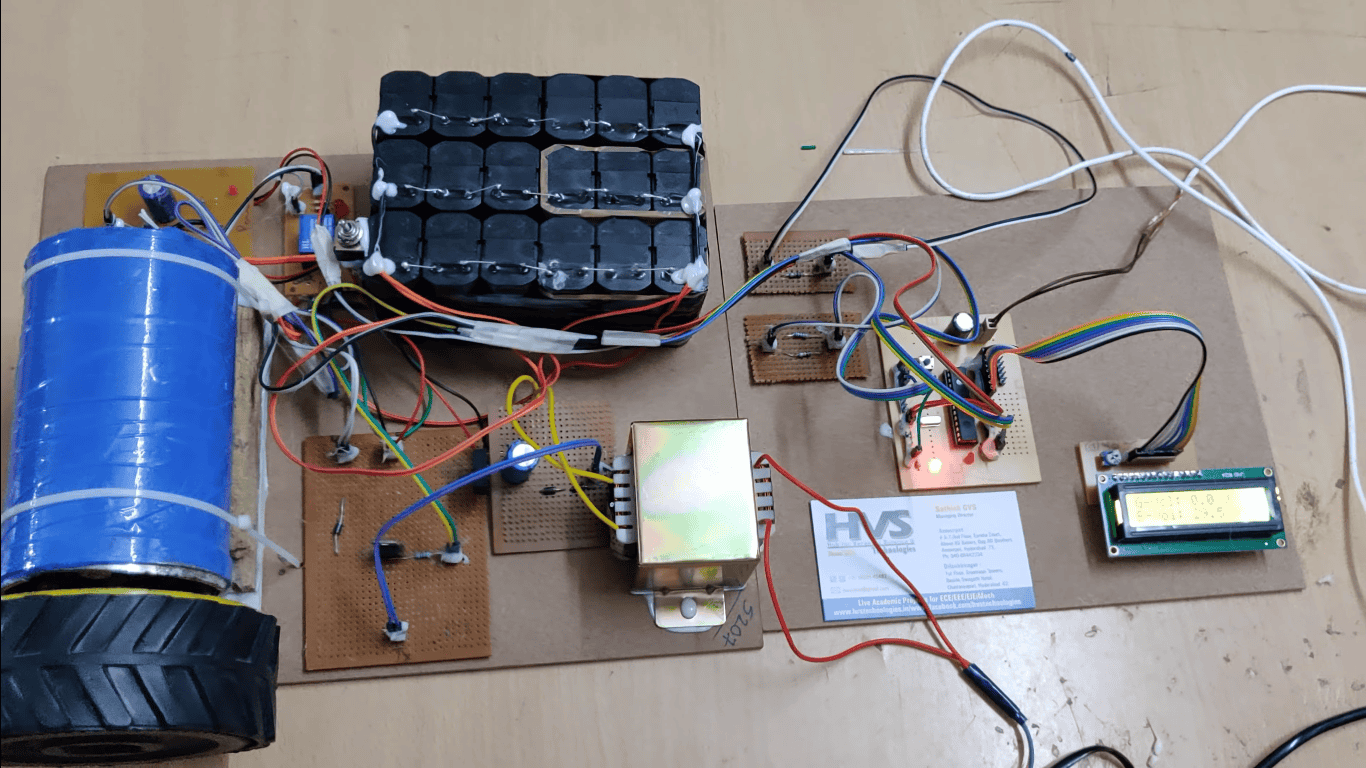
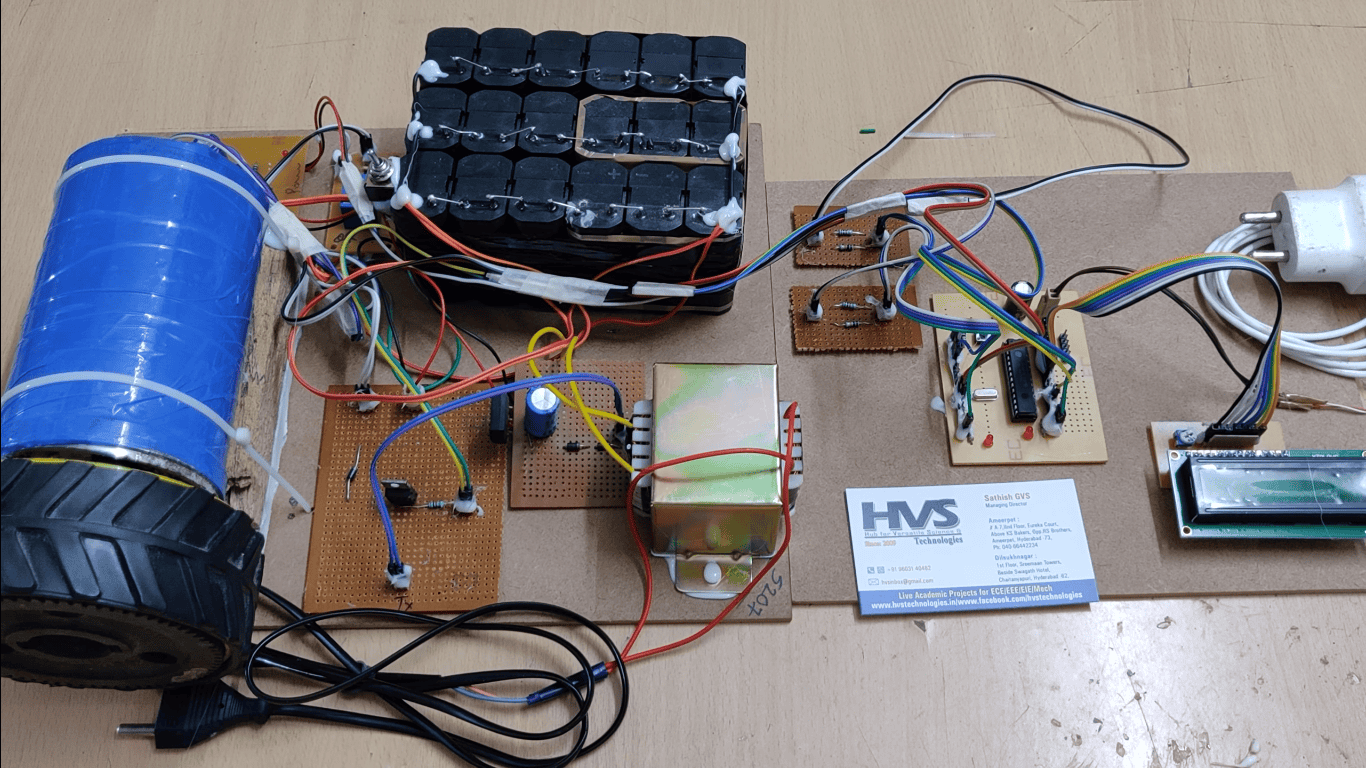
Vienna rectifiers have gained popularity in recent years for AC to DC power conversion for many industrial applications such as welding power supplies, data centers, telecommunication power sources, aircraft systems, and electric vehicle charging stations. The advantages of this converter are low total harmonic distortion (THD), high power density, and high efficiency. Due to the inherent current control loop in the voltage-oriented control strategy proposed in this paper, good steady-state performance and fast transient response can be ensured. The proposed voltage-oriented control of the Vienna rectifier with a PI controller (VOC-VR) has been simulated using MATLAB/Simulink. The simulations indicate that the input current THD of the proposed VOC-VR system was below 3.27% for 650V and 90A output, which is less than 5% to satisfy the IEEE-519 standard. Experimental results from a scaled-down prototype showed that the THD remains below 5% for a wide range of input voltage, output voltage, and loading conditions (up to 2 kW). The results prove that the proposed rectifier system can be applied for high power applications such as DC fast-charging stations and welding power sources.
Objectives:
 video:
Enhanced Power Quality: Reduce harmonics and maintain stable power supply.
Efficient Power Conversion: Improve AC-to-DC conversion efficiency and reduce energy losses.
Fast Charging: Provide stable DC power for fast and safe EV charging.
Grid Integration: Support bidirectional power flow for G2V and V2G applications.
Voltage Regulation: Maintain a constant and stable output voltage.
Fault Protection: Protect the system against short circuits and voltage variations.
Scalability: Support different EV charging power requirements.
Standards Compliance: Ensure safe and reliable system operation.
Cost-effectiveness: Reduce system cost and improve efficiency.
Environmental Sustainability: Reduce emissions by promoting electric vehicles and clean energy.
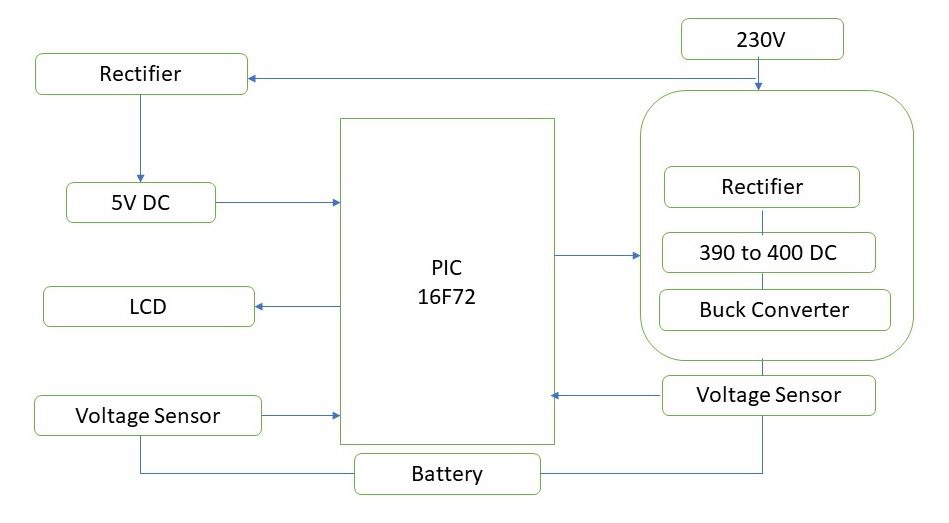
The major building blocks of the project are:- Pic 16F72
- Battery
- Buck Converter
- Voltage Sensors
- Vienna Rectifiers
- LCD Display.
- Express PCB compiler.
- PIC C Compiler
- Express SCH circuit diagram.
 video: