No products in the cart.


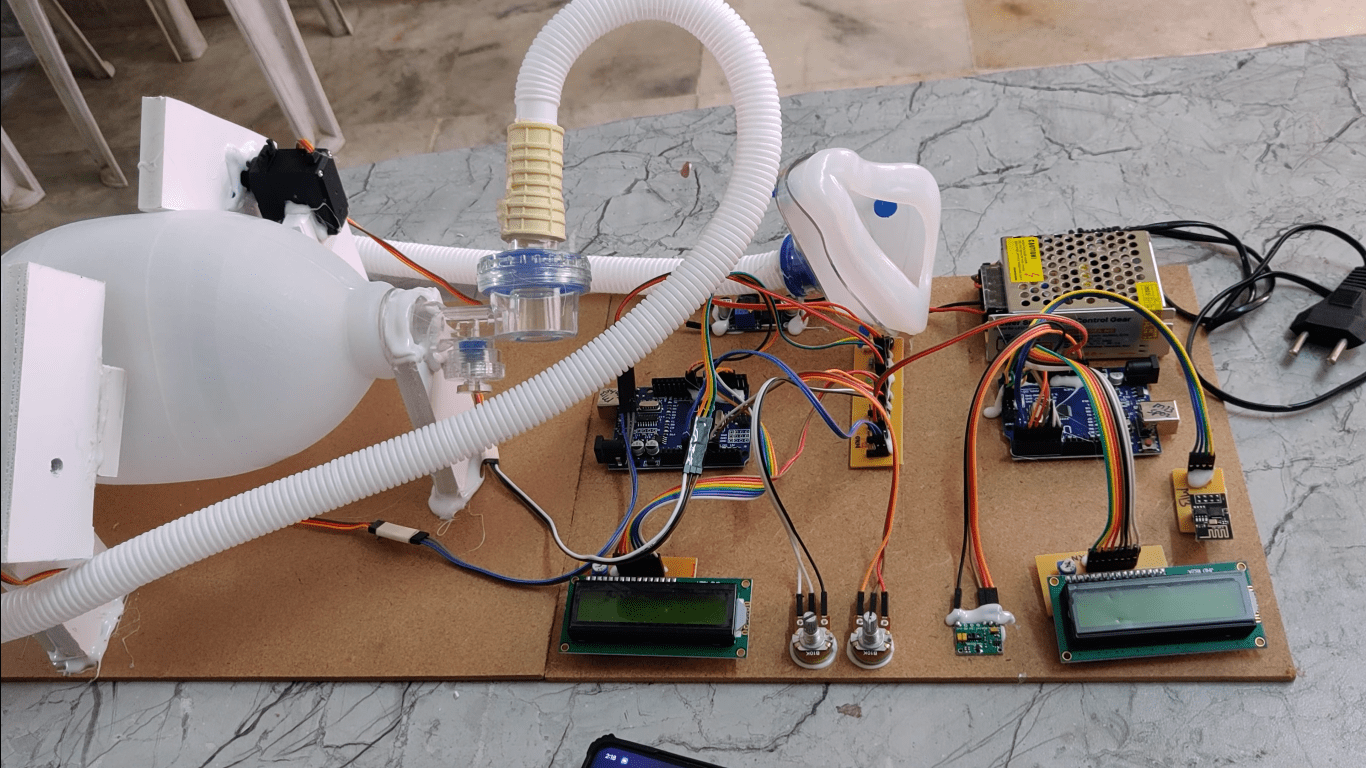
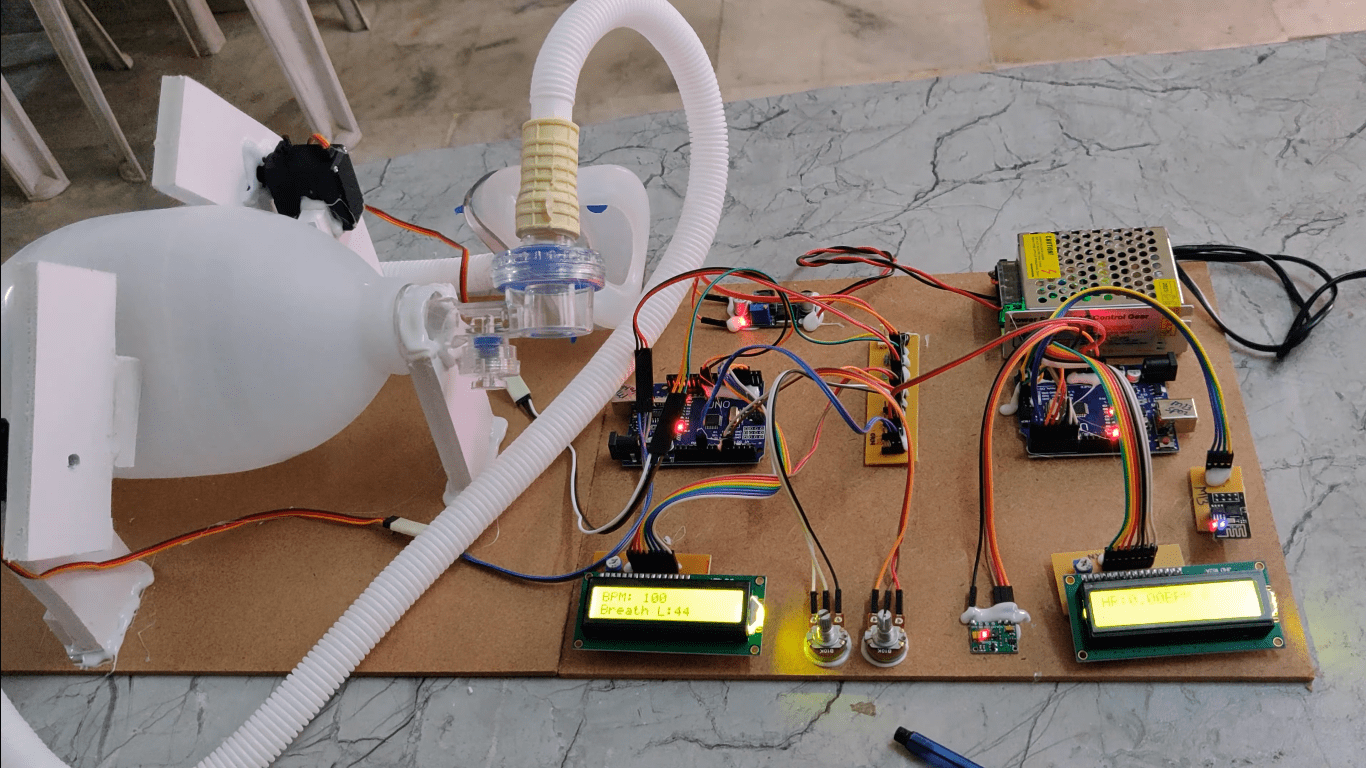
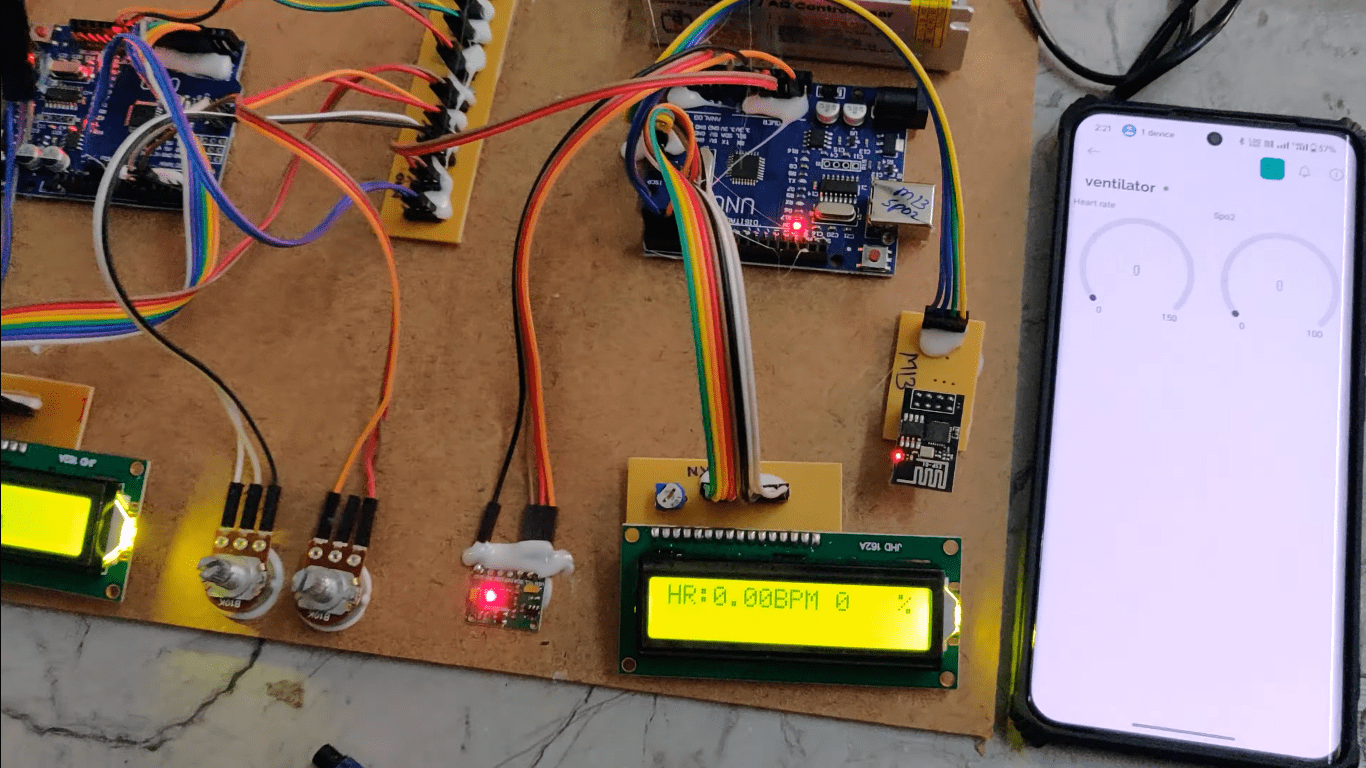
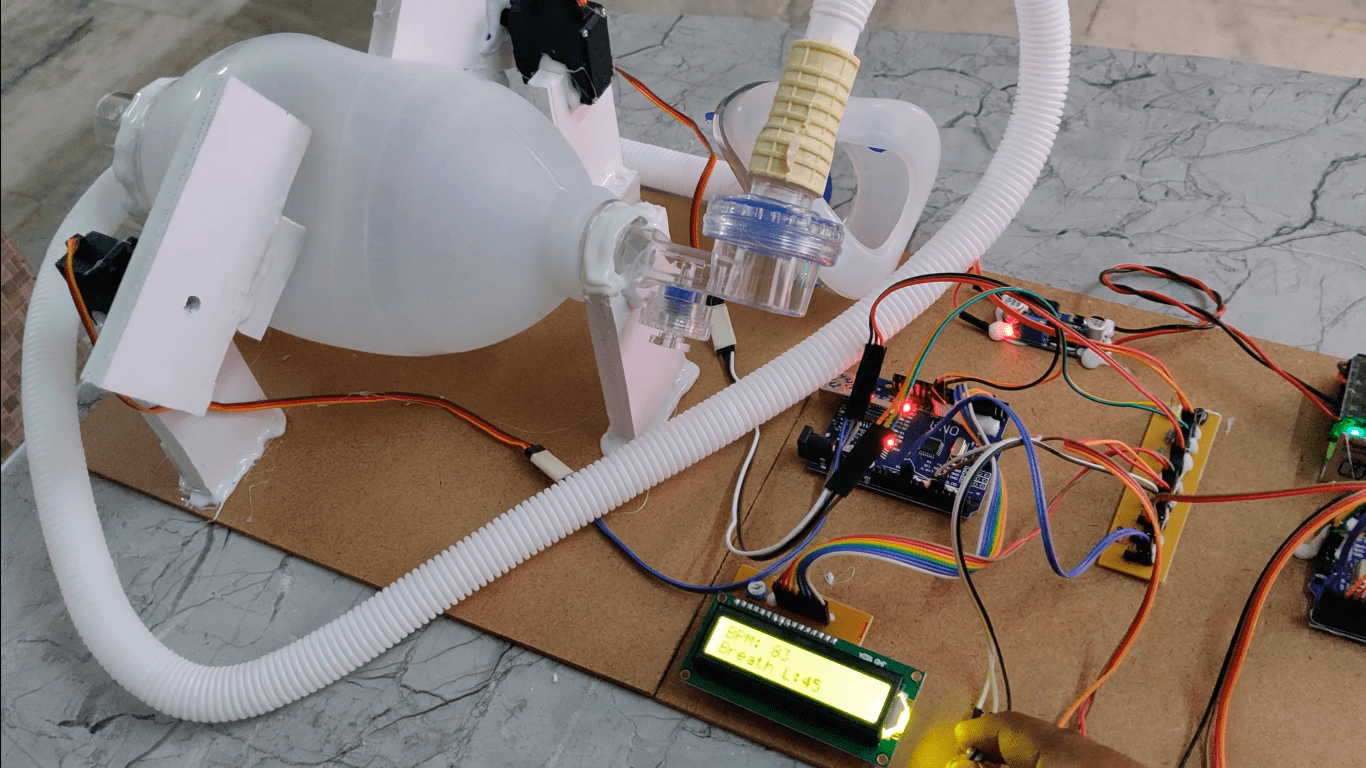
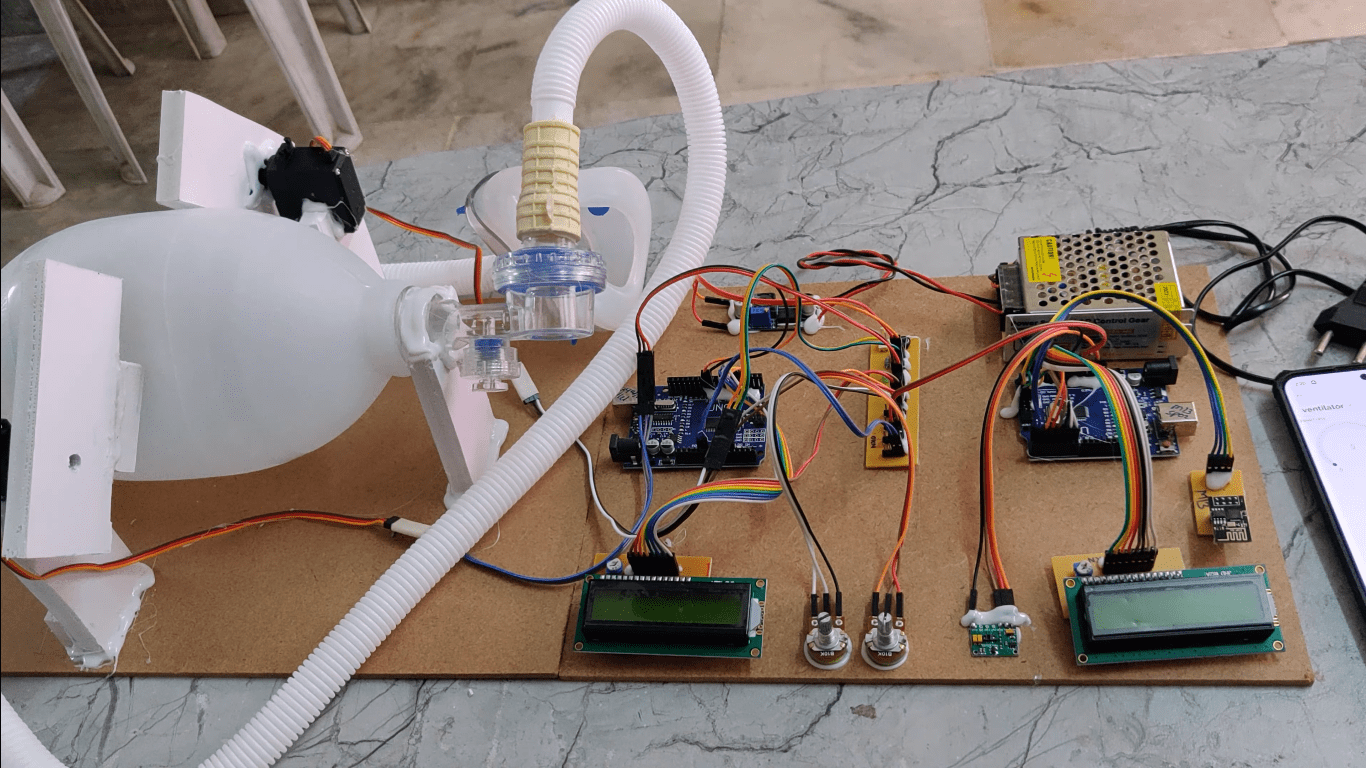
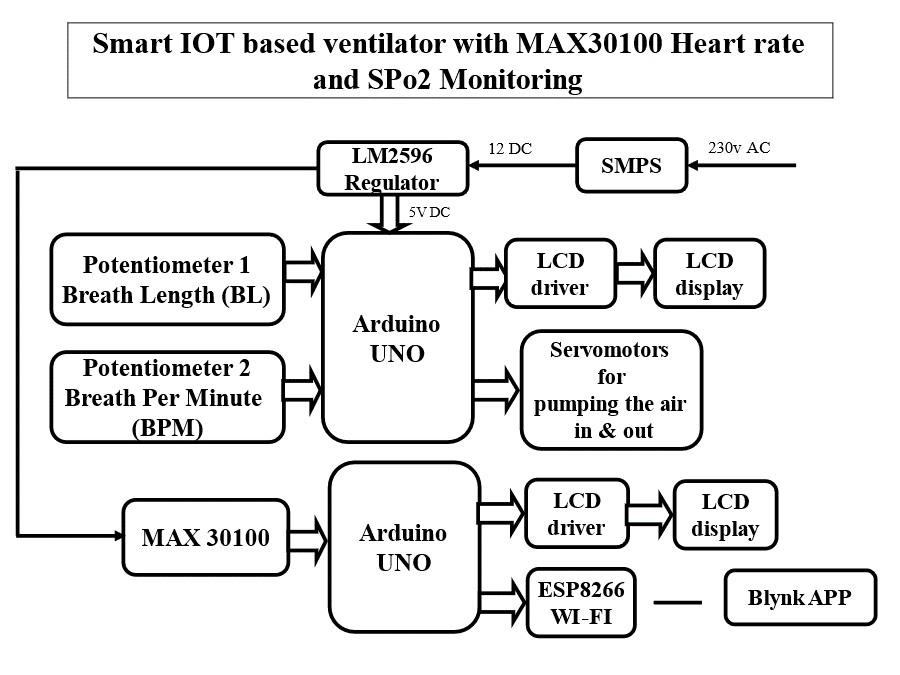
The project aims in designing a low-cost ventilator wherein we can manually set the value of breath length and breadth per minute values through potentiometers, depending on which the servomotors interfaced are used for inhale and exhale operation of air.
There is an increase in air pollution which resulting in various respiratory diseases. Some of the respiratory disease’s patients require the instant support of ventilator and also there has been a drastic increase in the number of patients struck by COVID-19 pandemic in the hospitals and ICUs worldwide. However, sufficient ventilators are not available in the hospitals at present. An influential report from Imperial College London estimates that 30% of patients admitted in hospitals due to COVID-19 are expected to need the mechanical ventilation. According to the WHO, one in six COVID-19 patients has significant difficulty in breathing and may require ventilator support. However, the patients who require ventilator support have low survival rates of 20% because many of these infected patients (40%) develop acute respiratory distress syndrome (ARDS), which has a high mortality.
A servo motor is a type of motor that can rotate with great precision. Normally this type of motor consists of a control circuit that provides feedback on the current position of the motor shaft, this feedback allows the servo motors to rotate with great precision. If you want to rotate an object at some specific angles or distance, then you use a servo motor. It is just made up of a simple motor which runs through a servo mechanism.
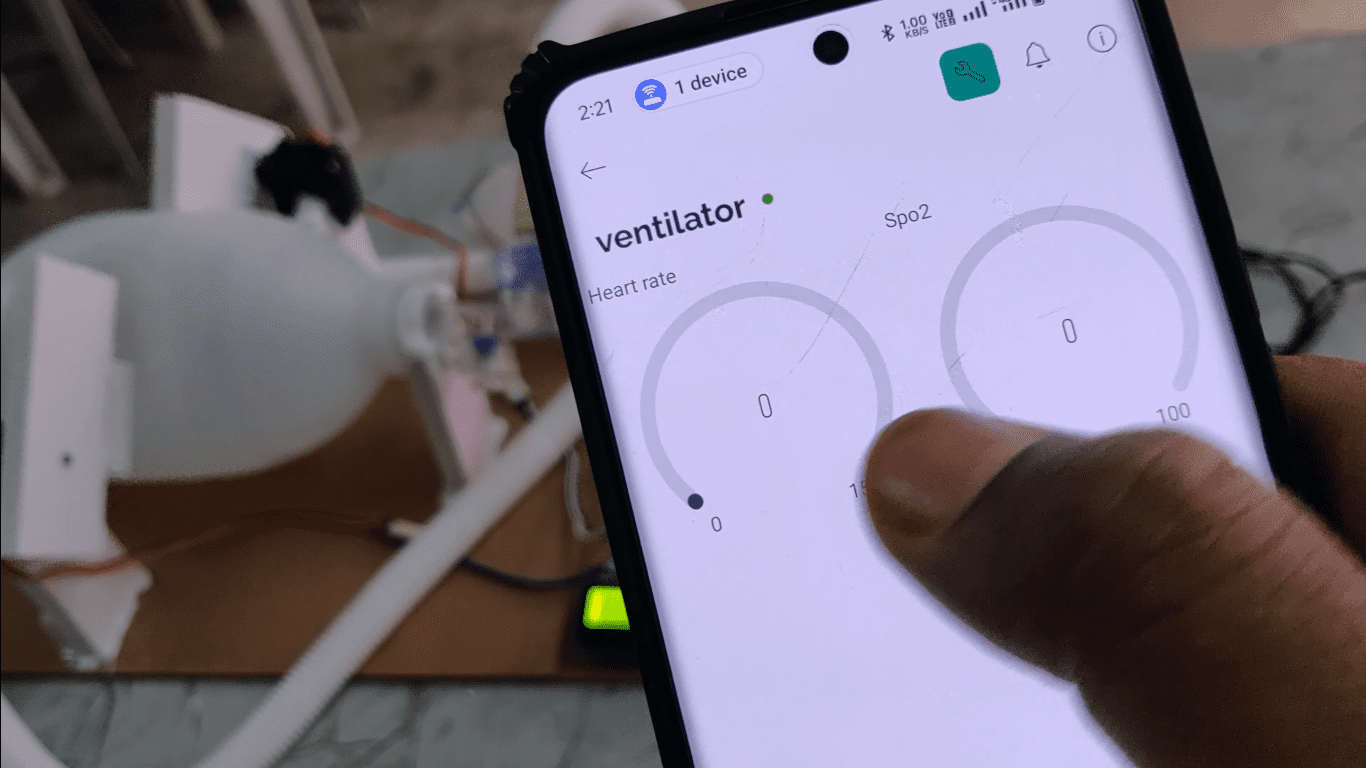
The controlling device of the whole system is Arduino. There are two Arduino microcontrollers here. In the first section as mentioned below, the Arduino is used to read MAX30100 sensor (heartbeat and spo2) data of the patient will be display on LCD and will be upload into the blynk app through esp8266 wi-fi module. In the second section, the Arduino reads the values from both the Potentiometer values i.e., breath length and breath per minute(BPM). Servomotors are controlled accordingly depending on those values thereby implementing the inhale and exhale operation of air. The Arduino is programmed using Embedded C language.
The main objectives of the project are:
 Block diagram:
video:
Block diagram:
video:
- Designing a system for patients of respiratory problems.
- Controlling of servomotor as required.
- IoT Based wireless monitoring of heart beat and spo2 into the blynk APP.
- Monitoring heartbeat, spo2, BPM and Breath length on LCD.
- Setting the values using Potentiometer.
- Servo Motors operation.
- Conversion of AC supply to DC supply.
- Interfacing of servomotors to Arduino.
- Operation of MAX 30100.
- Working about IOT technology.
- Embedded C programming.
- PCB design.
- SMPS.
- Lm2596 buck converter.
- Two Arduino UNO Boards.
- Two Servo Motors.
- MAX 30100.
- Two Potentiometer.
- Two LCD displays.
- ESP8266 WI-FI module.
- Arduino IDE studio compiler for dumping program.
- Express SCH for Circuit design.
- Blynk APP.
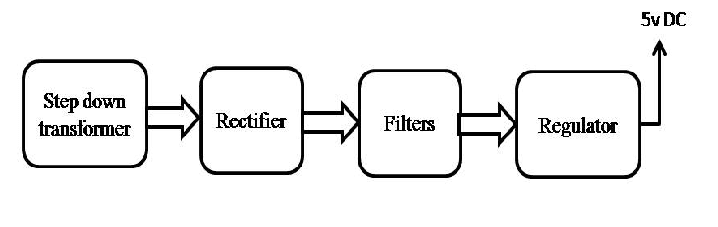 Block diagram:
 video: