No products in the cart.


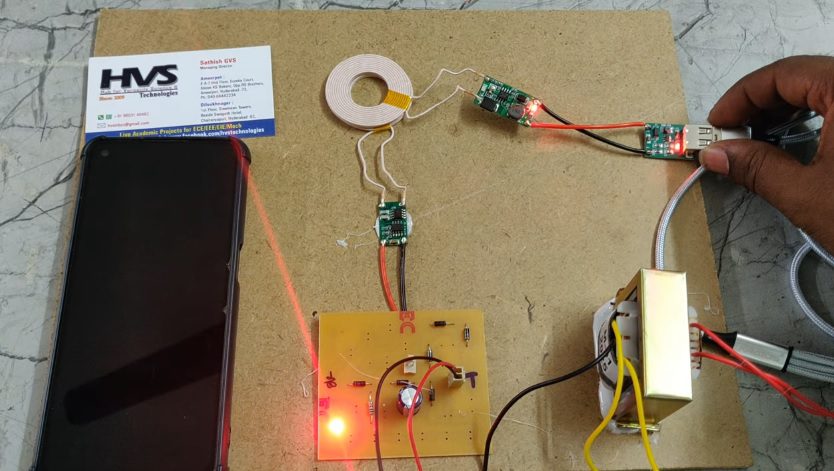
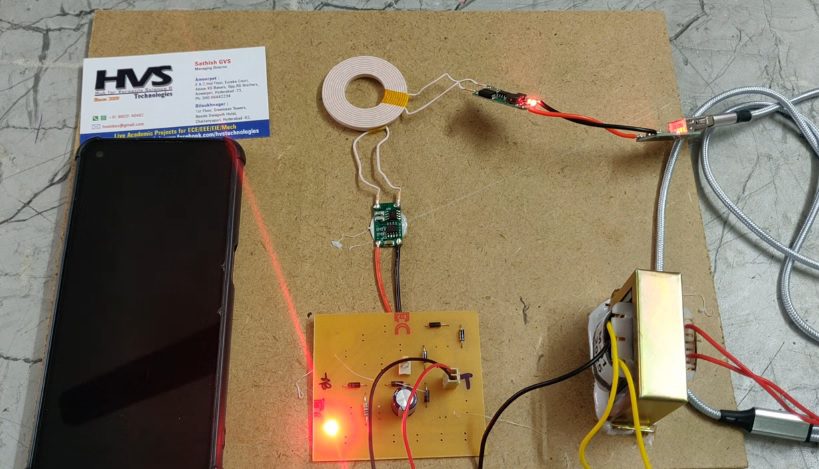
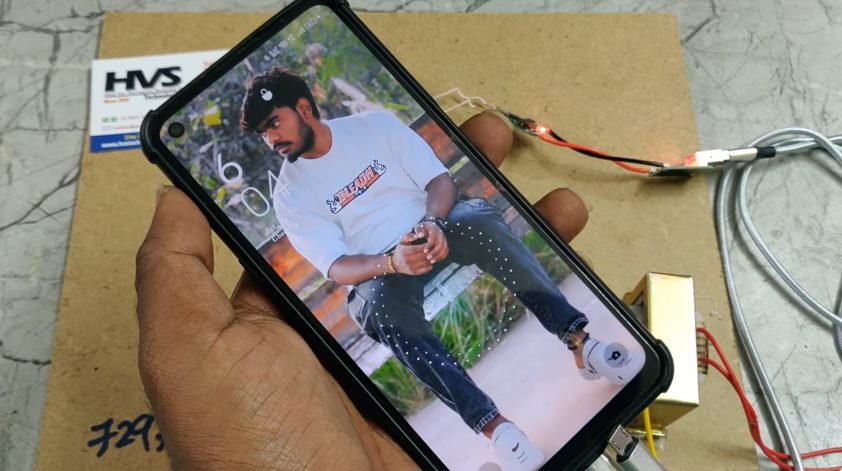
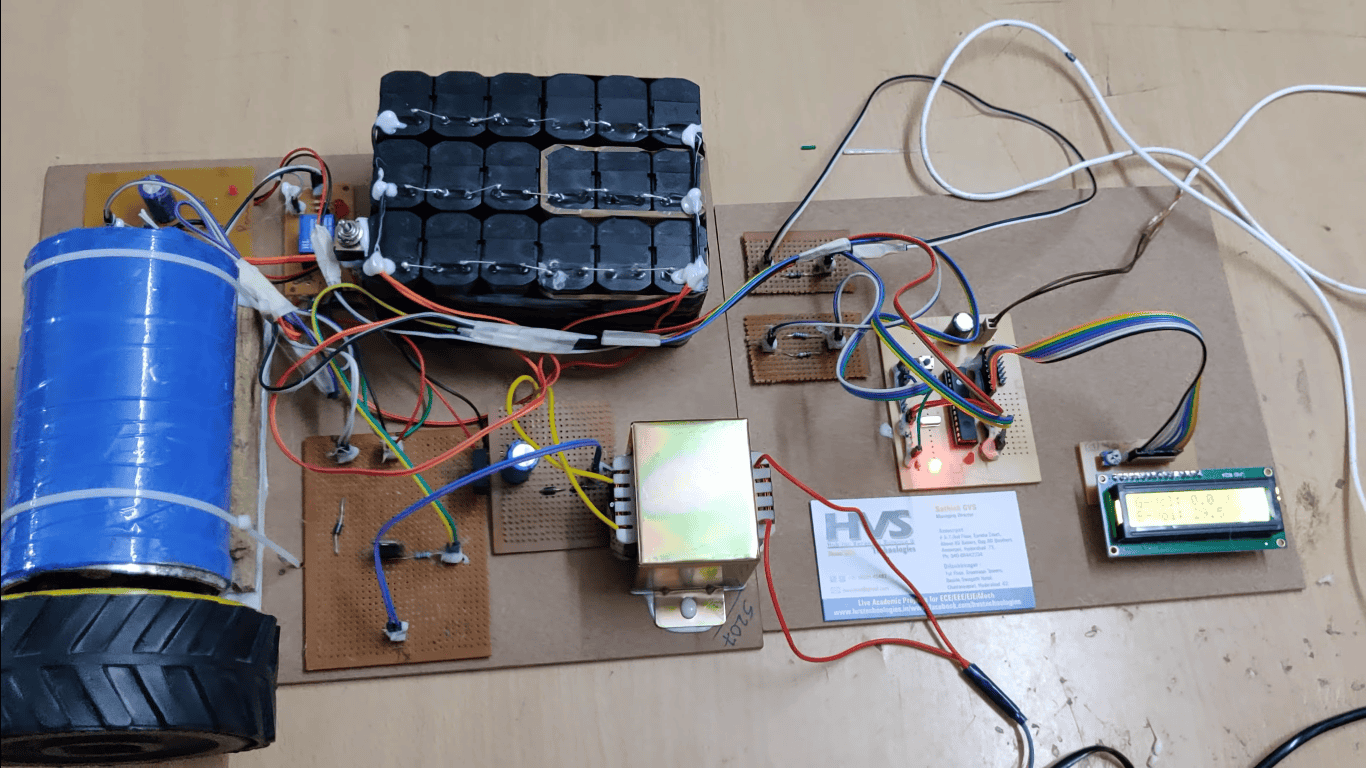
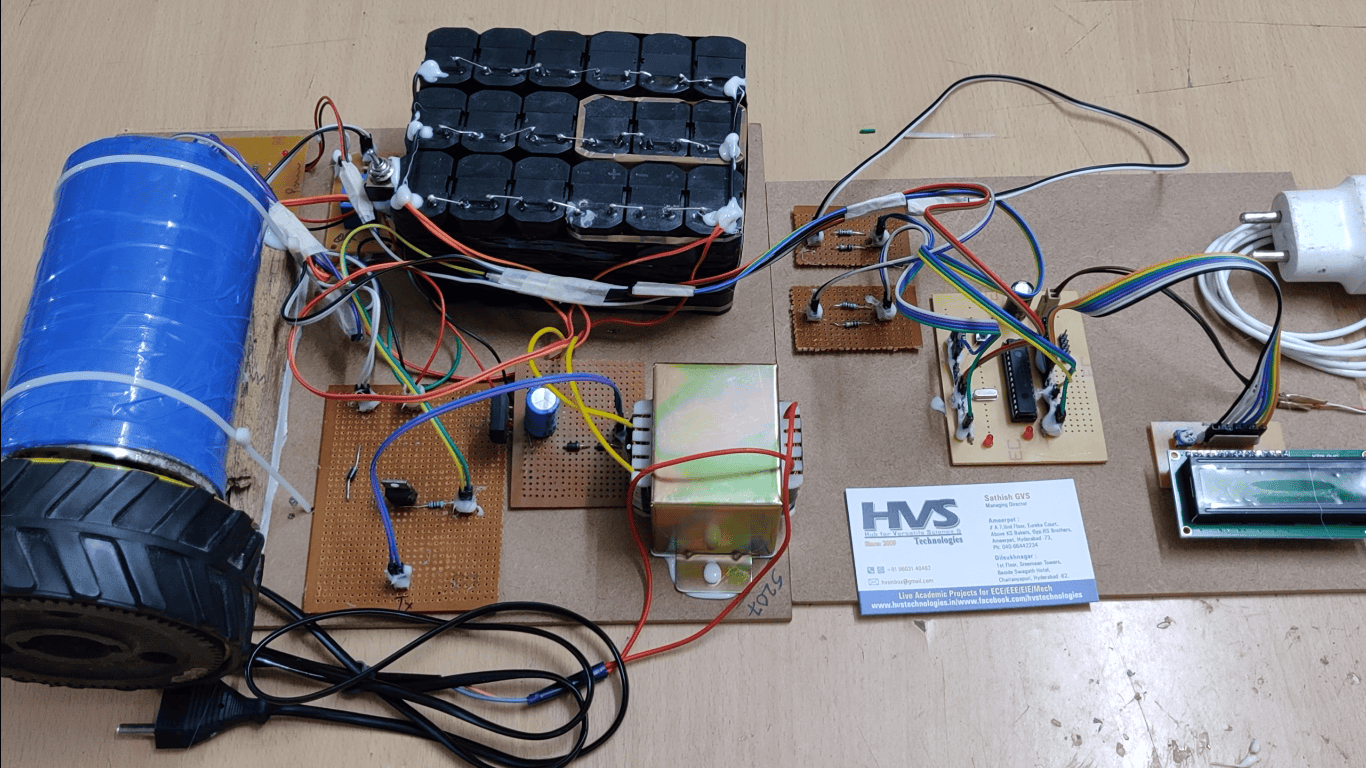
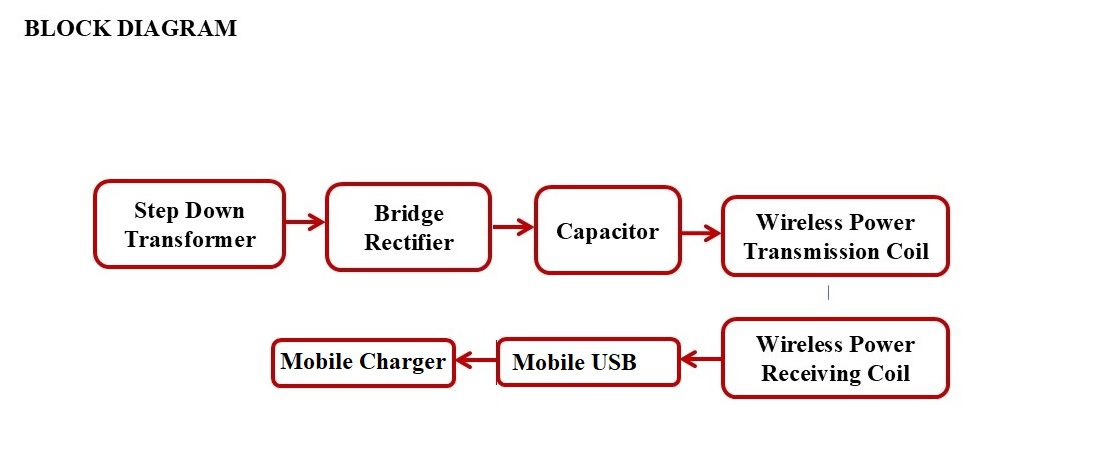
The project titled “Wireless Mobile Phone Charging Based on Wireless Power Transmission” is designed to charge mobile phones without using conventional charging cables. The system operates on the principle of electromagnetic induction, which enables electrical energy to be transferred from a transmitting coil to a receiving coil without a direct electrical connection. The proposed system consists of a step-down transformer, bridge rectifier, capacitor, wireless power transmission coil, wireless power receiving coil, mobile USB interface, and mobile charger. The step-down transformer reduces the input AC voltage to a suitable level, while the bridge rectifier converts AC into DC. The capacitor filters the rectified output to provide a smoother DC supply to the transmitting circuit. The transmitting coil generates a magnetic field, which transfers energy to the receiving coil through electromagnetic coupling. The received electrical energy is then supplied through the mobile USB interface to charge the mobile phone. This system reduces the need for physical charging cables, improves user convenience, and provides a simple and efficient approach to wireless charging. The proposed project can be used in homes, offices, public charging stations, and other electronic charging applications.
Features:
 video:
- Wireless Charging: Charges a mobile phone without requiring a direct wired connection between the power source and the receiving device.
- Electromagnetic Induction: Transfers electrical energy from the transmitting coil to the receiving coil through a magnetic field.
- AC-to-DC Conversion: Uses a bridge rectifier to convert the transformer output from AC to DC.
- Voltage Reduction: Uses a step-down transformer to reduce the input AC voltage to a suitable level.
- Voltage Filtering: Uses a capacitor to reduce ripples in the rectified DC output.
- Wireless Power Transmission: Transfers energy between the transmitting and receiving coils without physical electrical contacts.
- USB Charging Interface: Provides a USB connection to supply charging power to the mobile phone.
- Cable-Free Operation: Reduces dependence on conventional charging cables and connectors.
- User Convenience: Makes mobile charging easier by reducing cable handling and wear on charging connectors.
- Compact and Simple Design: Uses basic electronic components and coils to demonstrate wireless power transmission.
Step-Down Transformer
Bridge Rectifier
Capacitor
Wireless Power Transmitting Coil
Wireless Power Receiving Coil
Rectifier Circuit (Receiver Side)
Voltage Regulator / Charging Circuit
Mobile USB Connector
Mobile Phone
 video: