No products in the cart.


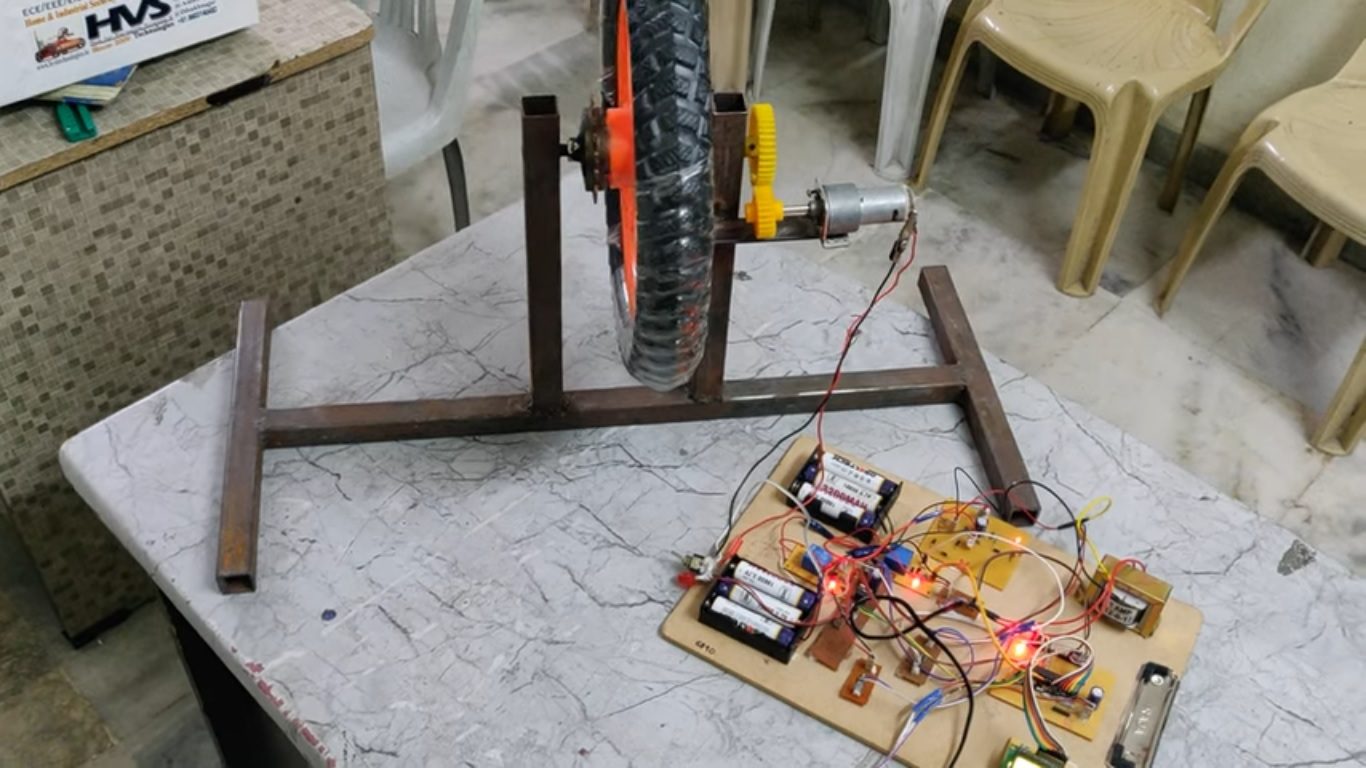
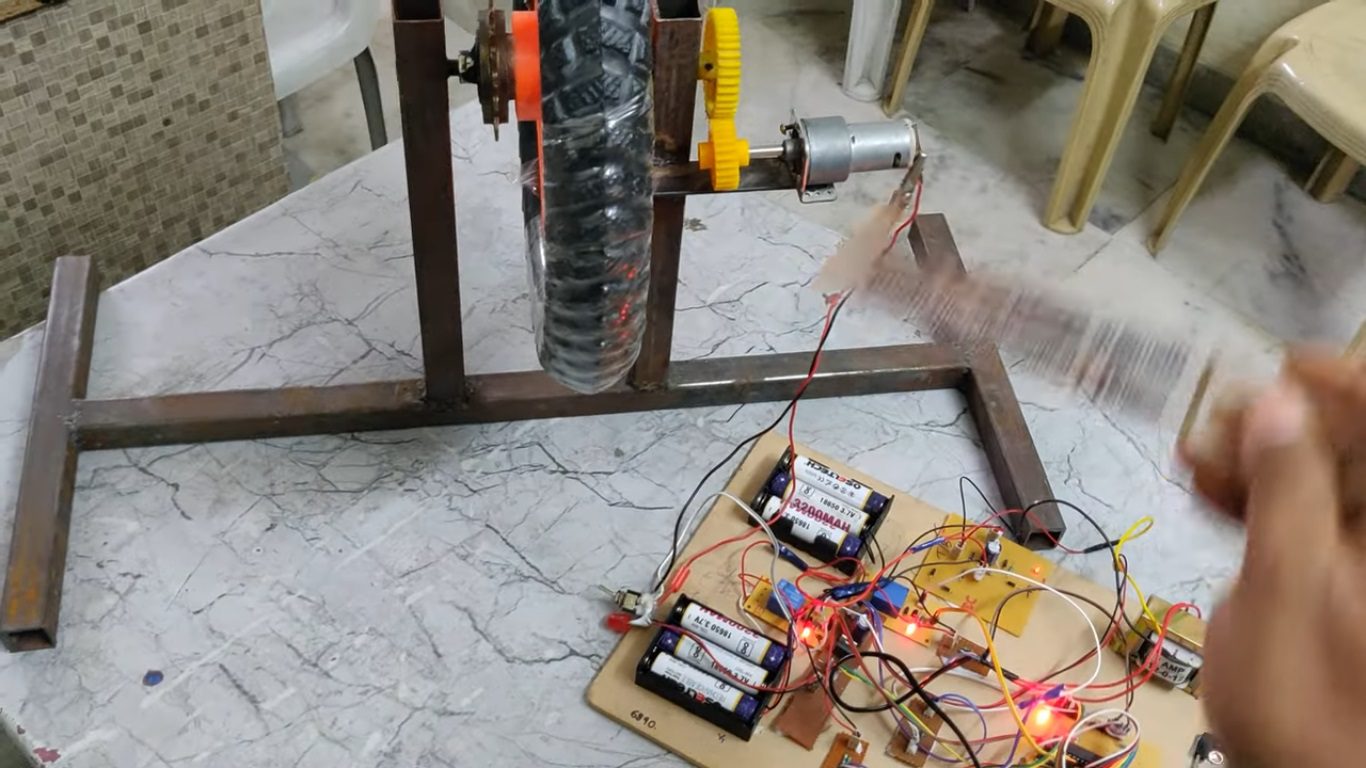
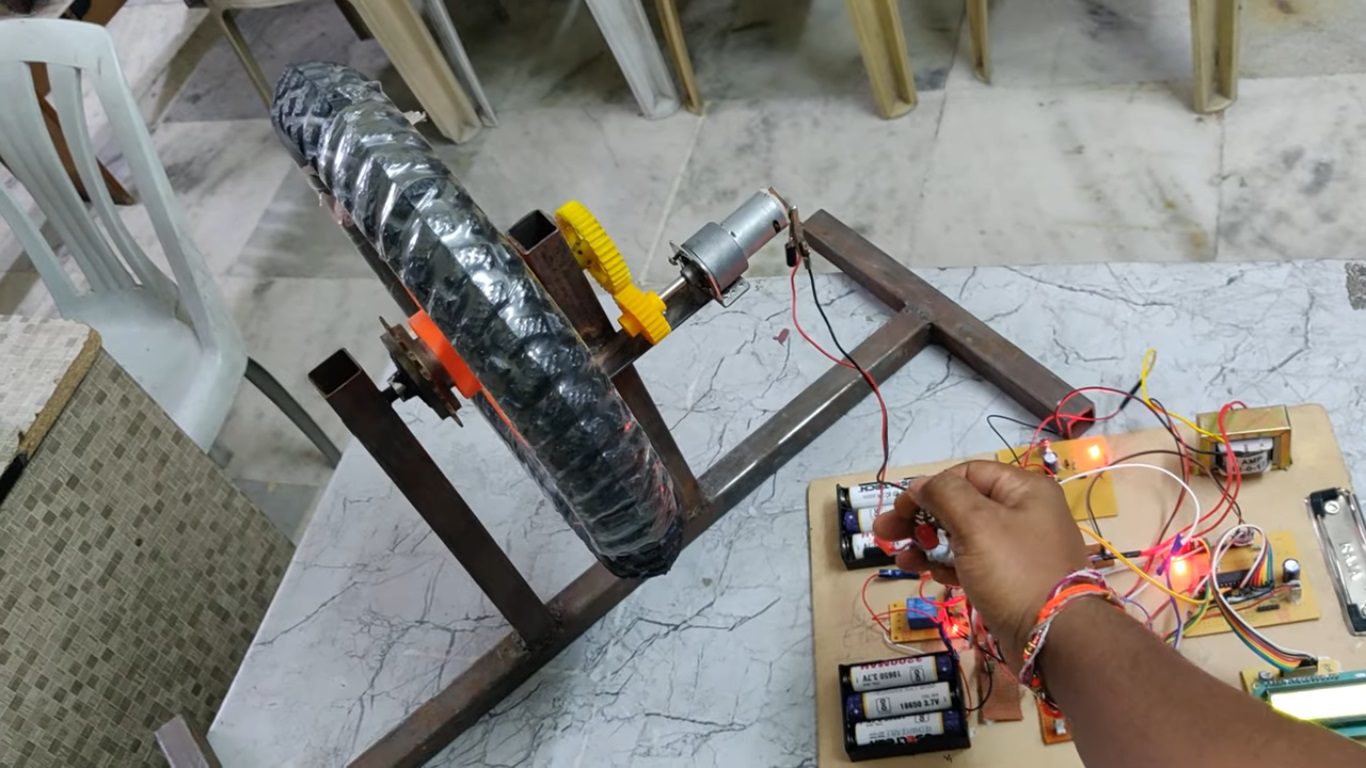
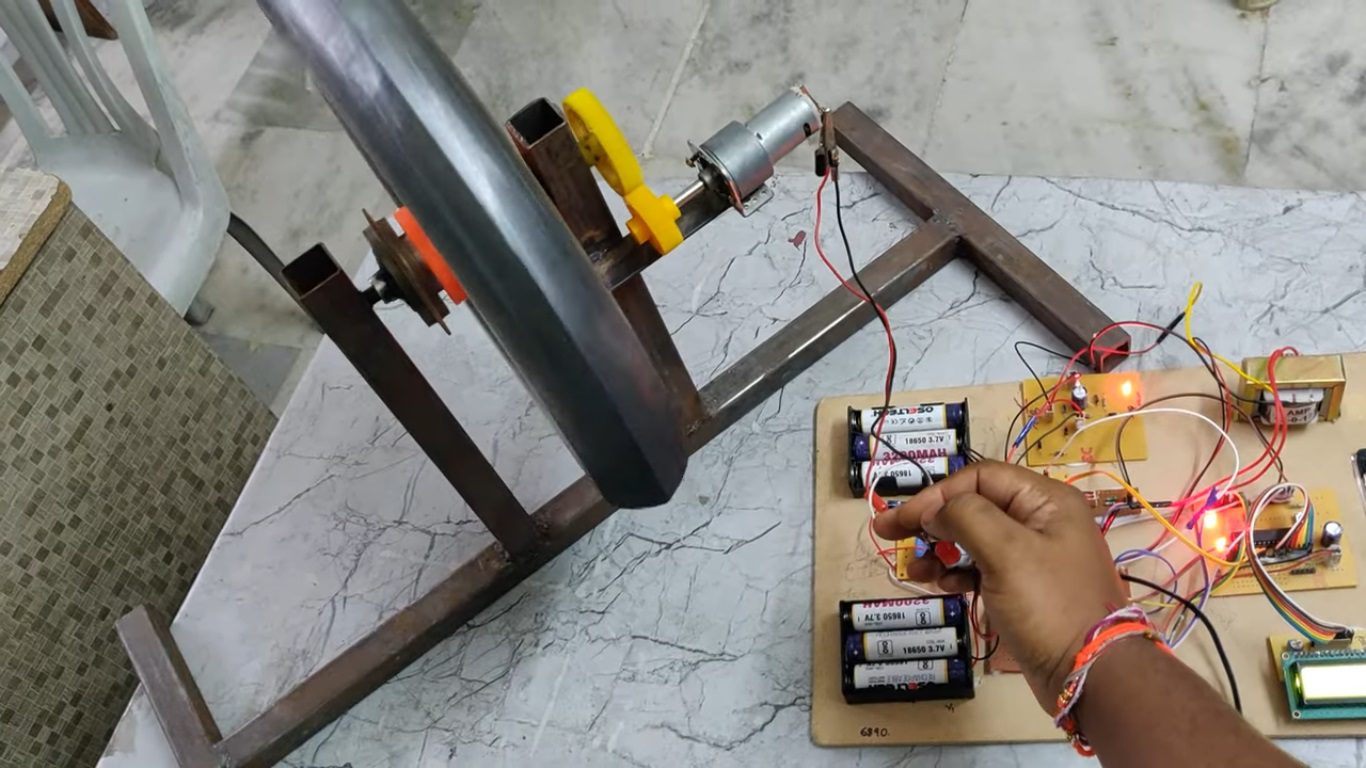
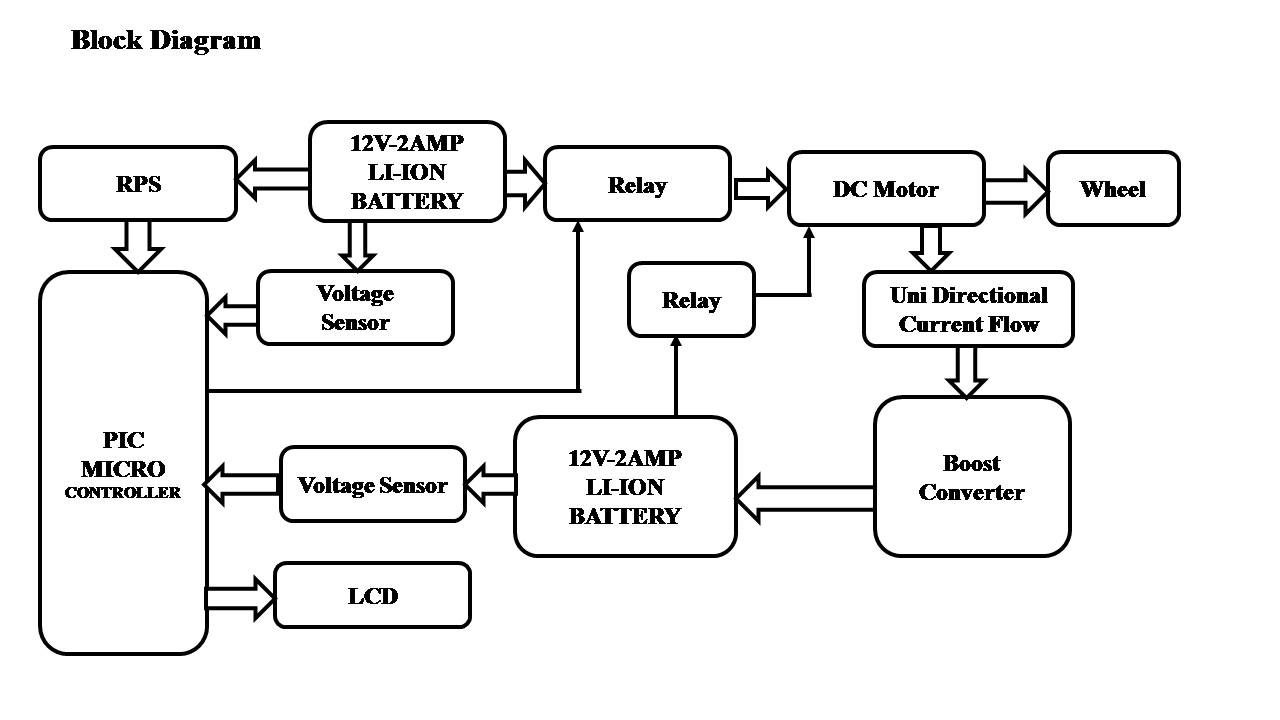
This project focuses on the design and implementation of a regenerative braking system for electric and hybrid vehicles, aiming to capture energy typically lost during braking and store it back into the battery. Instead of relying on traditional friction-based braking, the vehicle’s electric motor acts as a generator when the driver applies the brakes, converting the vehicle's kinetic energy into electrical energy. This electrical energy is then sent to the battery for storage, extending the vehicle's range by recapturing energy that would otherwise be wasted. The system provides smoother and less abrupt deceleration compared to conventional braking, with traditional brakes being used only when more stopping power is needed. The project also integrates a microcontroller to manage the system efficiently, continuously monitoring battery voltage through sensors. When the battery charge is low, the microcontroller automatically switches to charge the battery and powers the motor, ensuring optimal energy flow. This regenerative braking system offers a sustainable solution to enhance vehicle efficiency, reduce energy consumption, and improve overall driving experience.
The main objectives of the project are:
 video:
- Slowing Down the Vehicle: When the driver applies the brakes, instead of using regular brake pads, the motor of the vehicle acts as a generator to slow the vehicle down.
- Turning Kinetic Energy into Electricity: As the motor slows the vehicle, it converts the car’s movement (kinetic energy) into electrical energy.
- Storing Energy: The electrical energy created during braking is sent back to the battery to store it for later use, helping the vehicle go further without using extra energy.
- Smooth Deceleration: Regenerative braking makes the vehicle slow down more smoothly than traditional brakes, but normal brakes are still used if more stopping power is needed.
- Automatic Battery Management: A microcontroller checks the battery’s charge. If the battery is low, it switches on a charger to recharge it and ensures the motor is powered when needed.
- Designing a Simple System: The project focuses on creating a system that efficiently captures energy during braking and manages the battery’s charge automatically for better performance.
- Regulated Power Supply.
- PIC Microcontroller.
- 12v-2amp Li-Ion Battery.
- 2 Voltage Sensors.
- DC Motor along with Gear setup.
- Wheel.
- Uni Directional Current Flow.
- Boost Converter.
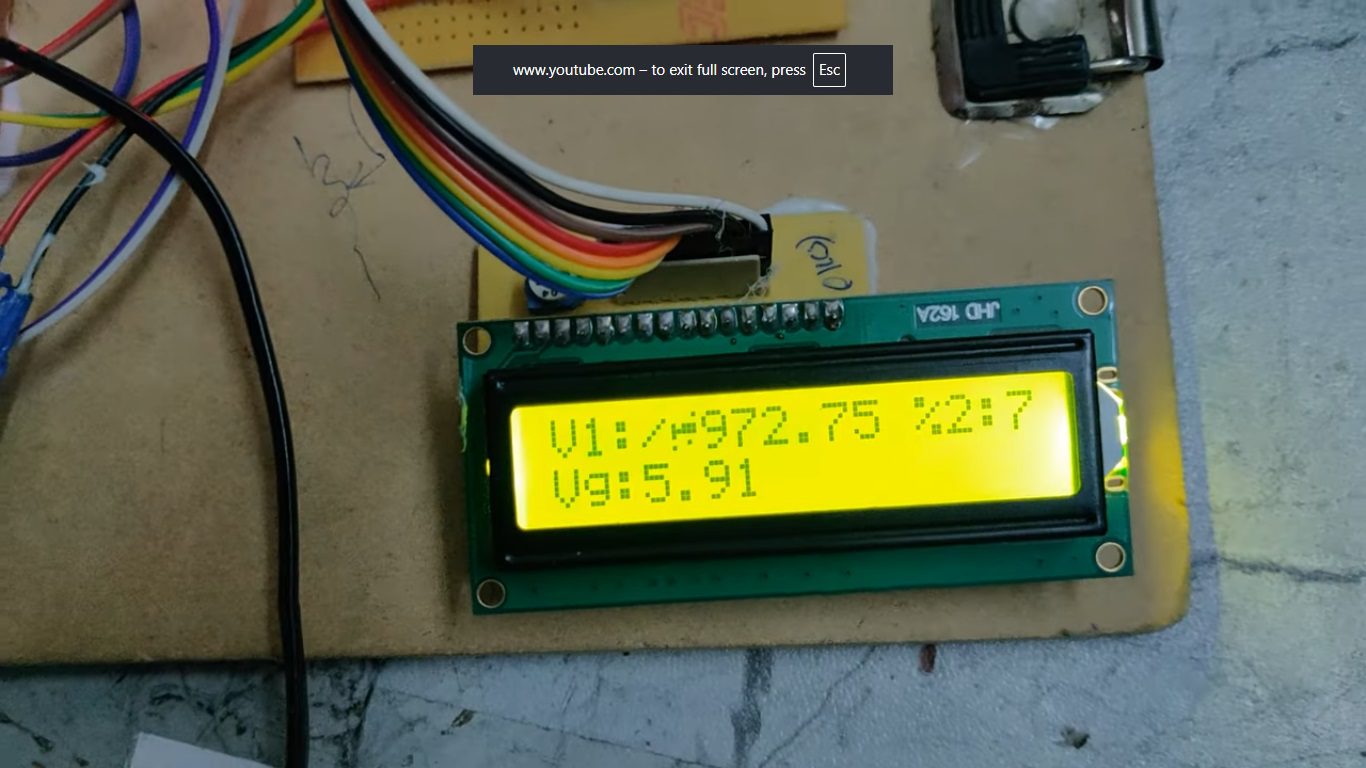
- LCD display.
- Relays.
- Crystal Oscillator.
- Reset.
- LED Indicators.
- PIC-C compiler for Embedded C programming.
- Express SCH for Circuit design.
 video: