No products in the cart.


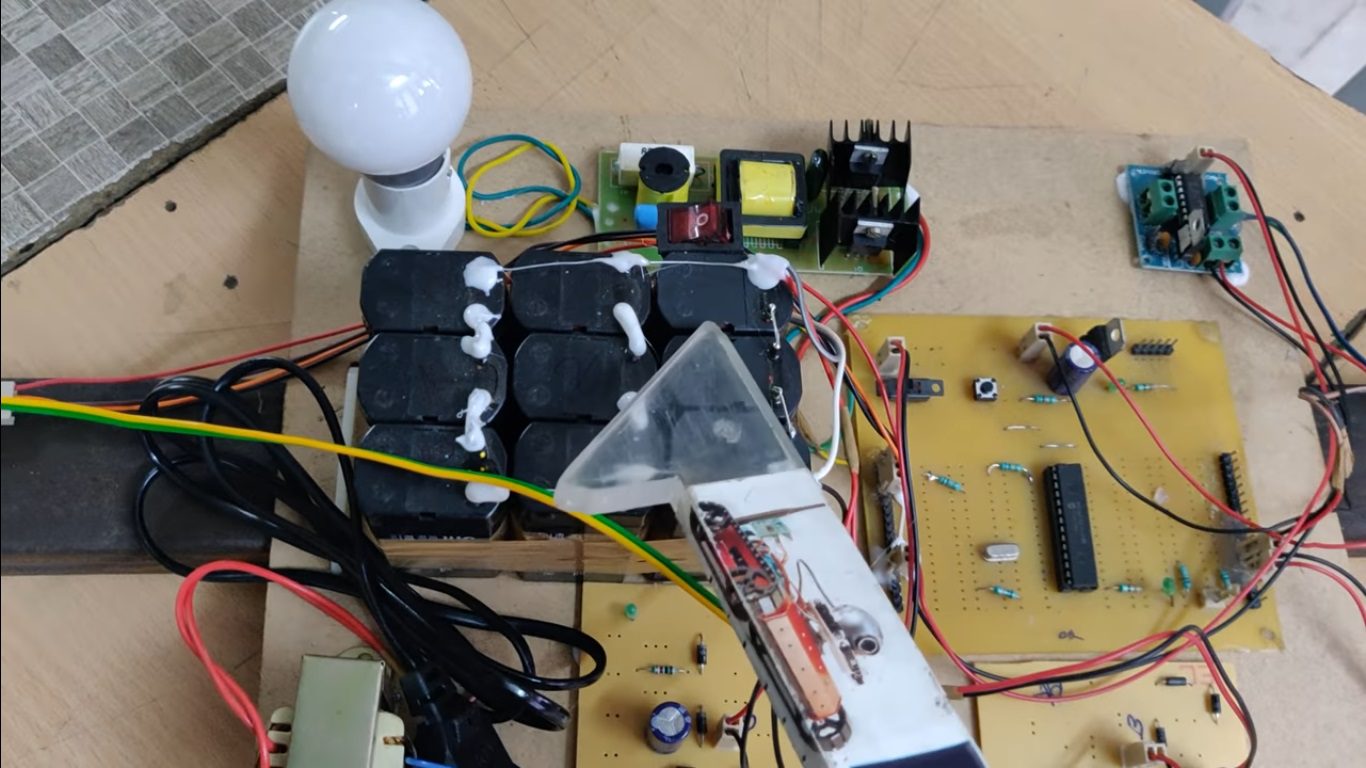
Until recently sunlight was the primary source of illumination indoors, making perimeter fenestration essential and impacting the layout of buildings. Improvements in electric fixtures, light sources, control systems, electronic ballasts and dimming technology have influenced standard design practices to such a degree that allowing natural sunlight into a room is often seen as a liability. In the current climate of increasing energy prices and rising environmental awareness, energy conservation and resource preservation issues are a topic of governmental policy discussions for every nation on the planet. Governmental, institutional, social and economic incentives have emerged guiding the development and adoption of advanced daylighting techniques to reduce electric lighting loads in buildings used primarily during the day. A growing body of research demonstrates numerous health, occupant satisfaction, worker productivity and product sales benefits associated with natural lighting and exposure to sunlight. However, incorporating natural light into a lighting strategy is still complicated and risky as the intensity, variability and thermal load associated with sunlight can significantly impact mechanical systems and lead to serious occupant comfort issues if additional steps aren’t taken to attenuate or control direct sunlight.
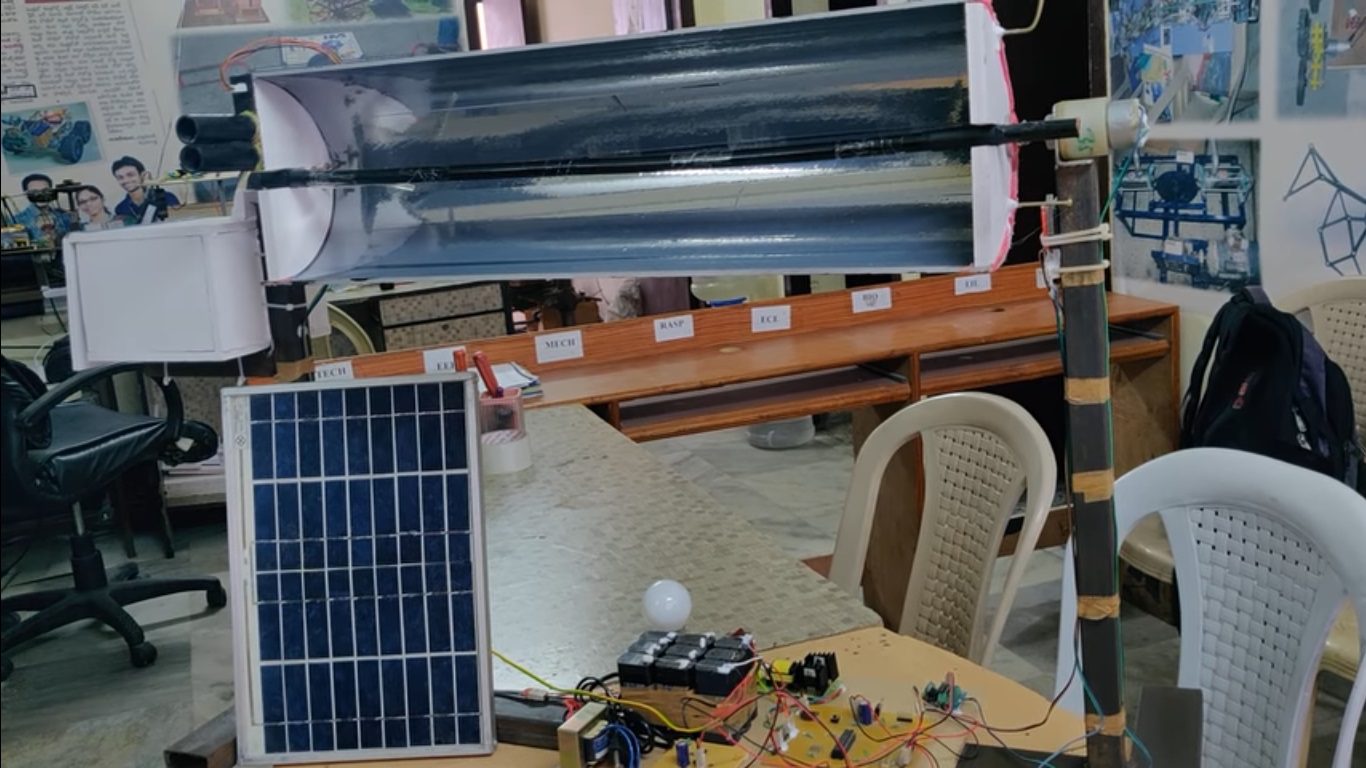
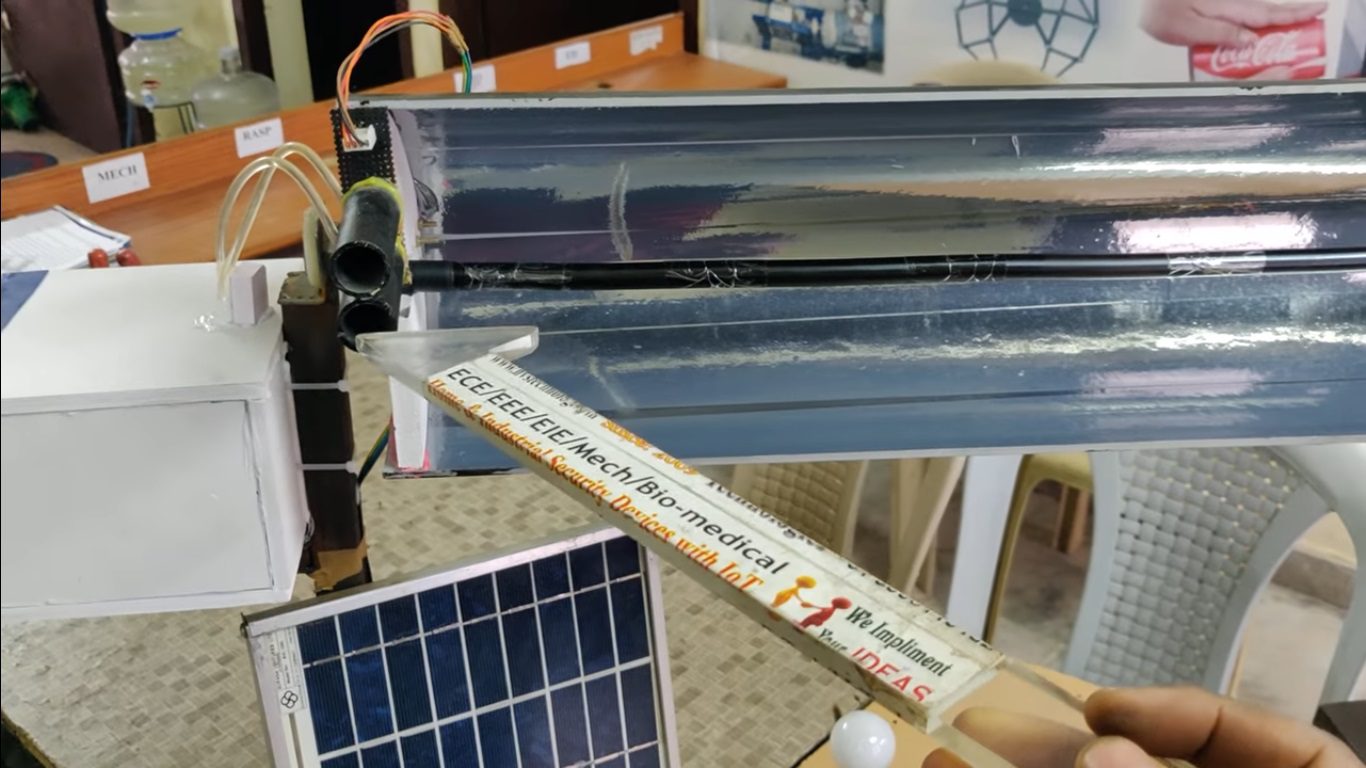
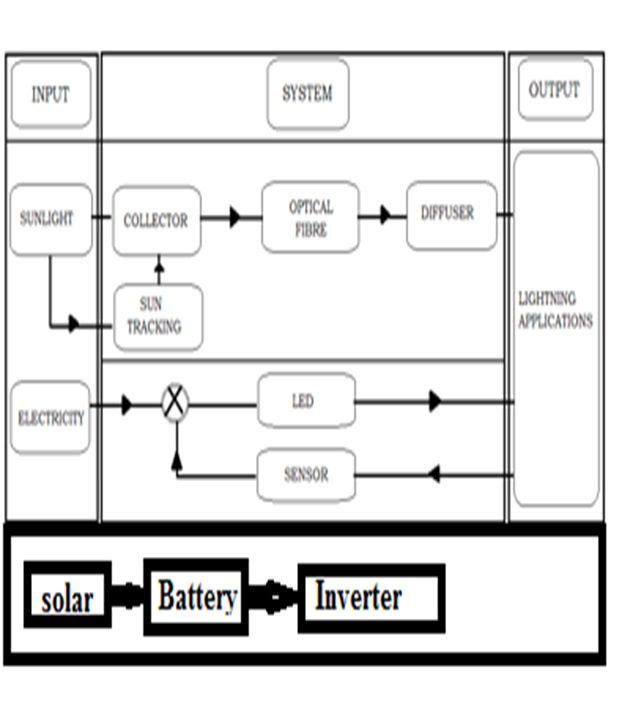
Fiber optic day lighting systems represent a new and innovative means of bringing direct sunlight into a building while maintaining the controllability and ease of application usually reserved for electric lighting by collecting natural light and channeling it through optical fibers to luminaires within the space. This technology has the ability to bring sunlight much deeper into buildings without impacting space layout or inviting the glare, lighting variability and heat gain issues that complicate most daylighting strategies. As products become commercially available and increasingly economically viable, these systems have the potential to conserve significant amounts of energy and improve indoor environmental quality across a variety of common applications.
The main blocks of this project are:
 Block Diagram:
video:
Block Diagram:
video:
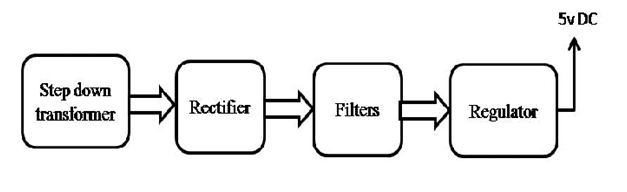
- Regulated Power supply.
- PIC microcontroller.
- Sun light Sensor to sense the sun direction.
- Motorized mechanism to control the position of solar panel.
- LCD for display of measuring voltage.
- LED Indicators.
- Limit switches.
- Parabolic collector.
- Fiber optic cables.
- PIC-C compiler for Embedded C programming.
- PIC kit 2 programmer for dumping code into Micro controller.
- Express SCH for Circuit design.
 Block Diagram:
 video: