No products in the cart.


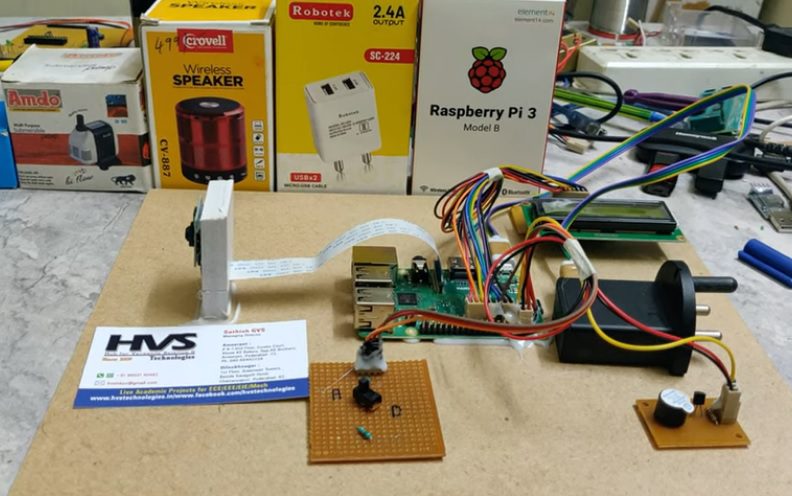
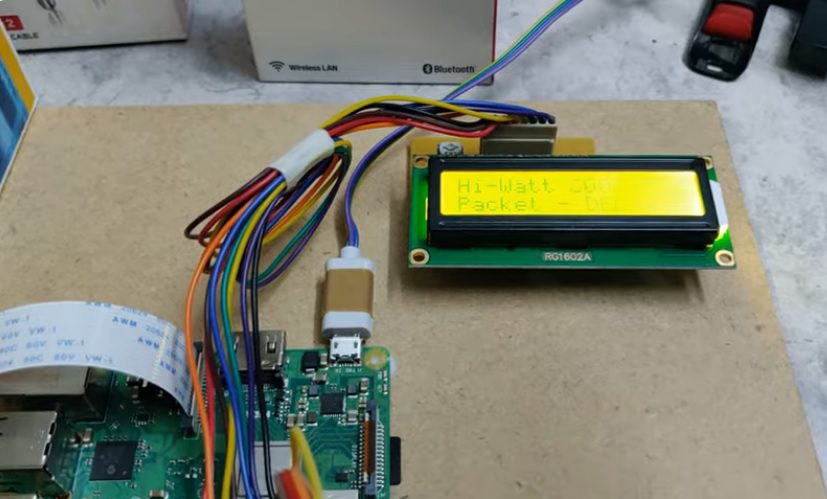
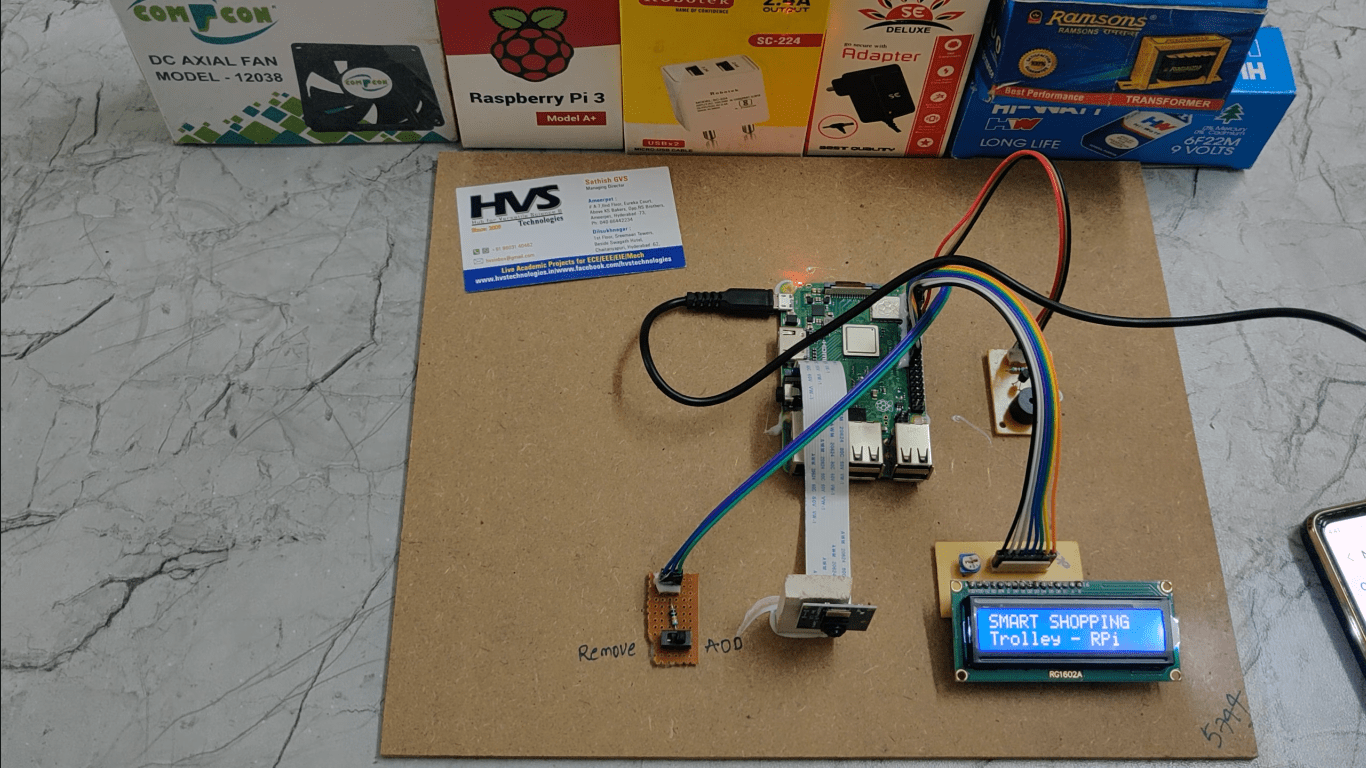
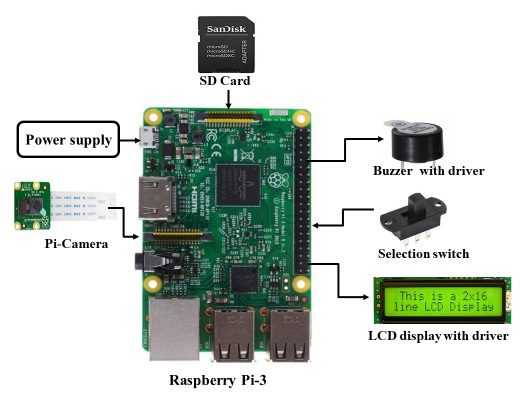
The main purpose of this project is to design and develop an intelligent Smart Shopping Cart system that reduces billing time and long waiting queues in supermarkets and shopping centers. The proposed system uses a Raspberry Pi as the main processing unit along with a Pi Camera, LCD display, buzzer, and selection switches. The selection switch allows the user to choose whether a product is to be added to or removed from the shopping cart. When a product is placed in front of the Pi Camera, the camera captures the image of the product and sends it to the Raspberry Pi for image-based product identification. The system retrieves the corresponding product information, such as product name, weight, and price, and displays it on the LCD. Whenever a product is added or removed, the buzzer provides an audio indication to the user. The system automatically updates the total number of products and the overall bill amount in real time. At the completion of shopping, the final bill is displayed on the LCD, thereby minimizing the need for conventional manual billing and reducing customer waiting time. The Raspberry Pi is programmed using the Python programming language in the Linux operating environment to perform image processing, product identification, billing calculation, and display operations. The proposed Smart Shopping Cart provides a fast, automated, user-friendly, and efficient shopping experience while reducing human effort and improving the overall billing process in modern supermarkets.
Objectives:
The main objectives of the Smart Shopping Cart System are:
 video:
- To design and develop an intelligent shopping cart using Raspberry Pi and Pi Camera.
- To reduce customer waiting time and long queues at supermarket billing counters.
- To automatically identify products using image processing technology.
- To provide options for adding and removing products from the shopping cart.
- To display product details such as product name, weight, and price on the LCD.
- To automatically calculate and update the total bill amount in real time.
- To provide audio indication using a buzzer during product addition or removal.
- To minimize manual billing operations and human effort.
- To provide a fast, accurate, and user-friendly shopping experience.
- To develop a low-cost automated billing system suitable for supermarkets and shopping centers.
- Power supply.
- Raspberry Pi processor.
- Pi Camera
- LED Indicator.
- LCD display with driver
- Buzzer
- Selection switch.
- Embedded Linux programming.
- Express SCH for Circuit design.
 video: