No products in the cart.


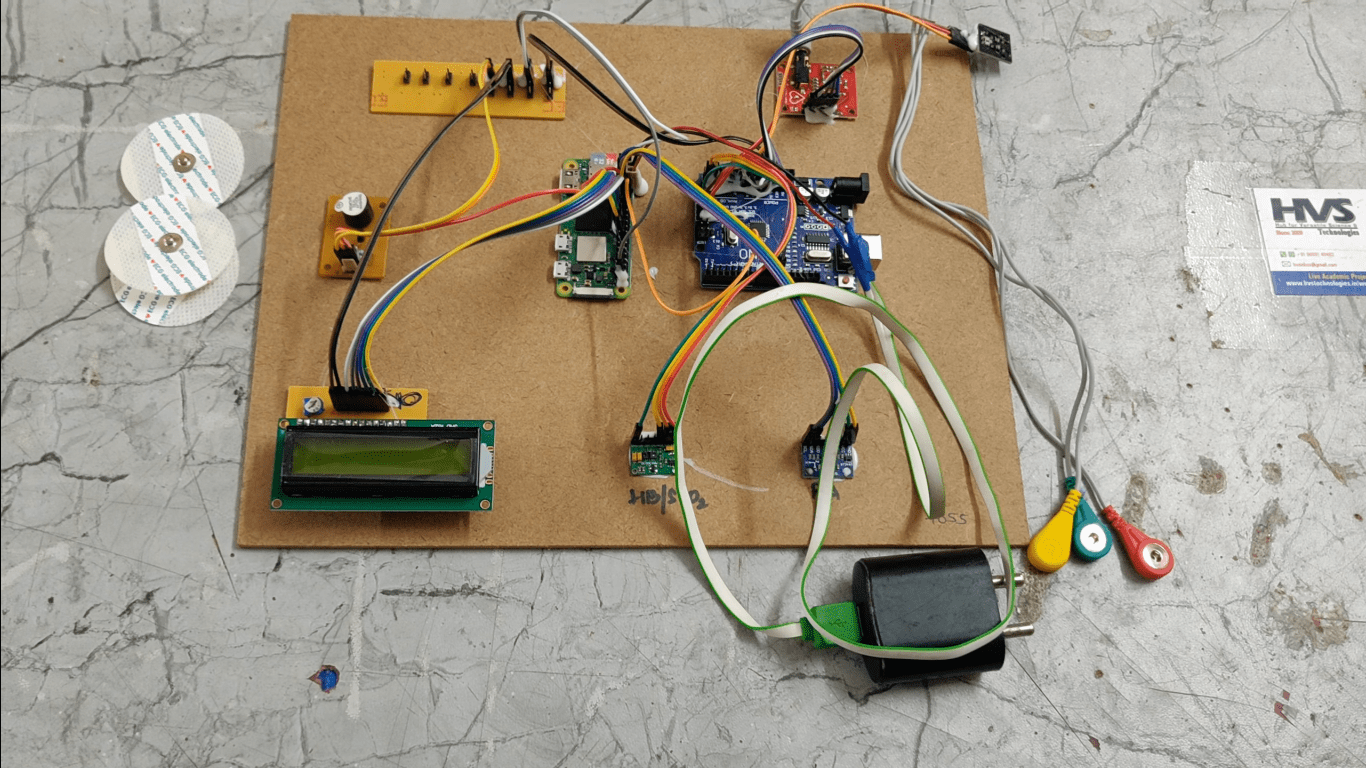
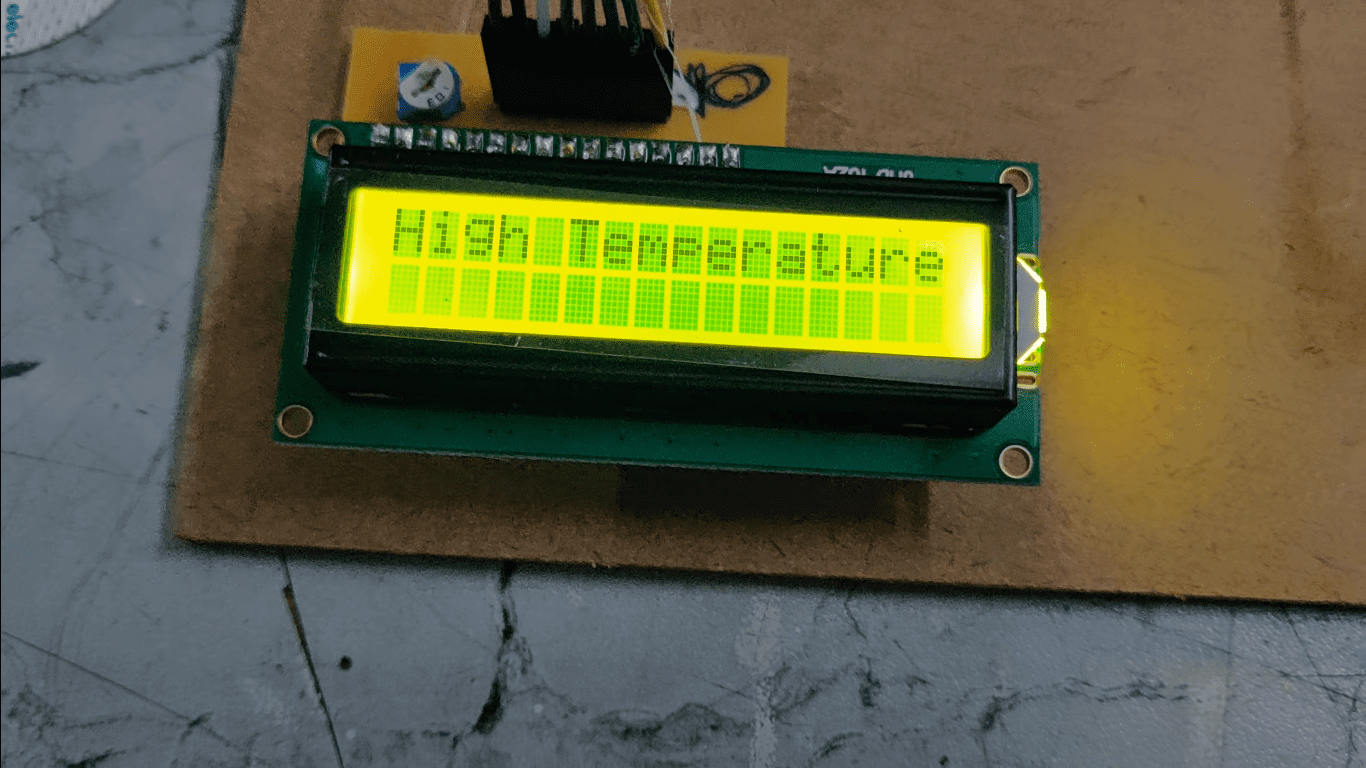
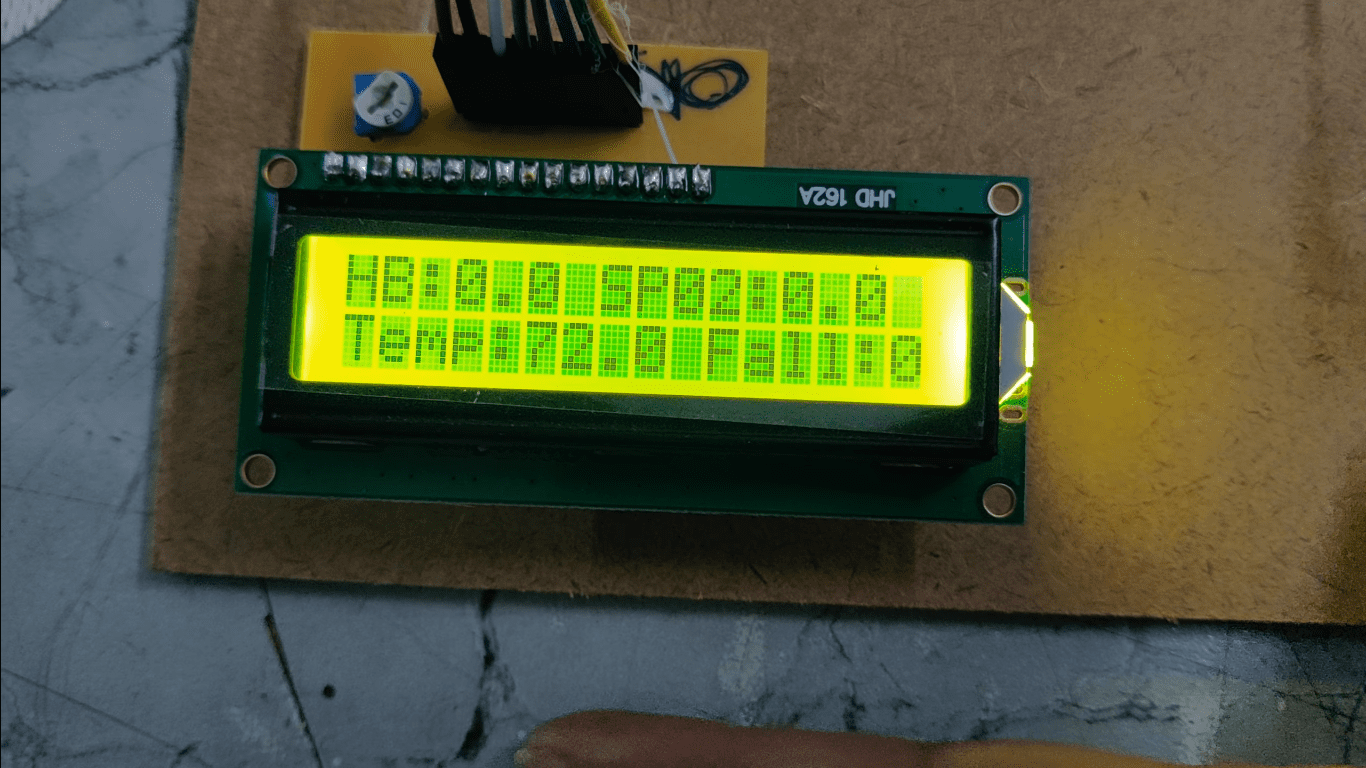
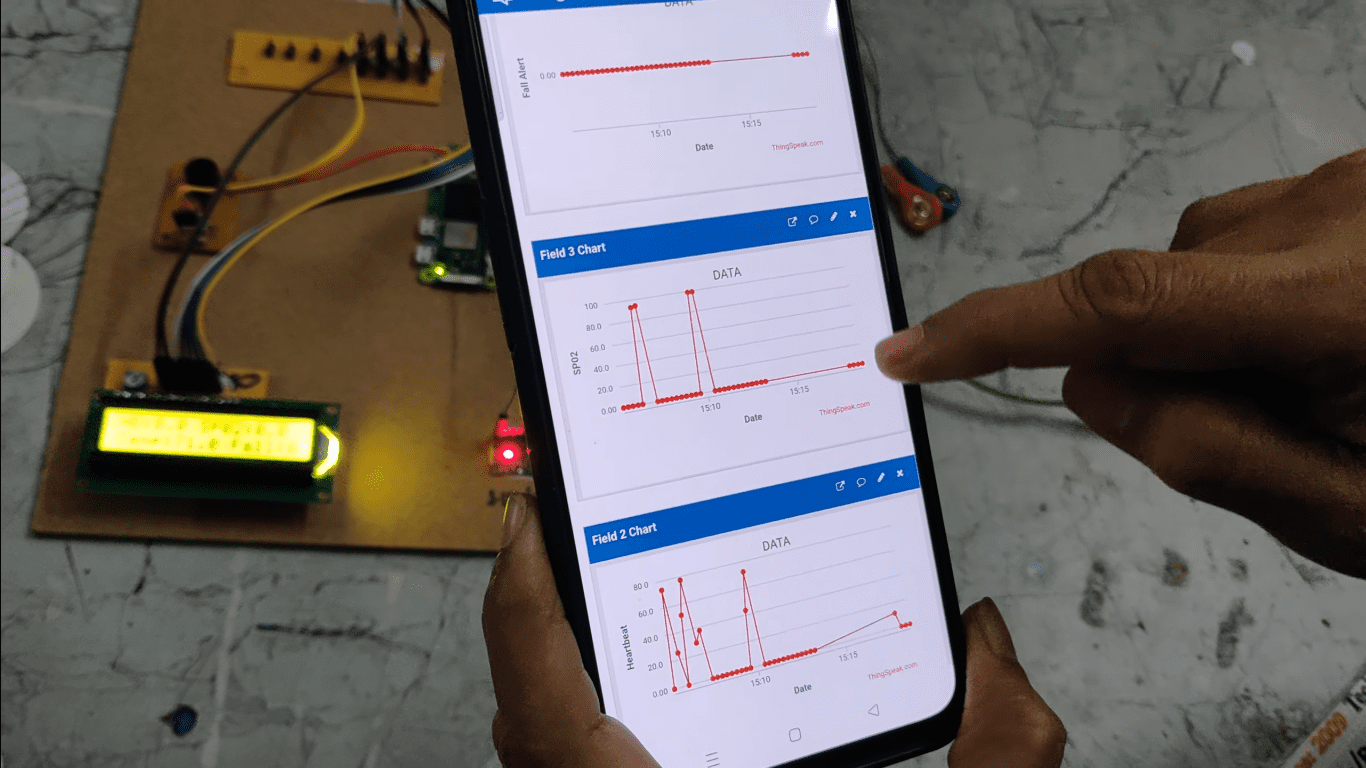
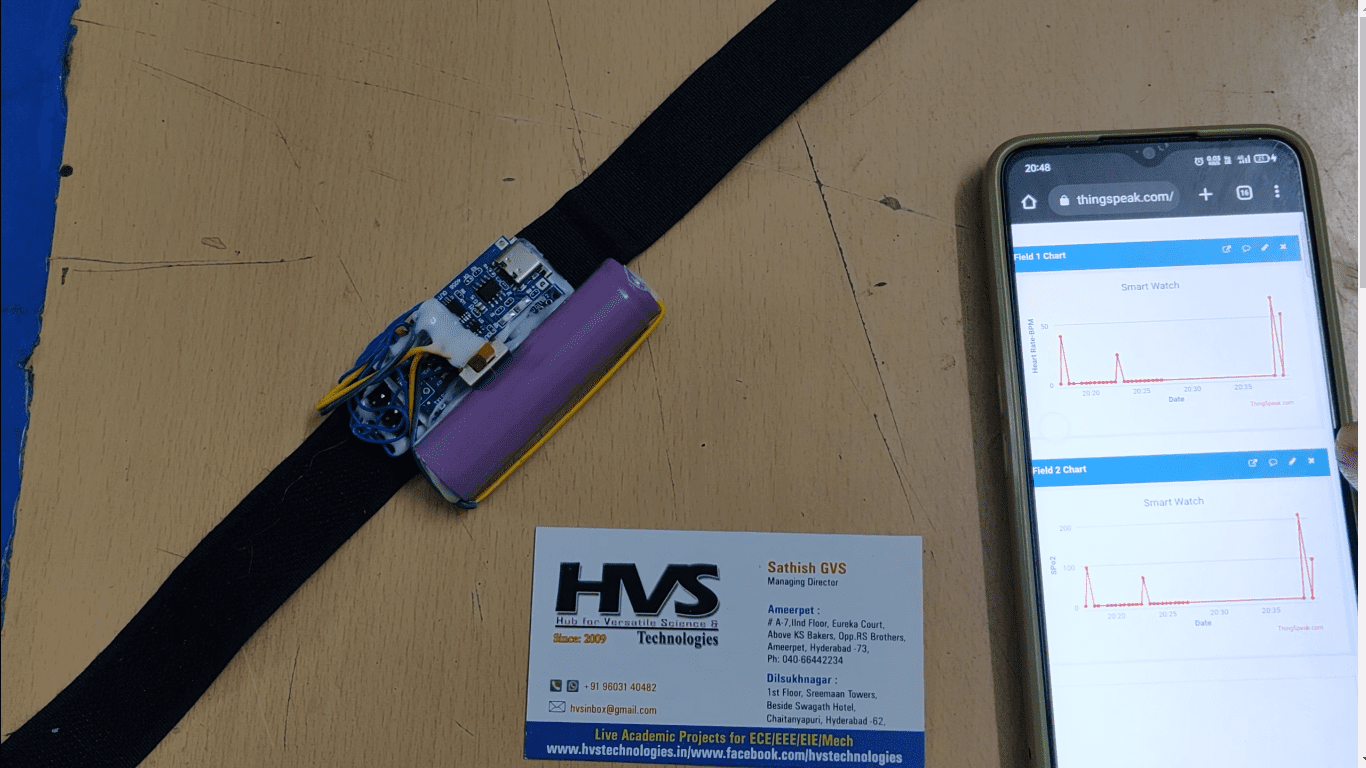
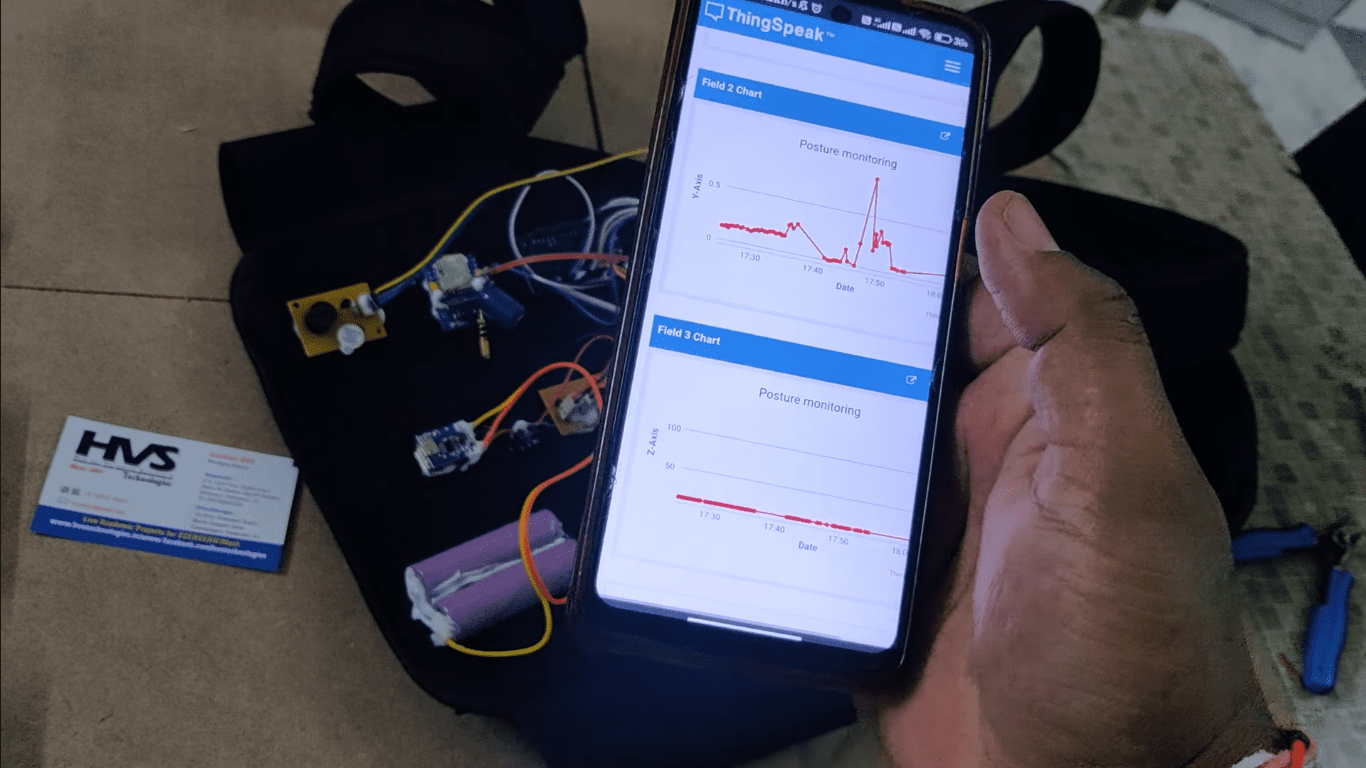
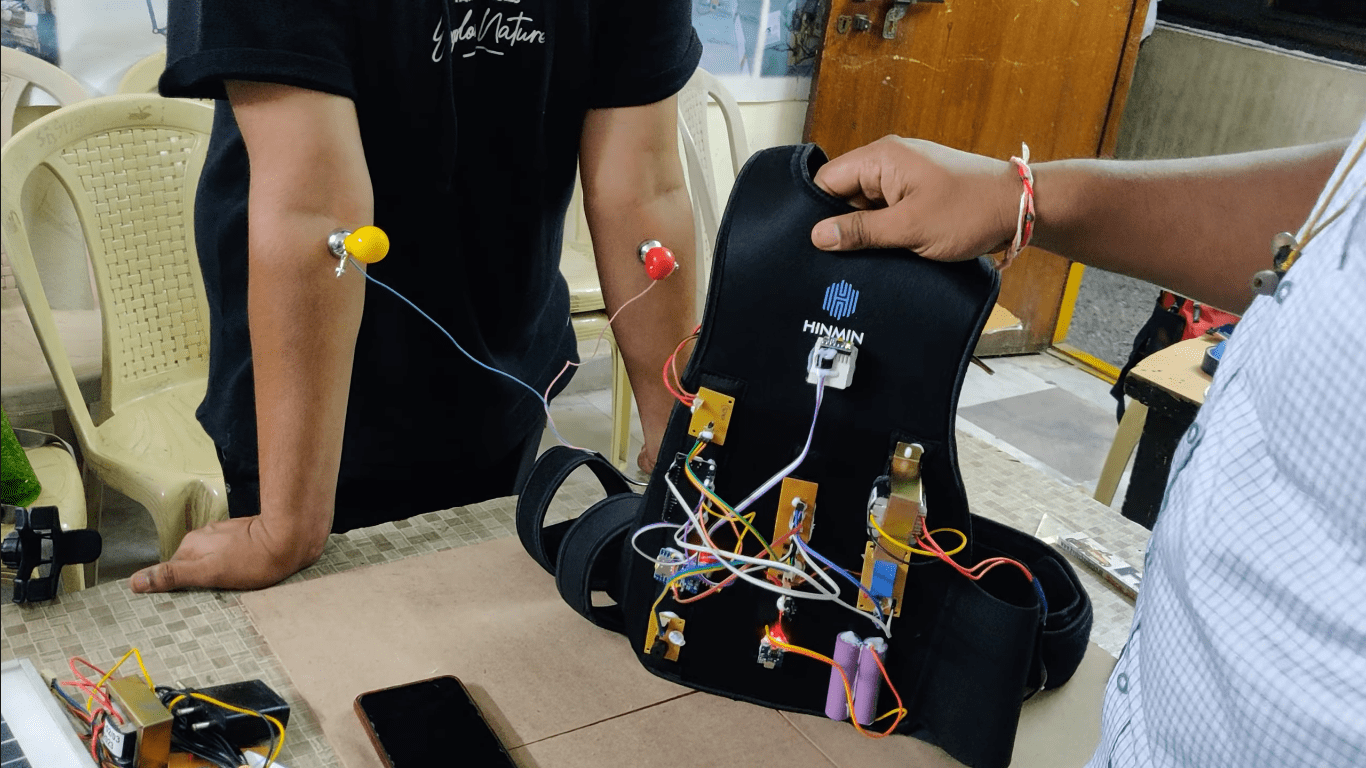
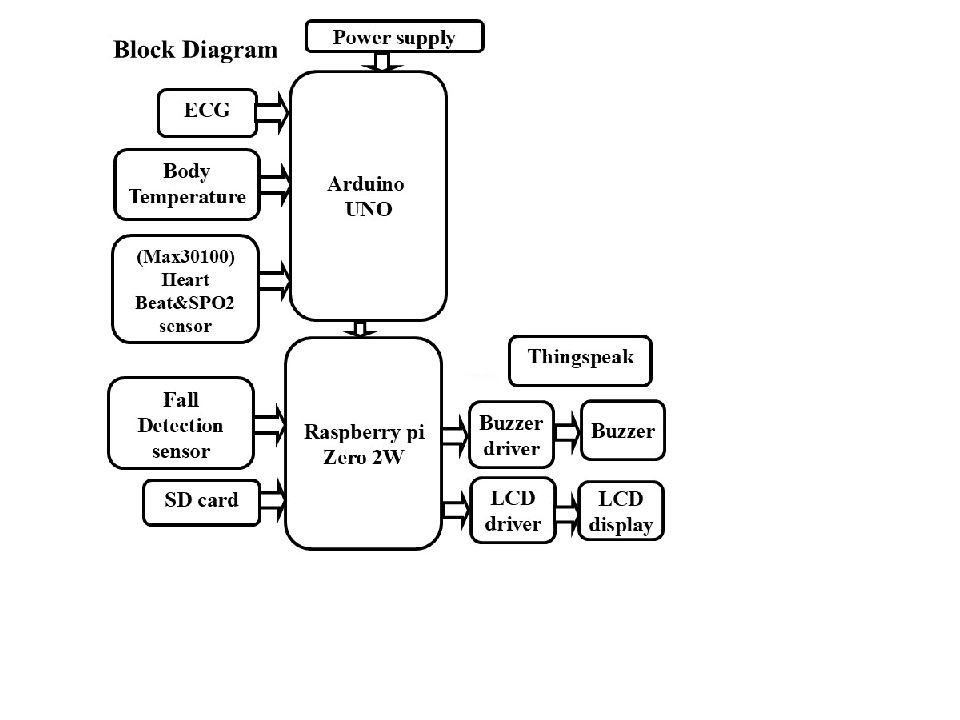
The increasing need for real-time health monitoring has driven the development of wearable systems that track key physiological parameters, ensuring timely intervention and improving patient care. This project presents a comprehensive health monitoring system that utilizes IOT technology to continuously monitor body temperature, heart rate, blood oxygen saturation (SpO2), ECG and detect falls in individuals. The system integrates multiple sensors to collect vital signs data, which is then transmitted wirelessly via IOT to a Thingspeakcloud platform for analysis. The heart rate and SpO2 sensors provide valuable insights into the cardiovascular and respiratory status, while the body temperature sensor helps detect potential fever or abnormal thermal conditions. Fall detection sensor to identify sudden movements and alert when necessary. The AD8232 is a neat little chip used to measure the electrical activity of the heart. This electrical activity can be charted as an ECG or Electrocardiogram. Electrocardiography is used to help diagnose various heart conditions. This system offers a non-invasive, real-time solution for individuals with chronic conditions, the elderly, or those in need of constant monitoring, ensuring rapid response to any critical health events. By leveraging Bluetooth, the system ensures low power consumption, high portability, and seamless integration with existing WEB health applications, enabling efficient remote health management. In this project we are using Arduino uno as ADC converter, it will read the ECG, Body temperature and MAX30100 sensors values will be send to the Raspberry pi through serial communication, then Raspberry pi will display the vital sign on LCD.
The main objectives of the project are:
Track Vital Signs: Continuously monitor body temperature, heart rate, and SpO2 to keep an eye on a person's health.
Detect Falls: Automatically detect falls and send alerts to caregivers for quick help.
Wireless Data Monitoring: Use esp8266 wi-fi to wirelessly send health data to a Thingspeak WEB page.
Remote Health Tracking: Allow family members or doctors to monitor the person’s health from anywhere.
Low Power and Portable: Ensure the system use little battery power and is easy to wear for long periods.
Quick Emergency Response: Help in emergencies by quickly alerting others when a fall or unusual health condition is detected.
Easy Integration: Make the system work well with existing health apps for tracking and analyzing data over time.
Personalized Alerts: Provide personalized alerts to help users stay on top of their health.
The major building blocks of the project are:
 video:
- Power Supply.
- Raspberry pi zero 2W.
- Arduino UNO.
- DS18B20 Temperature sensor.
- MAX30100(heartbeat&spo2) sensor.
- Fall detection sensor.
- LCD display.
- Buzzer.
- HC-05 Bluetooth.
- SD card.
- Python programming.
- Express SCH for Circuit design.
- Raspbian OS.
 video: