No products in the cart.


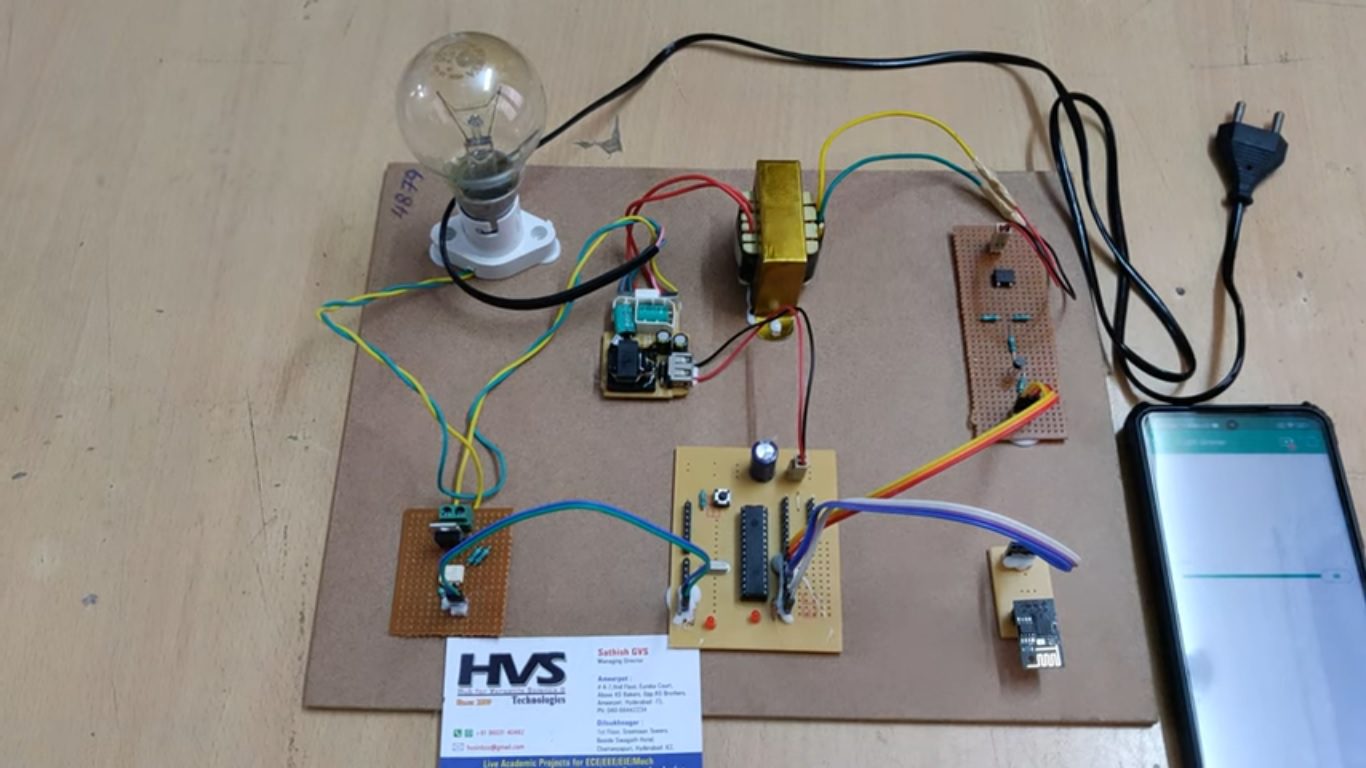
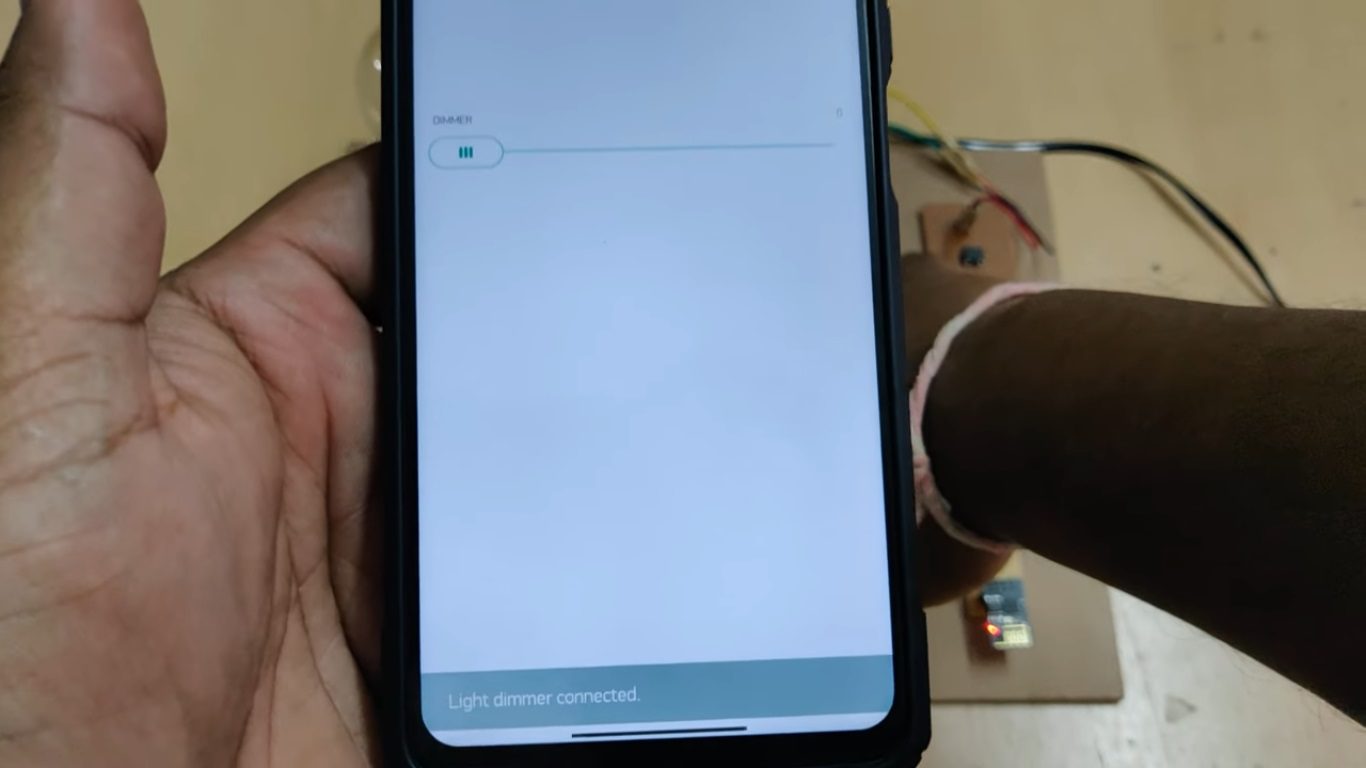
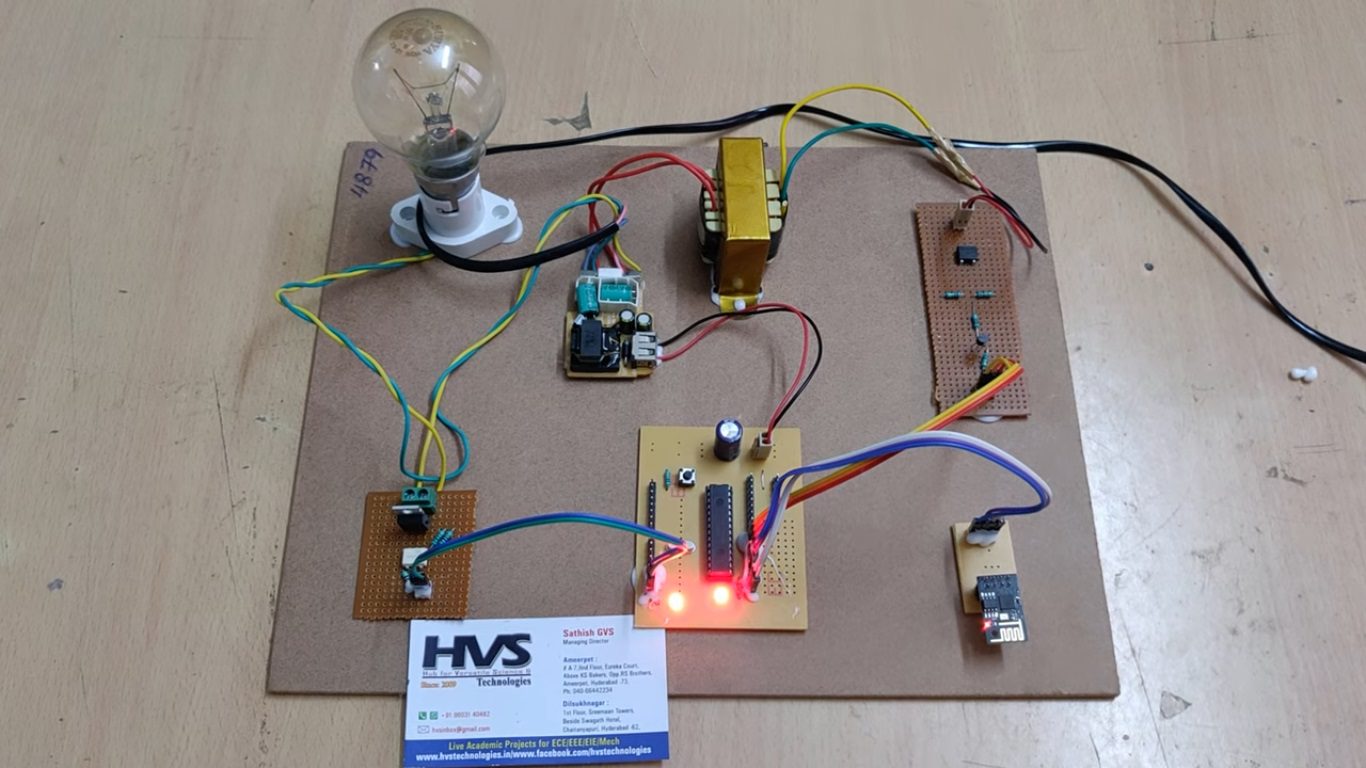
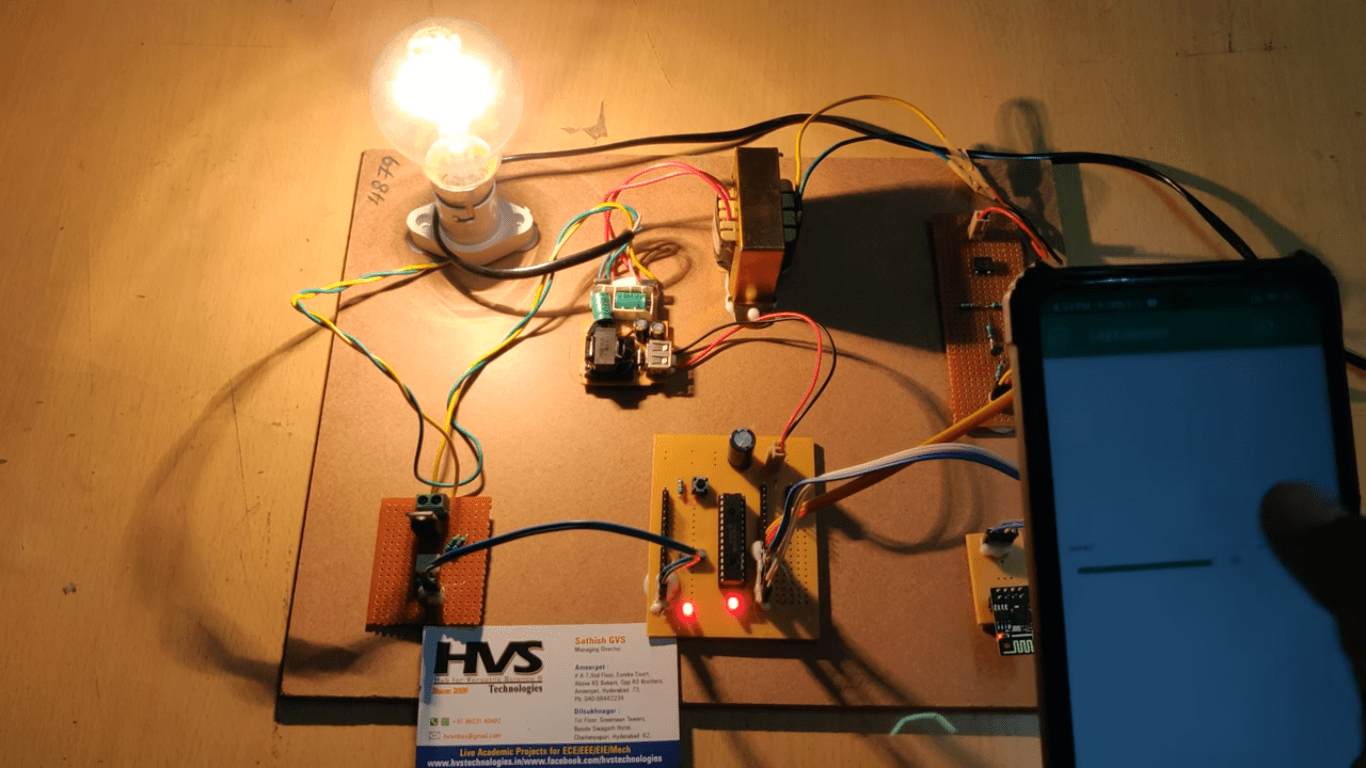
The project aims in designing a system which helps in increasing or decreasing lamp intensity as required with smart phone using IOT. As the world gets more and more technologically advanced, we find new technology coming in deeper and deeper into our personal lives even at home. Home automation is becoming more and more popular around the world and is becoming a common practice.
The process of home automation works by making everything in the house automatically controlled using technology to control and do the jobs that we would normally do manually. It is much easier to install home automation in a house while it is still being built, since you have the ability to put things inside the walls to save space. Though, people who have houses already built can still have home automation done in a less intrusive ways.
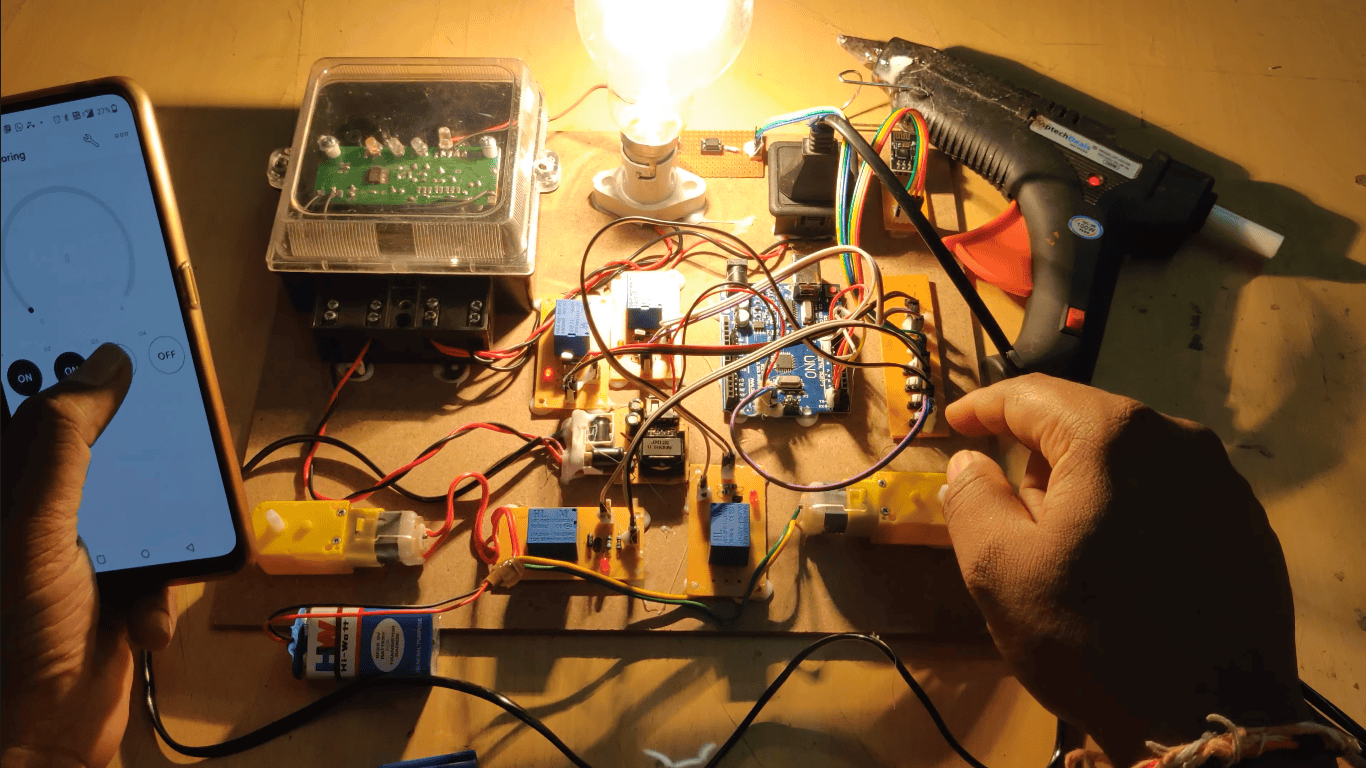
The aim of this project is to build an AC bulb intensity step-by-step controlling using Android smart phone operation over wireless IOT. The program running inside microcontroller can develop a virtual on screen keypad and a control panel. No need to have mechanical rotational based control system or push buttons for this operation. Users can control the lamp intensity with a text command from smart mobile phone.
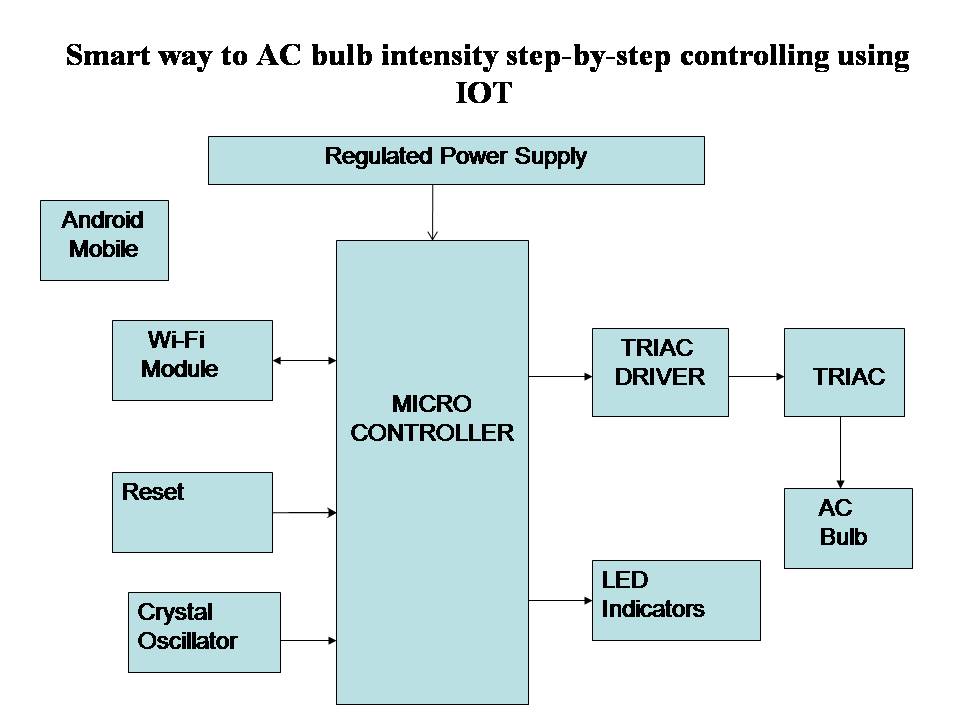
A Triac and optically isolated Diac (triac driver) based circuit controls the intensity of the high voltage 230volts lamp. This system also employs a zero crossing detector for smooth operation of lamp intensity. This project consists of a Microcontroller that takes input from ESP8266 WI-FI MODULE .The smart phone over wireless and processes the request. Then it processes the data and takes necessary action. The optical isolation system safeguards the microcontroller-based system from high voltages.
The main objectives of the project are:
 Block diagram:
video:
Block diagram:
video:
- Aims at energy conservation.
- Provides fast access to using IOT technology.
- Device enable with zero crossing detector.
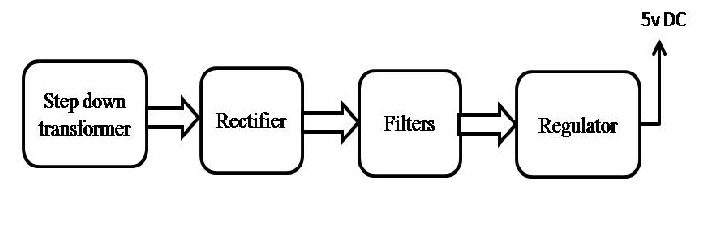
- Regulated Power Supply.
- PIC Microcontroller.
- ESP8266 WI-FI module.
- Triac with driver
- Crystal
- Reset button.
- LED Indicators
- PIC-C compiler for Embedded C programming.
- PIC kit 2 programmer for dumping code into Micro controller.
- Express SCH for Circuit design.
 Block diagram:
 video: