No products in the cart.


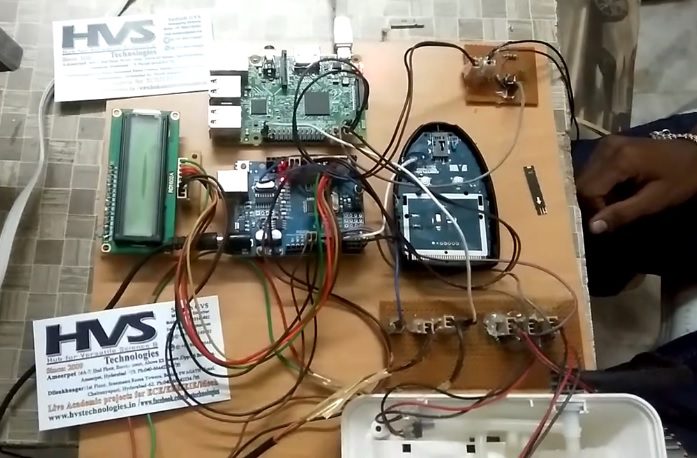
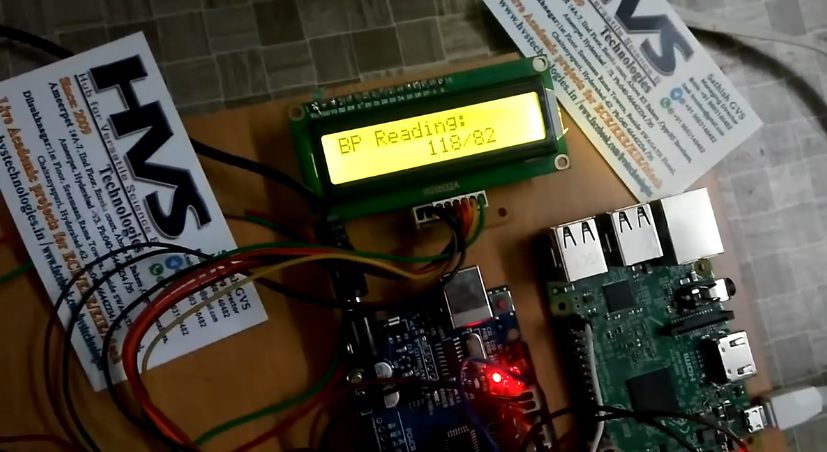
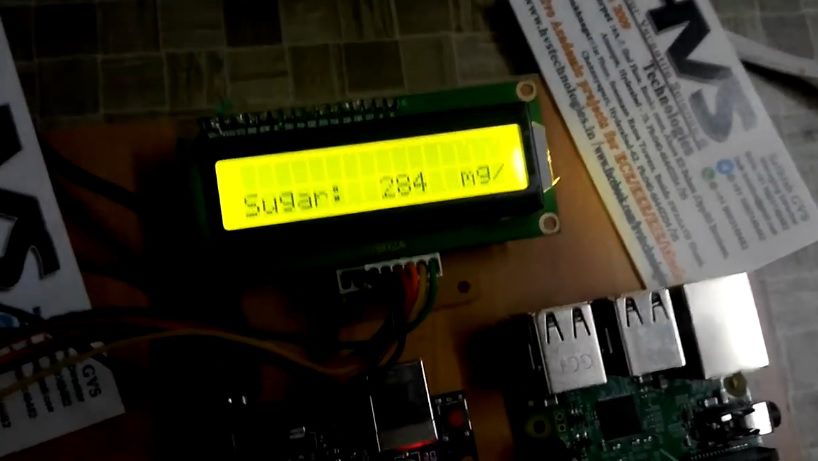
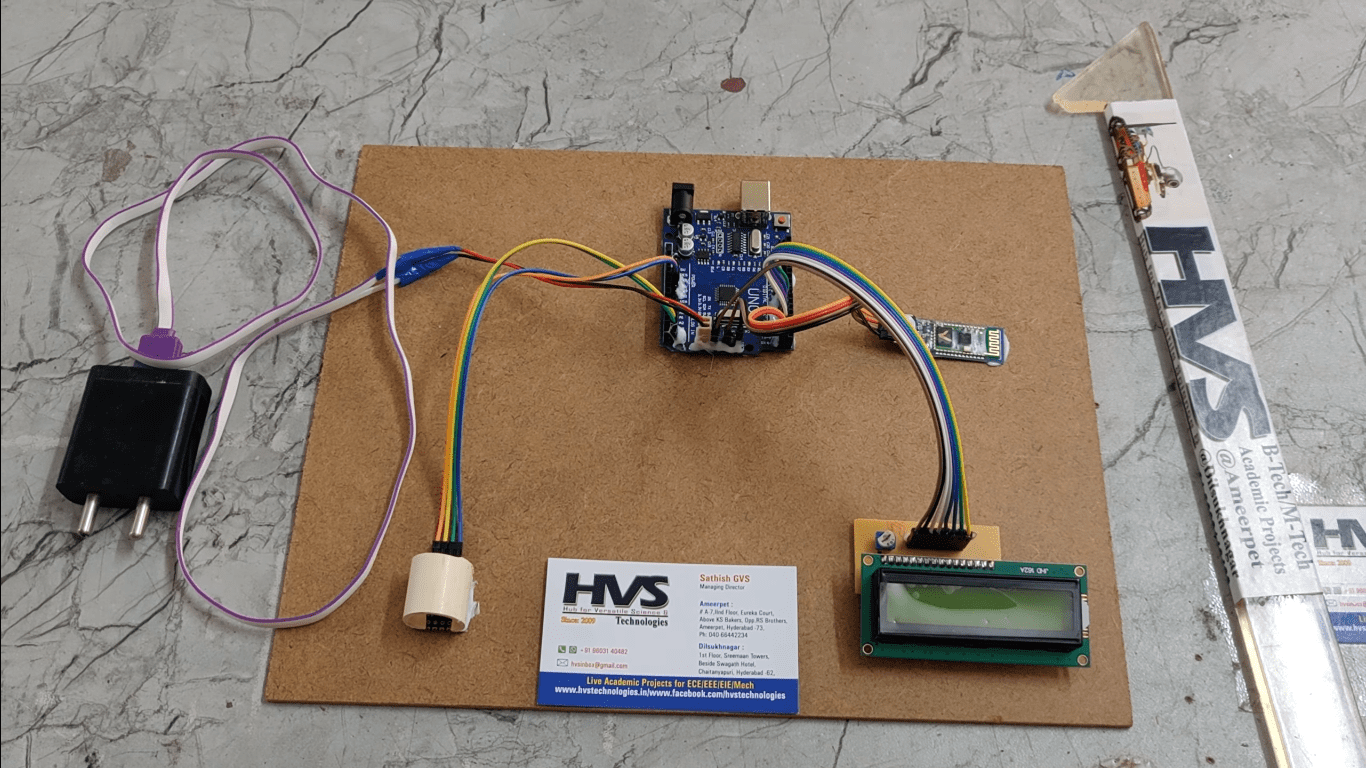
The main aim of this project is to develop an IoT-based diabetes monitoring system for children that continuously monitors important health parameters and provides timely alerts to parents or caregivers. The system uses sensors to measure body temperature, blood glucose level, blood oxygen saturation (SpO₂), and blood pressure. An Arduino UNO collects the sensor data and sends it to a Raspberry Pi processor for processing and monitoring. The measured values are displayed on an LCD and transmitted to an Android mobile phone through the Raspberry Pi's Wi-Fi connectivity. If any monitored parameter exceeds the predefined safe limit, the system activates a buzzer alert and sends the information to the user. The proposed system helps in continuous monitoring, early detection of abnormal conditions, and remote supervision of children's health, providing a simple and useful IoT-based solution for diabetes management.
The objectives of the project are:
 video:
To monitor blood glucose levels in children.
To monitor body temperature, blood pressure, and SpO₂.
To display health readings on an LCD.
To send health data to an Android mobile phone using Wi-Fi.
To provide a buzzer alert when readings exceed the set limit.
To enable remote monitoring by parents or caregivers.
To support early detection of abnormal health conditions.
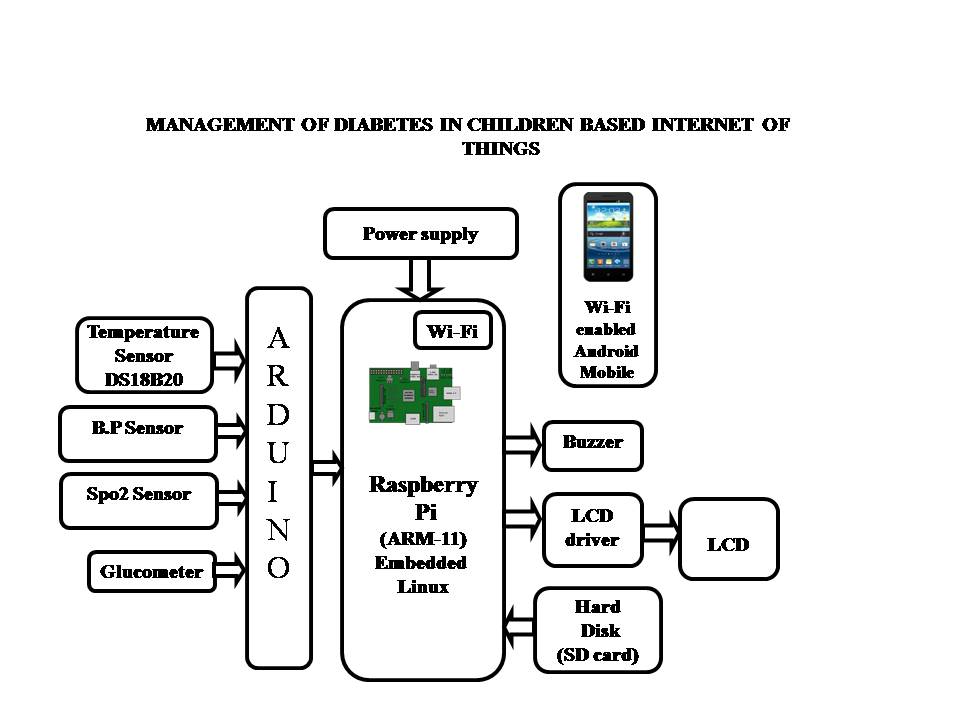
The major building blocks of the project are:- Power supply.
- Raspberry Pi processor.
- Hard Disk (SD card).
- Temperature sensor.
- Blood Pressure sensor.
- Spo2 sensor.
- Glucometer.
- Buzzer with driver.
- LCD with driver.
- Arduino.
- Embedded Linux programming.
- Express SCH for Circuit design.
 video: