No products in the cart.


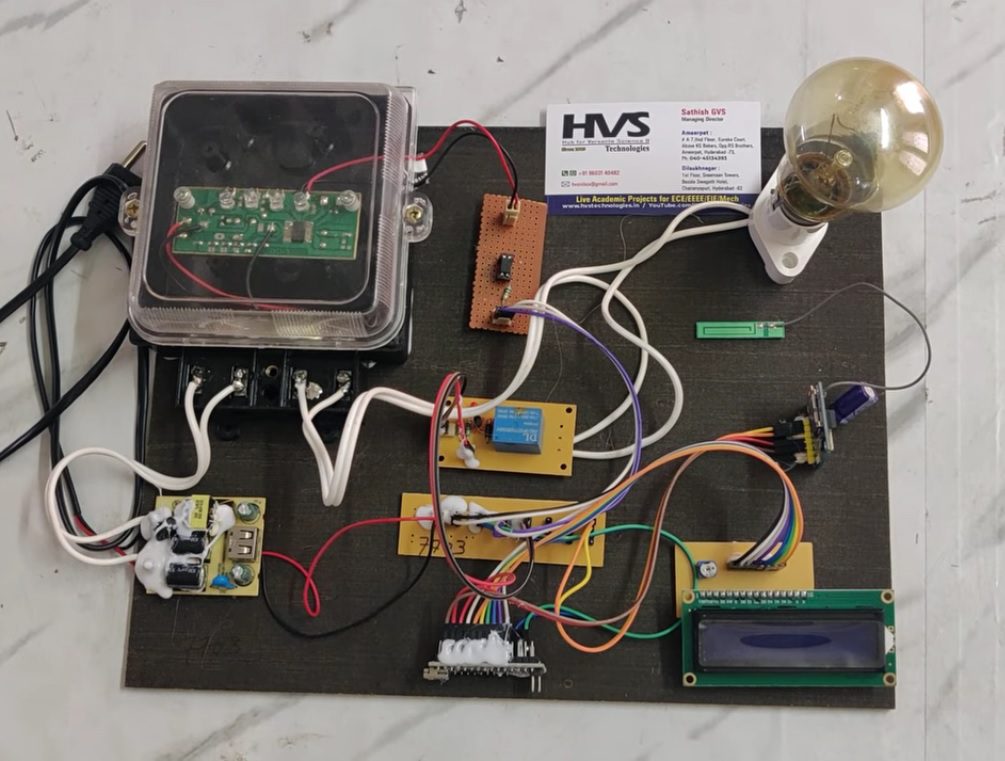
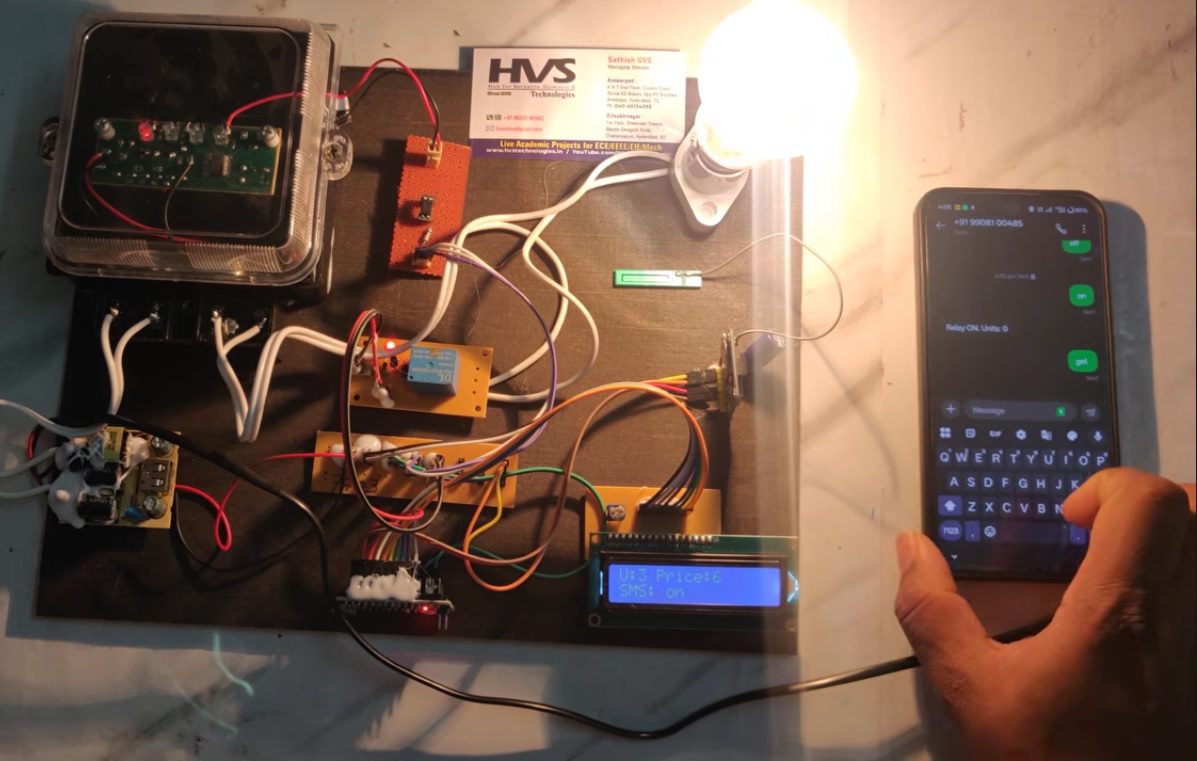
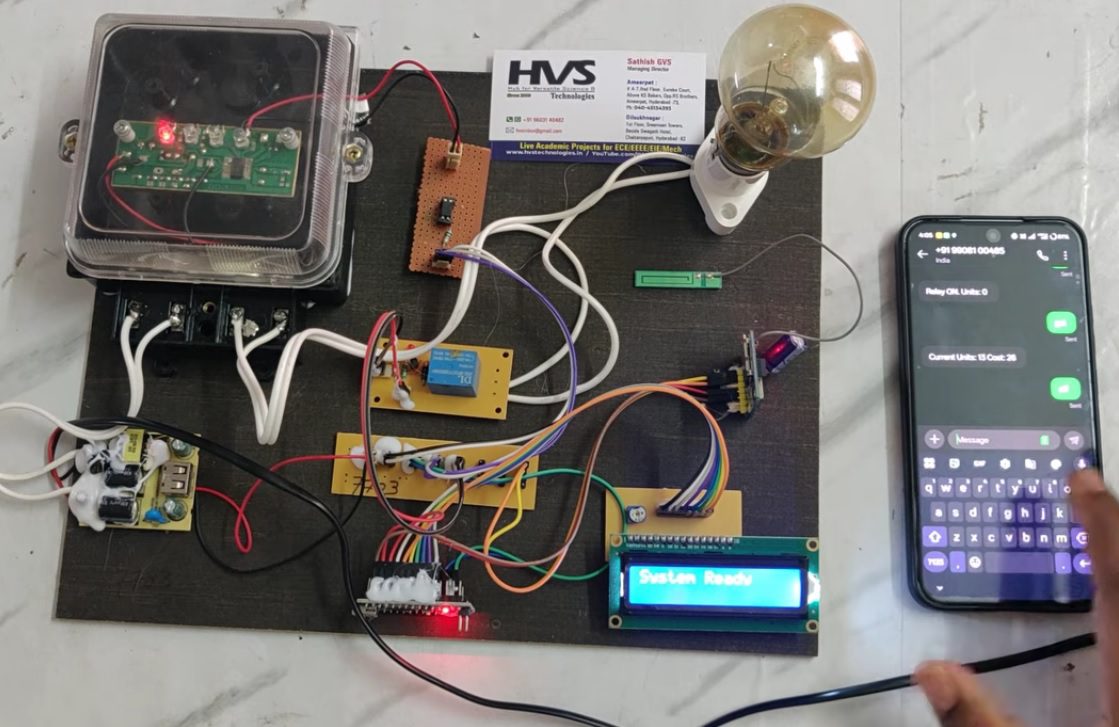
The project “Power Meter Billing and Load Control Using GSM” presents an intelligent and automated approach for energy monitoring, bill generation, and remote load control. The system integrates an Energy Meter, Optocoupler interface, Arduino Nano, GSM module, LCD display, and relay-based load disconnect mechanism to create a complete smart energy management solution.
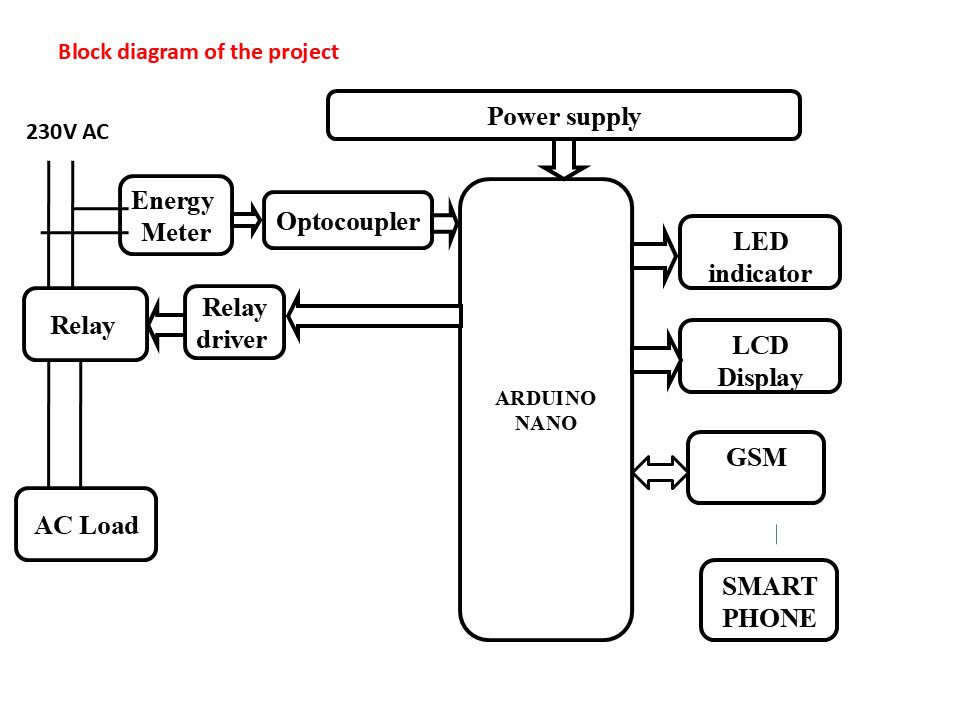
The Energy Meter continuously measures the electricity consumption of the connected AC load. The pulses generated by the meter are isolated through an optocoupler and fed to the Arduino Nano, which calculates the real-time energy usage and corresponding billing amount. This information is displayed locally on an LCD screen for the consumer’s reference and is also transmitted to the user’s mobile phone via the GSM module in the form of periodic SMS alerts.
If the consumer fails to pay the electricity bill within the specified time, the Electricity Department can remotely send a control SMS to the GSM module. Upon receiving the command, the Arduino activates the relay driver and disconnects the AC load through the relay, thereby cutting off the power supply. Once payment is completed, another SMS command can restore the power.
This GSM-enabled smart billing and load control system enhances transparency, reduces manual intervention, ensures timely bill payment, and supports automation in energy distribution networks. It can be effectively used by power utility companies to monitor consumption, send alerts, and manage load control in a reliable and user-friendly manner.
Objectives:
 video:
- To continuously monitor electricity consumption using an energy meter and accurately calculate real-time billing through Arduino Nano.
- To provide automatic billing updates to the consumer by sending periodic SMS alerts through the GSM module.
- To enhance transparency in energy usage by displaying consumption and billing details on an LCD screen.
- To reduce manual meter reading efforts by enabling remote and automated communication between the consumer and electricity department.
- To integrate a remote load control mechanism, allowing the electricity board to disconnect the power supply using an SMS command if the user fails to pay the bill on time.
- To ensure safe switching of the AC load through an isolated relay and relay driver circuit to prevent electrical hazards.
- To maintain proper electrical isolation using an optocoupler to safely interface the energy meter pulses with the microcontroller.
- To support quick reconnection of supply once the bill is paid, using authenticated SMS commands.
- To develop a reliable, low-cost, and user-friendly GSM-based energy management system suitable for households, commercial buildings, and utility providers.
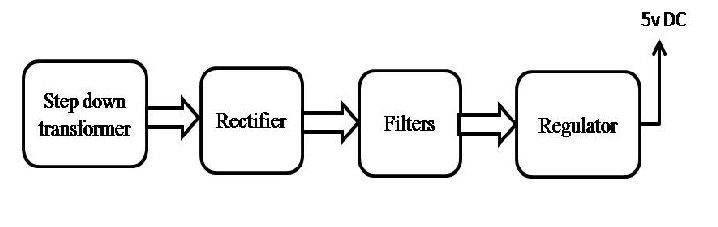
- Regulated Power Supply.
- ARDUINO NANO.
- GSM Modem.
- Digital Energy Meter.
- Optocoupler.
- Relay with driver.
- LCD with driver.
- Arduino IDE Studio compiler for Embedded C programming.
- Express SCH for Circuit design.
 video: