-
 1 × ₹16,000.00
Subtotal ₹74,000.00
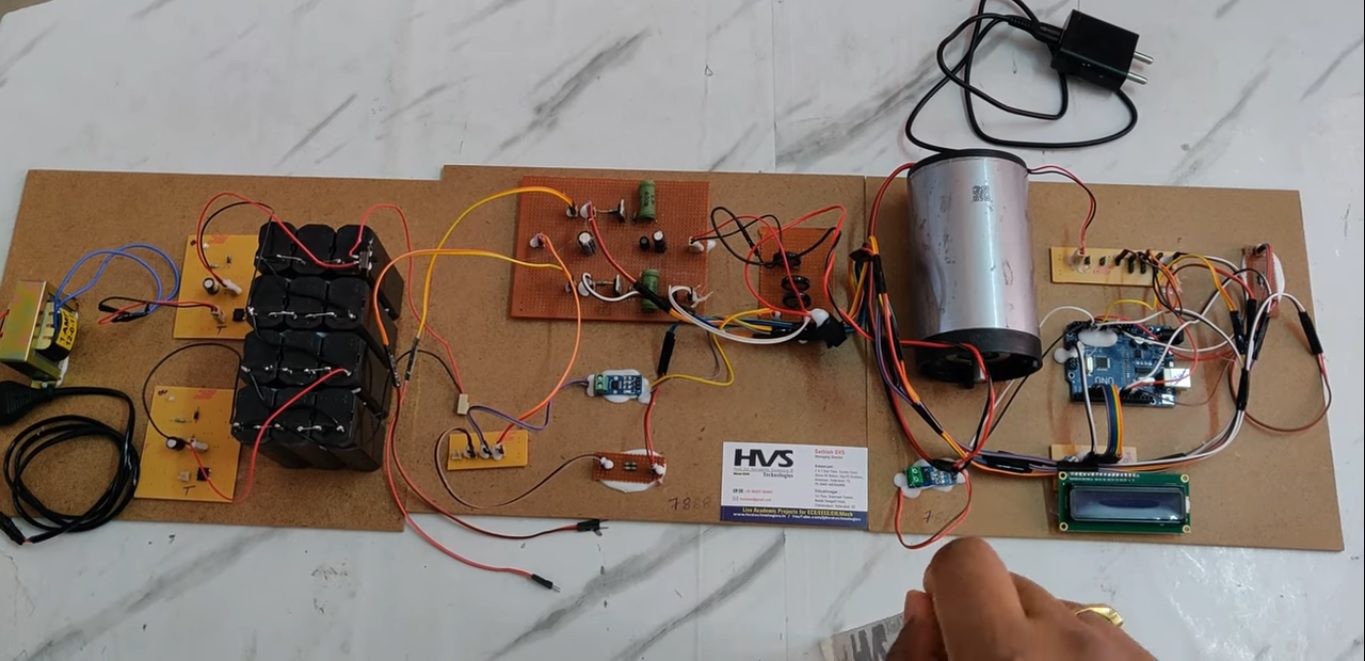
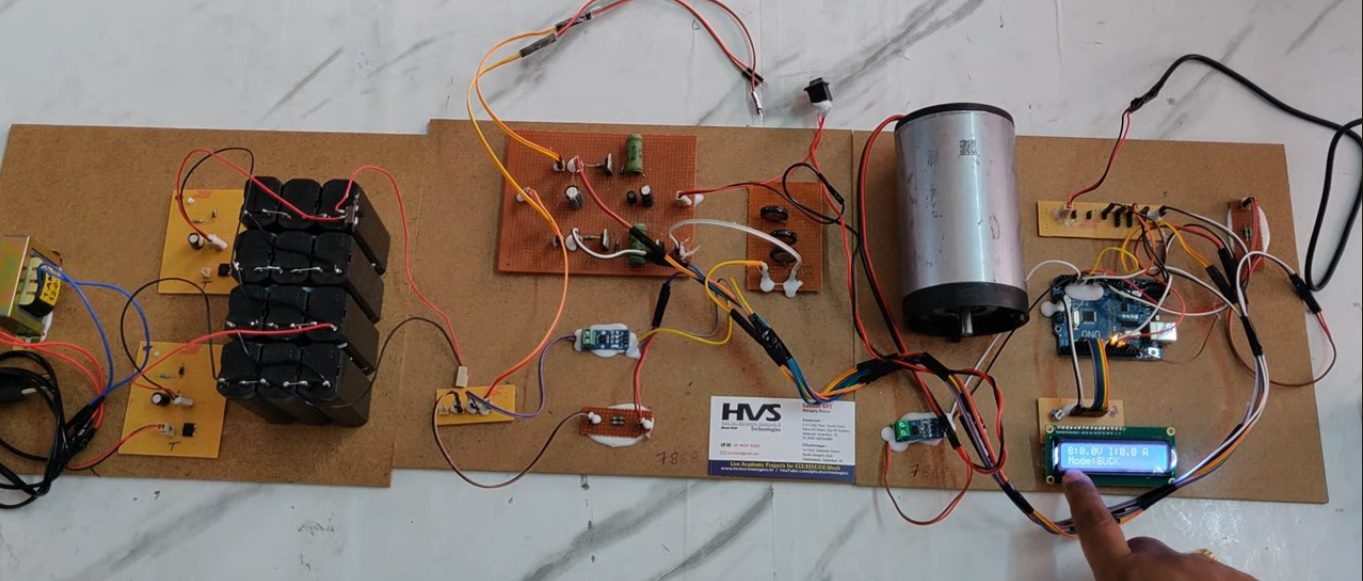
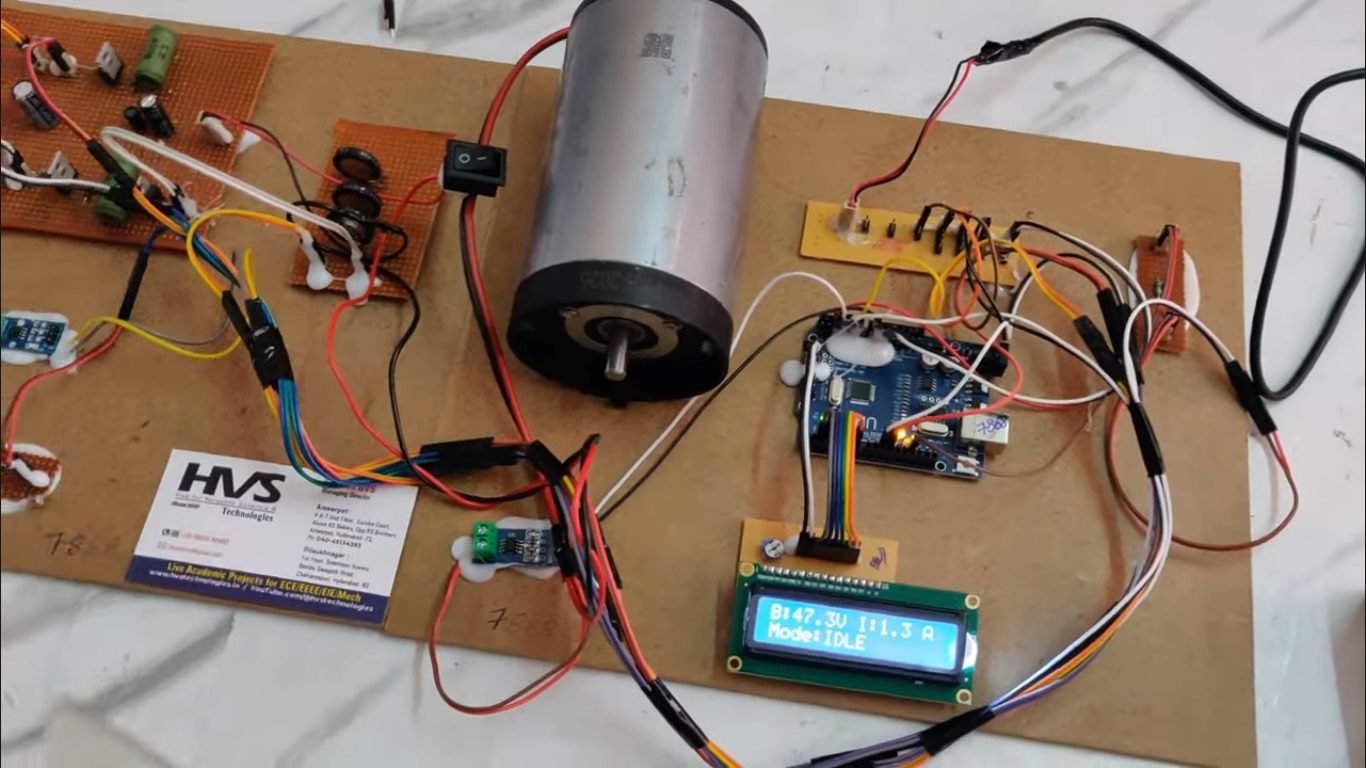
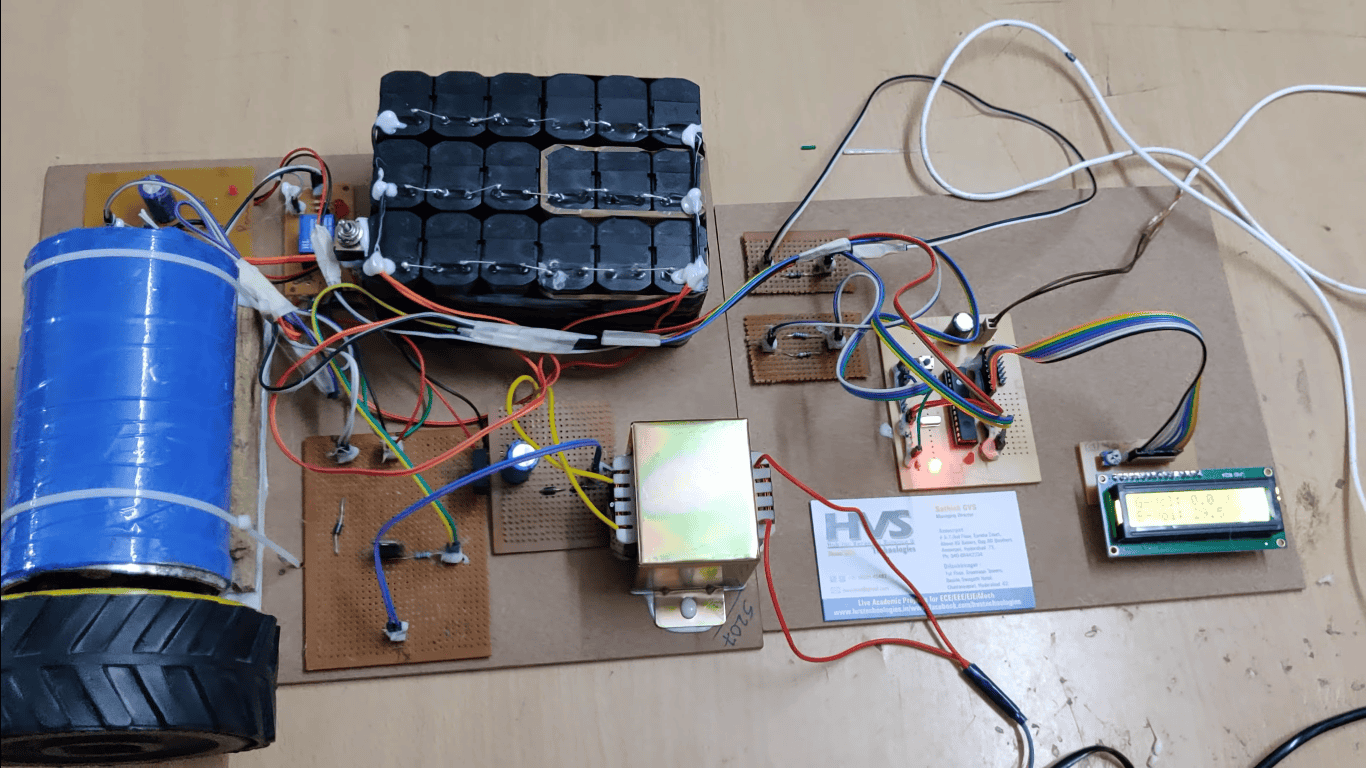
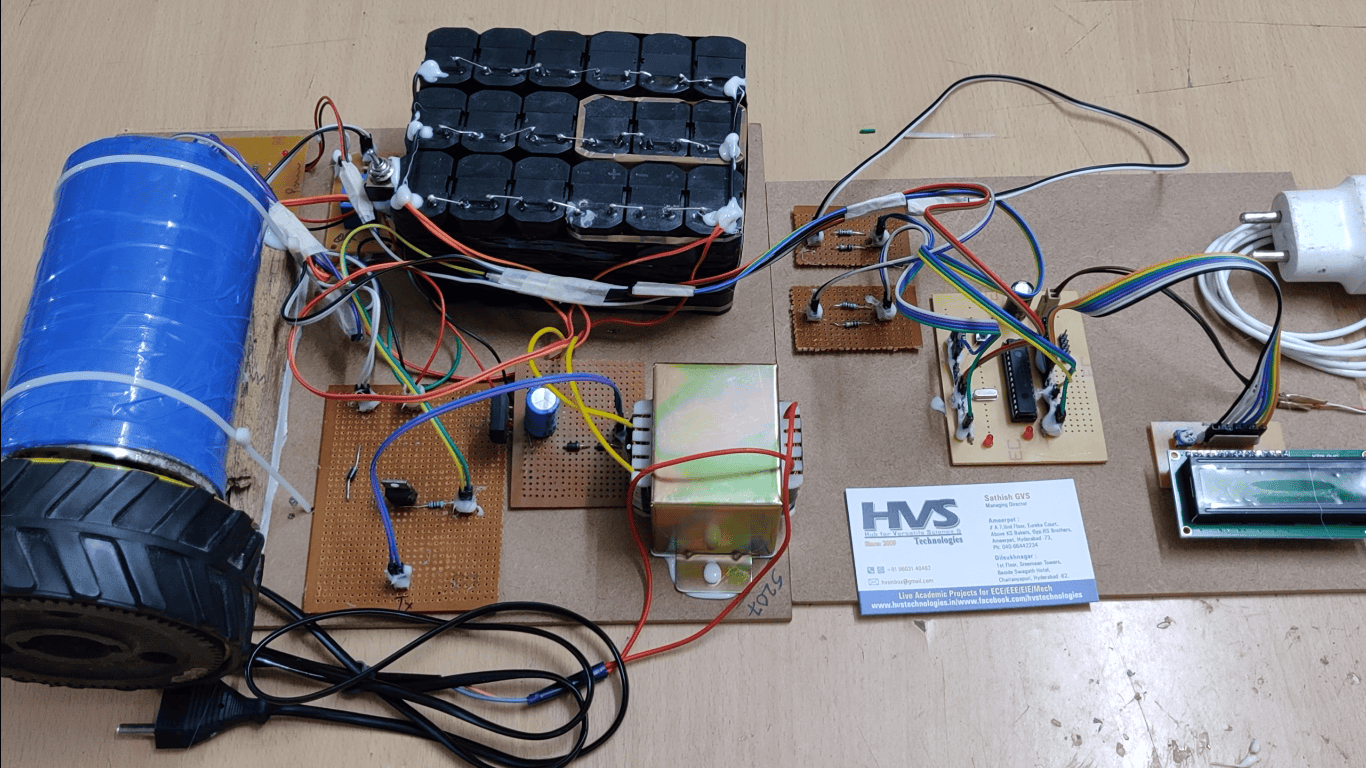
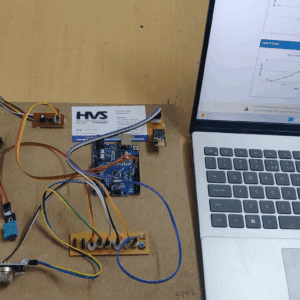
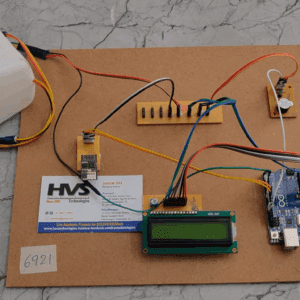
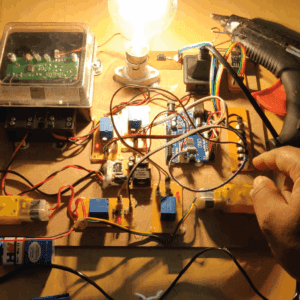
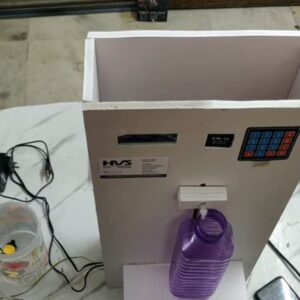
The increasing demand for energy-efficient Hybrid Electric Vehicles (HEVs) has led to the development of advanced energy storage systems that combine batteries and supercapacitors. This project presents the design and implementation of an energy-efficient supercapacitor-based power management system for HEV applications. The proposed system integrates a 48V battery and a supercapacitor through a bidirectional buck–boost converter controlled by an Arduino Uno.
The main objective of the system is to enhance efficiency and extend battery life by intelligently managing power flow between the battery, supercapacitor, and load (DC motor). During high load current conditions, the supercapacitor supplies additional power to the load through boost mode operation, thereby reducing stress on the battery. When the load current decreases and excess battery power is available, the converter operates in buck mode to charge the supercapacitor efficiently.
Voltage and current sensors are used to continuously monitor battery voltage and current, supercapacitor voltage and current, and load current. These parameters are displayed in real-time on an LCD module. Based on the sensed values, the Arduino Uno generates appropriate PWM signals to control the bidirectional buck–boost converter, ensuring seamless energy transfer and optimal performance.
The proposed system improves dynamic response, enhances energy utilization, reduces battery degradation, and increases overall system efficiency, making it highly suitable for hybrid electric vehicle applications.
Objectives: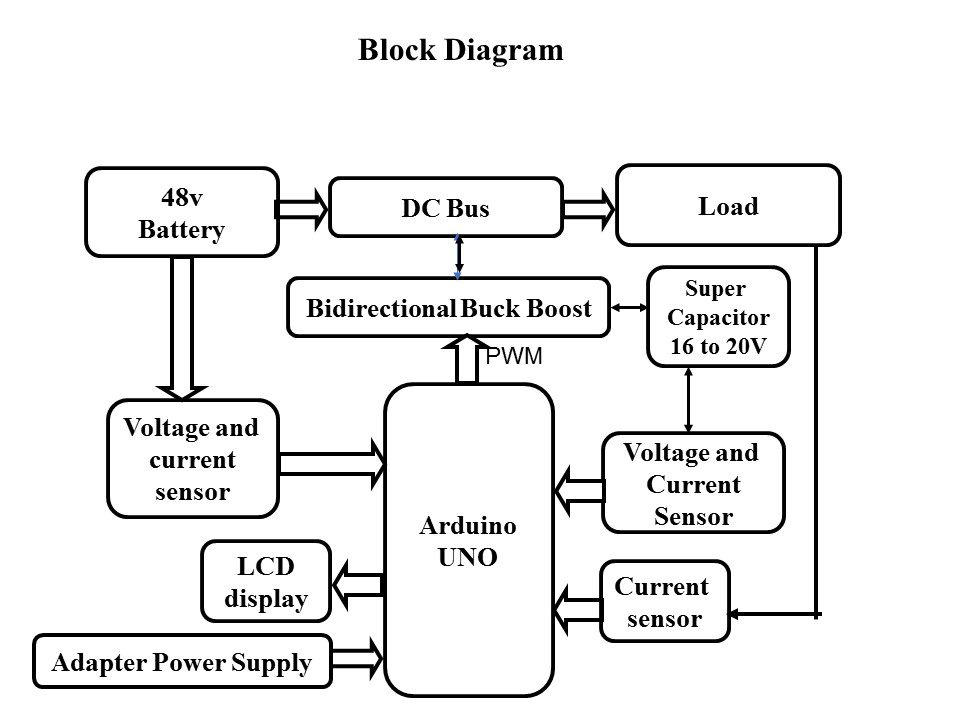 video: