No products in the cart.


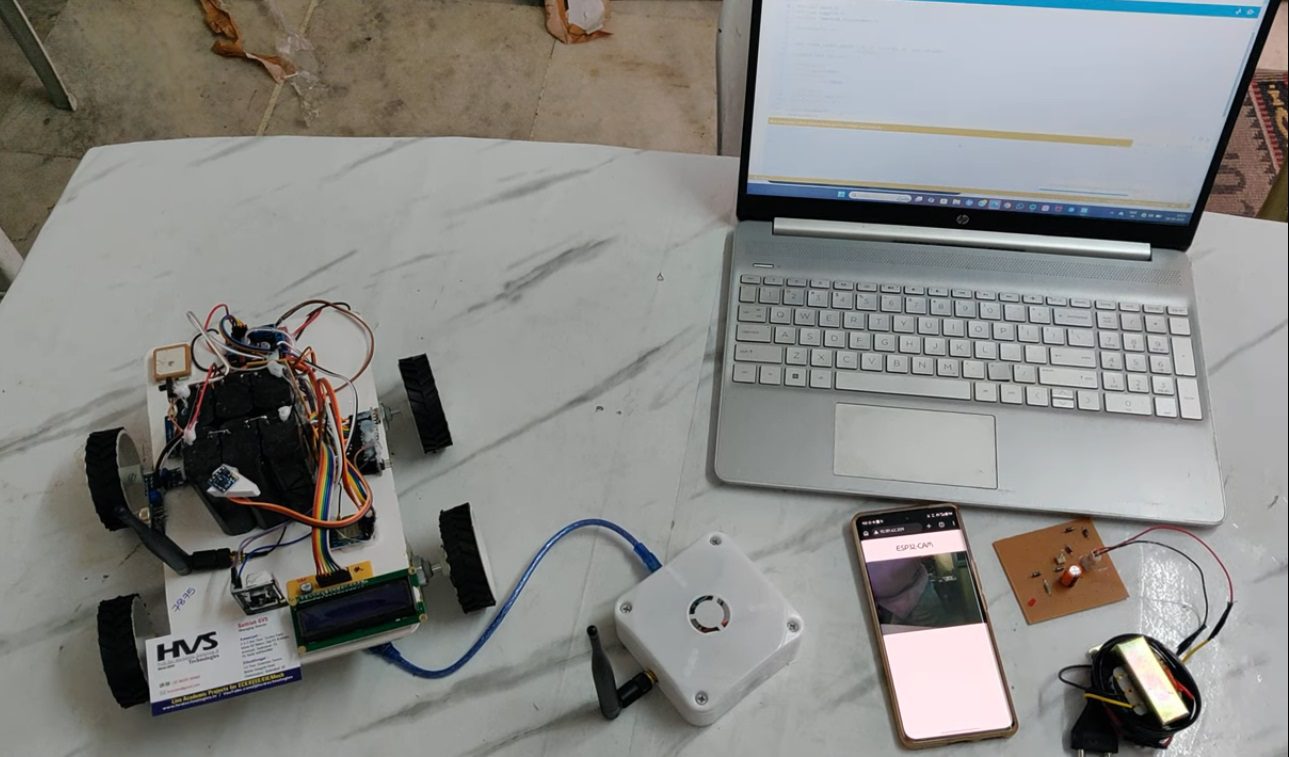
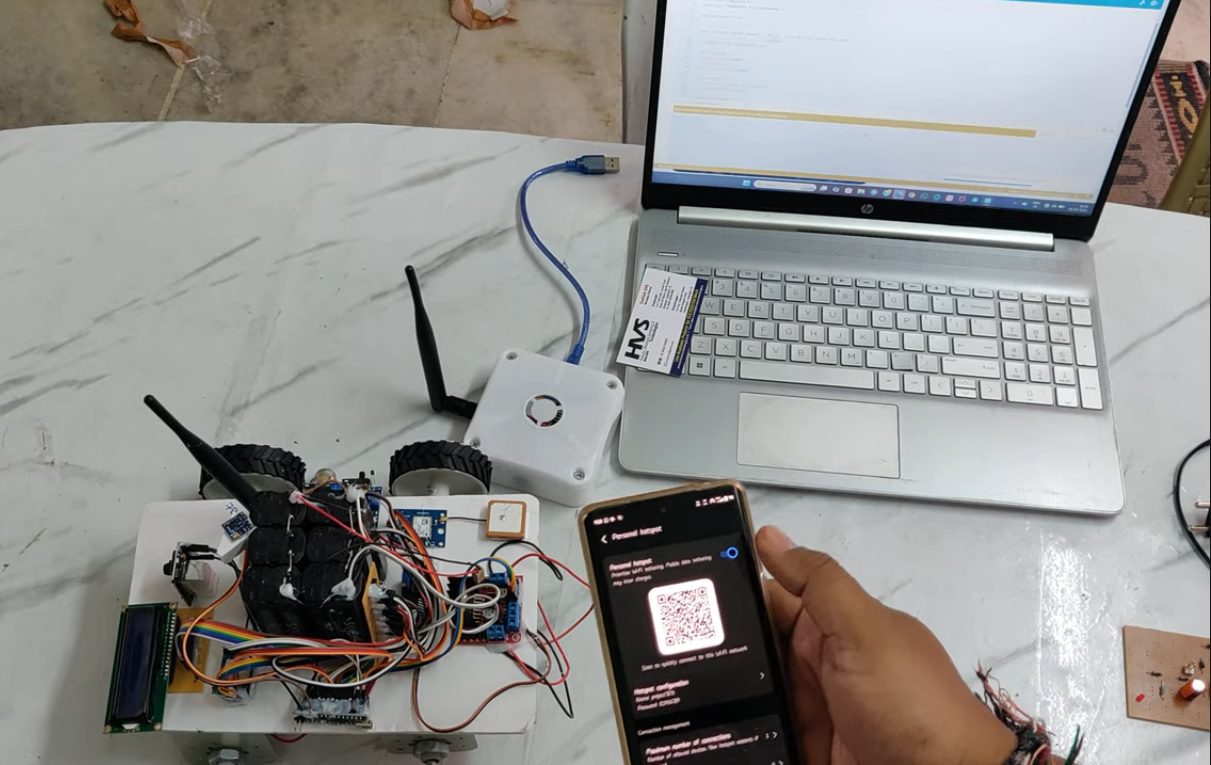
Natural and man-made disasters often create hazardous environments that are unsafe for human rescuers to access. To address this challenge, this project presents the Design and Development of a Rescue Rover Robot for Disaster Management using LoRa communication technology for long-range control and monitoring. The proposed system is designed to navigate autonomously to a specified location by receiving GPS coordinates transmitted from a remote user.
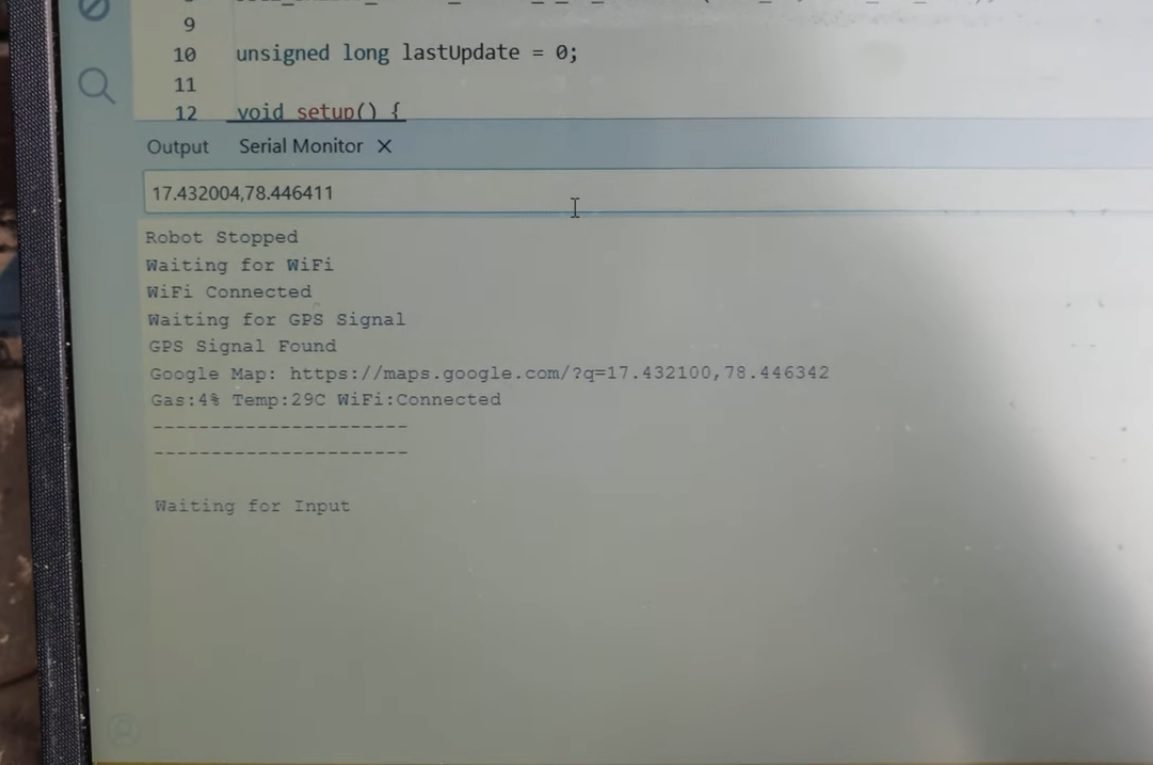
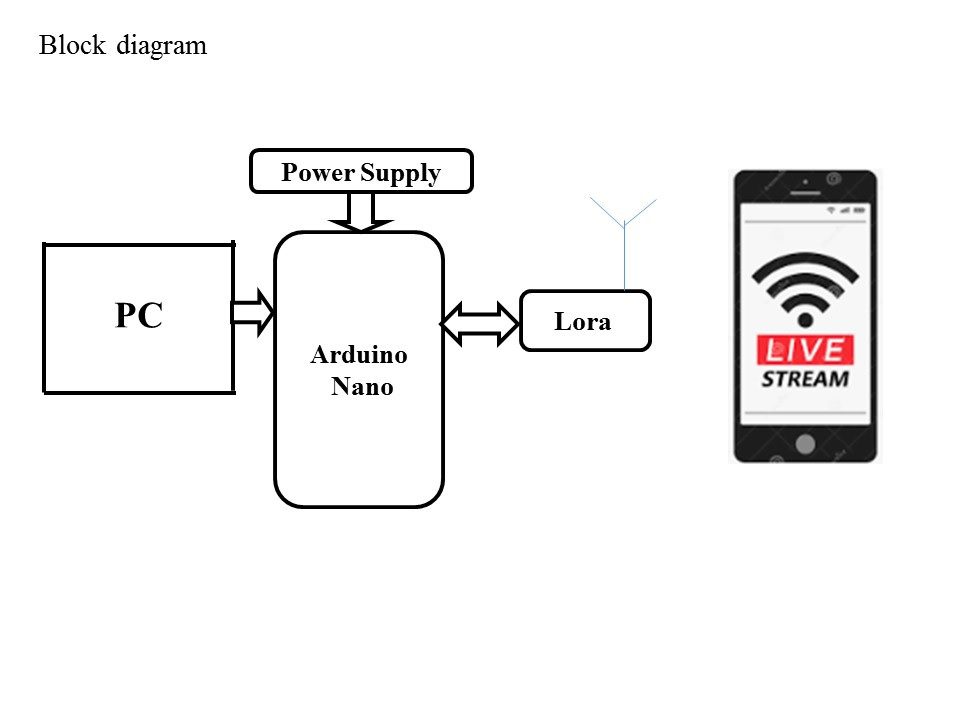
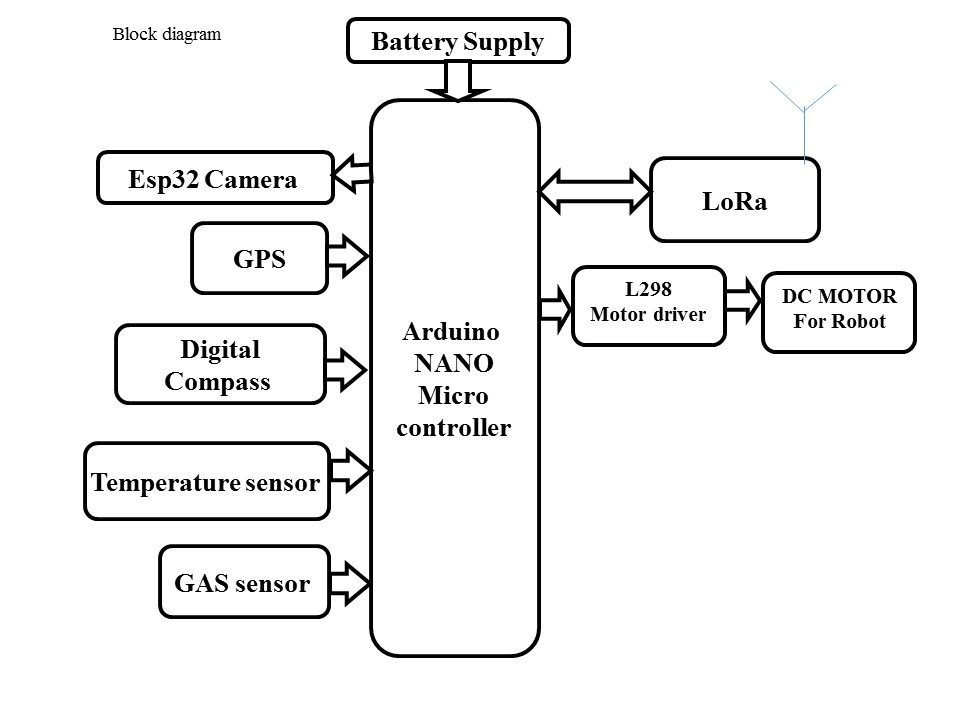
The rescue rover is built around an Arduino Nano microcontroller, which acts as the central control unit. A LoRa module enables long-distance, low-power wireless communication between the rover and the user. Upon receiving target coordinates, the robot autonomously moves toward the destination using real-time GPS data and a digital compass for navigation. Once the rover reaches the target location, it sends a confirmation message to the user and continuously transmits latitude and longitude values, temperature data, and gas concentration levels to assist in situational assessment.
An ESP32-CAM module is integrated to provide live video streaming, allowing real-time visual monitoring of the disaster area on the user’s mobile device. The rover is driven using DC motors controlled through an L298 motor driver, ensuring reliable movement over rough terrain. In case of Wi-Fi disconnection during operation, the system ensures fail-safe communication by notifying the user through the serial monitor using LoRa, thereby maintaining operational reliability.
The proposed rescue rover enhances disaster response by enabling remote surveillance, environmental monitoring, and autonomous navigation in dangerous zones. This system reduces risks to human rescuers and provides timely, accurate information, making it a cost-effective and efficient solution for disaster management applications.
Features of Rescue Rover Robot:
 video:
The robot can be controlled from a long distance using LoRa communication.
The user can send GPS coordinates, and the robot will move automatically to that location.
It shares its current location (latitude and longitude) continuously.
A camera provides live video streaming to the user’s mobile phone.
The robot can measure temperature in the disaster area.
It can detect harmful gases using a gas sensor.
Once the robot reaches the given location, it sends a confirmation message to the user.
If the Wi-Fi connection is lost, the robot alerts the user through LoRa/serial monitor.
DC motors allow the robot to move smoothly on rough surfaces.
The system is battery powered, making it easy to carry and deploy.
It helps rescue teams monitor dangerous areas without human presence.
The major building blocks of this project are:- Rechargeable battery.
- ESP32 Camera.
- TWO Arduino Nano modules.
- DC motor with l298 driver.
- GPS.
- Digital compass.
- Temperature sensor.
- GAS sensor.
- LoRa Modules.
- PC.
- Arduino IDE for compiling and dumping code into ESP32 Camera and Arduino NANO.
- Express SCH for Circuit design.
 video: