Subtotal ₹18,000.00


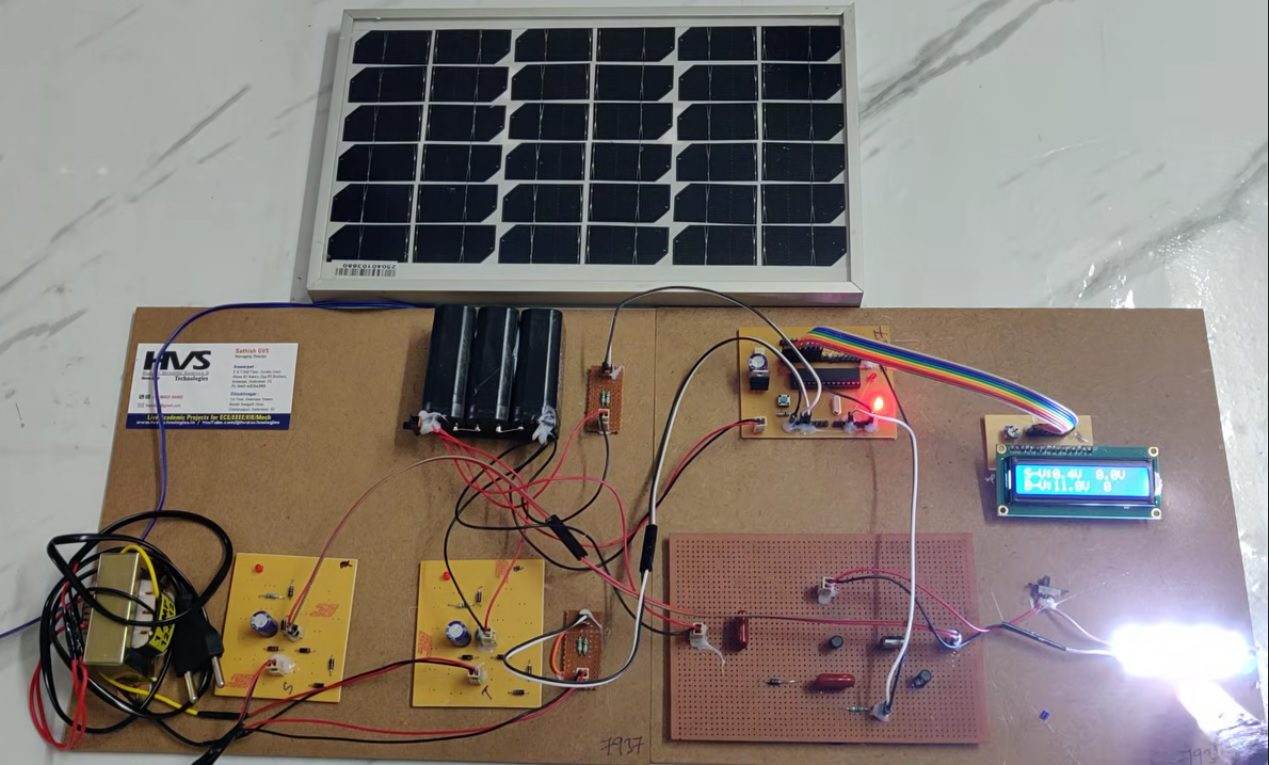
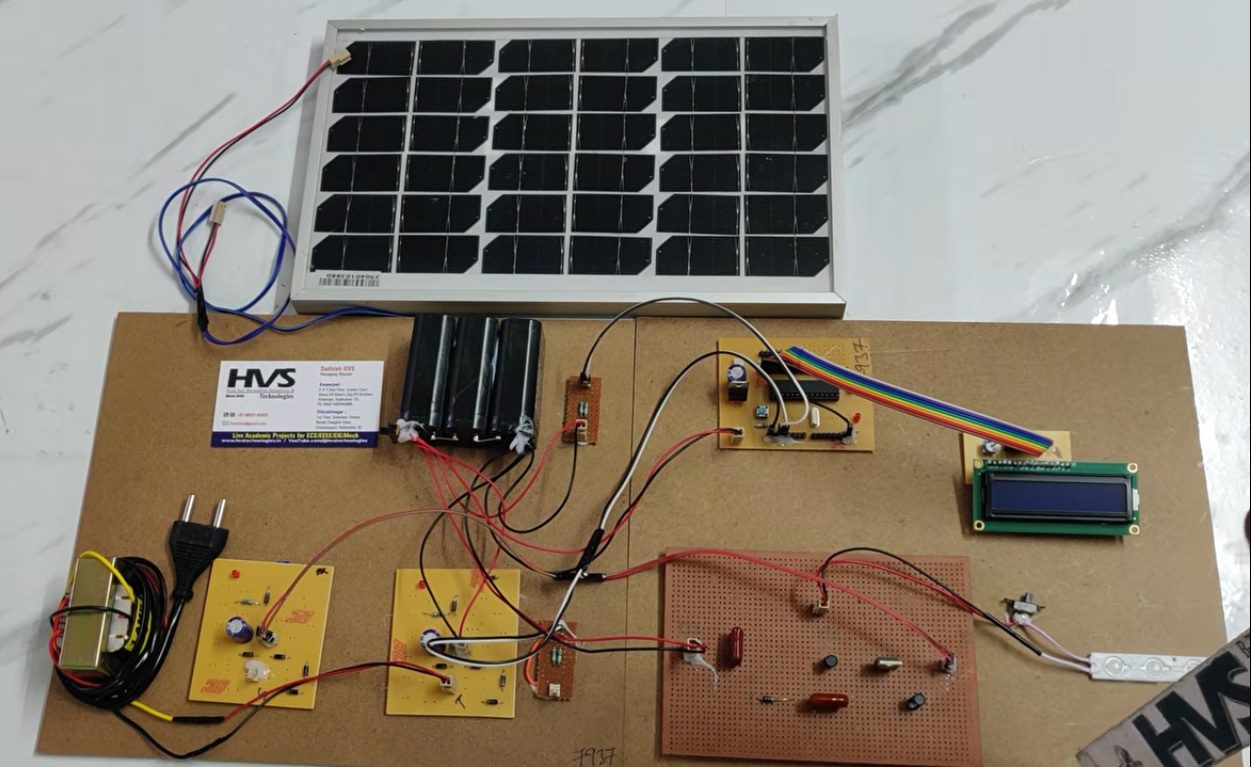
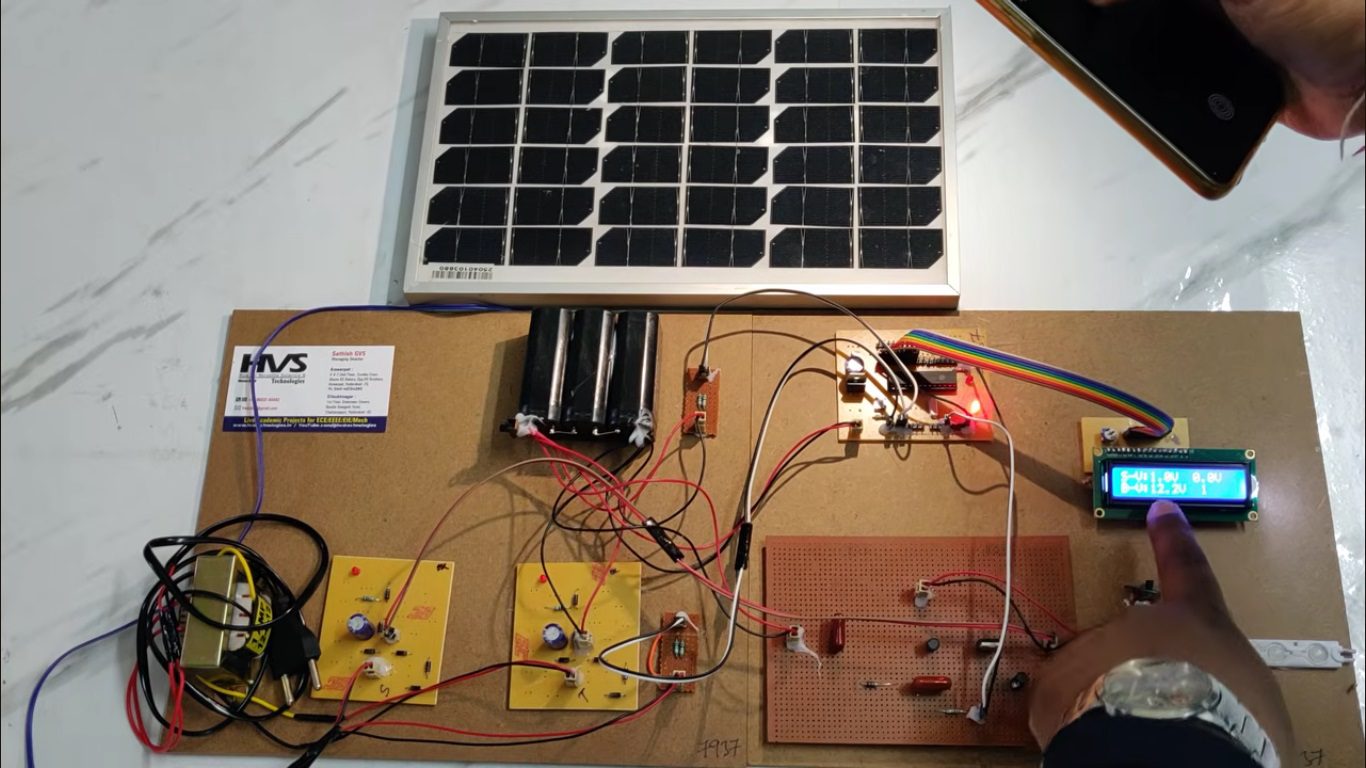
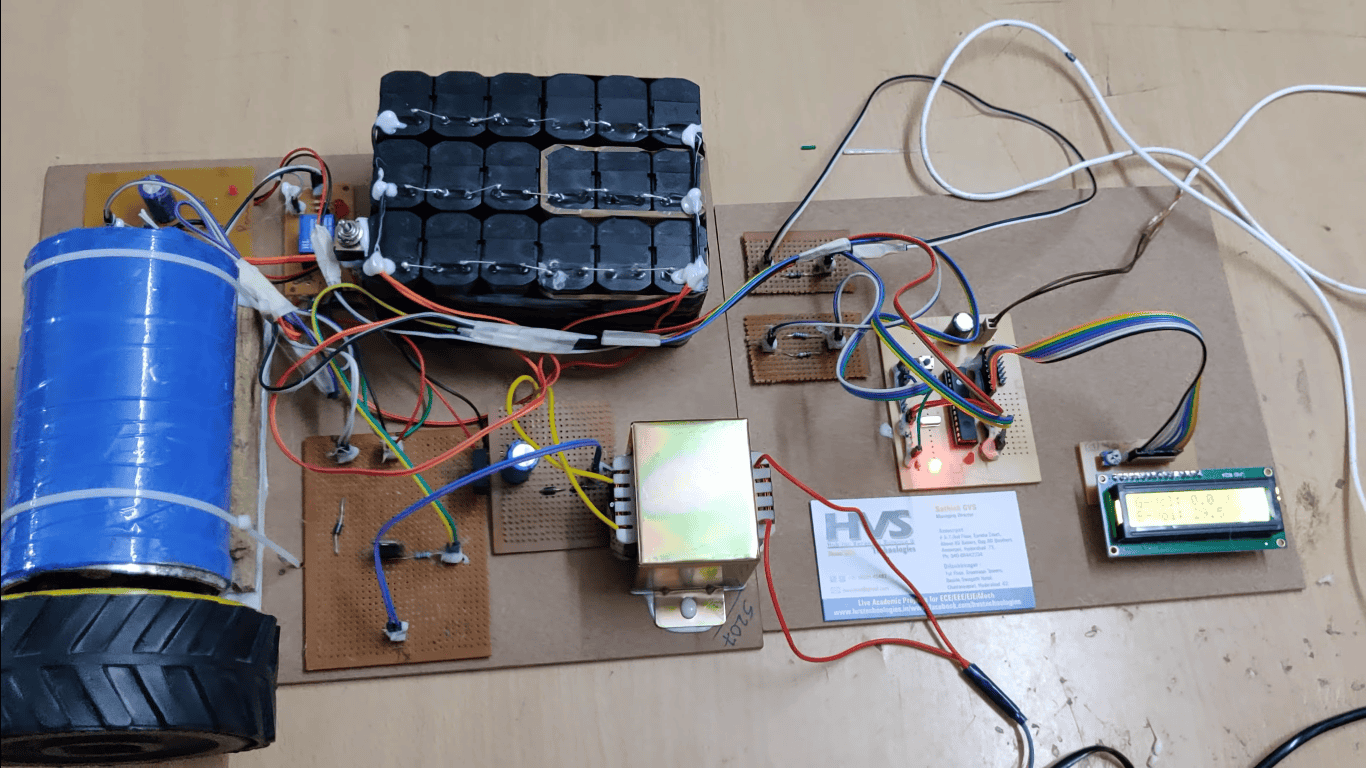
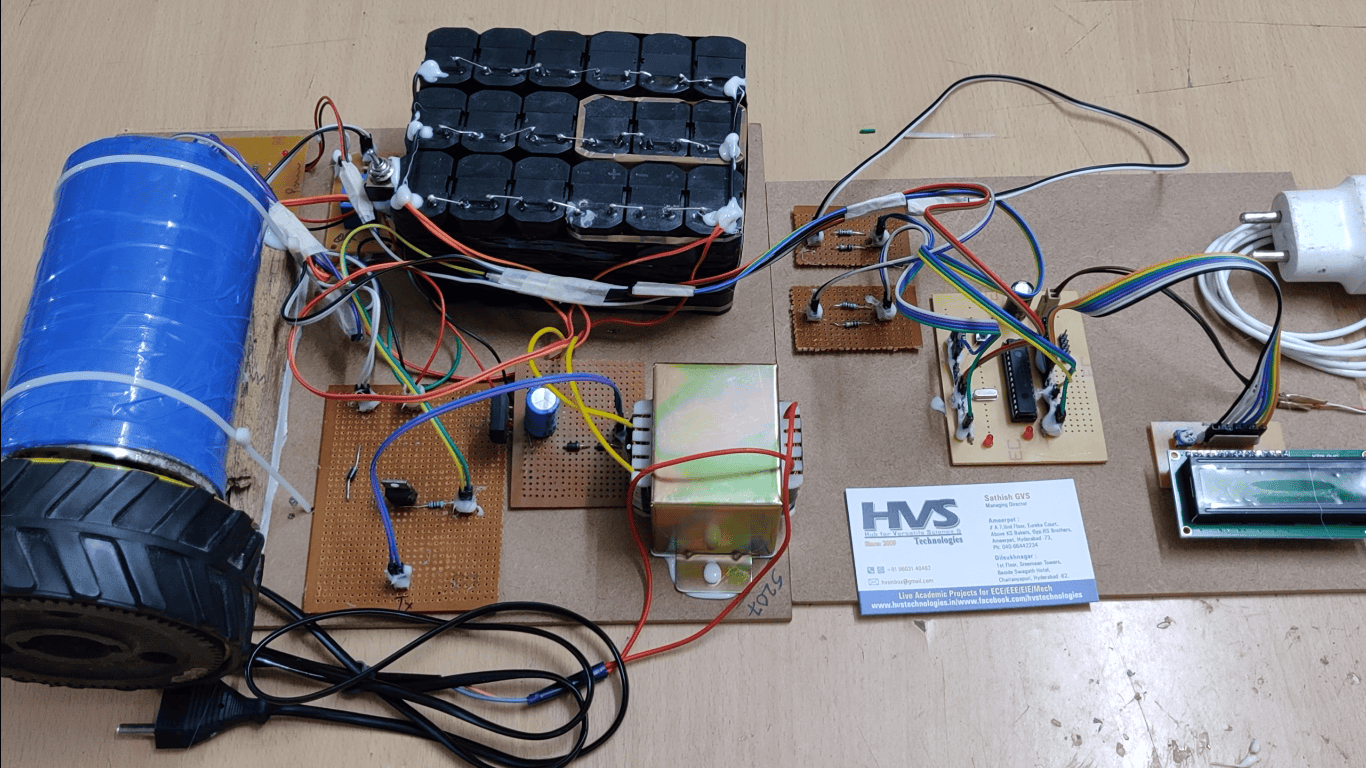
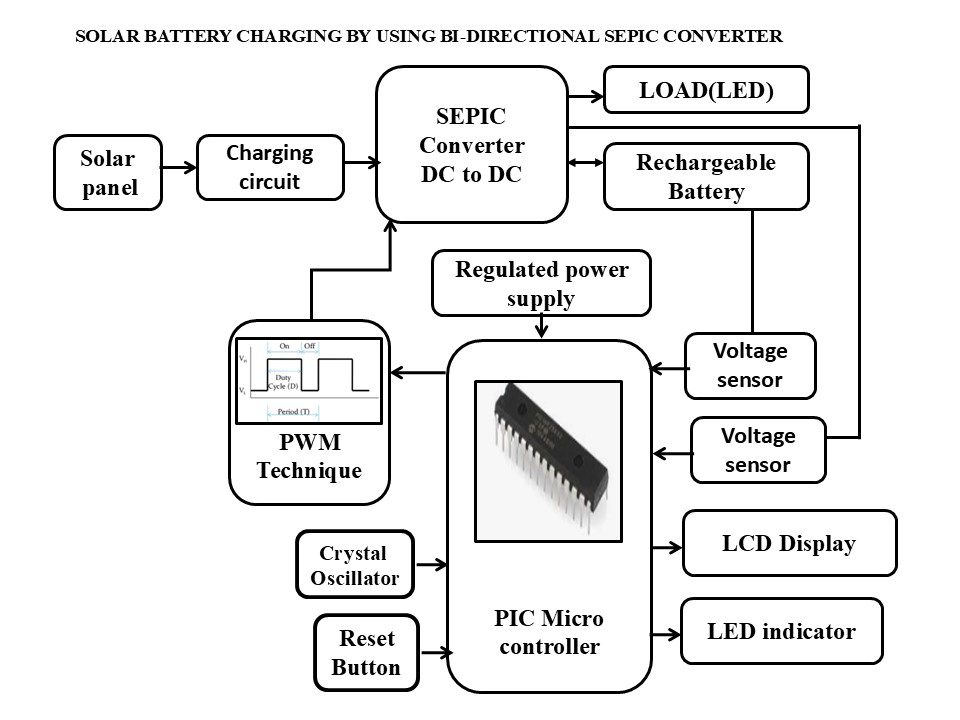
The Solar Battery Charging System Using Bi-Directional SEPIC Converter is designed to efficiently manage power flow between a solar panel, rechargeable battery, and load. The system utilizes a bi-directional Single-Ended Primary Inductor Converter (SEPIC) to enable both step-up and step-down voltage conversion, ensuring stable power transfer under varying solar conditions. During charging mode, power flows from the solar panel to the battery through the SEPIC converter. In discharging mode, stored energy from the battery is supplied to the load through the same converter, enabling bidirectional operation. A PIC microcontroller generates PWM signals to control the switching of the SEPIC converter and regulate output voltage. The voltage sensors measure both the battery voltage and the output voltage of the bi-directional SEPIC converter. These values are fed to the PIC microcontroller’s ADC, and the real-time voltage readings are displayed on the LCD for user monitoring. The system improves energy utilization, enhances battery life through controlled charging, and provides a reliable renewable energy solution for standalone applications.
Major components presenting this system:
 video:
- Solar panel.
- Charging circuit.
- Rechargeable Battery
- PIC Micro controller
- SEPIC converter.
- Voltage sensors.
- LCD display.
- Crystal oscillator.
- Reset Button.
- LED indicator.
- PIC-C compiler for Embedded C programming.
- PIC kit 2 programmer for dumping code into Micro controller.
- Express SCH for Circuit design.
 video: