No products in the cart.


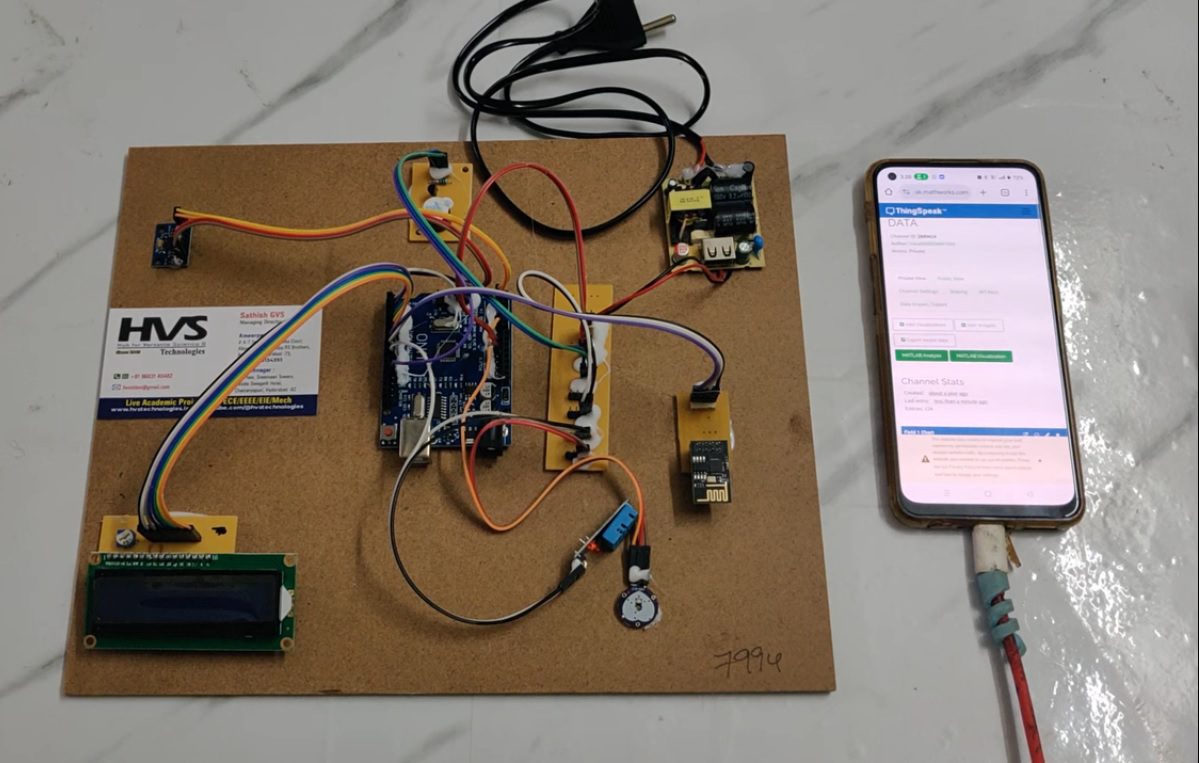
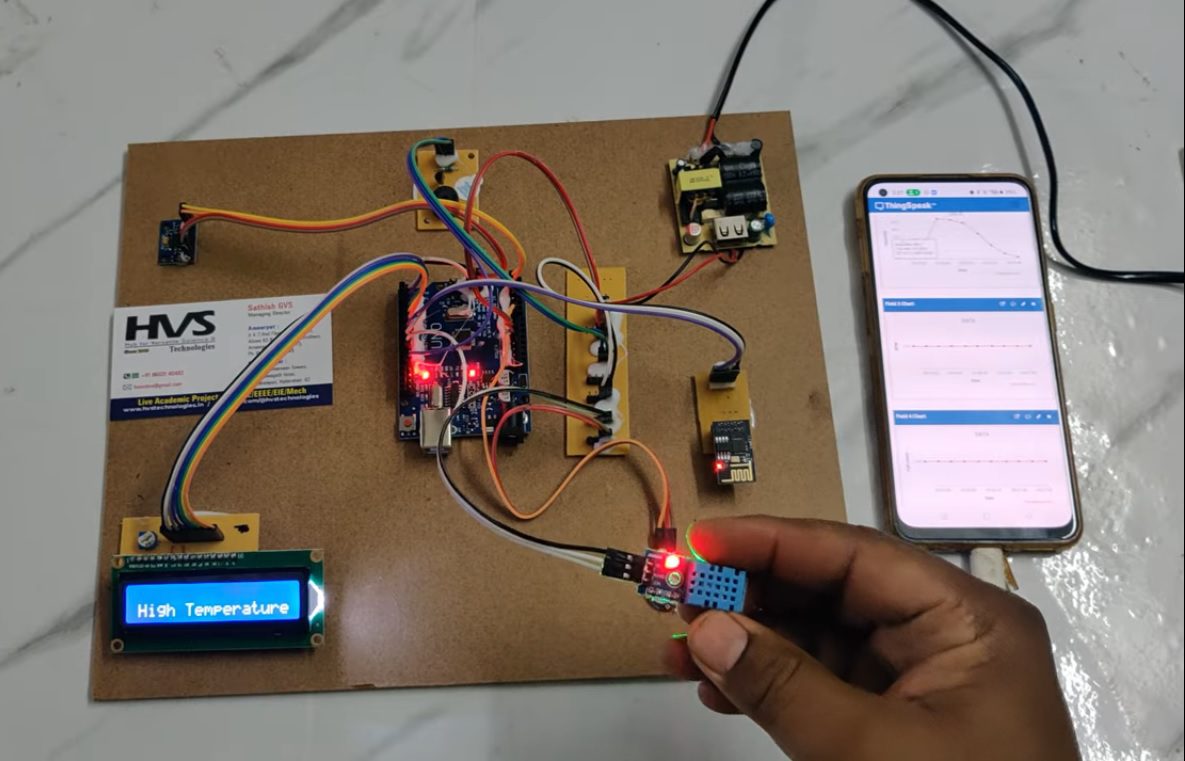
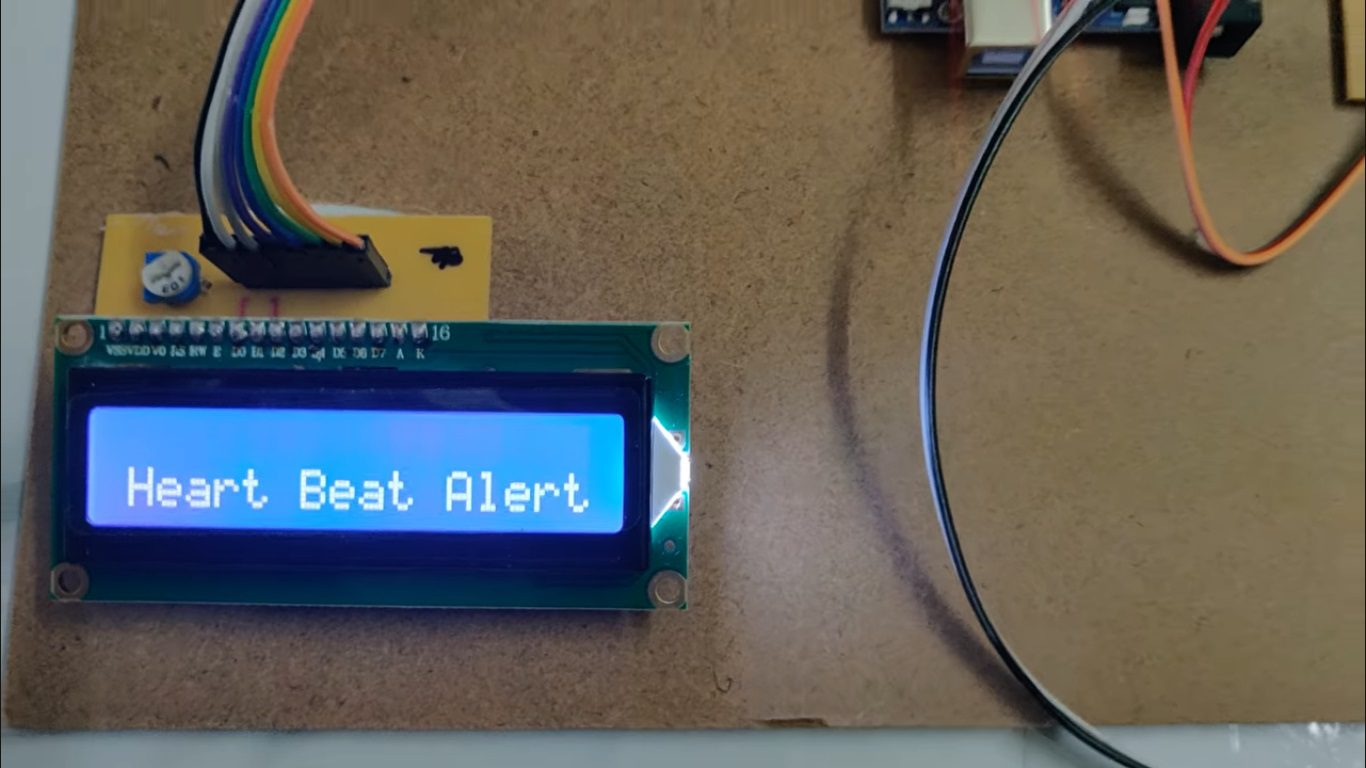
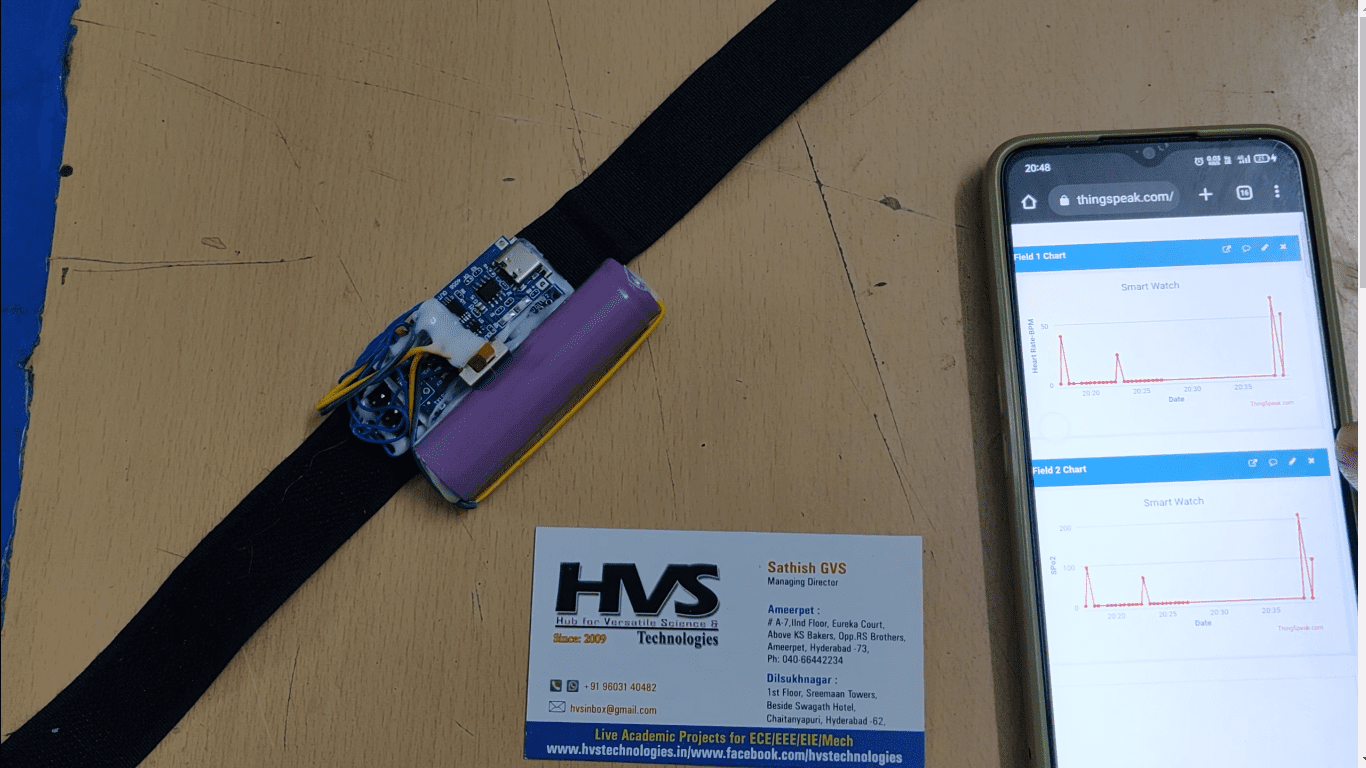
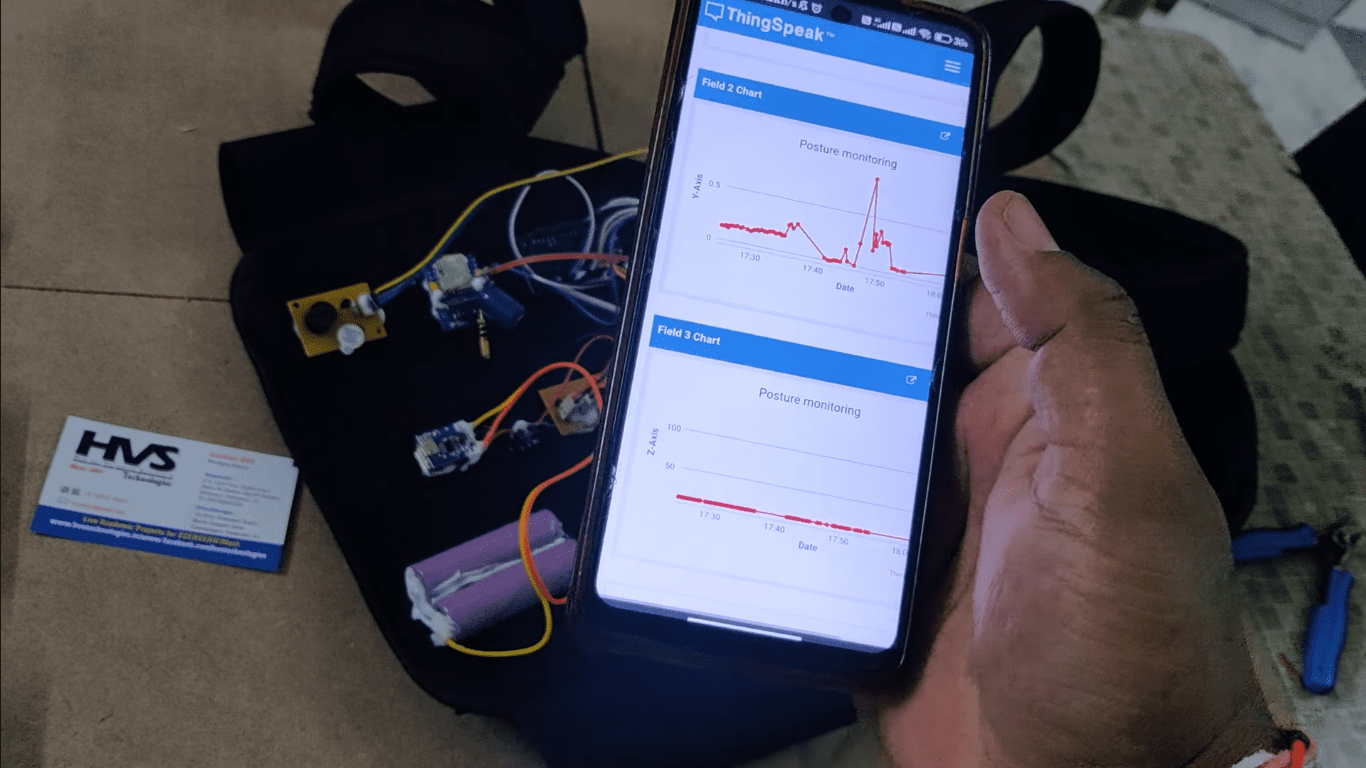
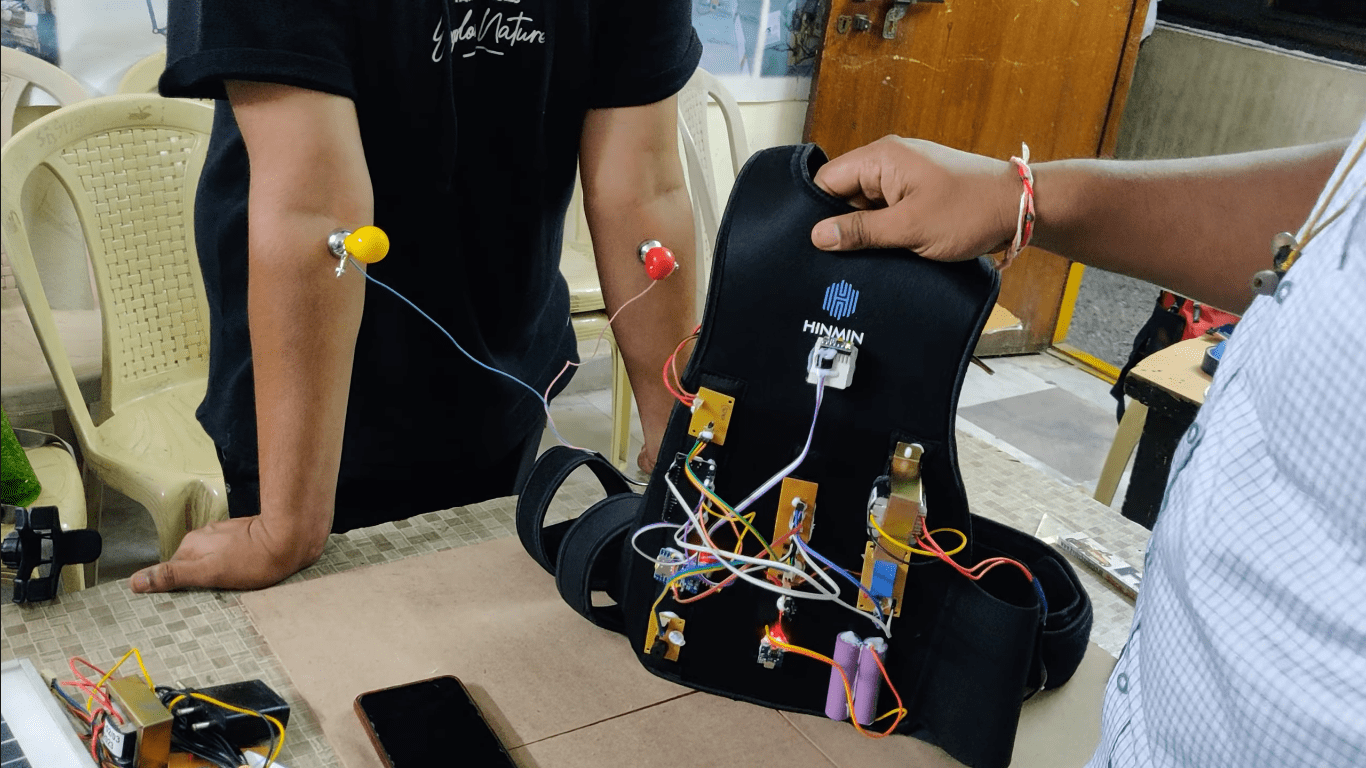
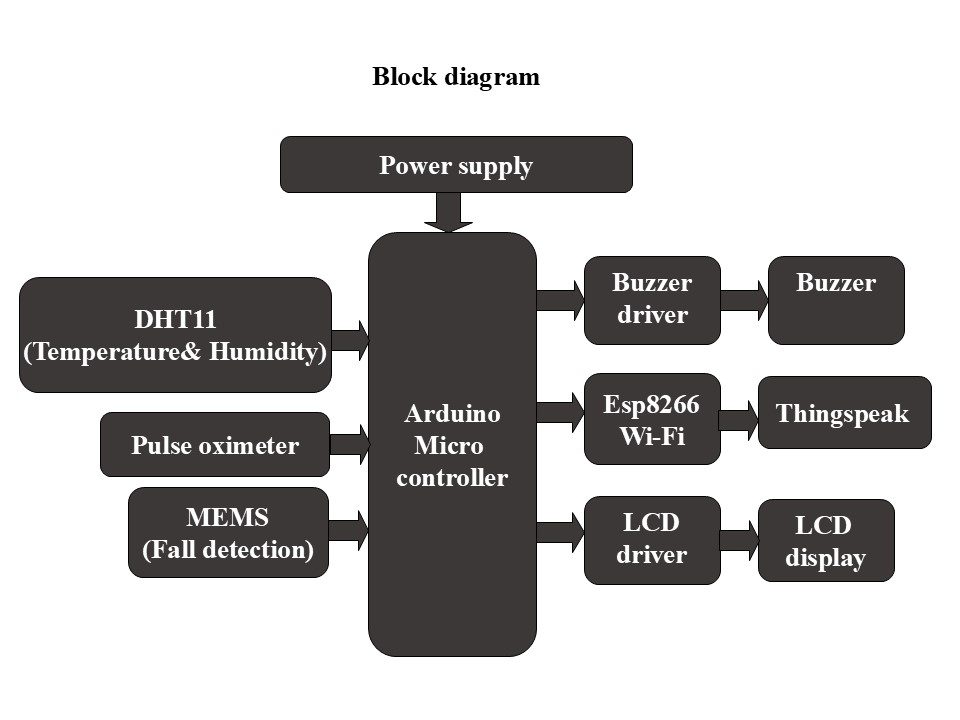
The Paralysis Patient Health Monitoring System using IoT is designed to continuously monitor the vital health parameters of patients who are physically immobile and unable to communicate effectively. This system utilizes an Arduino-based platform integrated with multiple sensors such as a DHT11 sensor for measuring ambient temperature and humidity, a pulse oximeter sensor for monitoring heart rate and oxygen saturation levels, and a MEMS sensor for detecting patient movement or fall conditions. The collected data is displayed in real-time on an LCD for local monitoring and analyzed to detect abnormal conditions. In case of any irregularities, a buzzer alert system is activated to notify caregivers immediately. Furthermore, the ESP8266 Wi-Fi module is used to transmit the patient’s health data to the ThingSpeak cloud platform, enabling remote monitoring by doctors and family members from anywhere. This IoT-based solution enhances patient safety, ensures timely medical assistance, and reduces the need for constant physical supervision, making it highly beneficial for paralysis patient care.
The objectives of the project include:
 video:
Continuous Health Monitoring: To continuously monitor vital health parameters of paralysis patients such as heart rate, oxygen saturation, and ambient conditions.
Fall Detection: To detect sudden falls or abnormal movements using MEMS sensors for timely alerting.
Real-Time Alerts: To provide immediate notifications through a buzzer when abnormal health conditions or emergencies are detected.
Remote Monitoring: To enable remote observation of patient health by uploading sensor data to the ThingSpeak IoT platform via ESP8266.
Data Visualization: To display real-time sensor data on an LCD for easy local monitoring by caregivers.
Enhanced Patient Safety: To reduce risks associated with immobility by ensuring timely intervention and medical assistance.
Automation & Reliability: To create an automated system that reduces the need for constant manual supervision, ensuring reliable care.
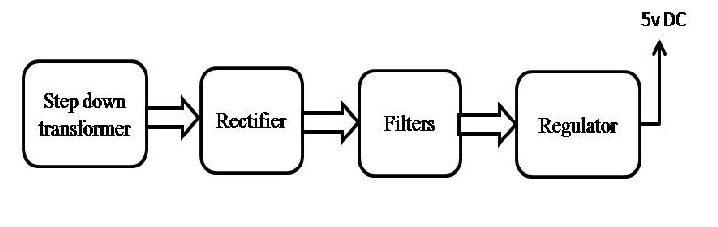
The major building blocks of this project are:- Regulated Power Supply.
- Arduino UNO Microcontrollers.
- Buzzer with driver.
- DHT11.
- Pulse oximeter sensor.
- MEMS sensor.
- Esp8266 wi-fi module.
- LCD display.
- Embedded C programming.
- Arduino IDE for dumping code into Microcontroller.
- Express SCH for circuit designing.
 video: