Subtotal ₹23,000.00


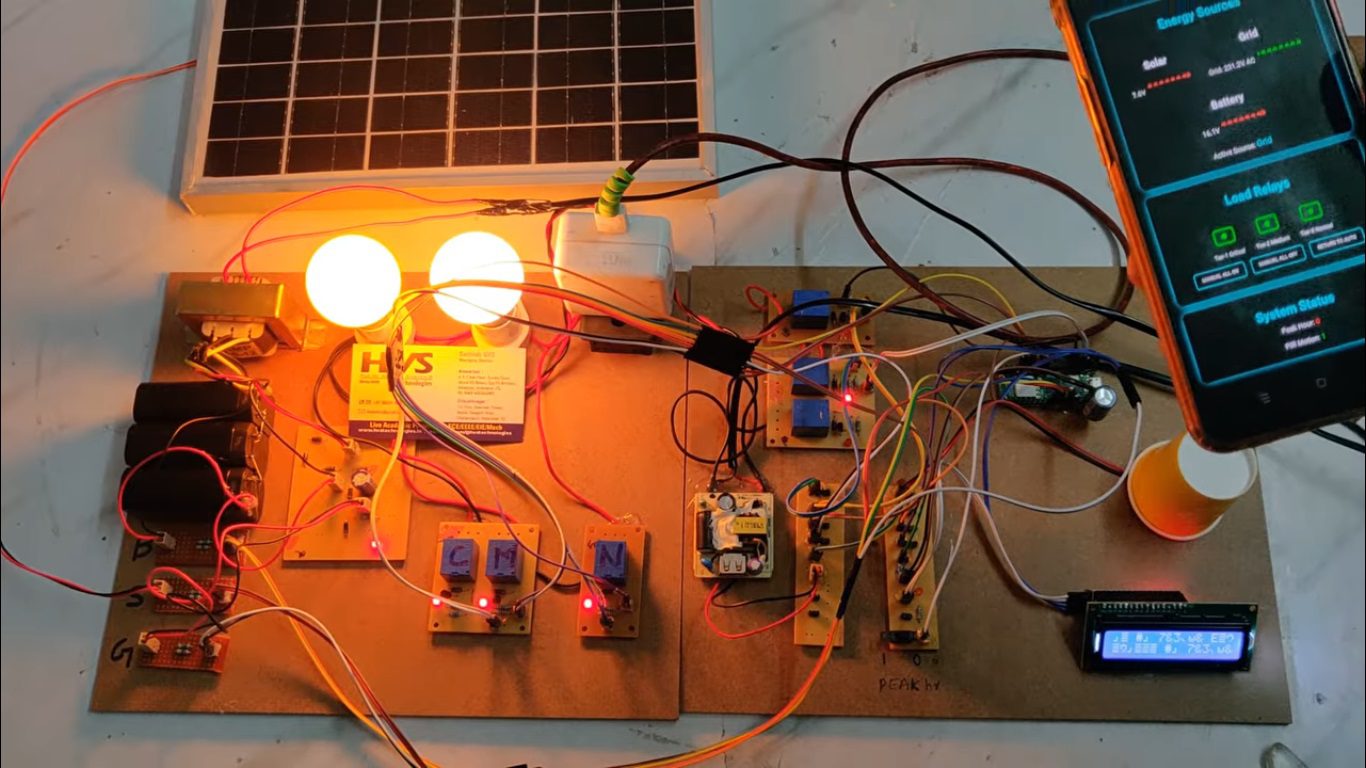
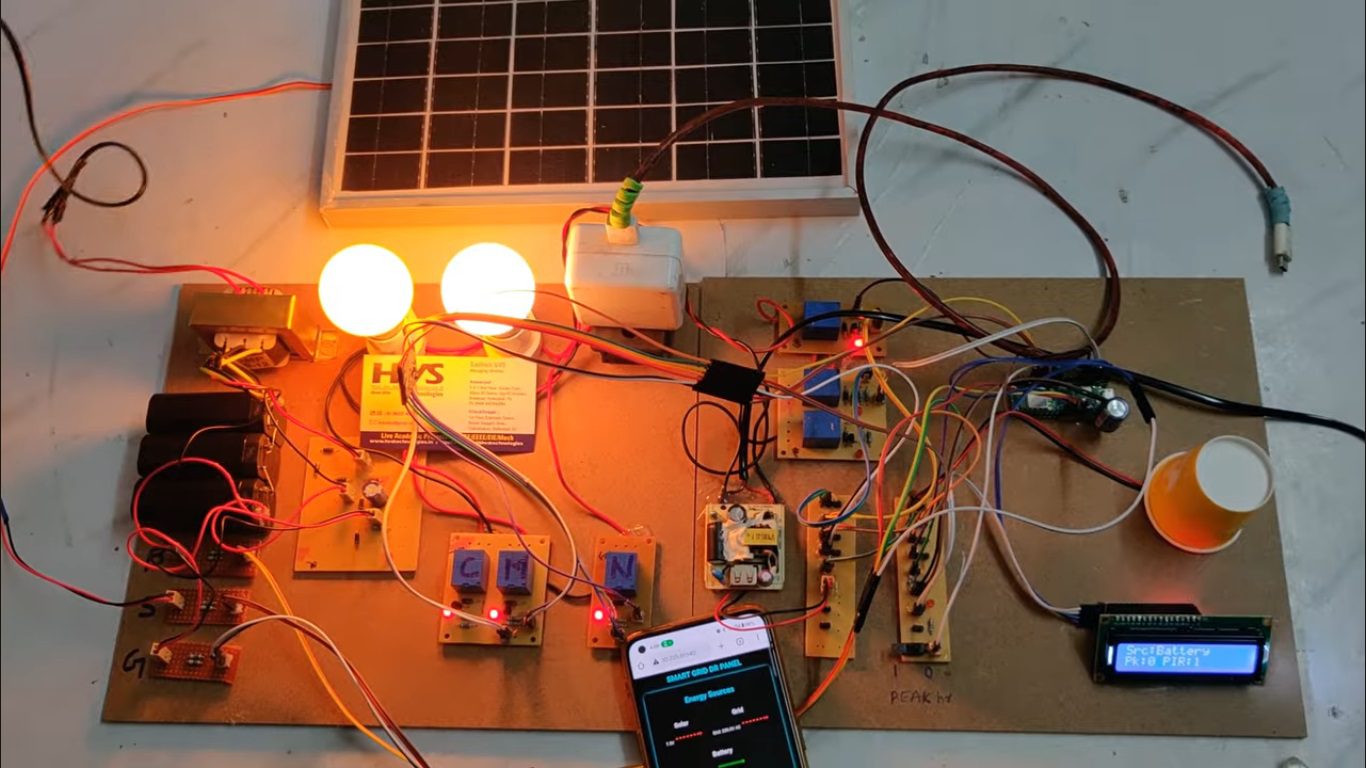
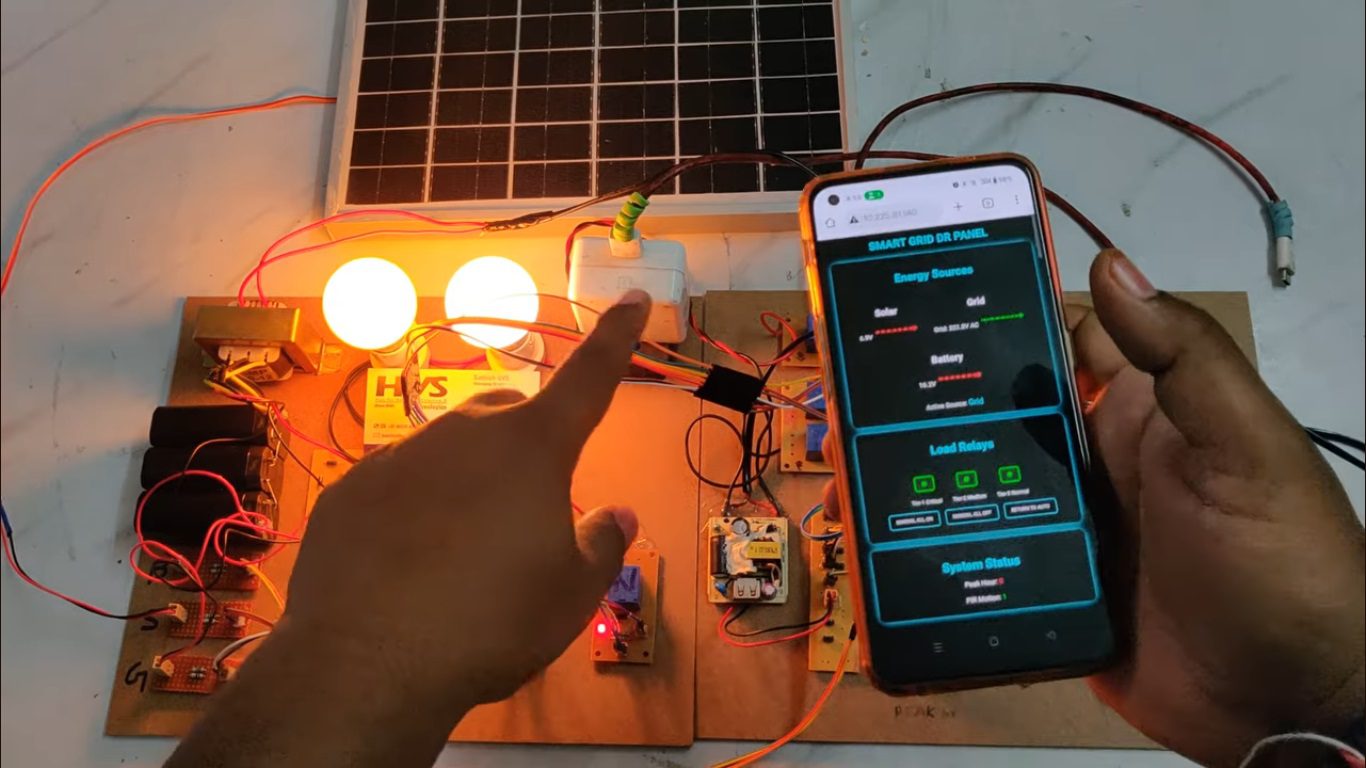
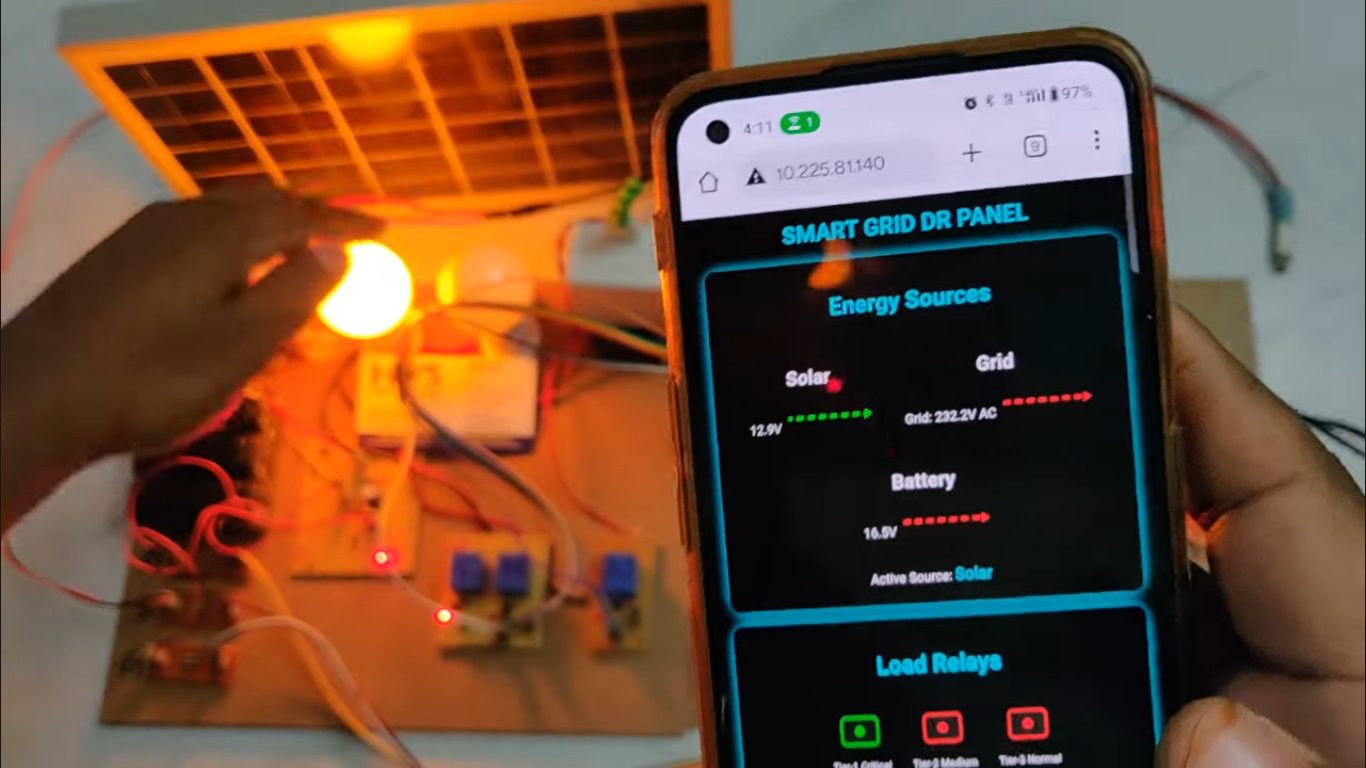
This project presents the design and implementation of an intelligent Priority-Based Demand Response (DR) Energy Management System for smart home appliances with AI-assisted load optimization for smart residential applications using the Raspberry Pi Pico W microcontroller. The system integrates three energy sources: solar photovoltaic (PV), battery storage, and utility grid to ensure efficient energy utilization, cost reduction, and reliable power supply. The Raspberry Pi Pico W acts as the central controller that monitors system parameters, performs intelligent load management, and controls automatic source switching. Solar power is utilized as the primary energy source whenever it is available. When solar generation is insufficient, the system automatically switches to the grid supply, and if both solar and grid are unavailable, the battery storage system provides backup power to maintain uninterrupted energy supply.
Electrical loads are classified into three priority levels: Tier-1 (critical loads), Tier-2 (moderate priority loads), and Tier-3 (non-essential loads). During peak demand periods or high electricity tariff conditions, a peak-hour selection switch activates the Demand Response operation. An AI-based load management algorithm running on the Raspberry Pi Pico W analyzes system conditions and automatically selects which loads should operate by prioritizing essential loads while temporarily disconnecting lower priority loads. This intelligent load selection helps reduce energy consumption during peak hours and lowers electricity cost while maintaining system stability.
The system also includes a PIR (Passive Infrared) sensor for user presence detection. When user presence is detected, the system activates the required loads automatically, and when no user is detected, unnecessary loads are turned OFF to improve energy efficiency. The system continuously measures and displays solar voltage, grid voltage, and battery voltage on an LCD display for real-time monitoring. Additionally, the built-in Wi-Fi capability of the Raspberry Pi Pico W enables web-based data monitoring, allowing users to view energy source status, voltage levels, peak demand conditions, and load operation remotely through a web interface. This real-time monitoring improves system transparency and allows users to track energy consumption easily.
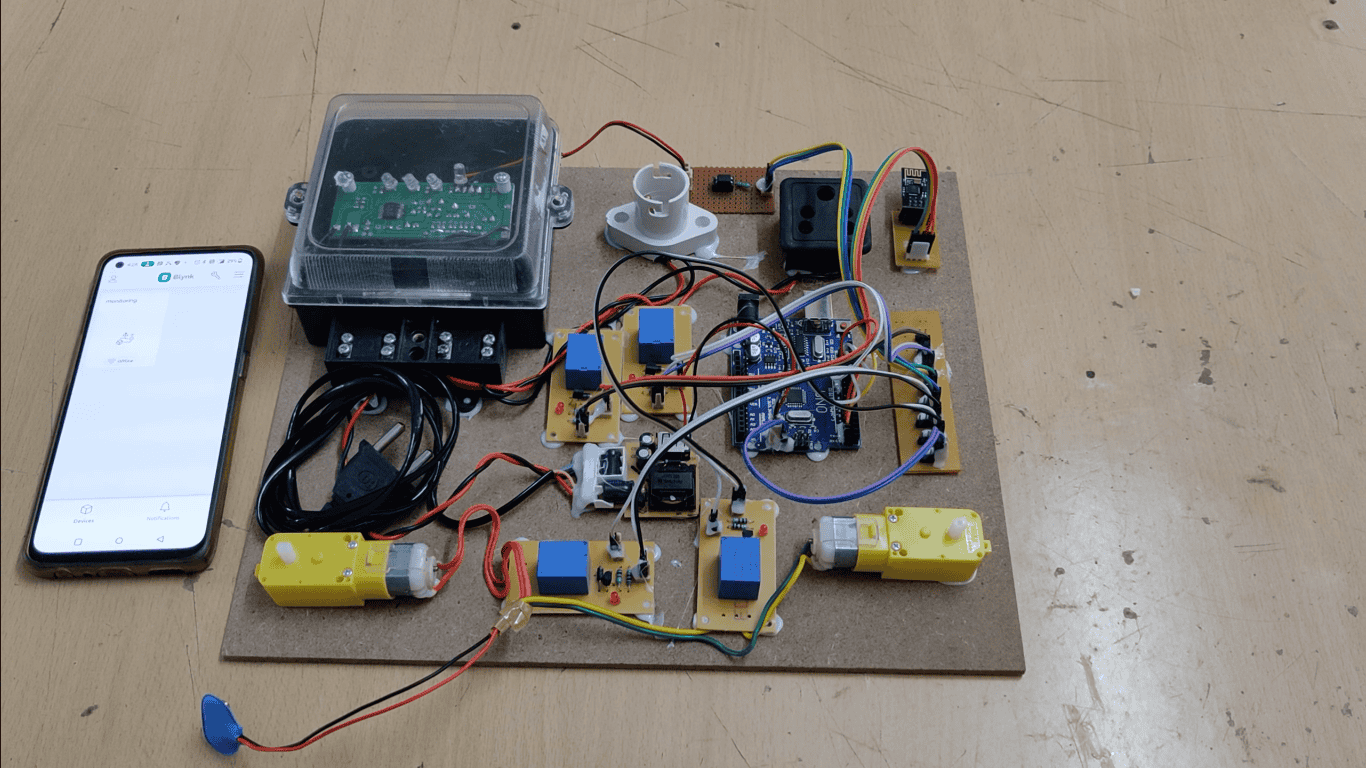
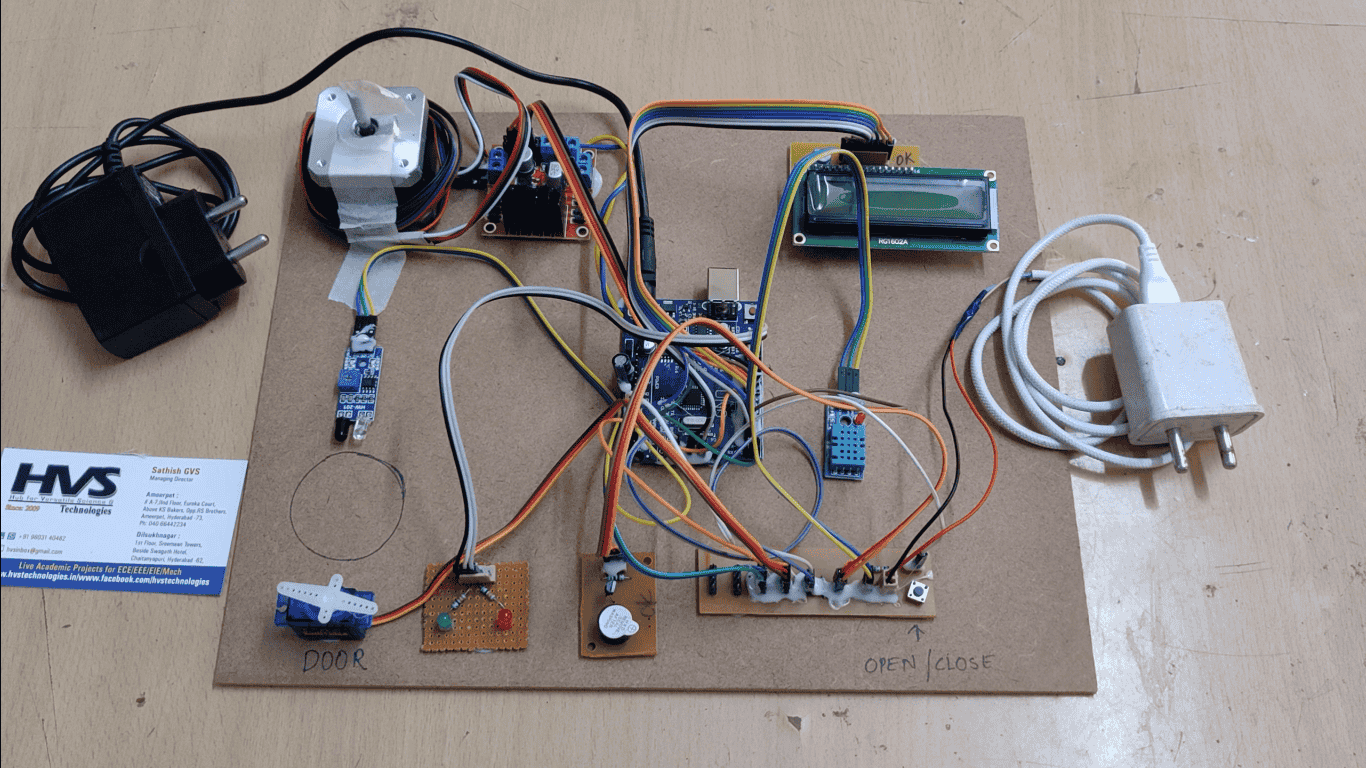
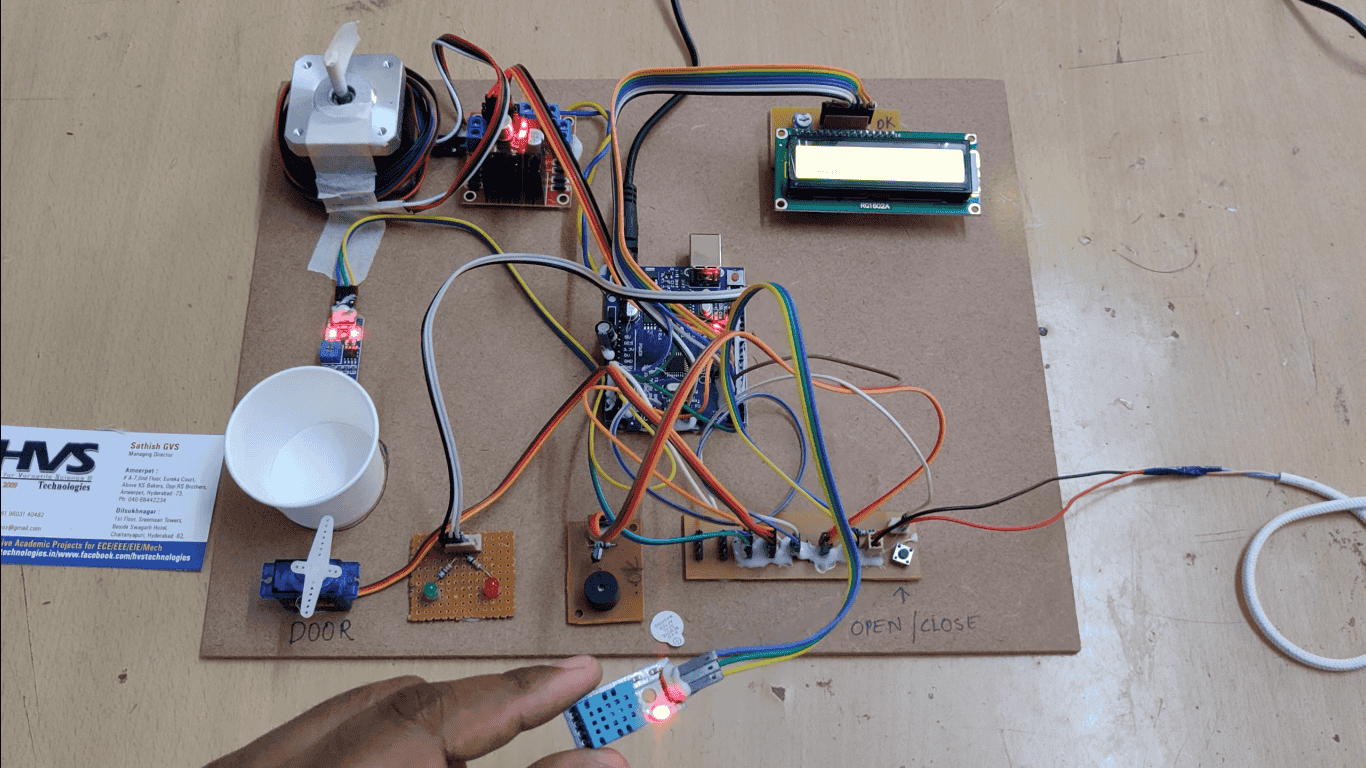
The hardware implementation consists of renewable energy interfacing circuits, voltage sensing modules, relay-based source switching circuits, PIR sensor for occupancy detection, LCD display unit, and the Raspberry Pi Pico Was the control unit. The proposed system provides an automated, intelligent, and cost-effective energy management solution for smart homes and microgrid environments, improving renewable energy utilization, reducing peak load stress on the grid, and ensuring reliable power management
Objectives:
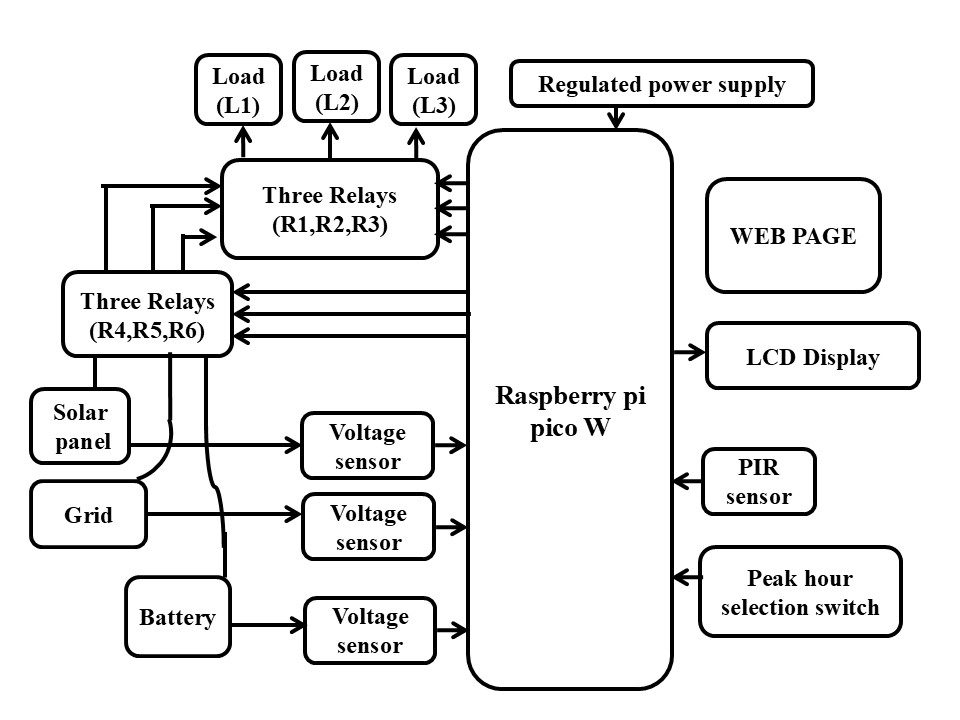
 Block Diagram:
video:
Block Diagram:
video:
• To integrate solar panel, battery, and grid supply into a single energy management system.
• To monitor solar voltage, grid voltage, and battery voltage using voltage sensors.
• To classify electrical loads into three priority levels (Tier-1, Tier-2, Tier-3) for efficient demand management.
• To implement automatic source switching between solar, grid, and battery.
• To reduce power consumption during peak demand hours using a peak hour selection switch.
• To detect user presence using a PIR sensor for automatic load control.
• To display system parameters on an LCD display for real-time monitoring.
• To enable web-based monitoring using Wi-Fi of Raspberry Pi Pico W.
Major components presenting this system:- Power supply.
- GRID.
- Solar panel.
- Battery.
- Raspberry pi Pico W.
- Voltage sensors.
- LCD display.
- PIR sensor.
- Peak-hour selection switch
- Relays.
- Loads (critical loads, moderate priority loads, non-essential loads)
- Python programming.
- Express SCH for Circuit design.
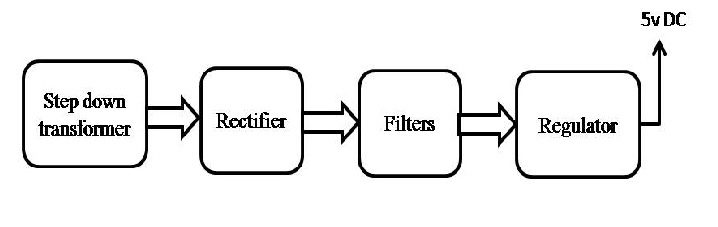 Block Diagram:
 video: