No products in the cart.


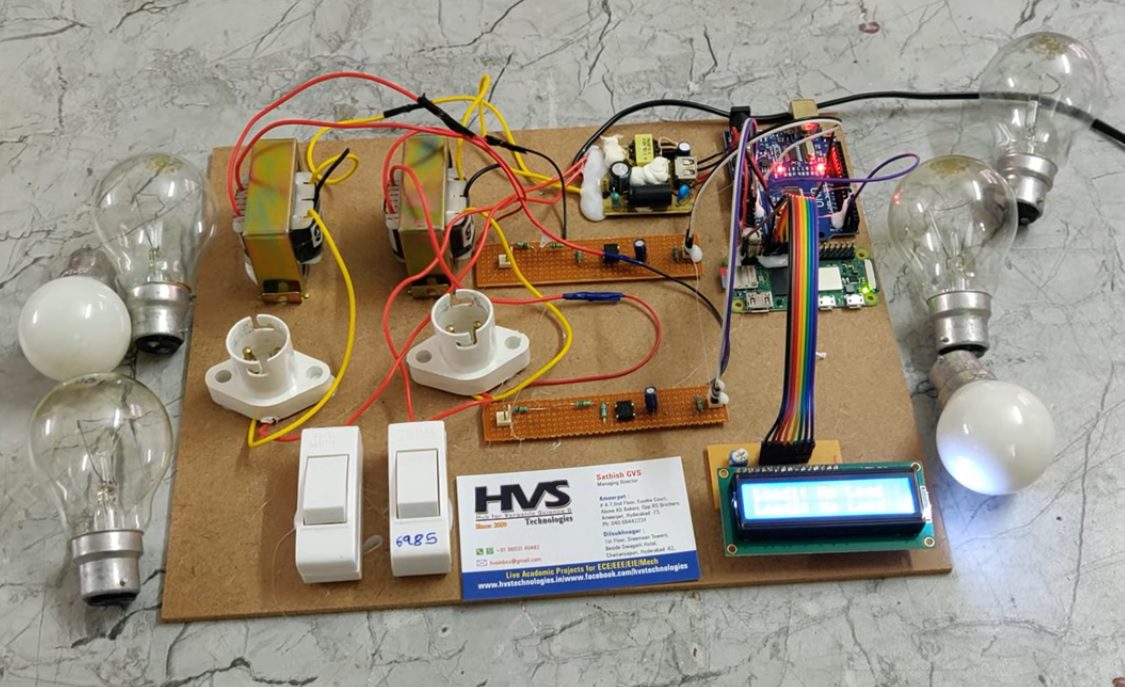
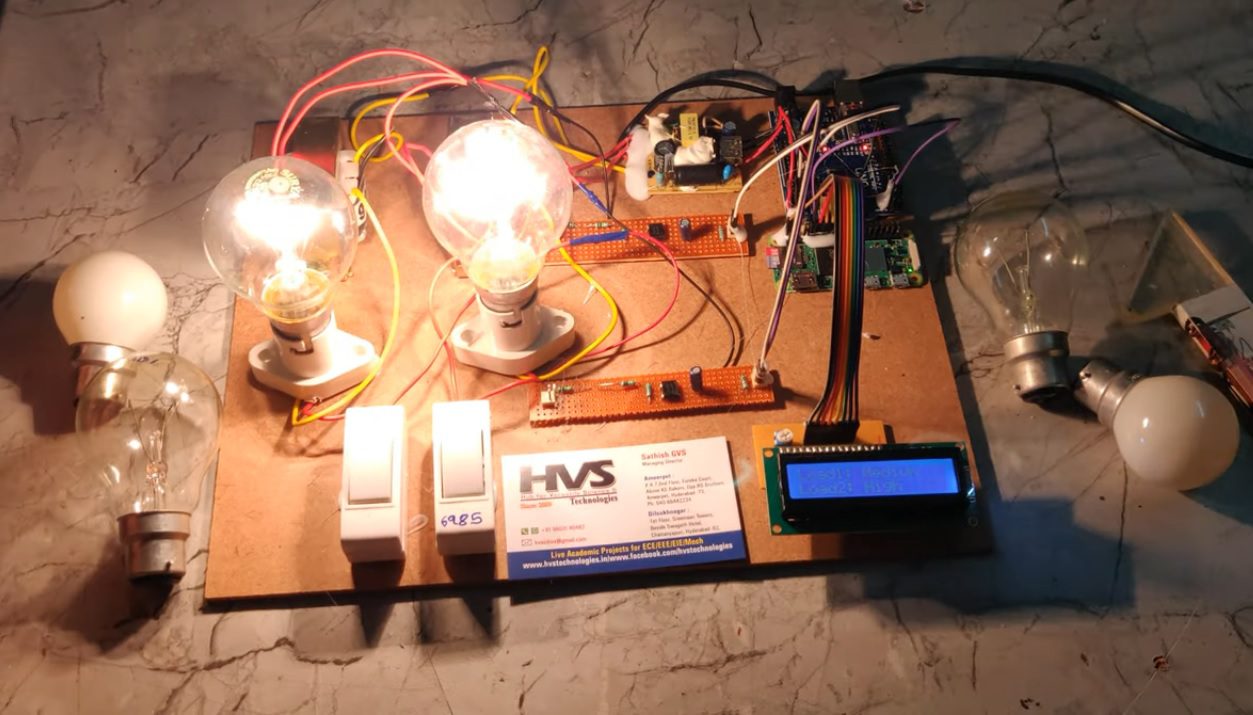
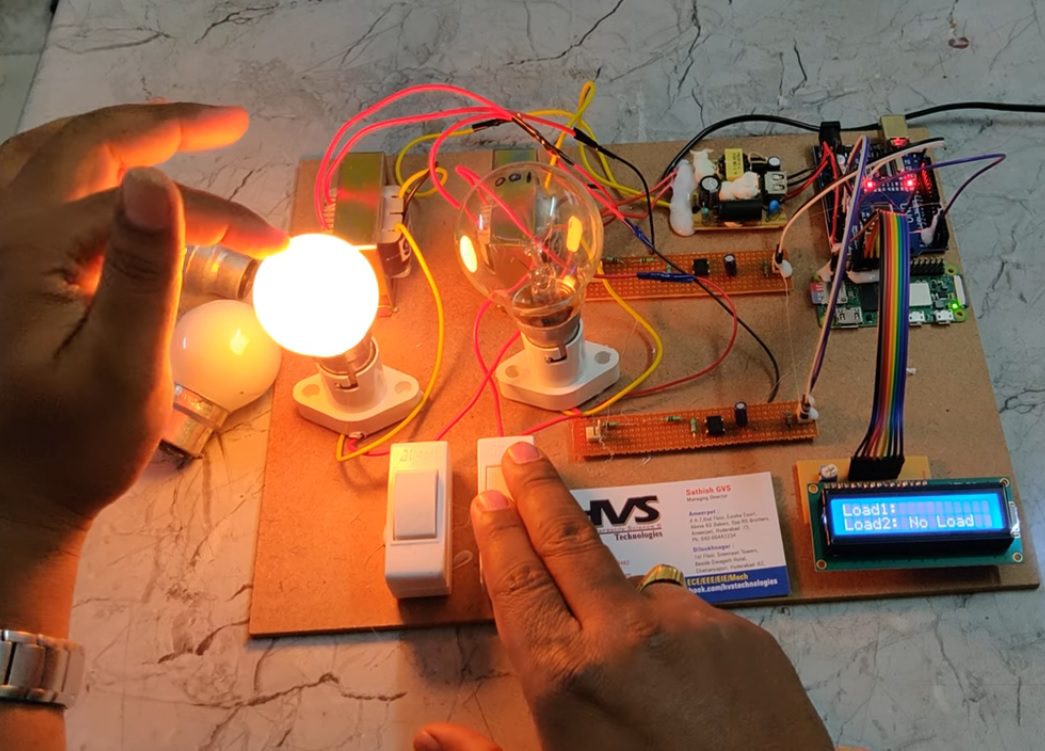
This project presents the design and implementation of a power monitoring system using machine learning that tracks and displays the power consumption of two electrical loads using two current transformers (CTs), an analog-to-serial converter, and an LCD display. The system is designed to provide real-time feedback on the power usage of connected loads, making it suitable for energy management and efficiency applications in both residential and industrial settings.
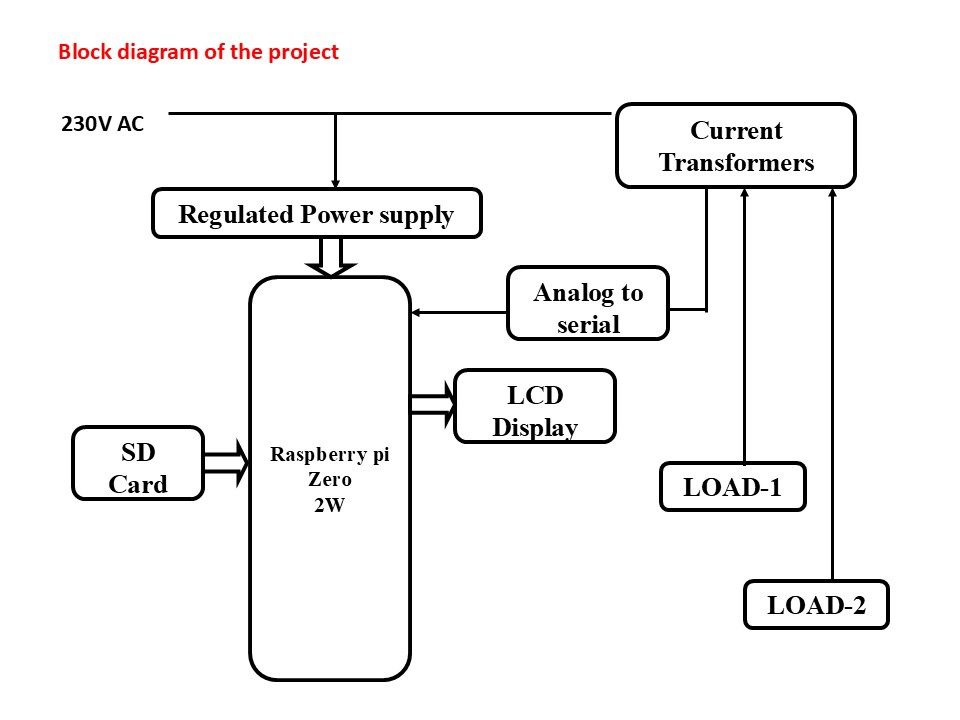
This system leverages two current transformers (CTs) to measure the current flowing through two electrical loads. The measured data is converted from analog to digital signals using an analog-to-serial converter, and then processed by a Raspberry Pi. The Raspberry Pi classifies the power consumption into four predefined categories: NOLOAD, MEDIUM, NORMAL, and HIGH, based on the measured current. Machine learning algorithms are employed to analyze and classify the power consumption, achieving an accuracy rate of over 90%. The classification result is displayed on an LCD screen, providing real-time feedback on the power usage status of the connected loads. This system offers an efficient solution for monitoring and managing energy consumption in various applications.
To facilitate easy monitoring, the system includes an LCD display that shows the real-time power consumption of both loads simultaneously. This user-friendly interface allows operators to quickly assess the energy usage of individual loads, making it easier to detect inefficiencies and take corrective actions.
This power monitoring system provides an effective, low-cost solution for tracking power consumption in multiple loads, offering an intuitive display and real-time insights into energy usage. It is an ideal tool for optimizing energy efficiency, managing load distribution, and detecting potential issues such as overcurrent or energy wastage. The use of current transformers and an analog-to-serial converter ensures accurate measurements, while the inclusion of an LCD enhances the system's practicality and usability in a variety of applications.
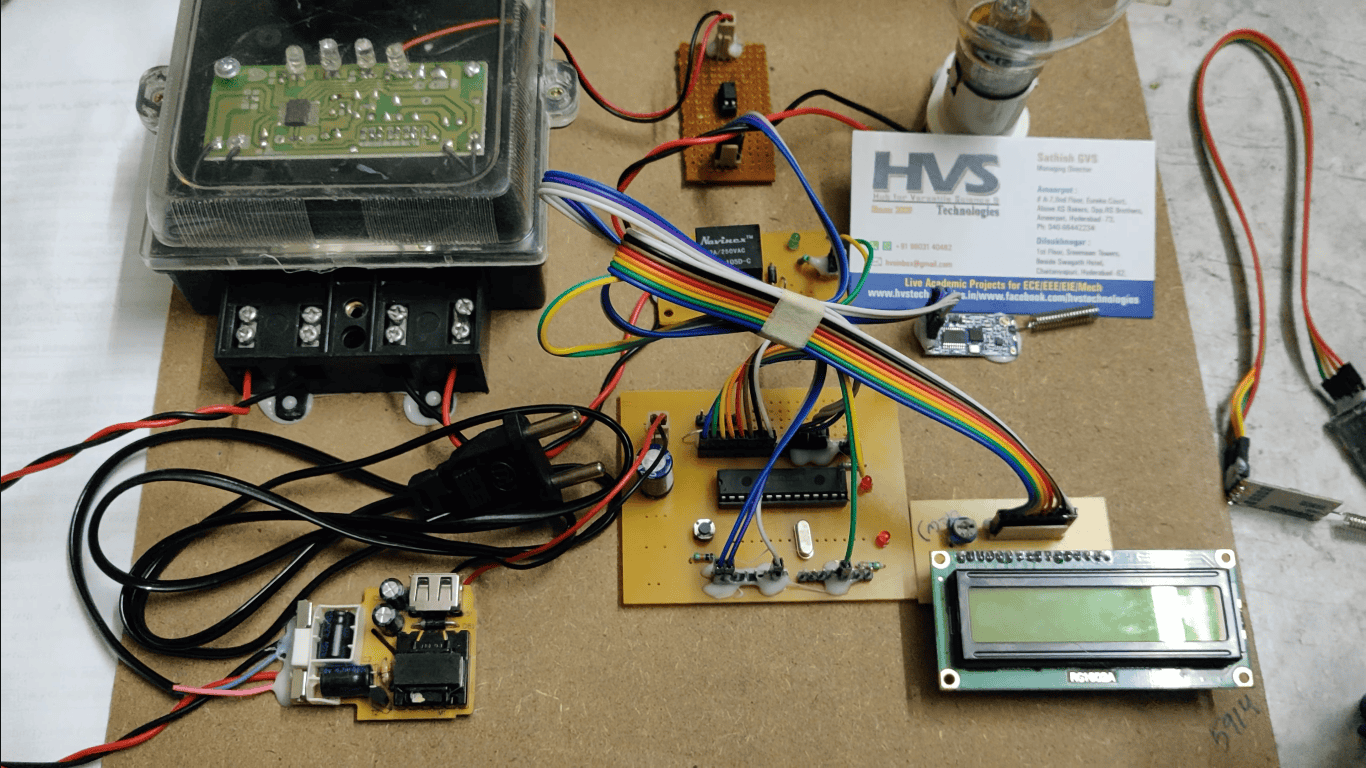
The major building blocks of this project are:

video:
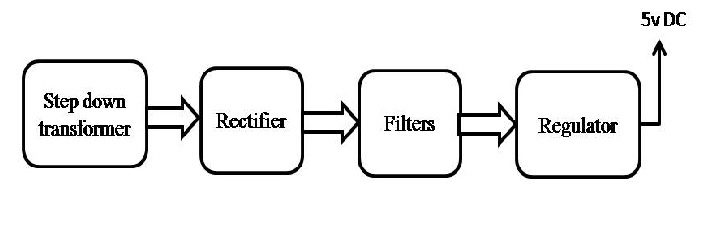
- Power supply
- Raspberry pi Zero 2W.
- Two CTs.
- Two Loads.
- Analog to serial converter.
- LCD display.
- Python Language.
- Machine learning algorithm.
- Linux OS for Raspberry pi zero.
- Express SCH for circuit diagram.