No products in the cart.


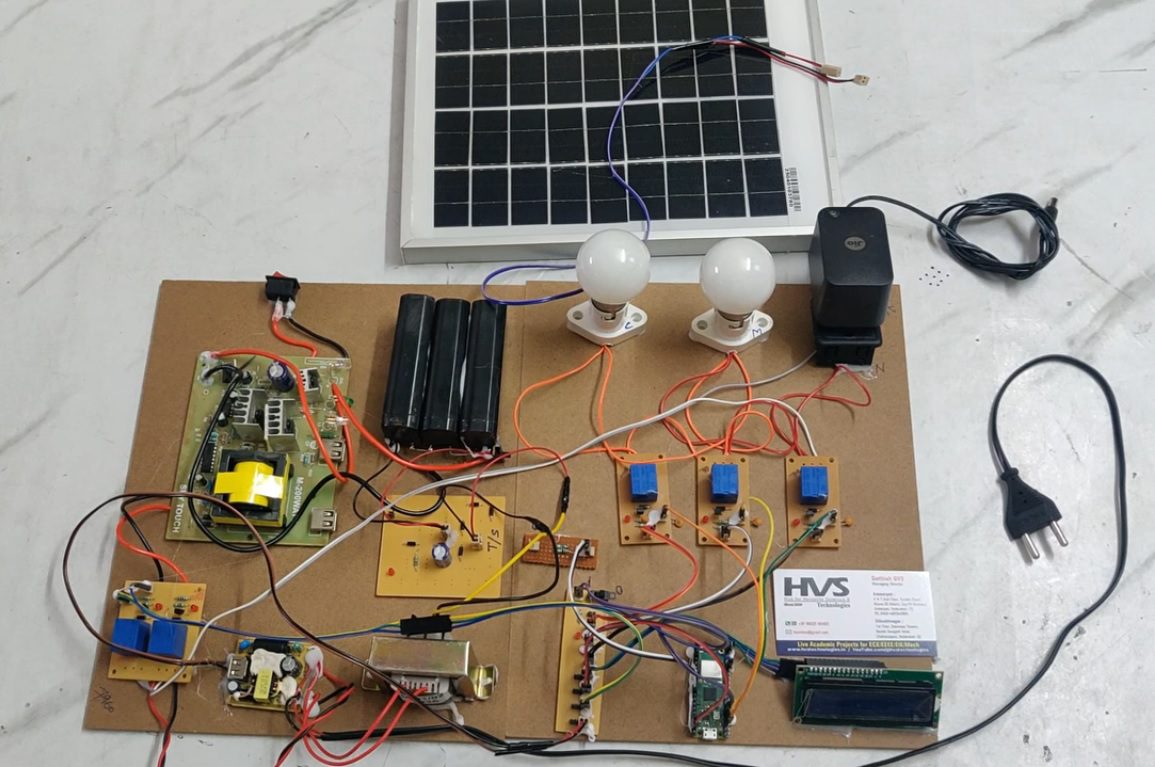
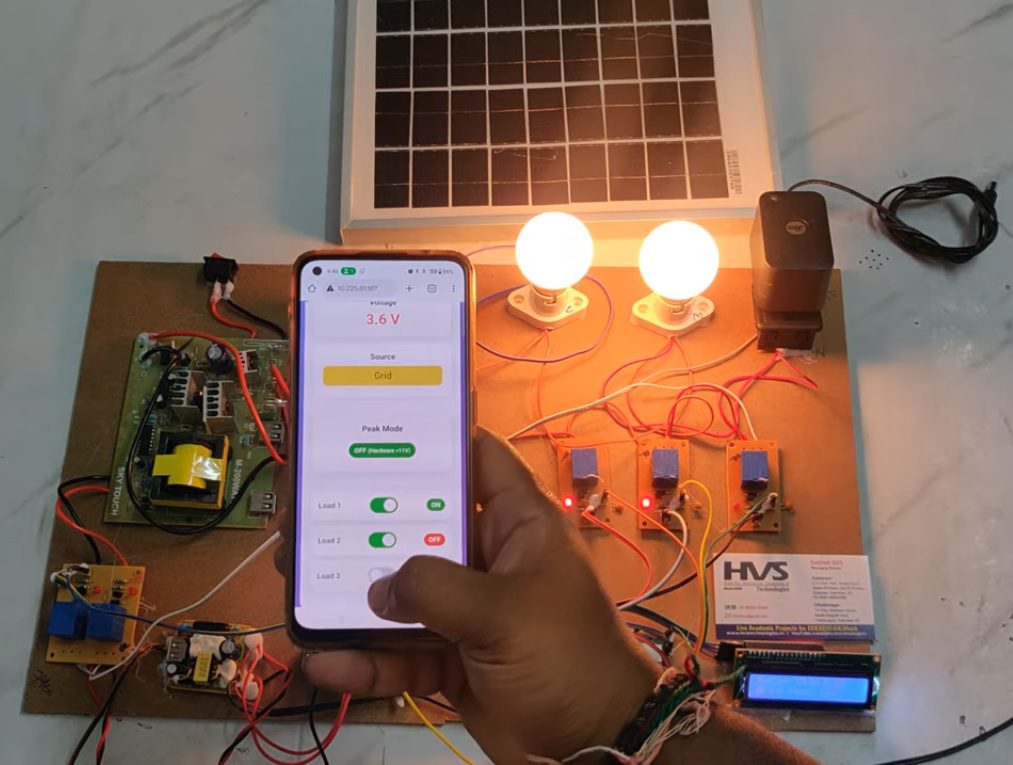
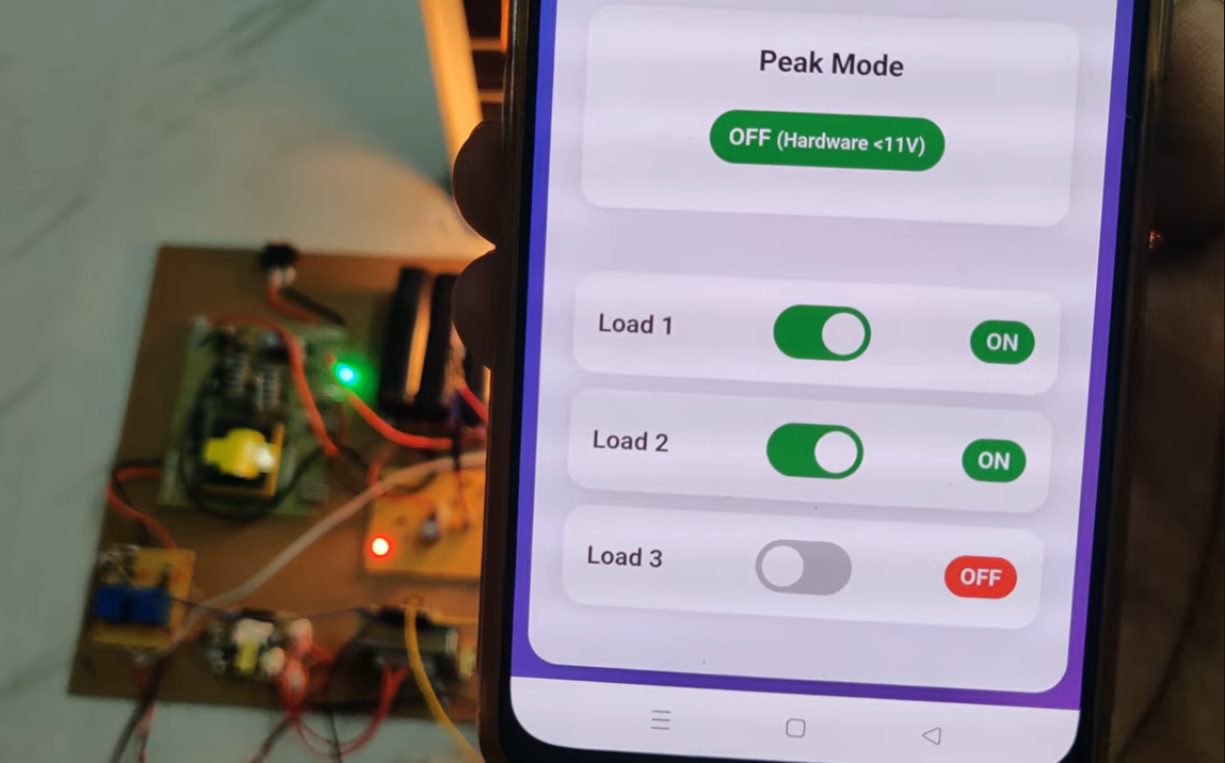
The Solar and Grid Connected Dynamic Load using Advanced AI Based Control system is designed to provide efficient energy management for smart residential applications by intelligently integrating solar photovoltaic (PV) energy with the conventional utility grid. The system utilizes the Raspberry Pi Pico microcontroller as the central controller to manage power source selection and dynamic load control.
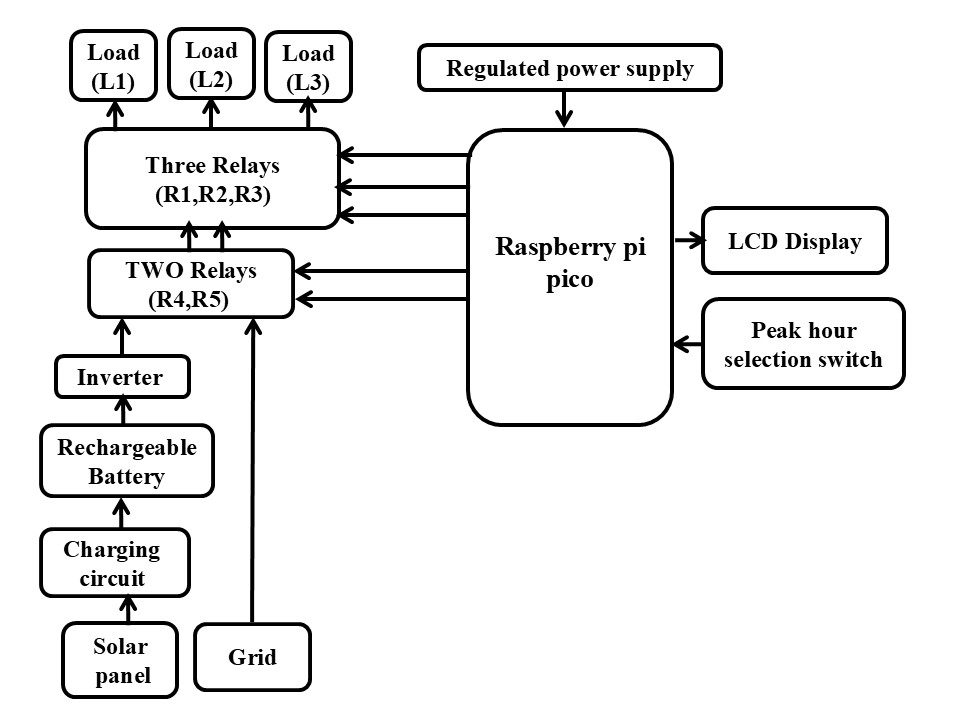
In this system, energy is generated from a solar panel and passed through a charging circuit to charge a rechargeable battery. The stored energy is converted to AC power using an inverter. The system can also receive power from the utility grid, ensuring a continuous power supply when solar energy is insufficient. Two relays (R4 and R5) are used for automatic switching between the inverter output and grid supply.In this system, solar energy is used as the primary power source whenever it is available. When the solar power generation becomes insufficient, the controller automatically switches to the grid supply to maintain uninterrupted power delivery. If both energy sources are unavailable, the system safely turns OFF all connected loads to protect the system and prevent instability.
To improve energy efficiency, electrical loads are categorized into three priority levels: Tier-1 (critical loads), Tier-2 (moderate priority loads), and Tier-3 (non-essential loads). During peak demand periods or high electricity tariff hours, a Demand Response mode can be activated through a peak-hour selection switch. In this mode, an AI-based load management algorithm analyzes the availability of energy and dynamically controls the loads by prioritizing essential appliances while temporarily disconnecting lower priority loads.
This intelligent load optimization reduces energy consumption, lowers electricity costs, and improves overall system reliability. The system continuously monitors power usage and load status using an LCD display module, allowing users to observe real-time system operation and energy utilization.
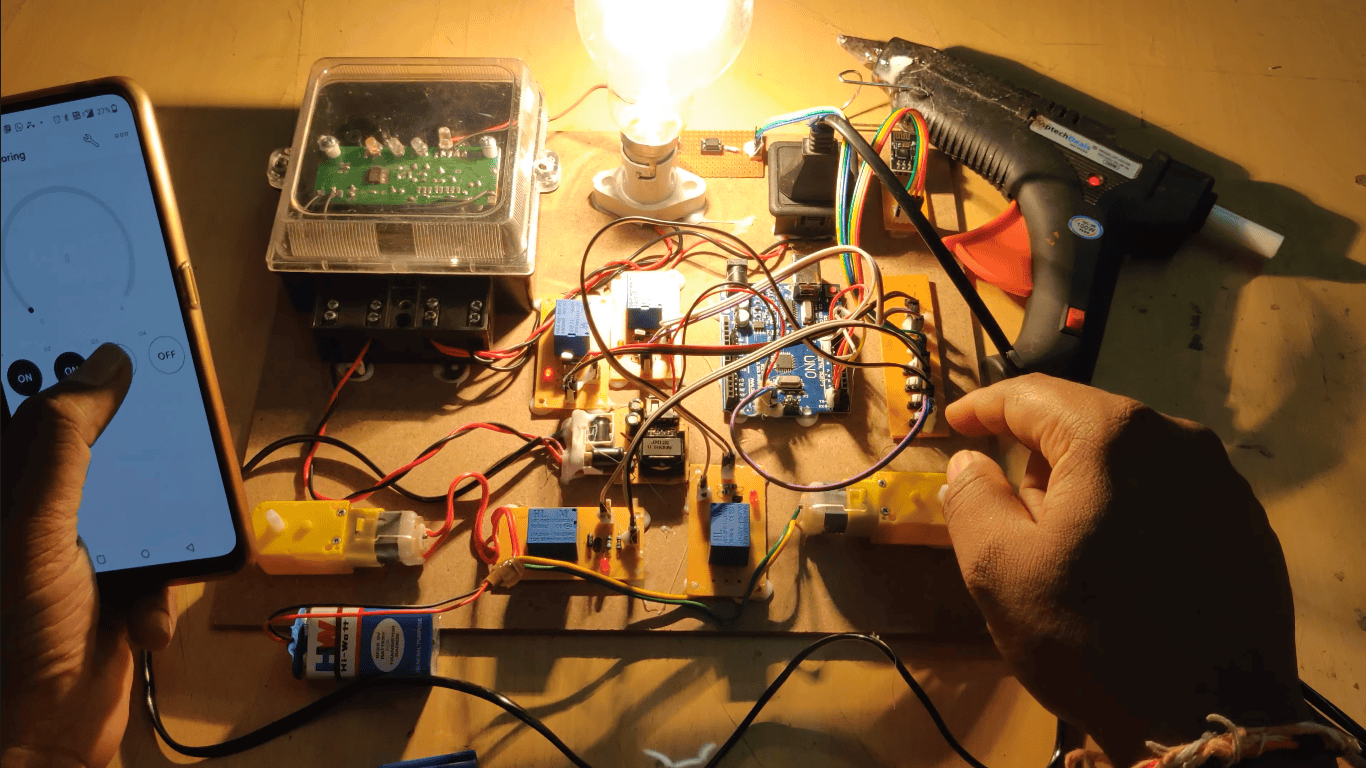
The hardware implementation consists of solar energy interfacing circuits, grid connection circuits, relay-based source switching modules, an LCD monitoring unit, and the Raspberry Pi Pico controller executing the AI-based control algorithm. The proposed system demonstrates an effective approach for smart energy management by combining renewable energy integration with intelligent load control.
Major components presenting this system:
 Block Diagram:
video:
Block Diagram:
video:
- Regulated Power supply.
- GRID.
- Solar panel.
- Charging Circuit.
- Battery.
- Raspberry pi Pico.
- LCD display.
- Peak-hour selection switch
- Relays.
- Loads (critical loads, moderate priority loads, non-essential loads).
- Python programming.
- Express SCH for Circuit design.
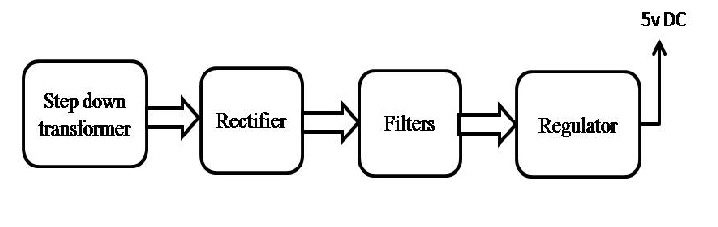 Block Diagram:
 video: