No products in the cart.


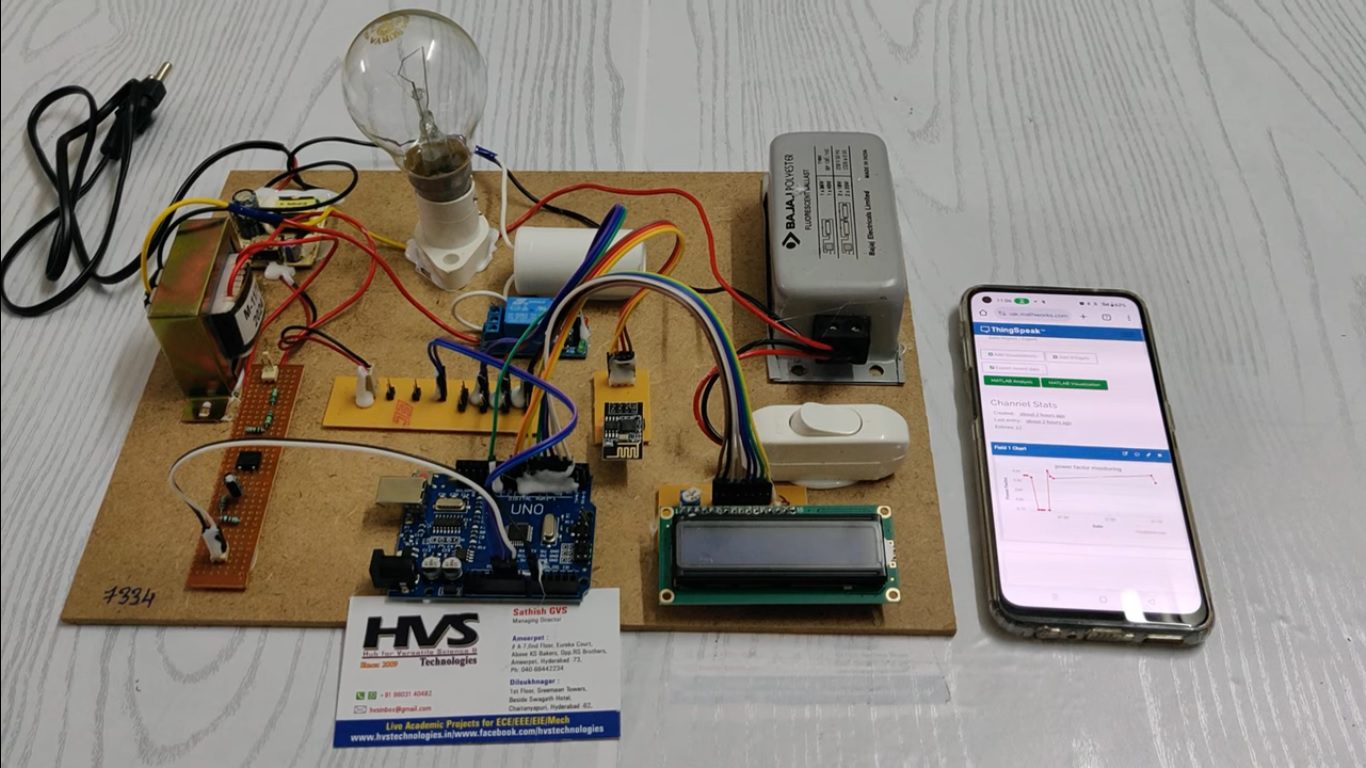
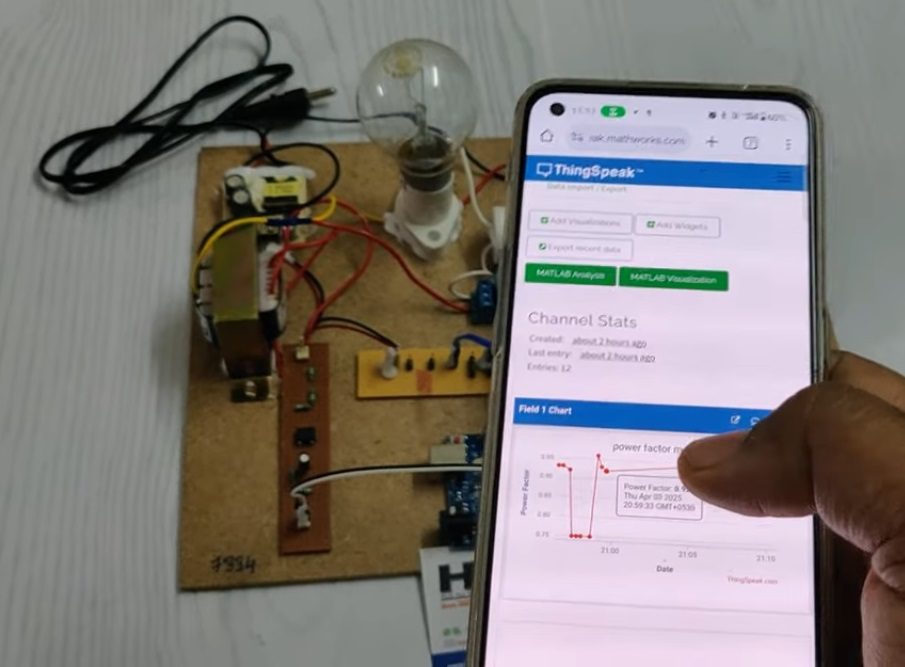
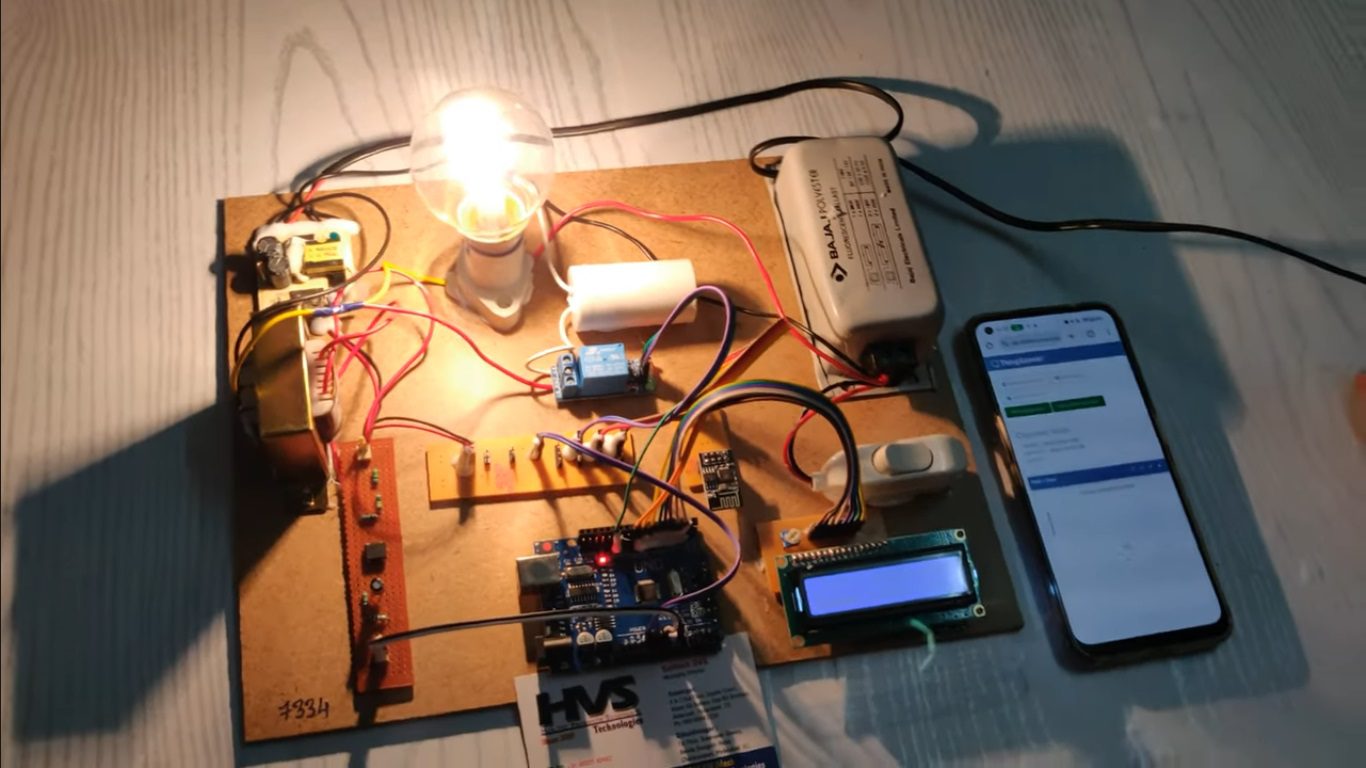
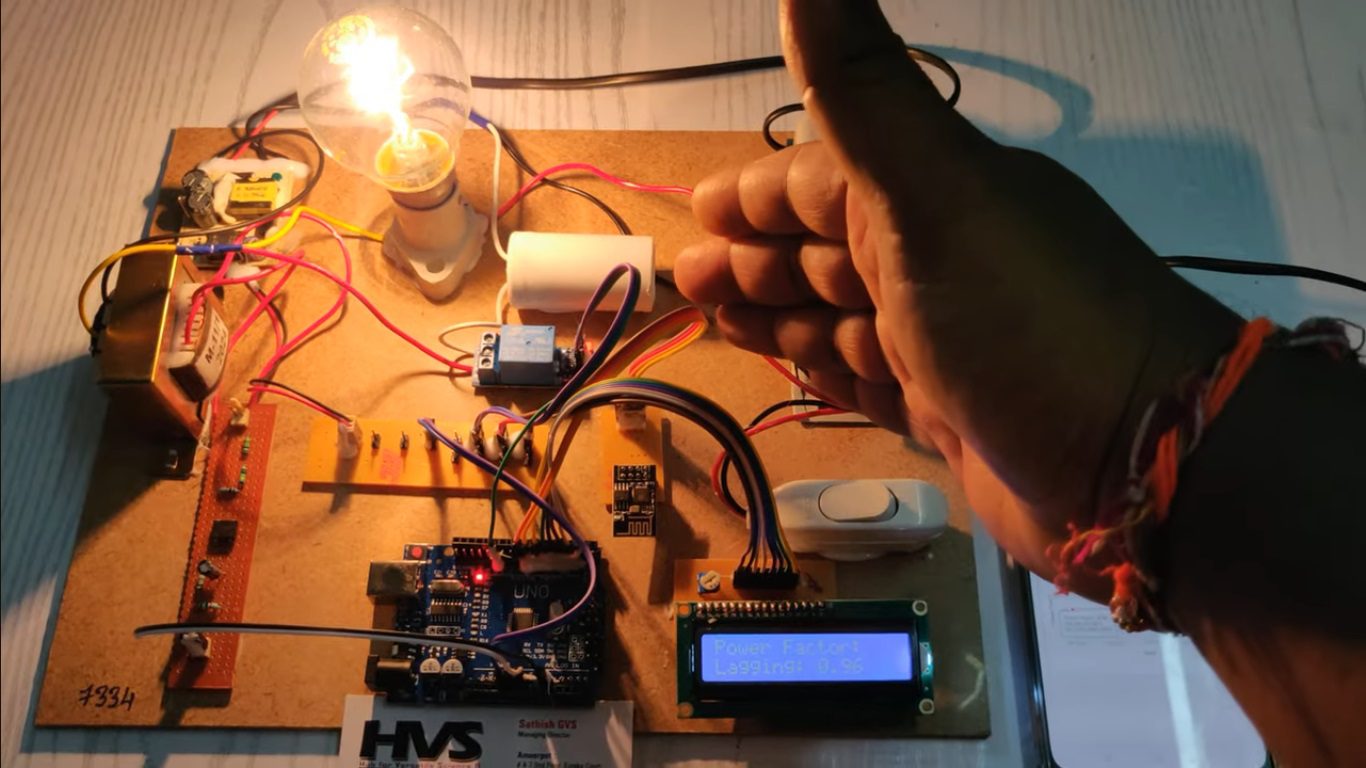
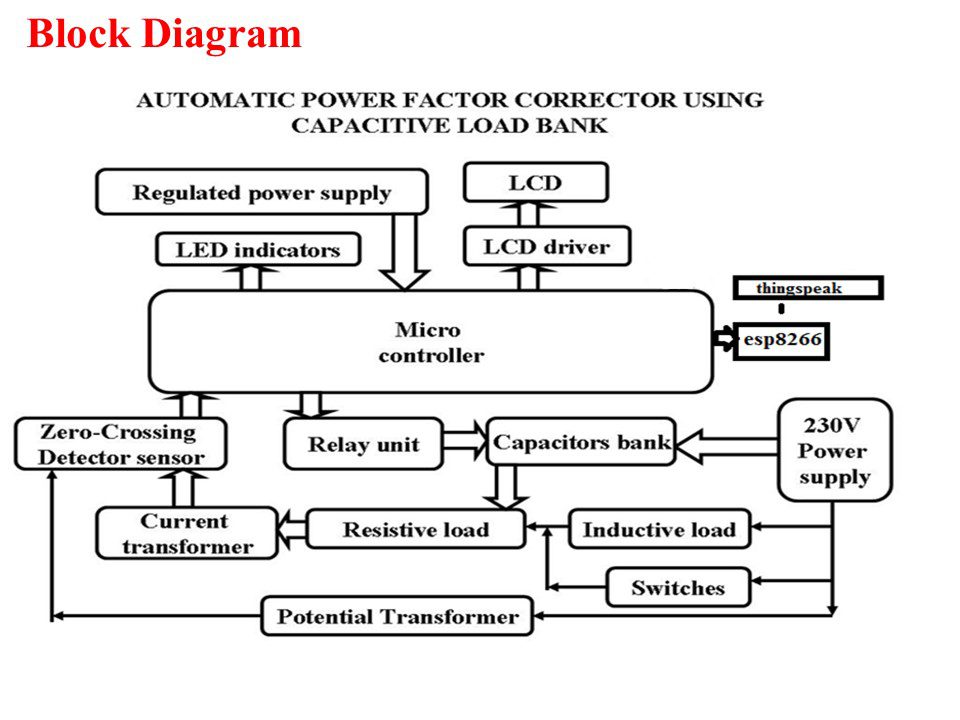
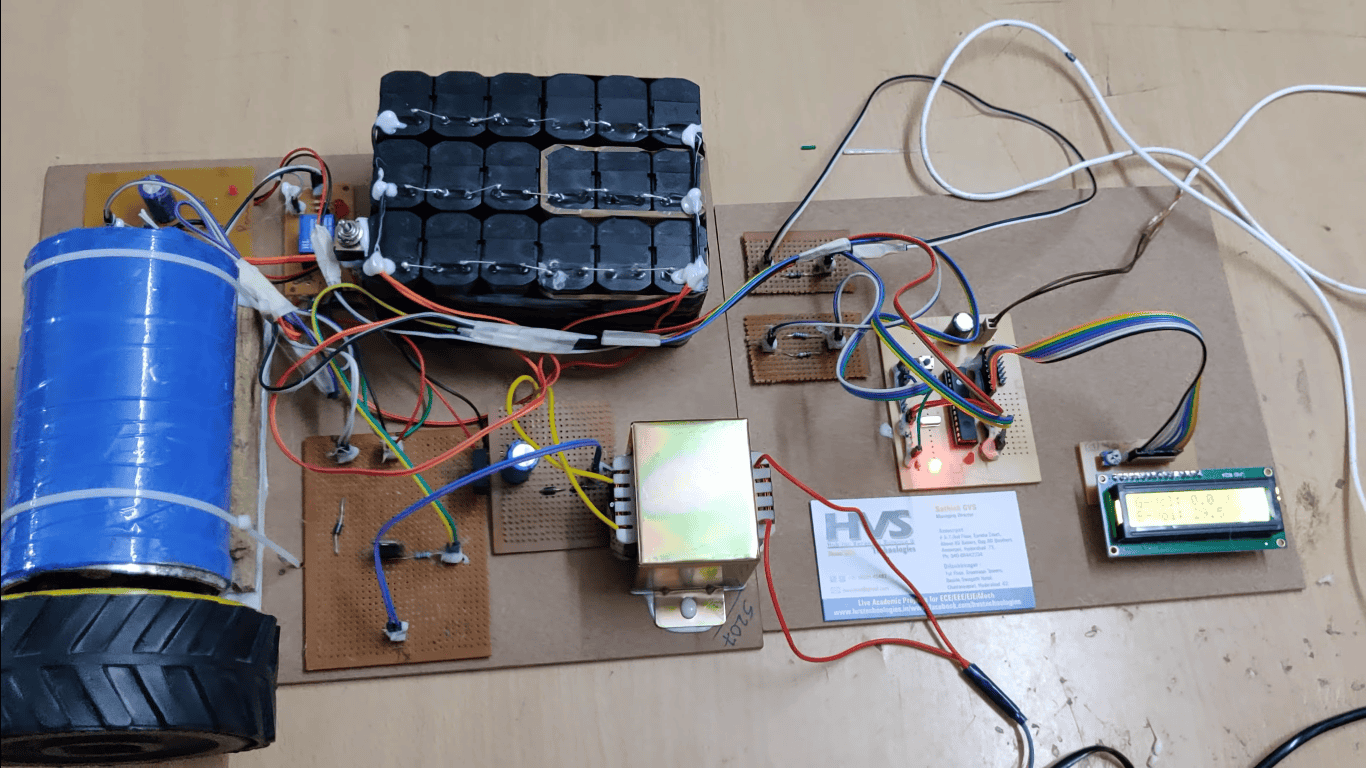
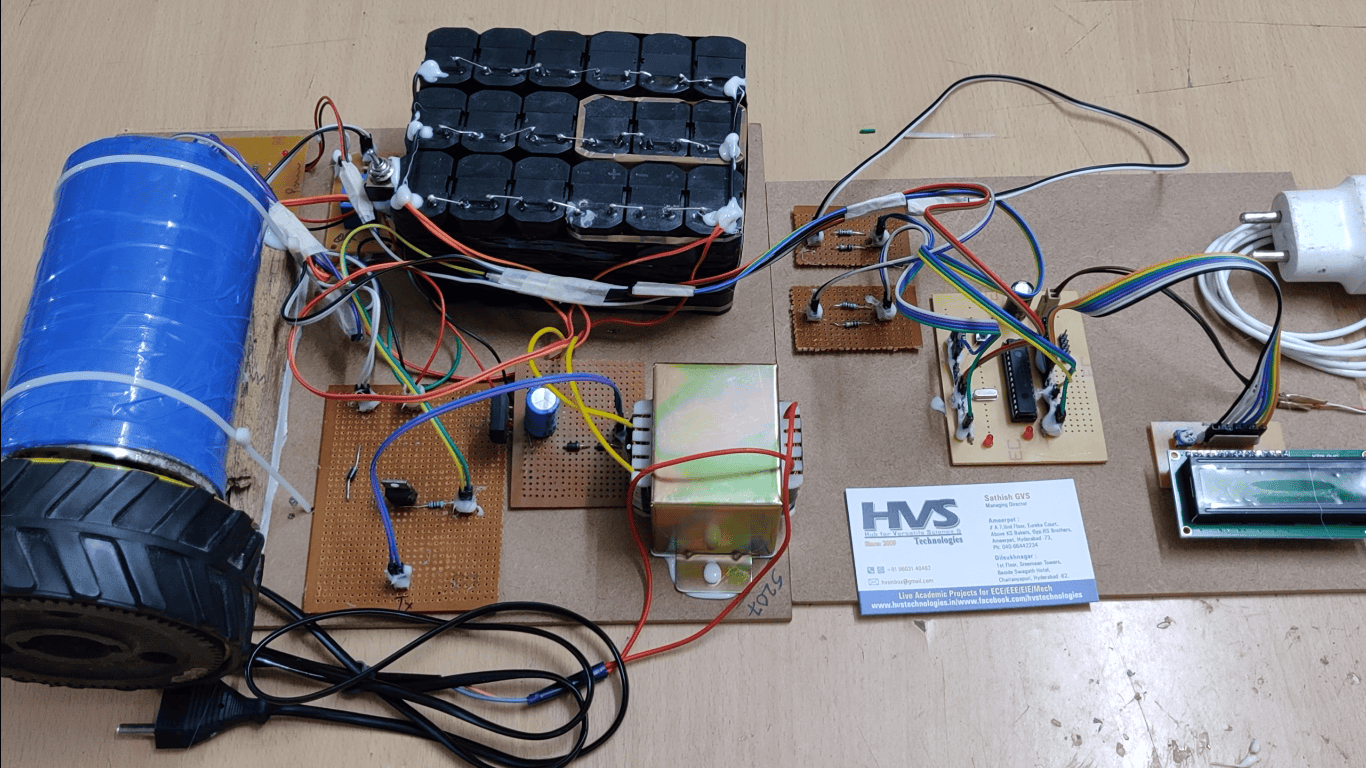
This project is designed to improve the power factor of electrical systems automatically using a microcontroller-based APFC controller. The system continuously monitors voltage, current, and power factor, and switches capacitor banks automatically to maintain the power factor above 0.95, thereby reducing reactive power losses and improving energy efficiency. The system also minimizes Total Harmonic Distortion (THD) caused by non-linear loads such as SMPS by incorporating active filtering techniques. An ESP8266 Wi-Fi module is used to upload real-time electrical parameters to the ThingSpeak cloud for remote monitoring along with date and time information. The hardware consists of a PIC microcontroller, capacitor banks, ESP8266 module, power supply circuit, transformer, rectifier, and voltage regulator. This system helps industries reduce electricity bills, improve power quality, increase system efficiency, and ensure reliable power transmission.
The Features of the Project:
- Embedded C programming.
- Zero-crossing detector interfacing with Microcontroller.
- Current transformer interfacing.
- Potential transformer interfacing.
- Develop a Power quality analyzer.
- Power factor value monitoring on Thingspeak Cloud.
- Visible alerts using LCD display.
- Using IOT technology.
- Arduino UNO Micro controller.
- Regulated Power Supply.
- Resistive load.
- Inductive load.
- Relay bank unit.
- Current transformer.
- Potential transformer.
- Zero-crossing detector.
- LCD display.
- LED indicators.
- Embedded C Language.
- Arduino IDE.
- Express SCH for circuit design.