No products in the cart.


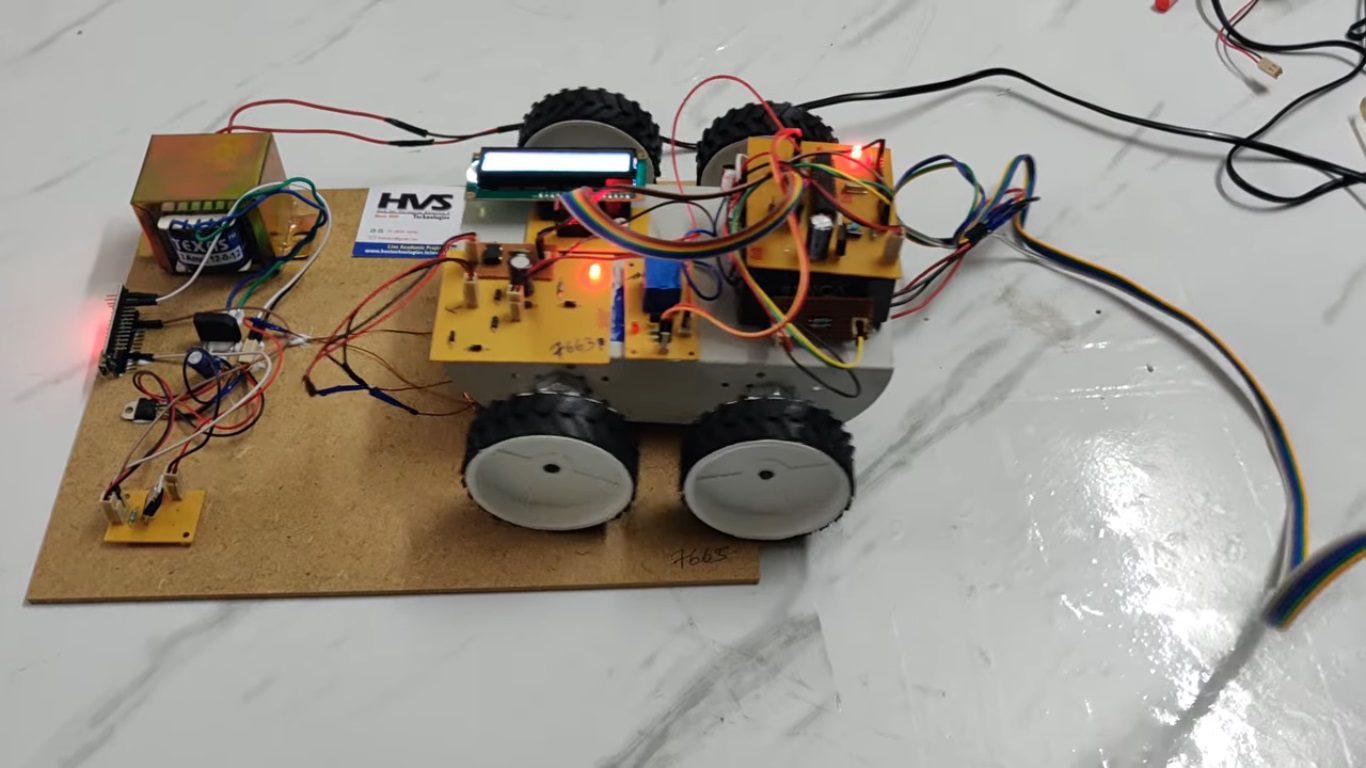
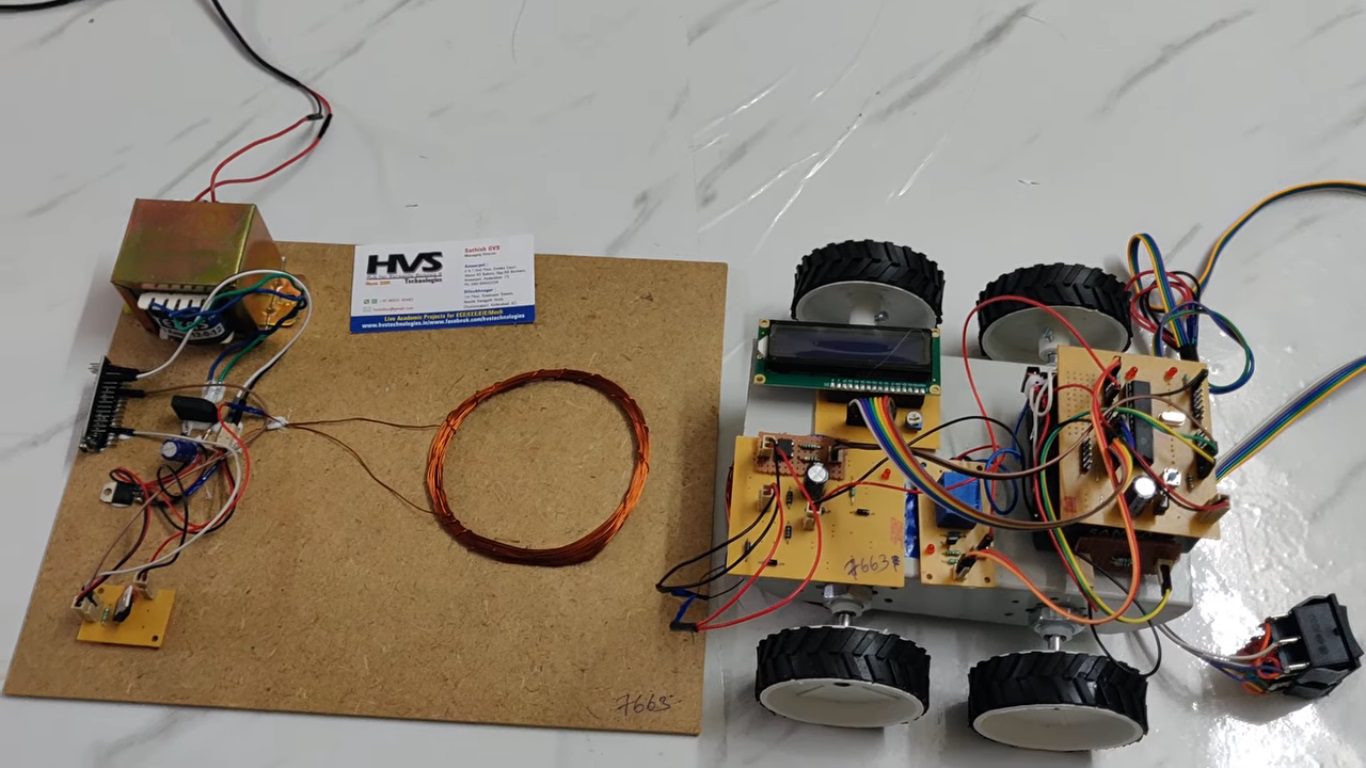
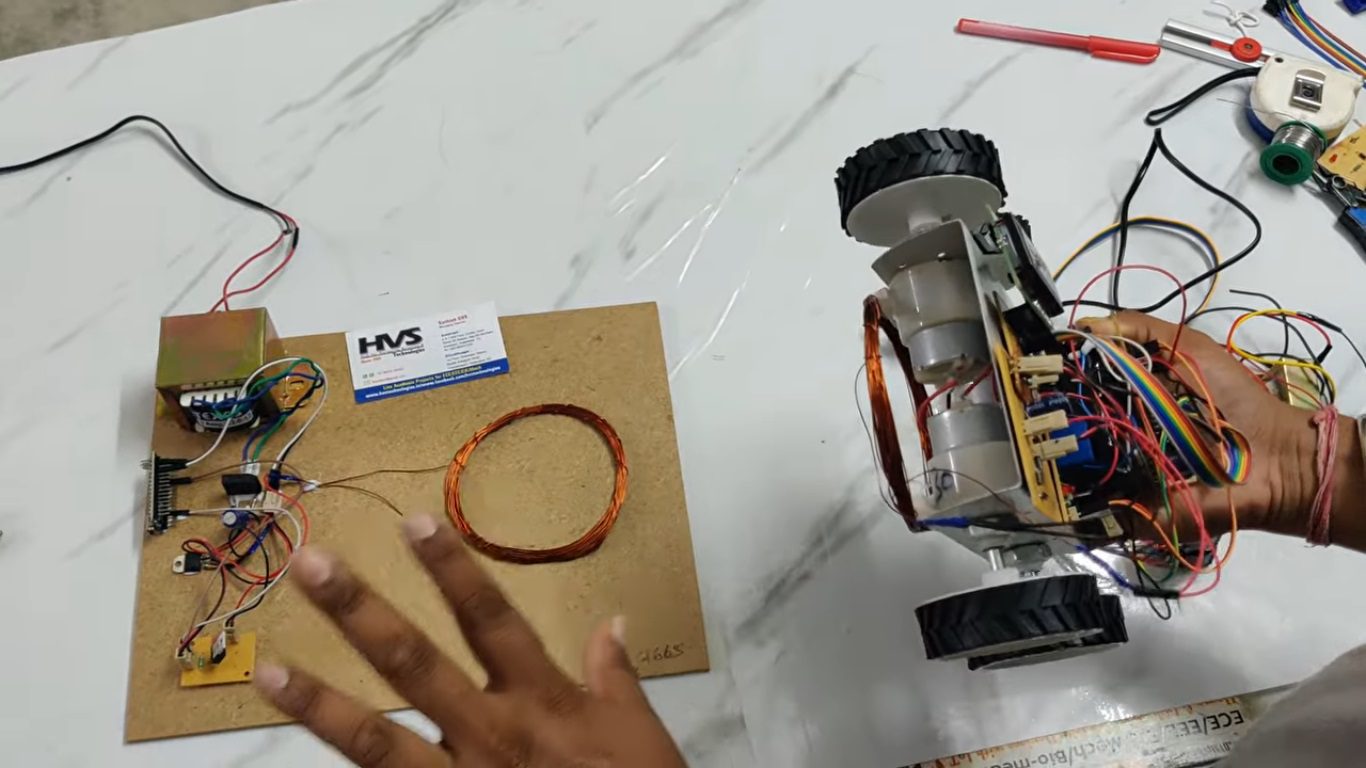
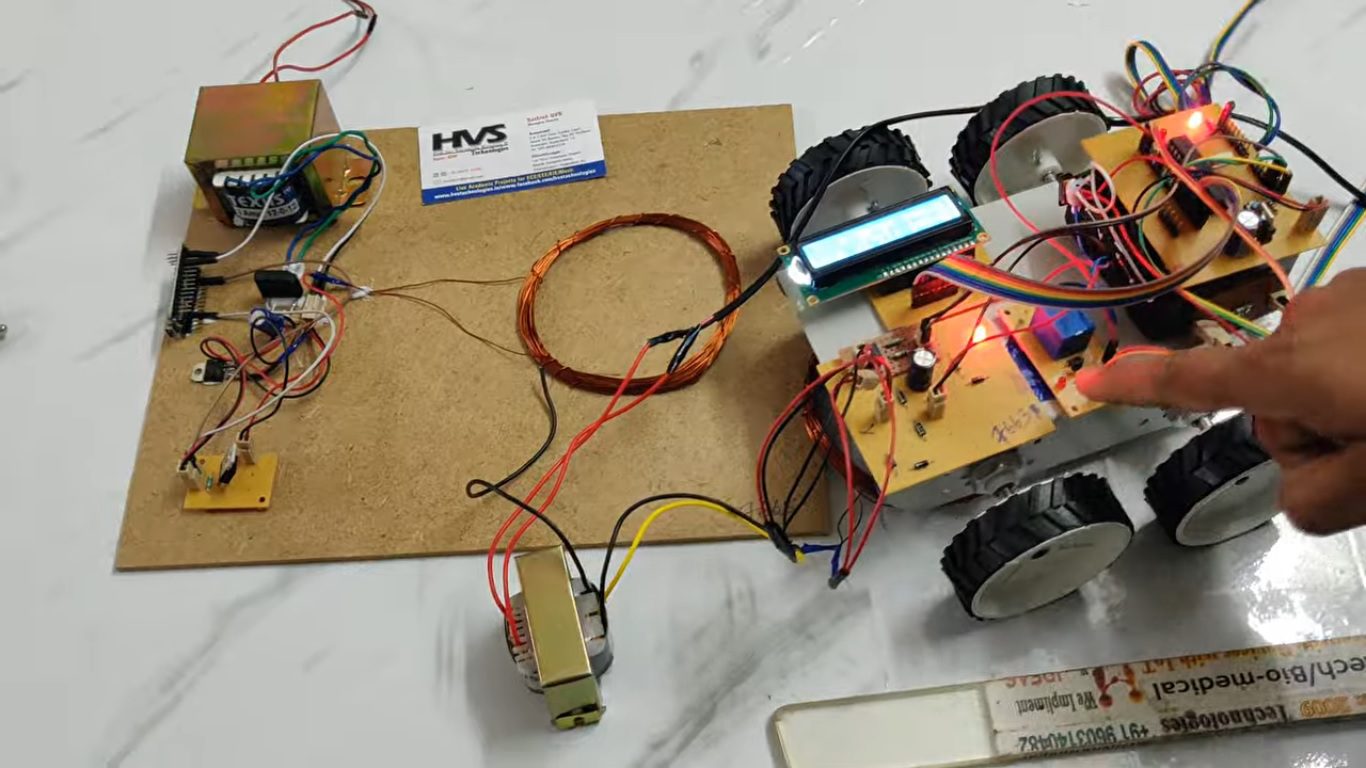
Wireless power transmission (WPT) for electric vehicles (EVs) is an emerging technology that enables contactless charging through electromagnetic induction, improving convenience, safety, and charging efficiency. This project presents the design and implementation of a wireless power transmission system for electric vehicles integrated with a charge controller and voltage display. The system consists of two major sections: the wireless power transmission unit and the wireless power receiving unit.
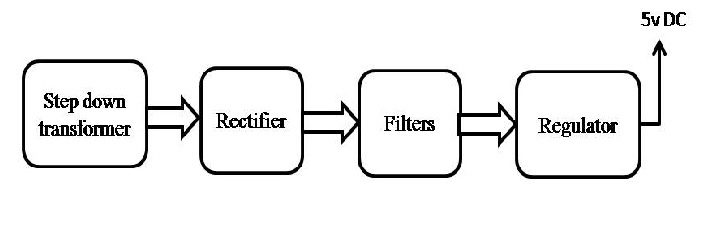
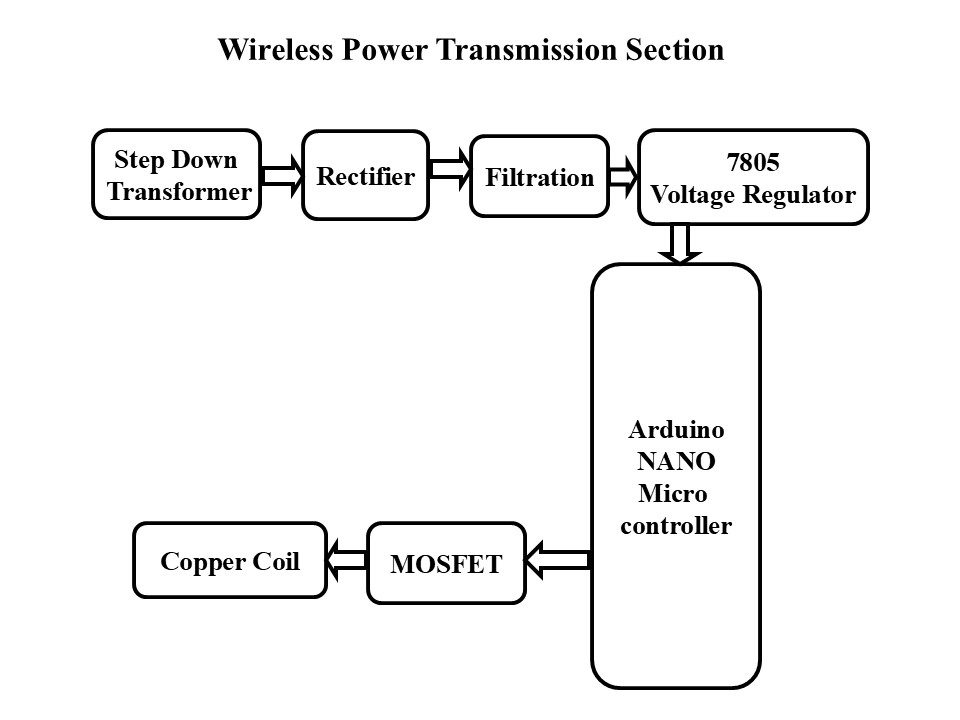
In the transmission section, an AC supply is stepped down, rectified, filtered, and regulated using a 7805-voltage regulator to provide a stable DC supply for the Arduino Nano microcontroller. The microcontroller controls a MOSFET switching circuit that drives the transmitting copper coil, generating a high-frequency magnetic field for wireless energy transfer.
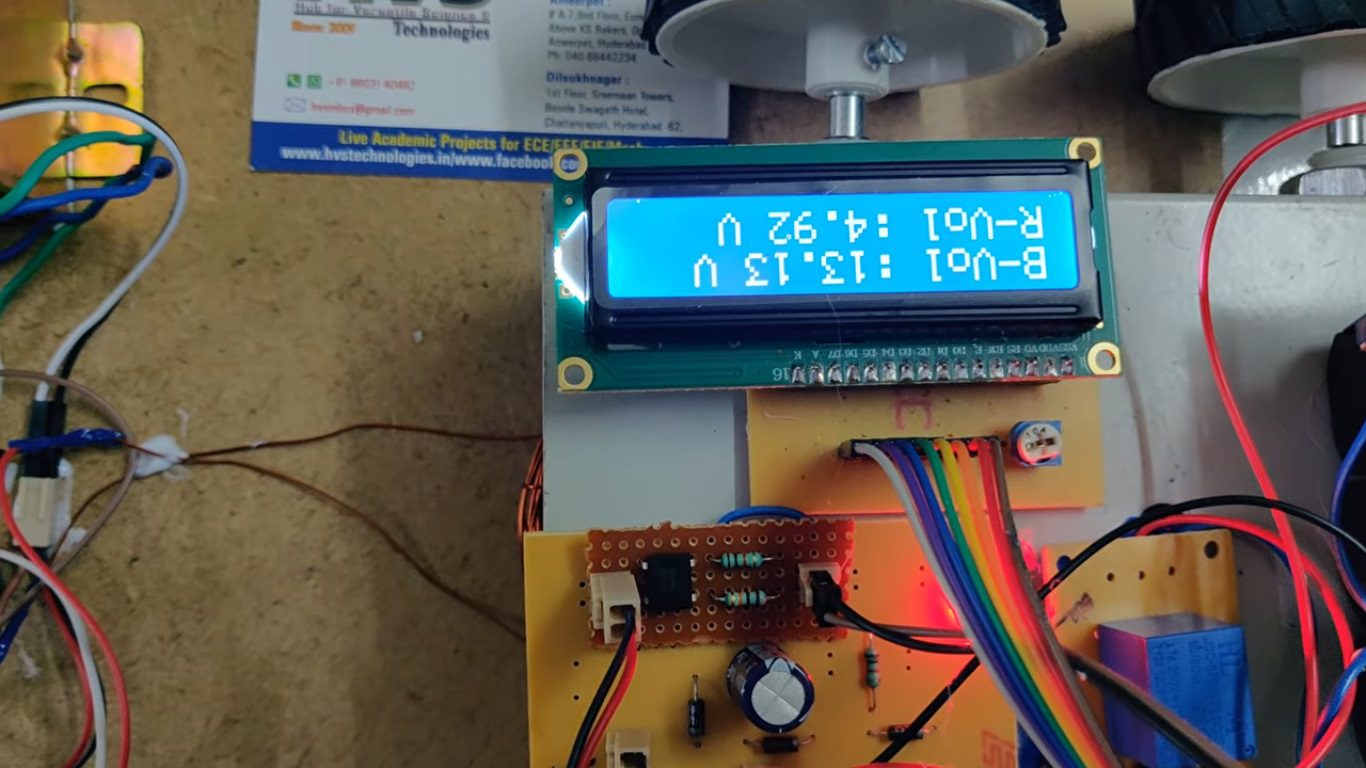
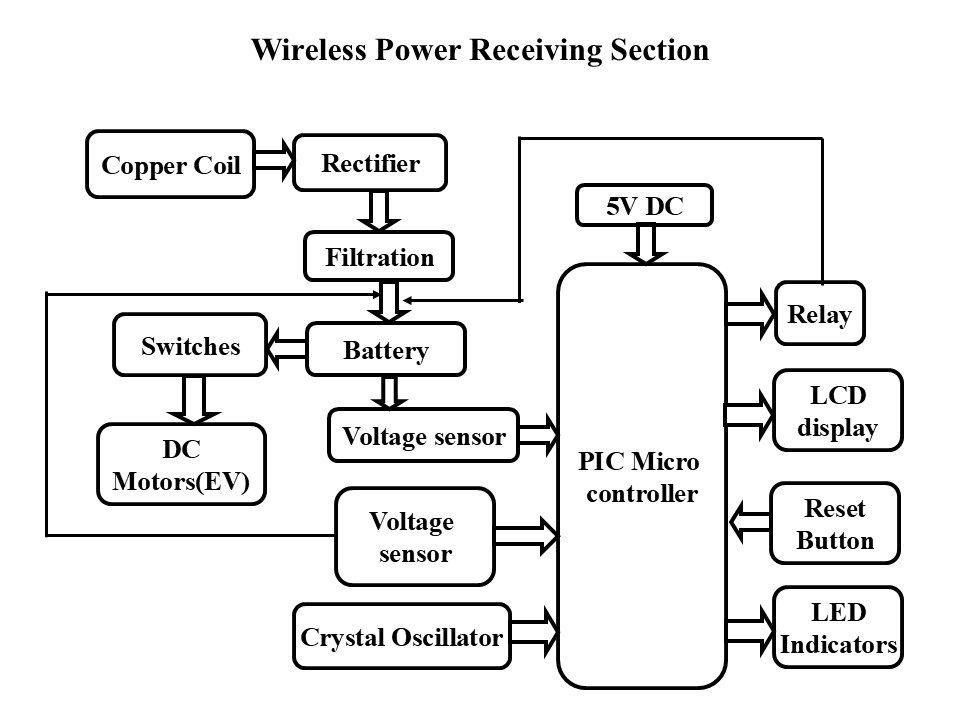
In the receiving section, a receiving copper coil captures the transmitted magnetic energy and converts it into electrical power through a rectifier and filtration circuit. The obtained DC power is used to charge the EV battery through a charge controller mechanism. Switches are used to drive and control the DC motor of the electric vehicle during operation. A PIC microcontroller continuously monitors the battery voltage and receiving voltage using voltage sensors. Based on these voltage levels, the relay automatically turns the charging process ON or OFF to protect the battery from overcharging and to ensure safe charging conditions. The battery voltage and receiving voltage of copper coil are displayed on an LCD display for real-time monitoring by the user.
Additional features such as LED indicators, reset functionality, crystal oscillator synchronization, and protection circuitry are incorporated to improve system reliability, efficiency, and user interaction. The proposed system demonstrates an efficient, safe, and intelligent method for wireless charging of electric vehicles while providing automatic charge control and real-time voltage monitoring. This technology reduces the dependency on wired charging infrastructure and contributes toward the advancement of smart and automated EV charging systems.
Features:
 Block diagram:
video:
Block diagram:
video:
Wireless power transmission for EV charging.
Contactless charging using copper coils.
Automatic battery charging system.
Relay-based charging ON/OFF control.
Battery overcharge protection.
Real-time battery voltage monitoring.
LCD display for voltage and charging status.
DC motor control using switches.
PIC microcontroller-based control system.
Arduino Nano-based transmission control.
The major modules used in the project are: Transmission Section- Step Down Transformer
- Bridge Rectifier
- Filter Capacitors
- 7805 Voltage Regulator
- Arduino Nano Microcontroller
- MOSFET Driver Circuit
- Transmitting Copper Coil
- Receiving Copper Coil
- Rectifier Circuit
- Filter Circuit
- PIC Microcontroller
- Rechargeable Battery
- Relay Module
- Voltage Sensors
- LCD Display
- DC Motors (EV Model)
- Control Switches
- Crystal Oscillator
- Reset Button
- LED Indicators
- PIC-C compiler for Embedded C programming.
- PIC kit 2 programmer for dumping code into Micro controller.
- Express SCH for Circuit design.
 Block diagram:
 video: