Skip to content

HVS-4818. Hydrogen Fuel cell for EV Battery Charging.

18,000.00

The aim of this project is to design and develop a hydrogen fuel cell-based energy system to power electric vehicles, ensuring efficient energy conversion, battery charging, and real-time monitoring through a microcontroller and controlling through switches for sustainable and eco-friendly transportation.
Category Tags
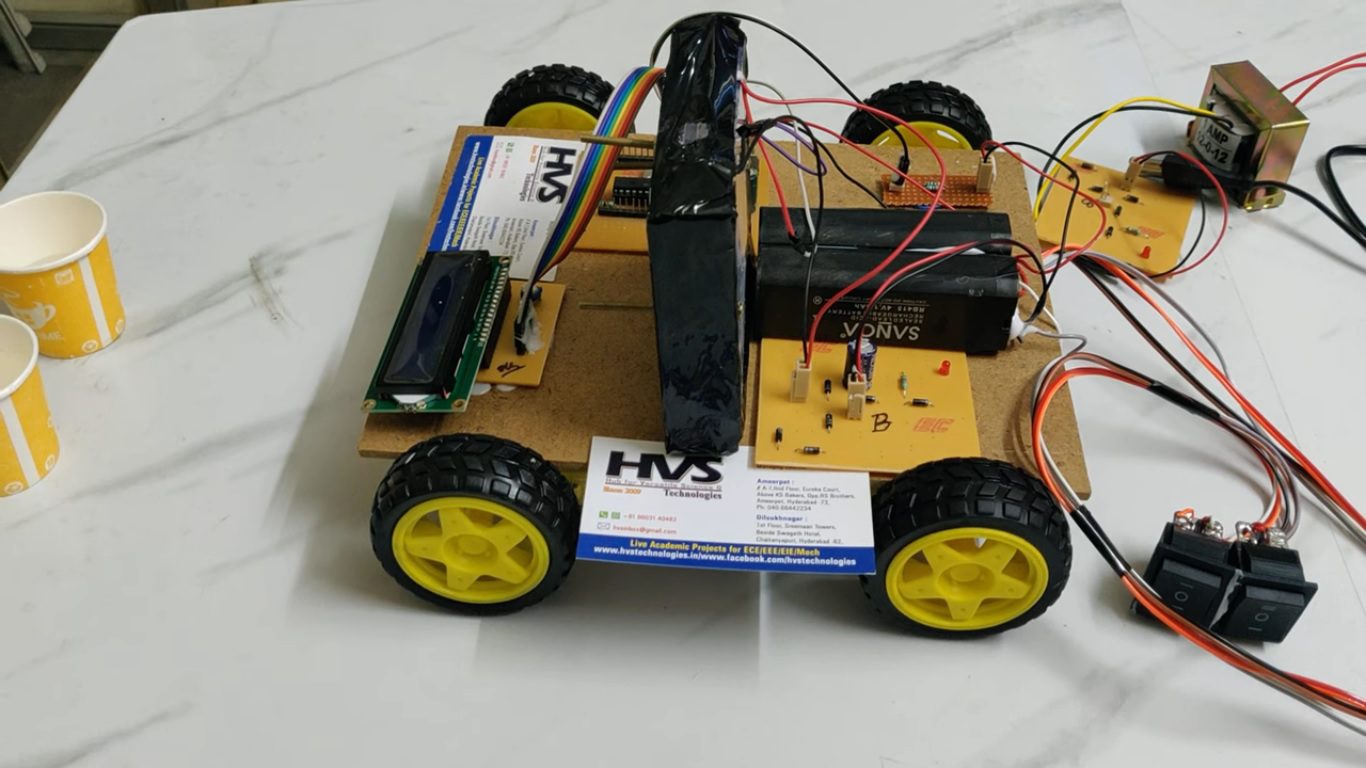
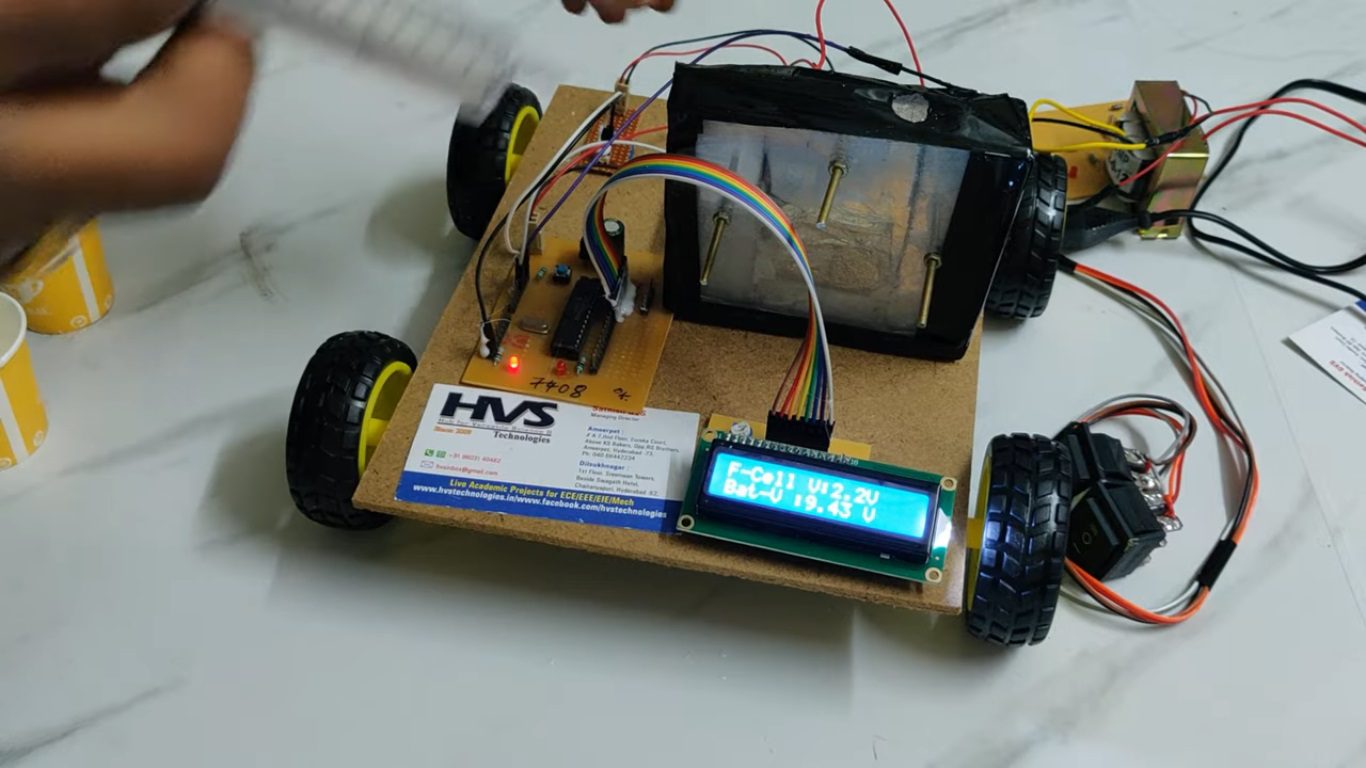
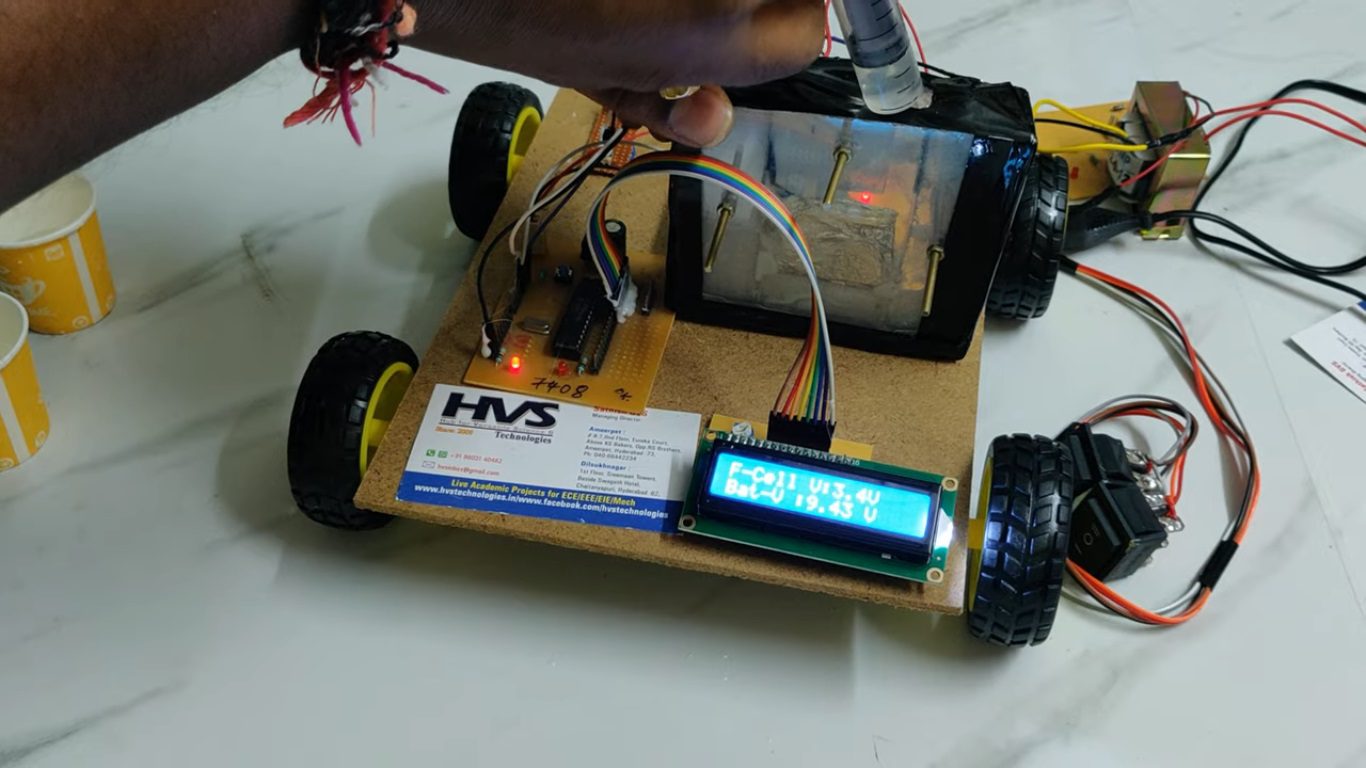
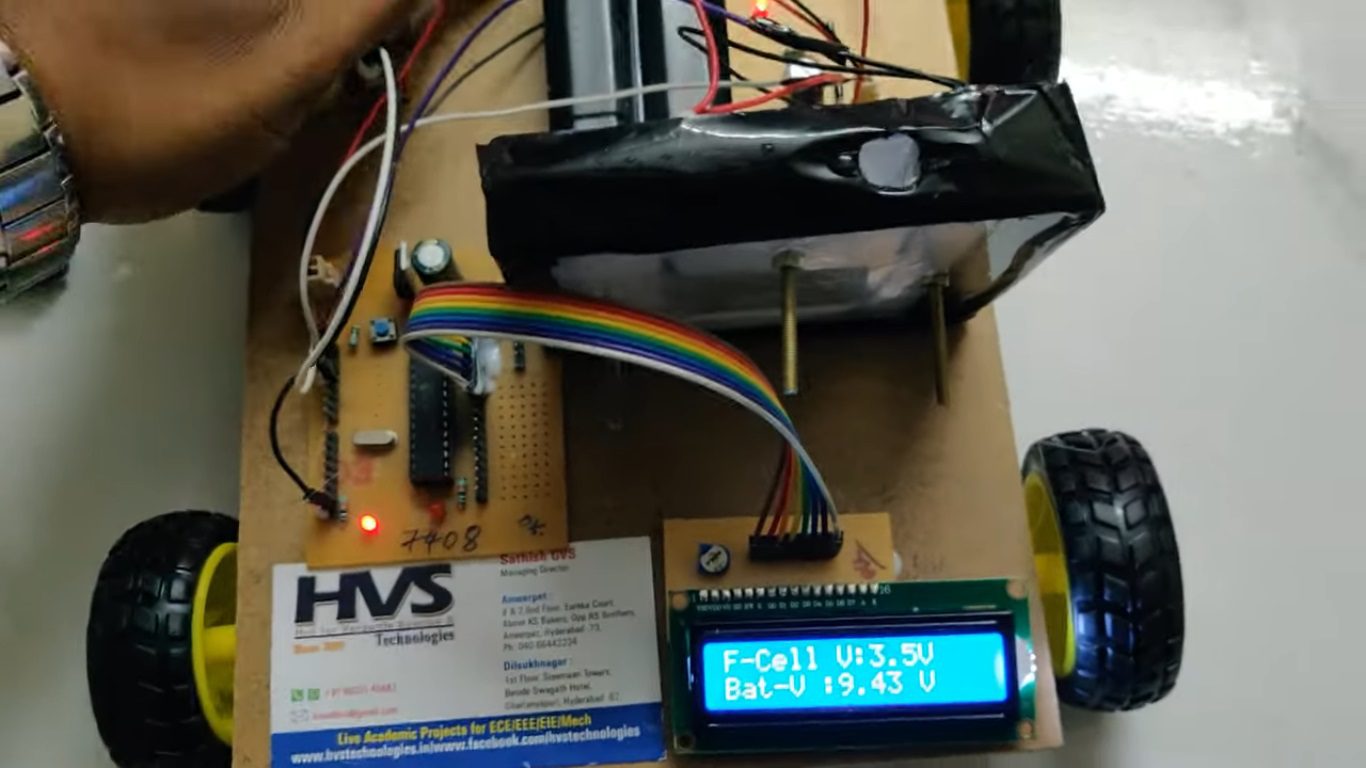
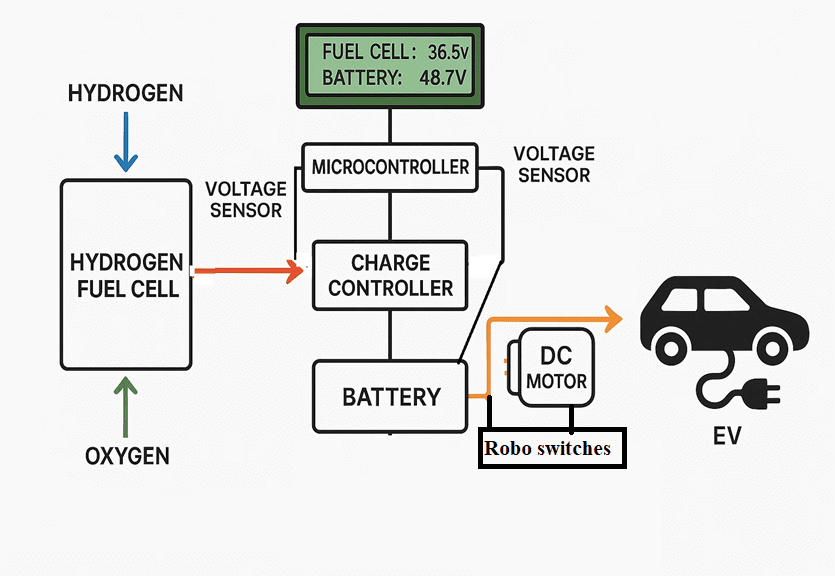
The aim of this project is to design and develop a hydrogen fuel cell-based energy system to power electric vehicles, ensuring efficient energy conversion, battery charging, and real-time monitoring through a microcontroller and controlling through switches for sustainable and eco-friendly transportation. The hydrogen fuel cell generates electrical energy by converting hydrogen and oxygen into electricity and water. This generated power is fed to a charge controller, which regulates the voltage and current to safely charge the battery and supply power to the EV’s DC motor. Microcontroller will measure the fuel cell and battery output voltages through voltage sensors will be display on LCD. This integrated system ensures efficient power management, reliable monitoring, and eco-friendly operation of an electric vehicle using hydrogen fuel as a clean energy source. By using robot switches we can control the EV vehicle forward, backward, left, right and stop movements. To achieve this task microcontroller loaded program written in embedded C language.      

Objectives:
  • To design a hydrogen fuel cell system capable of generating clean electrical energy.
  • To regulate and control the fuel cell output using a charge controller for safe battery charging.
  • To supply stable power to the EV’s DC motor for efficient vehicle operation.
  • To integrate voltage sensors for continuous monitoring of system performance.
  • To use a PIC microcontroller for processing data and controlling overall system operations.
  • To display real-time parameters and system status on an LCD display.
  • To control the EV vehicle using switches.
      Components used:
  • PIC Microcontroller.
  • Hydrogen fuel cell
  • Charge controller.
  • Battery
  • Voltage sensors.
  • EV vehicle (DC motor).
  • LCD display.
  • Crystal oscillator.
  • Reset button.
  • LED indicator.
  • Two Robo switches.
    Software’s used:
  1. PIC-C compiler for Embedded C programming.
  2. PIC kit 2 programmer for dumping code into Micro controller.
  3. Express SCH for Circuit design.
      Block Diagram:


video: