No products in the cart.


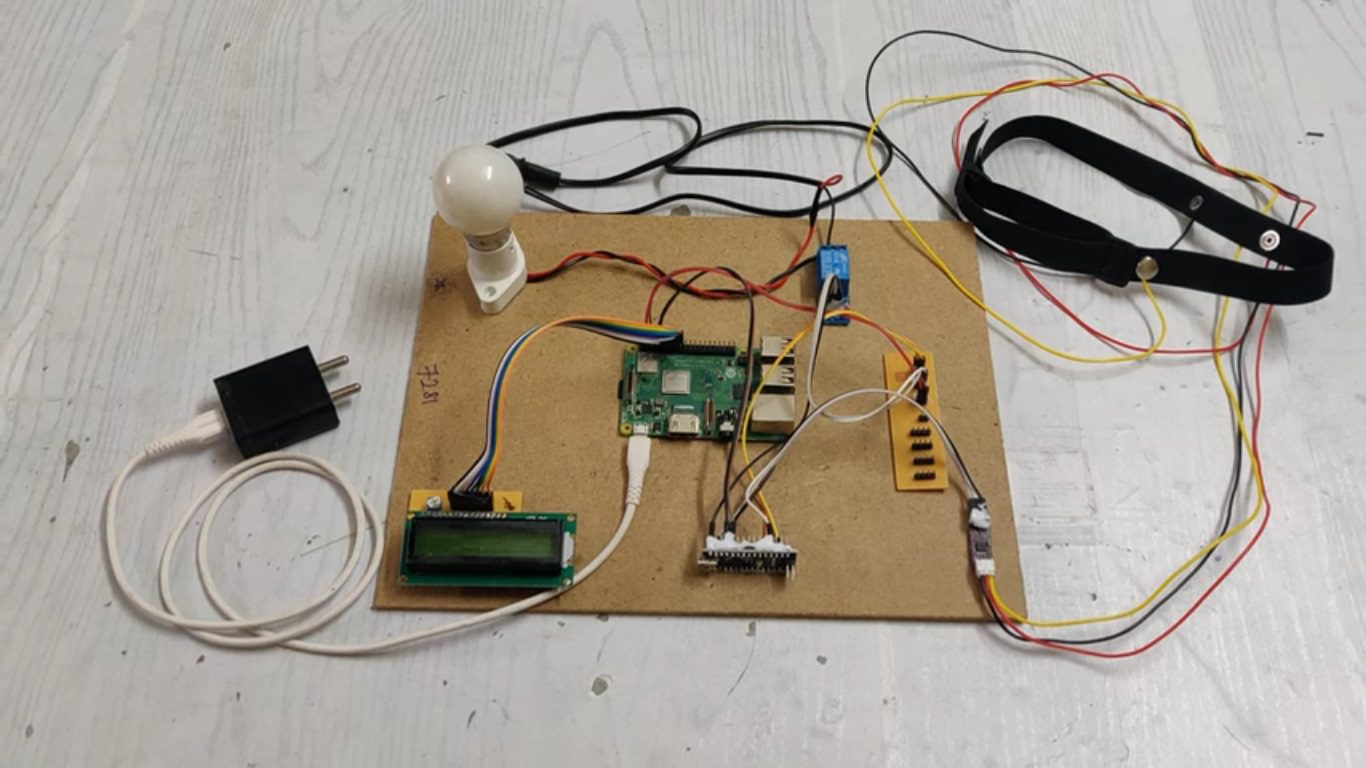
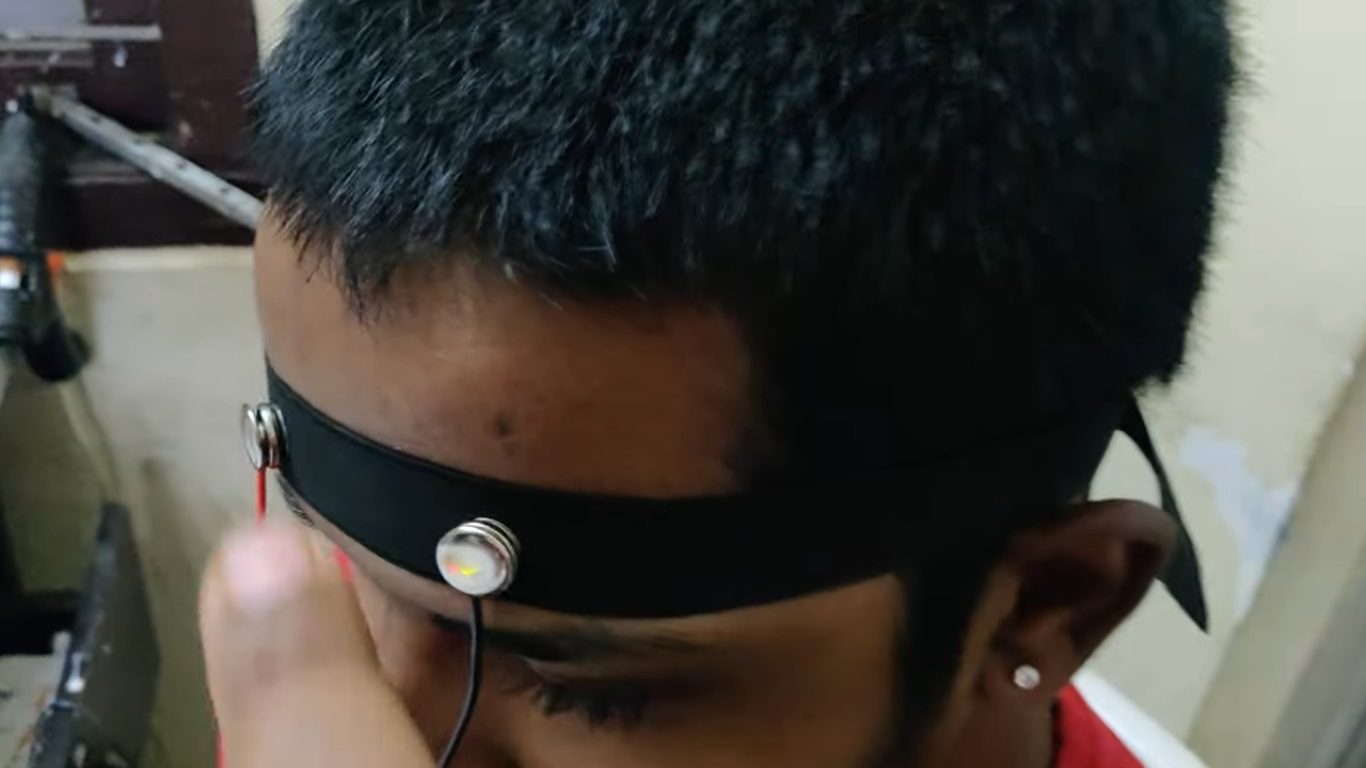
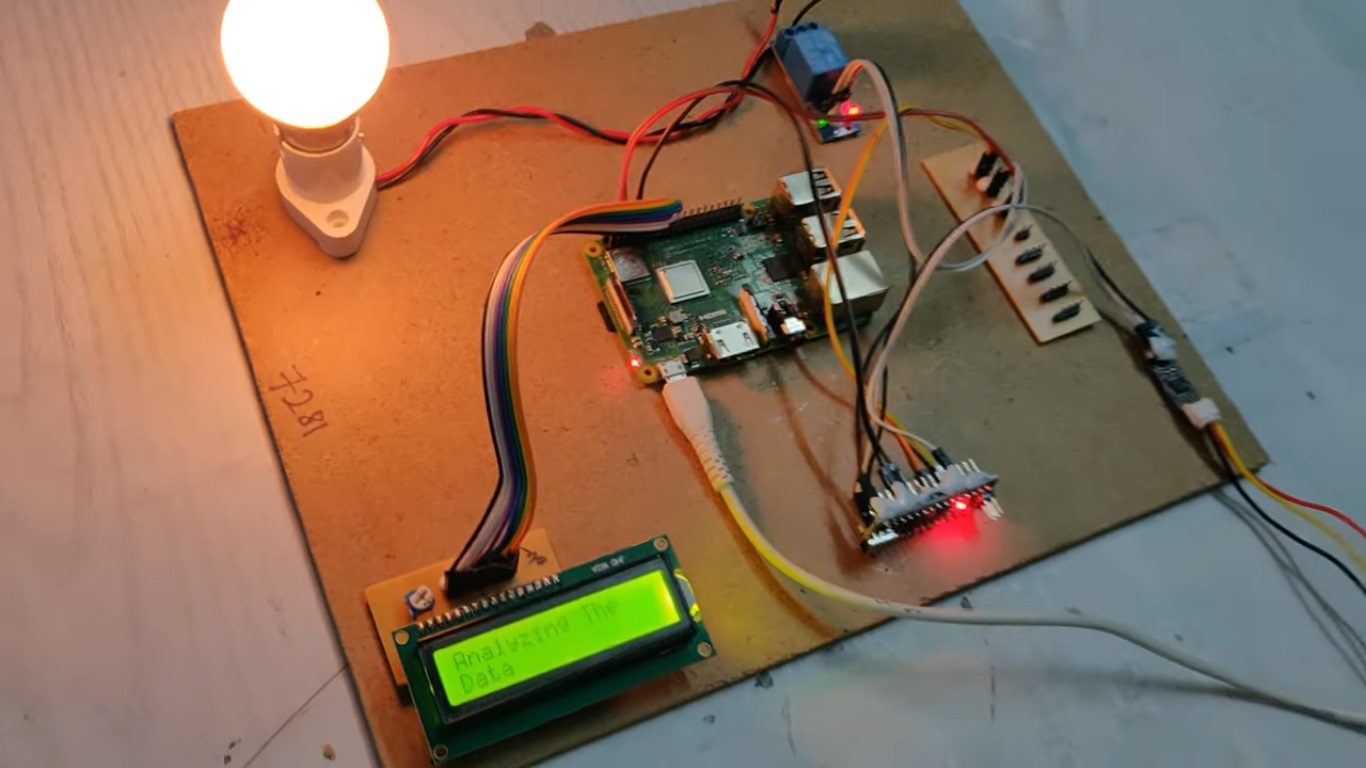
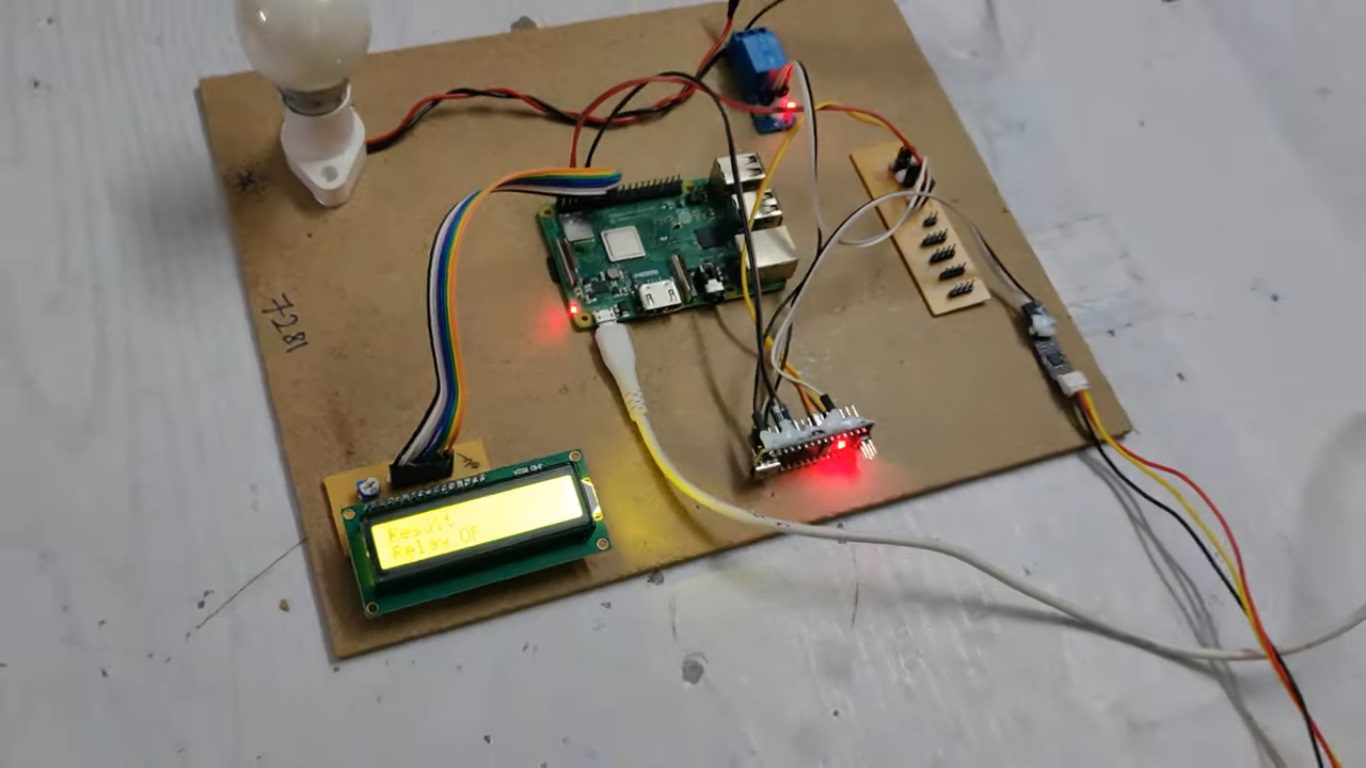
Brain-computer interface (BCI) technology enables direct communication between the human brain and external devices, revolutionizing assistive applications for individuals with disabilities. This project focuses on developing a brain-controlled system using an EEG sensor, Raspberry Pi 3 B+, and a relay module to control a bulb through brainwave signals.
The EEG sensor captures real-time brainwave activity, which is processed by the Raspberry Pi to identify specific mental states such as focus or relaxation. These signals are then translated into commands that trigger the relay module, turning the bulb ON or OFF. The system employs machine learning techniques or predefined thresholds to differentiate between intentional commands and background noise.
This project demonstrates the potential of BCI technology in smart home automation, assistive devices, and neurotechnology applications, offering hands-free control solutions for users with motor impairments. Future enhancements may include integration with other appliances, improved signal classification, and cloud-based analytics for real-time monitoring.
The major features of this project are:
 video:
- Brain-Computer Interface (BCI) Technology: Enables direct communication between the brain and external devices.
- EEG Sensor Integration: Captures real-time brainwave activity (e.g., focus or relaxation states).
- Raspberry Pi 3 B+ Based Processing: Processes EEG signals and identifies mental states.
- Relay Module Control: Uses brainwave commands to turn a bulb ON or OFF.
- Machine Learning / Threshold-Based Signal Classification: Differentiates intentional brain commands from background noise.
- Assistive Application Focus: Offers hands-free control for individuals with motor impairments.
- Potential for Smart Home Automation: Can be extended to control various home appliances.
- Scalable for Future Enhancements: Supports integration with cloud-based analytics, improved classification algorithms, and more devices.
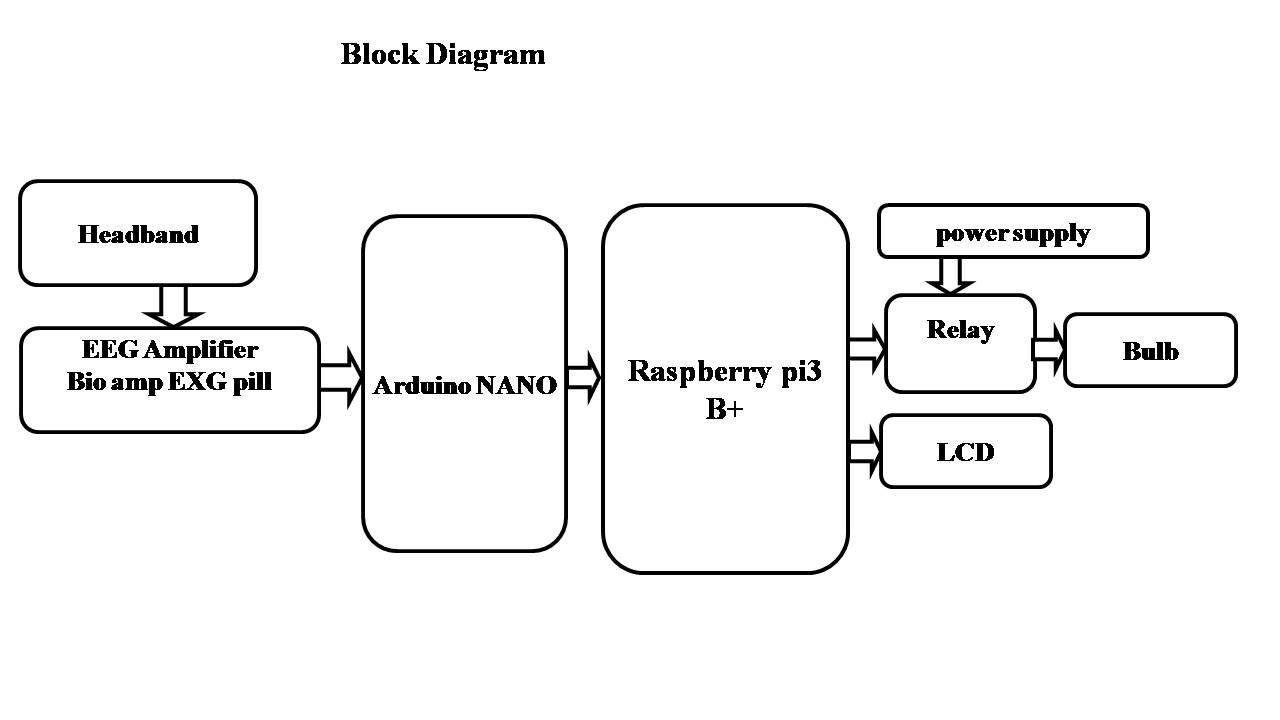
- Power Supply.
- Raspberry pi3 B+.
- EEG amplifier bio amp EXG pill.
- Relay along with Bulb.
- Arduino nano.
- LCD Display.
- Python programming.
- Raspbian OS.
- Express SCH for Circuit design.
- Machine learning.
 video: