No products in the cart.


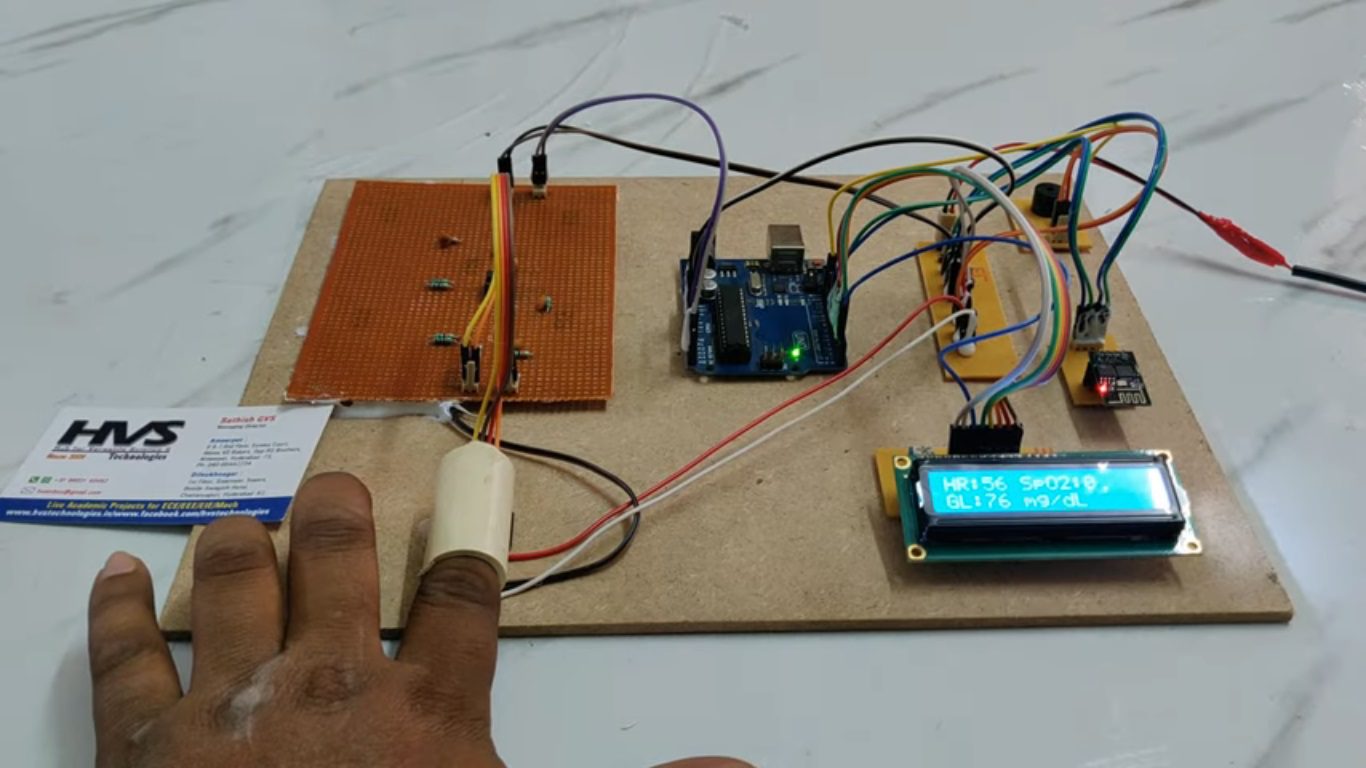
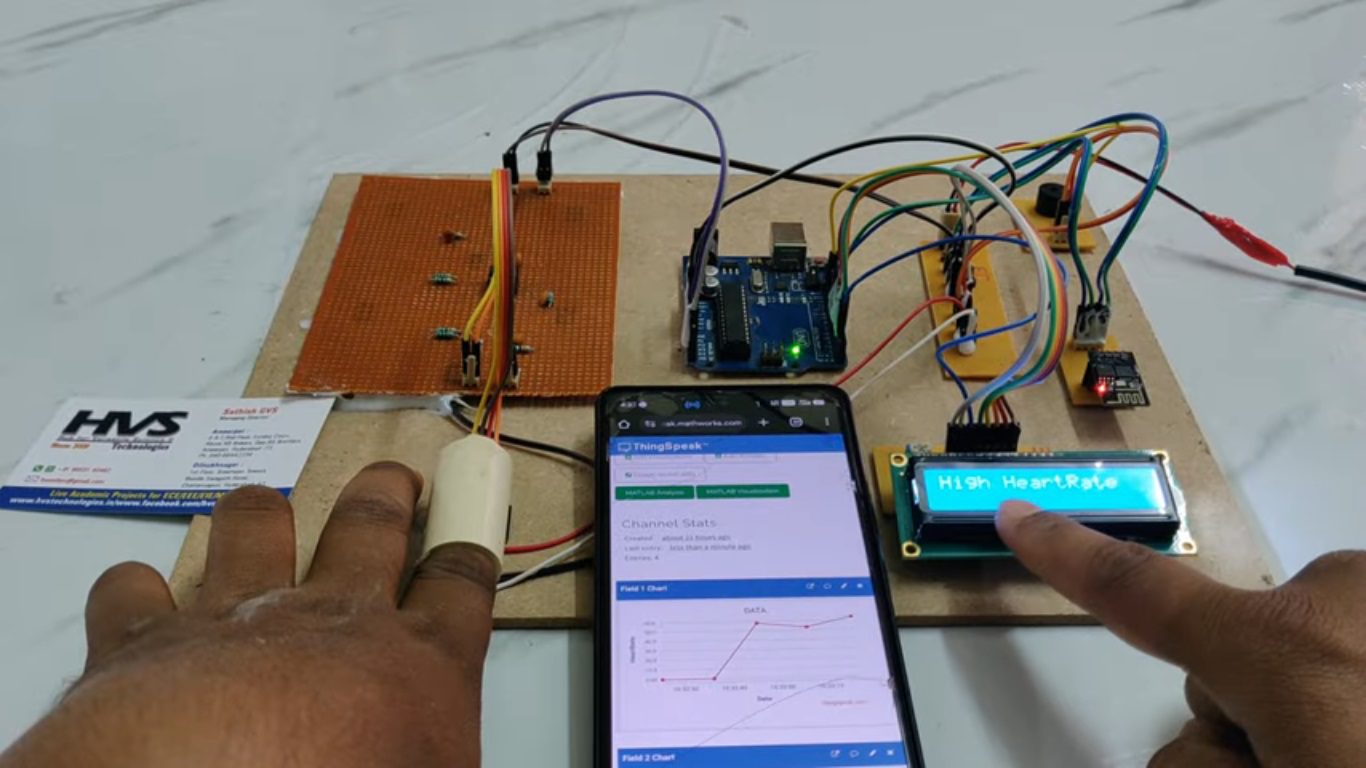
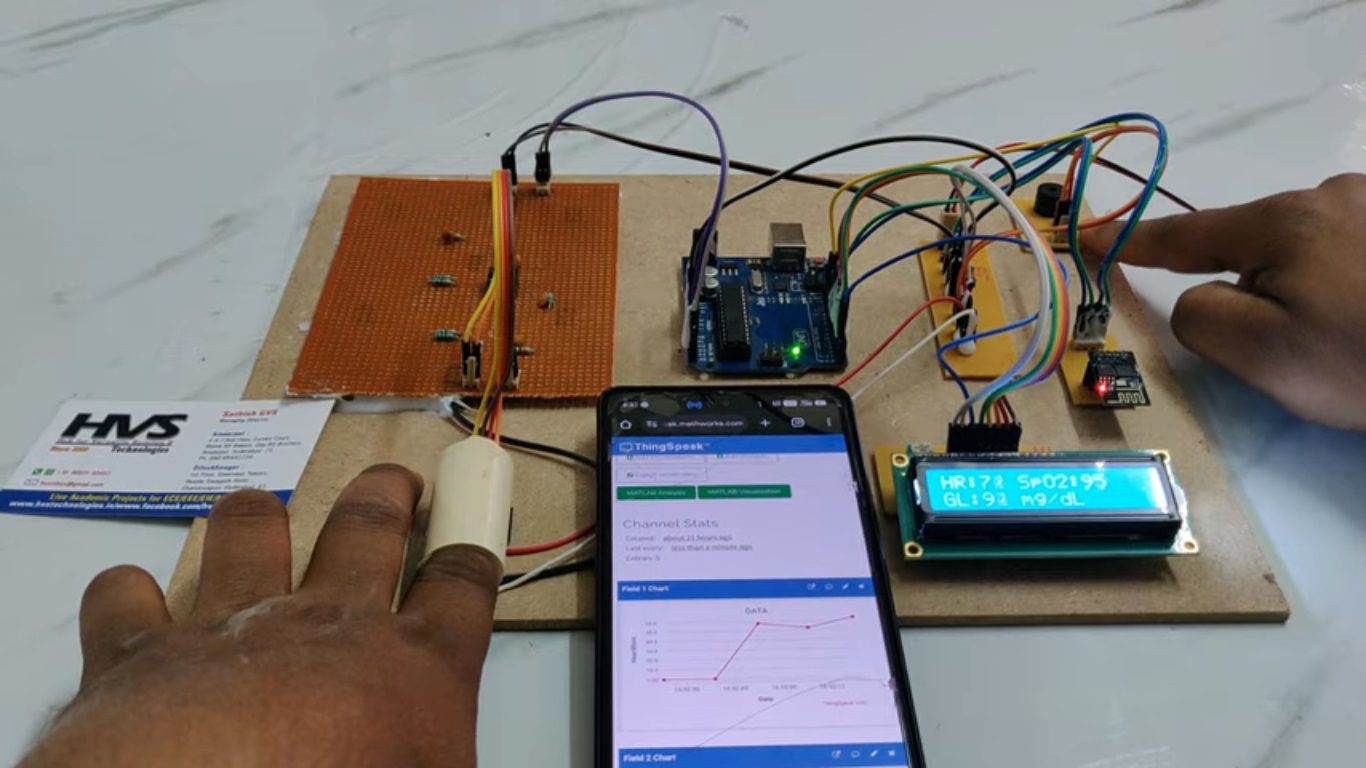
Diabetes management requires frequent monitoring of blood glucose levels, which traditionally involves invasive finger-prick methods that can cause discomfort and reduce patient compliance. This project presents the design and development of a non-invasive glucometer with IoT monitoring, aimed at providing a painless, portable, and real-time health monitoring solution.
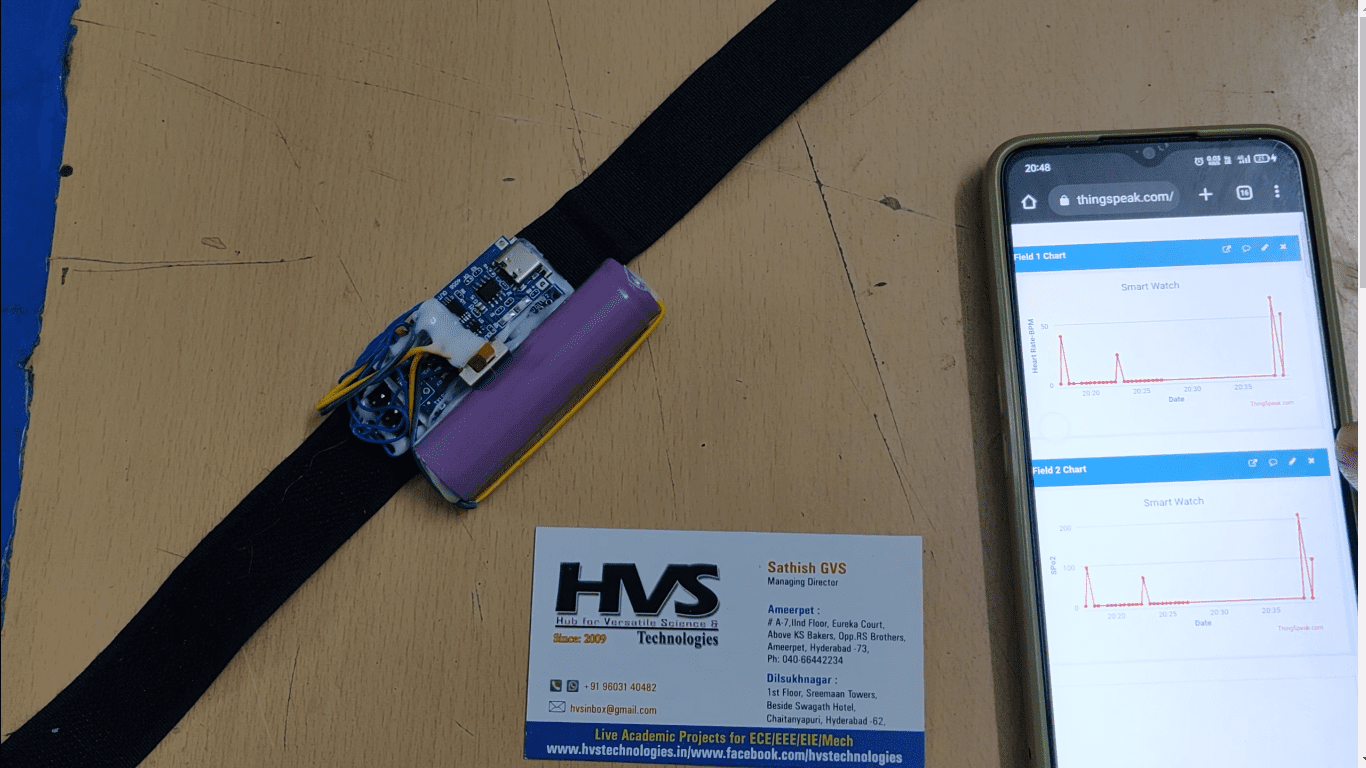
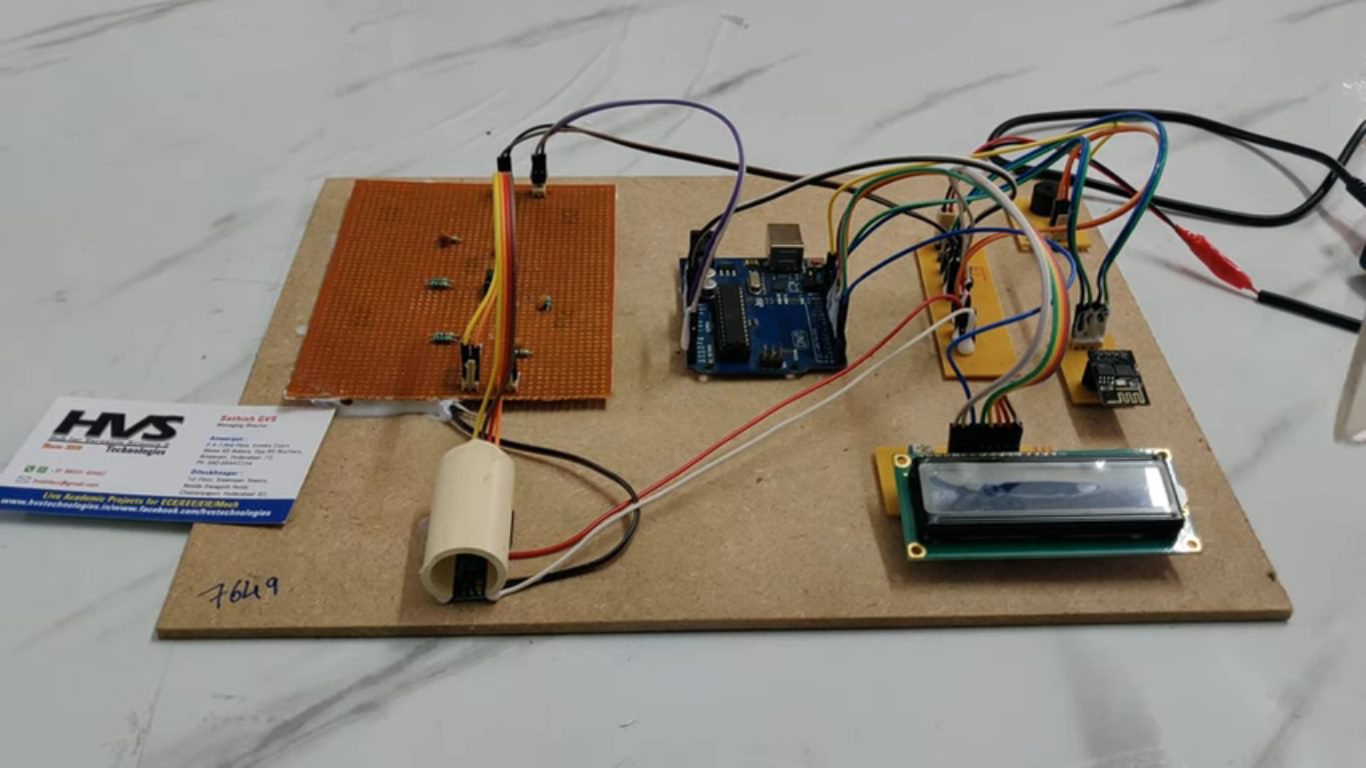
The system utilizes optical sensing technology through the MAX30102 sensor to estimate physiological parameters such as blood glucose trends, SpO₂ levels, and heart rate without penetrating the skin. The collected data is processed using an Arduino Uno microcontroller, which serves as the central control unit.
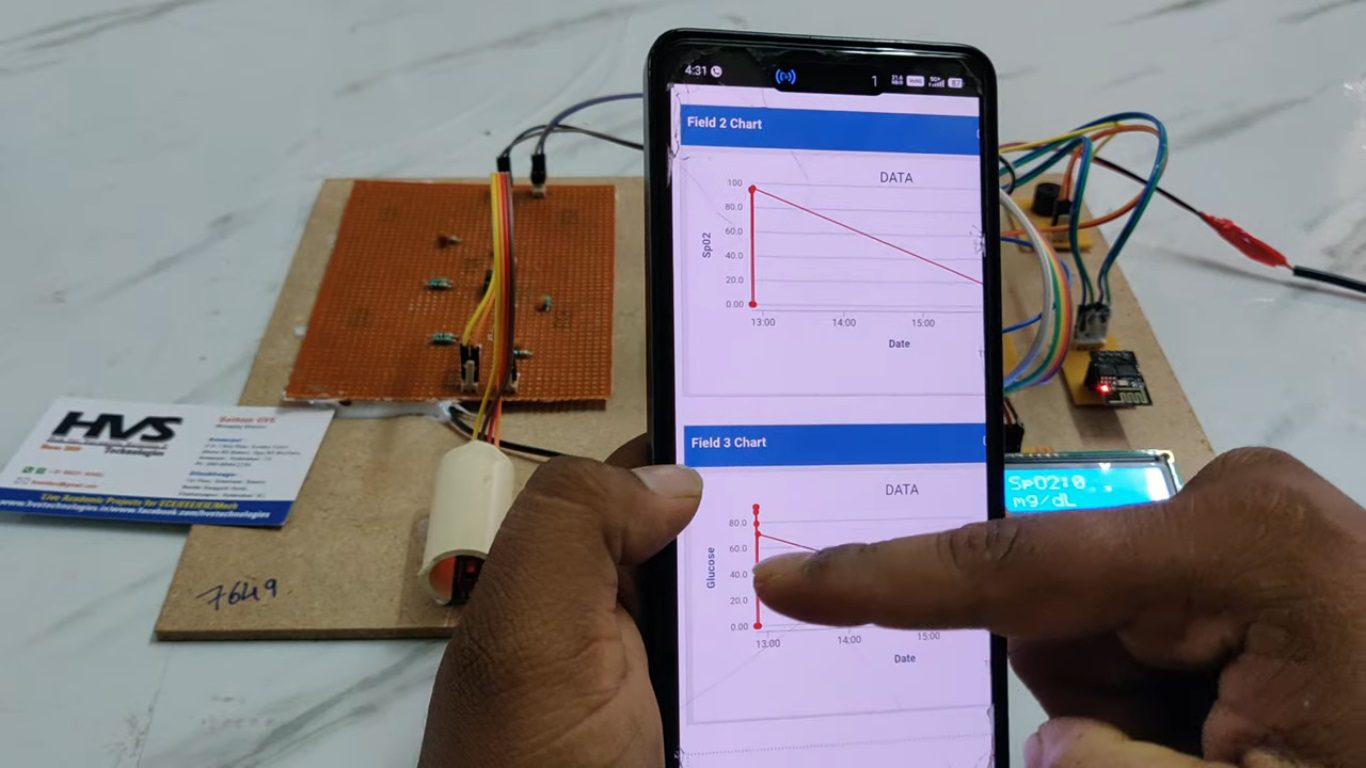
For user interaction and real-time feedback, an LCD display is used to show measured parameters instantly. The device is powered by an adapter. The integrated ESP8266 Wi-Fi module enables wireless data transmission to the ThingSpeak cloud platform for remote monitoring and analysis.
To enhance safety and responsiveness, a buzzer alert system is incorporated. The buzzer activates automatically when any parameter (such as abnormal heart rate, low SpO₂ levels, or unsafe glucose trends) crosses predefined threshold limits, providing an immediate warning to the user.
This system offers a compact, cost-effective, and user-friendly solution for continuous health tracking, especially beneficial for diabetic patients. By eliminating the need for invasive testing, enabling IoT-based remote monitoring, and providing real-time alerts, the proposed device enhances comfort, accessibility, and proactive healthcare management.
Main objectives of the project:
 `
video:
`
video:
To design a non-invasive system for monitoring glucose trends, heart rate, and SpO₂.
To use the MAX30102 sensor for real-time health data collection.
To process the data using an Arduino Uno microcontroller.
To display the measured values on an LCD screen.
To send the data to the cloud using the ESP8266 Wi-Fi module for IoT monitoring.
To provide remote access to health data through the ThingSpeak platform.
To implement a buzzer alert system for abnormal conditions.
To develop a low-cost and user-friendly health monitoring device.
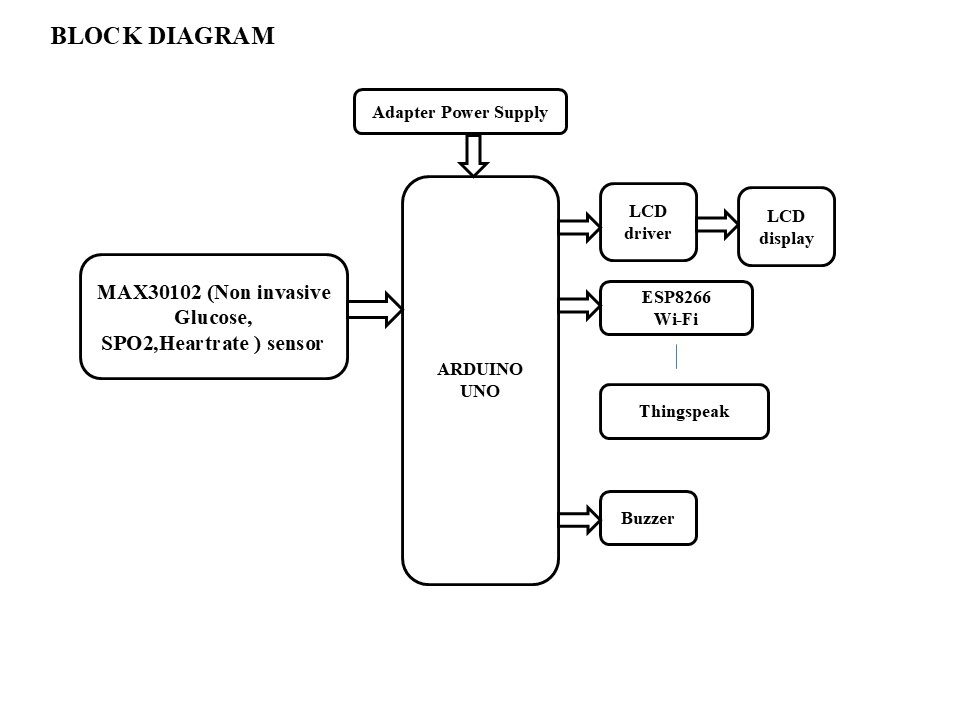
The major building blocks of this project are:- Adapter Power supply.
- Arduino UNO.
- Max30102(Non invasive Glucose, SPO2, Heartrate) sensor.
- LCD display.
- ESP8266 WI-FI module.
- Buzzer.
- ARDUINO IDE.
- Embedded c language.
 `
video:
`
video: