No products in the cart.


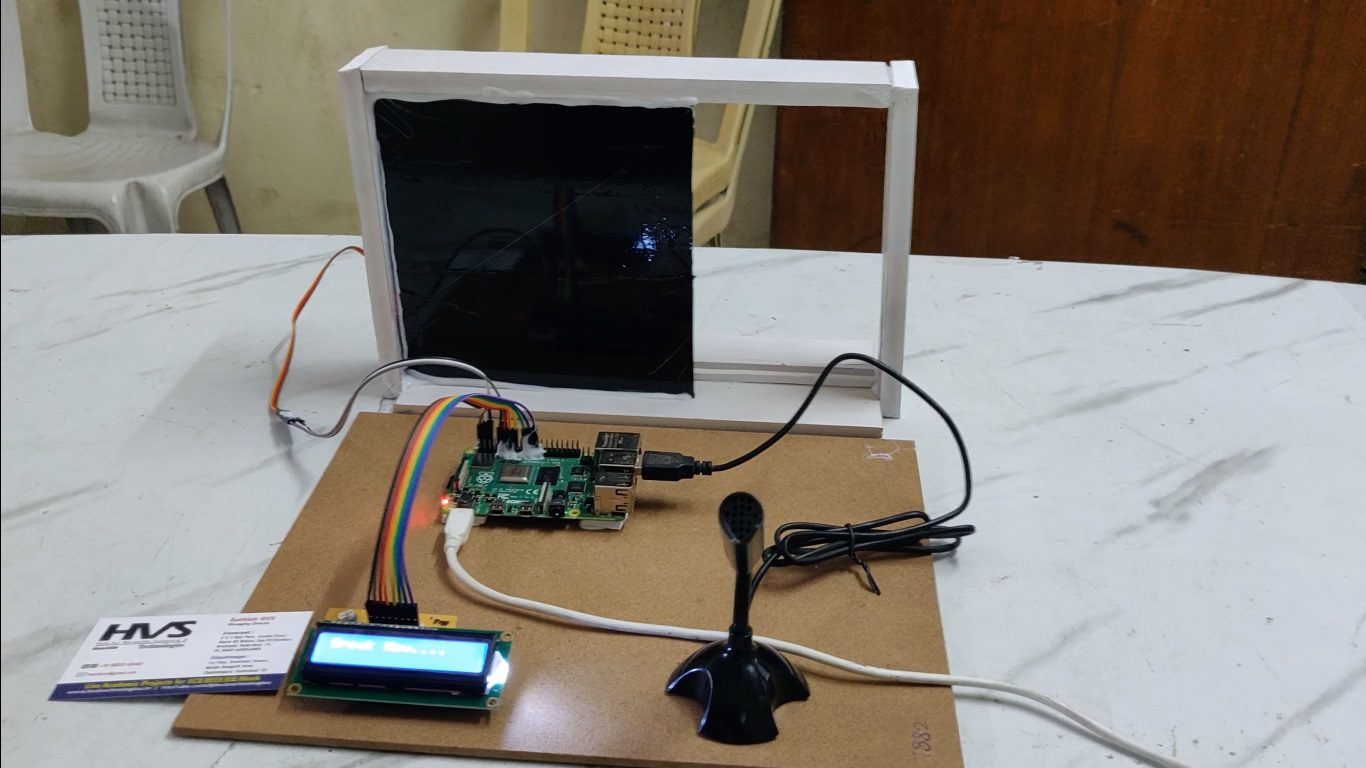
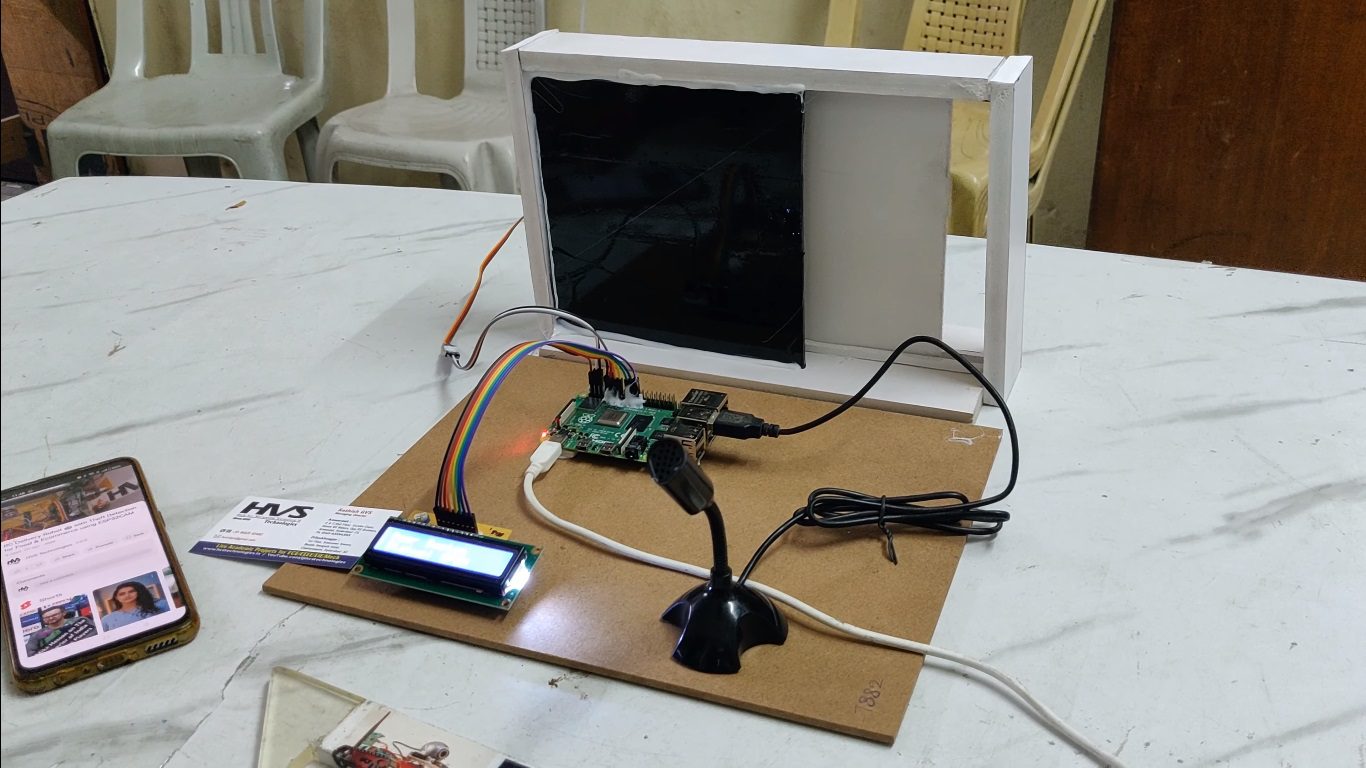
With the rapid growth of Internet of Things (IoT) technologies, voice-controlled smart systems are becoming an essential part of modern automation. This project presents a voice recognition–based door control system using TinyML and deep learning techniques for IoT devices. The proposed system enables users to open and close a door using simple voice commands, providing a hands-free, secure, and intelligent access control solution.
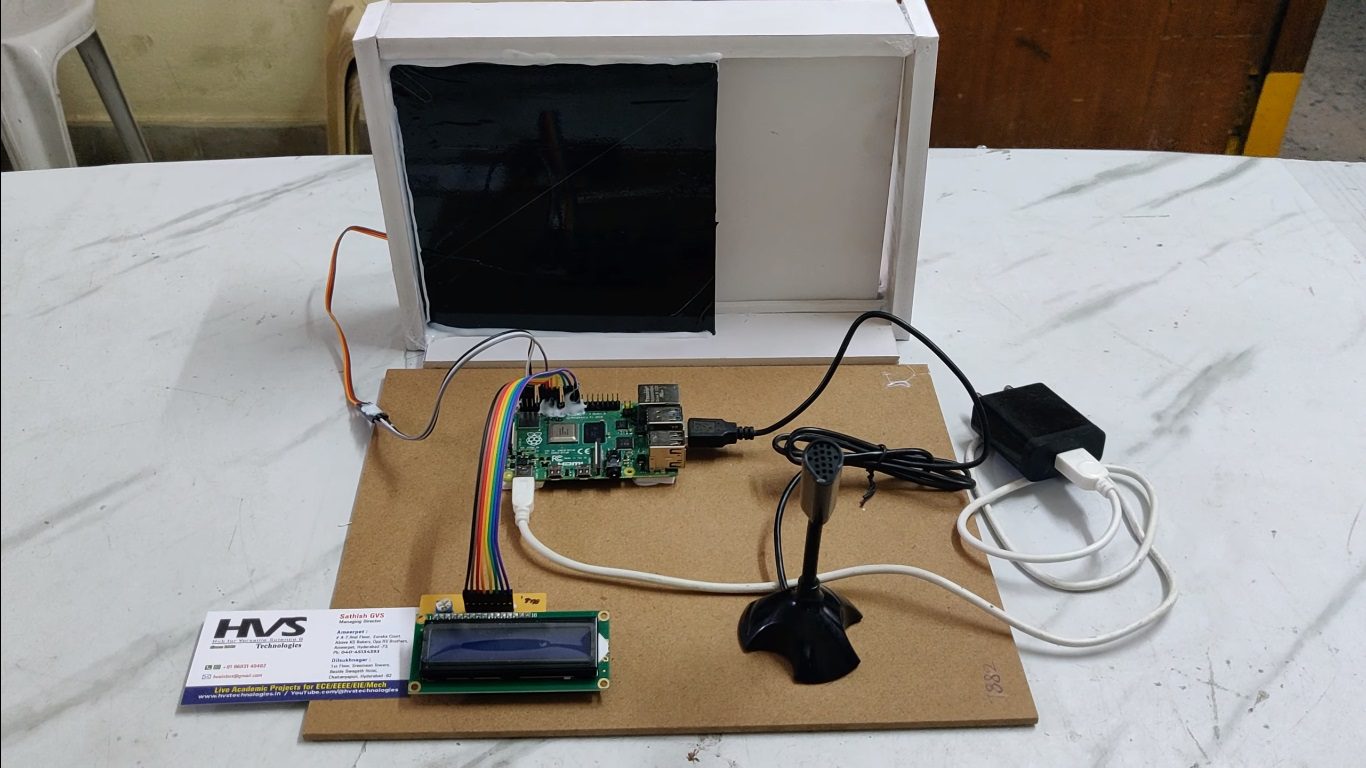
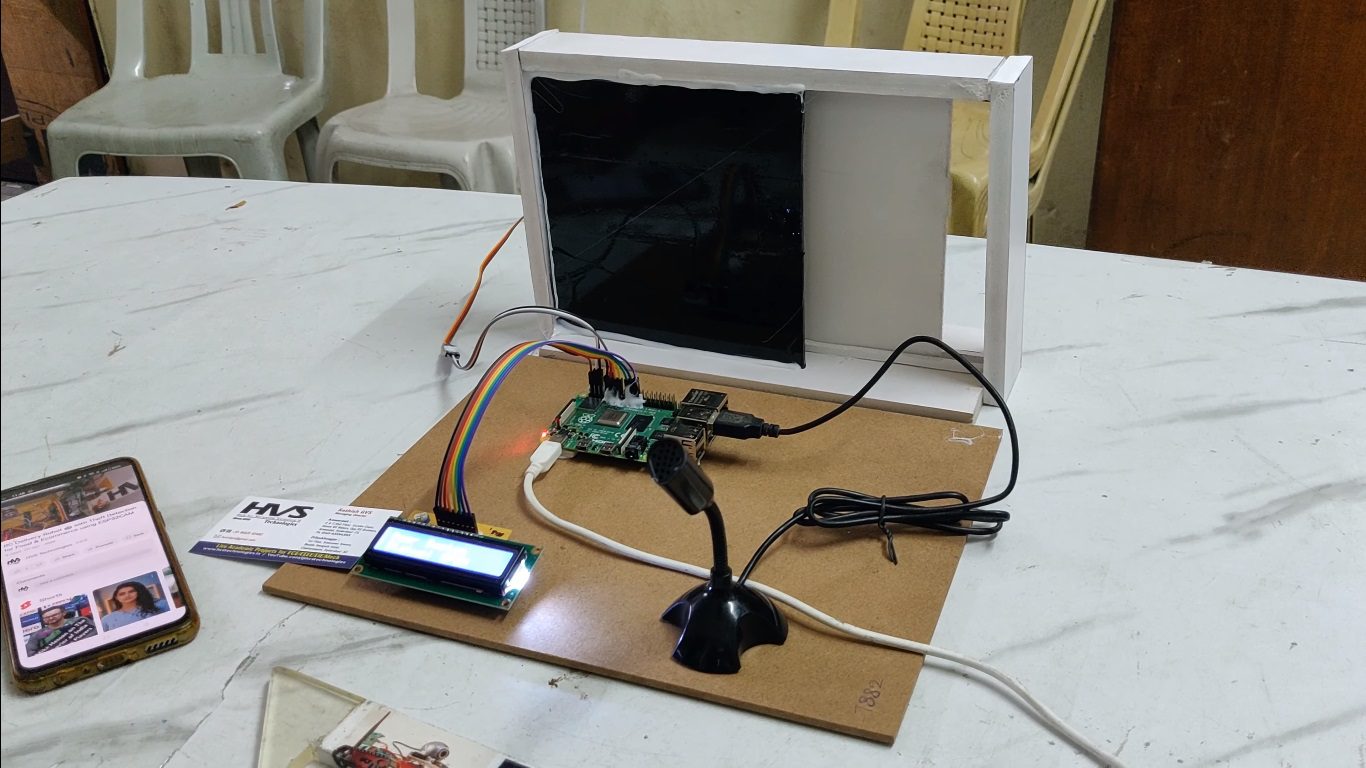
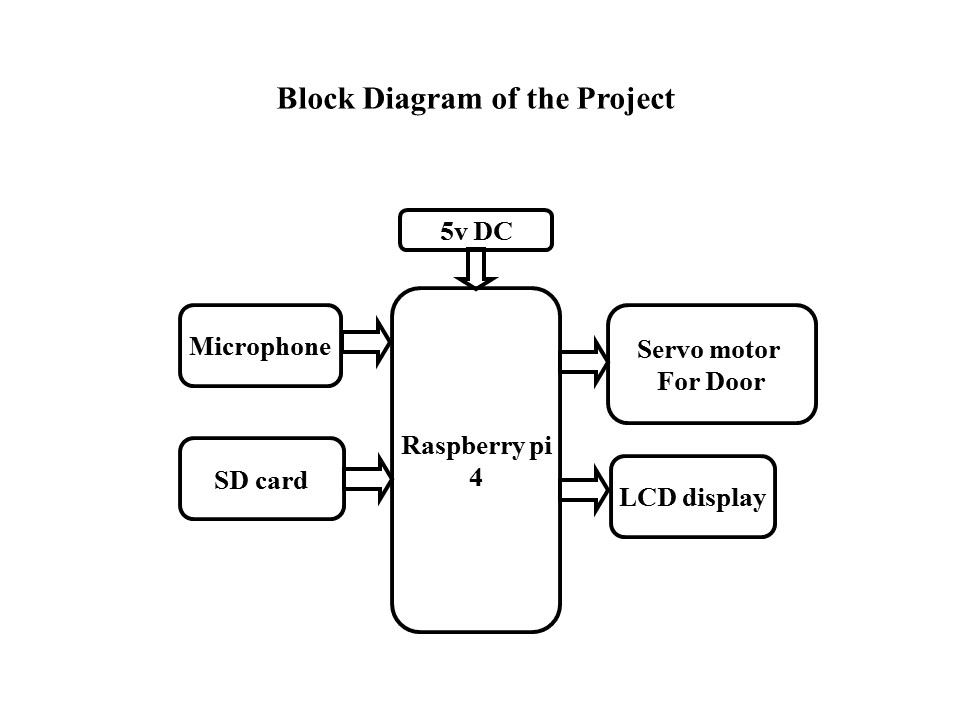
The system is built around a Raspberry Pi 4, which acts as the central processing unit. Voice commands are captured through a microphone module and processed locally using TinyML-based deep learning models, allowing efficient and low-latency voice recognition without continuous cloud dependency. Advanced noise filtering techniques are implemented to ensure high accuracy even in noisy environments. Recognized commands are matched with predefined keywords such as “Open Door” and “Close Door”.
Upon successful recognition, the Raspberry Pi drives a servo motor to perform precise door movement operations. The current system status, including command recognition and door position, is displayed on an LCD display for real-time user feedback. An SD card is used for data storage, including trained models and system logs. The entire system operates on a 5V DC power supply, making it suitable for embedded and IoT applications.
This project demonstrates an efficient, low-power, and cost-effective voice-controlled smart door system using TinyML and deep learning, with potential applications in smart homes, assistive technology, and secure access control systems.
The main objectives of this project are:
 video:
- To design and develop a voice recognition–based door control system using TinyML and deep learning techniques.
- To implement offline voice command recognition on an IoT device for improved privacy and low latency.
- To efficiently filter background noise and improve voice recognition accuracy using TinyML models.
- To control a servo motor for door opening and closing based on recognized voice commands.
- To display the system status and door operation (Open/Close) on an LCD display.
- To utilize Raspberry Pi 4 as the main controller for processing voice commands and device control.
- To create a low-power, cost-effective, and user-friendly smart door automation system.
- To demonstrate the applicability of TinyML in real-time IoT applications such as smart homes and access control systems.
- Adapter power supply.
- Raspberry pi 4.
- SD card.
- LCD display.
- Micro phone.
- Servo Motor.
- Raspbian OS.
- TinyML and deep learning techniques.
 video: