No products in the cart.


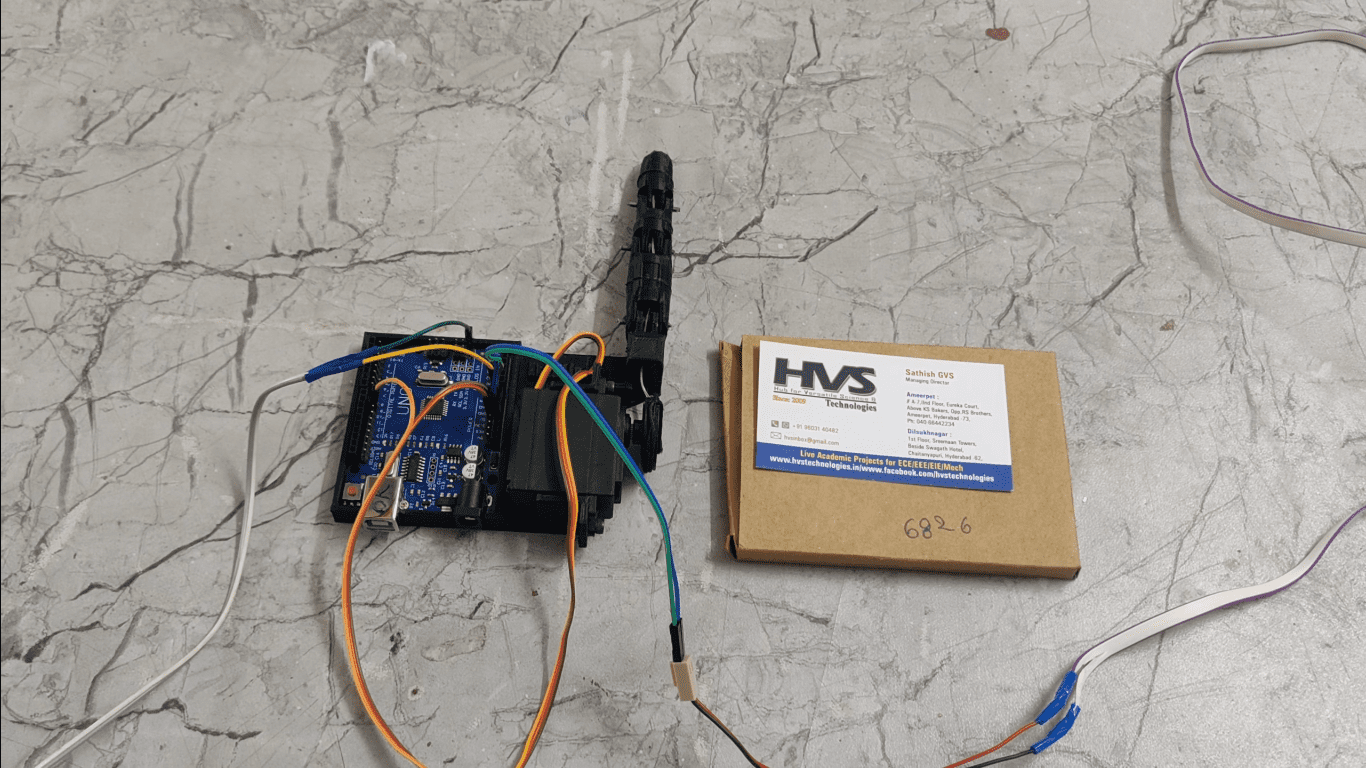
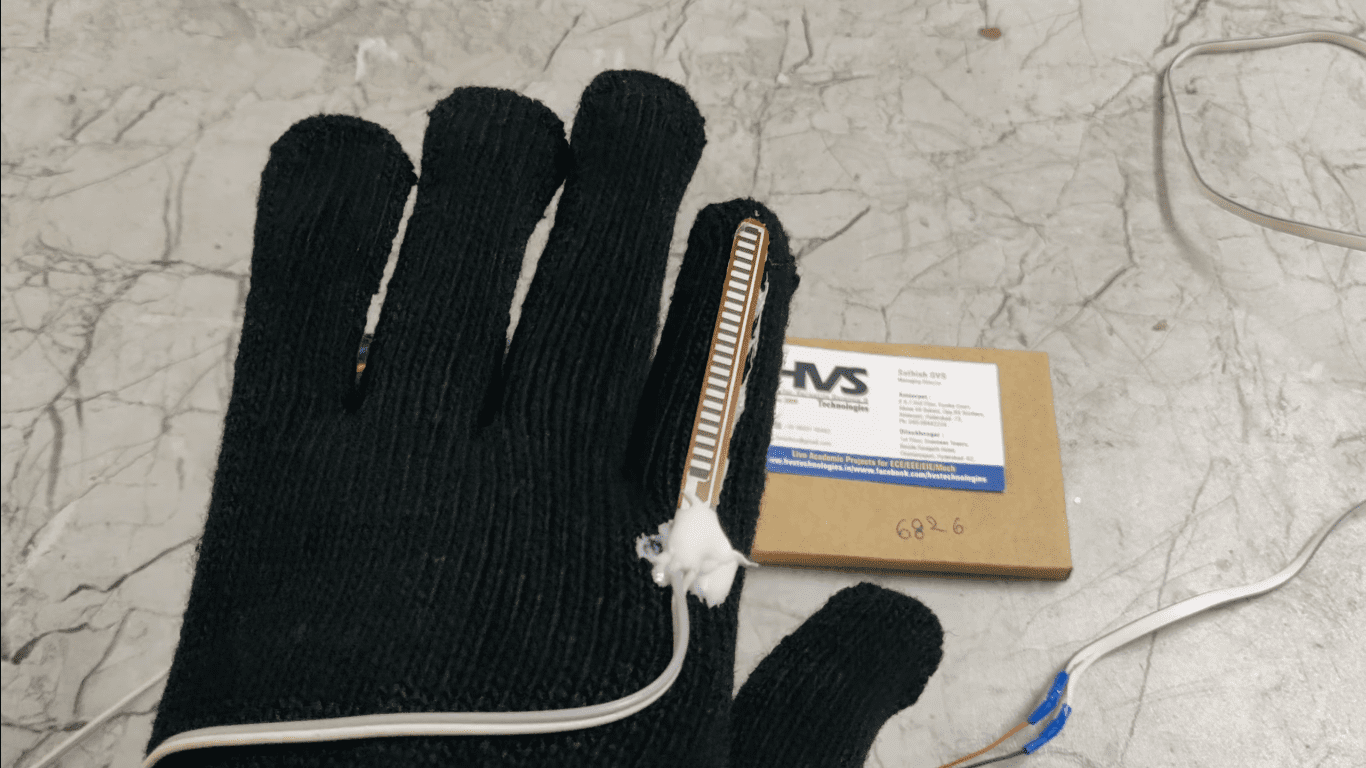
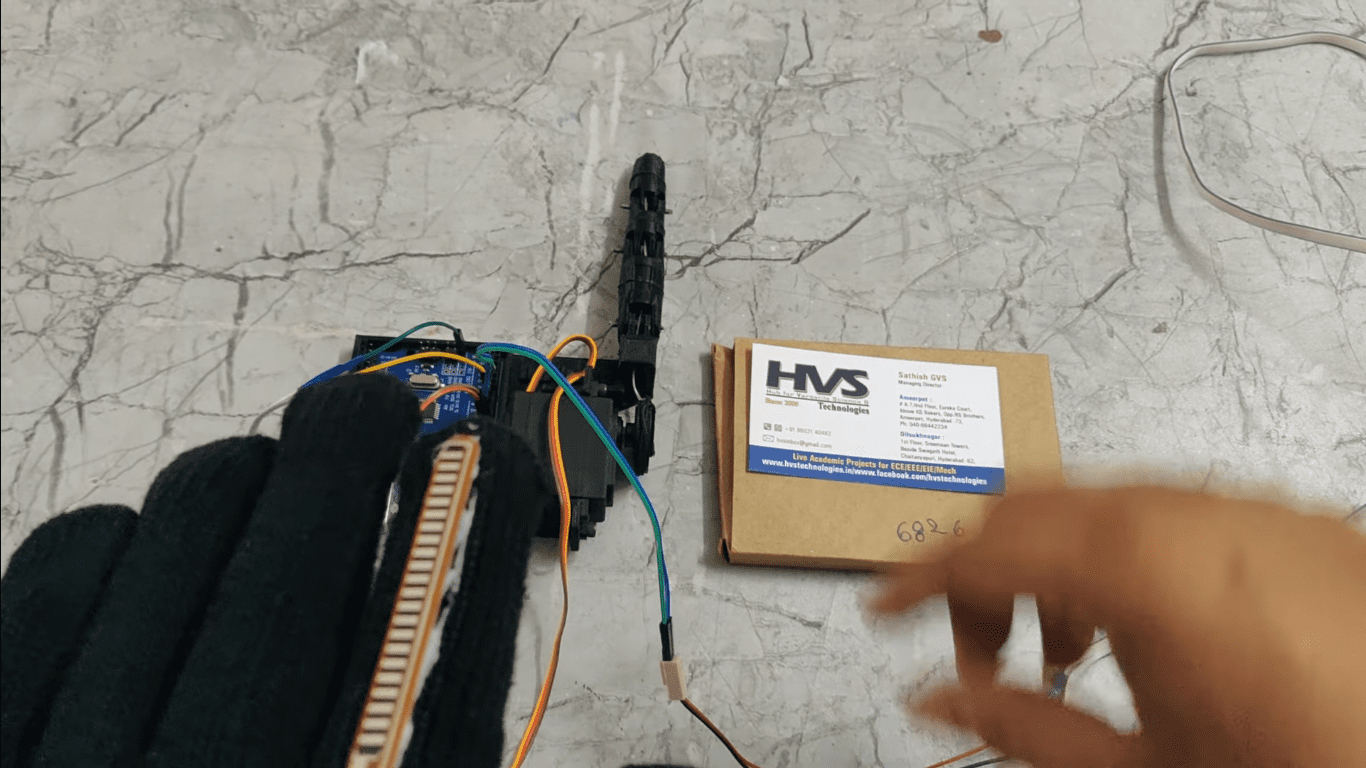
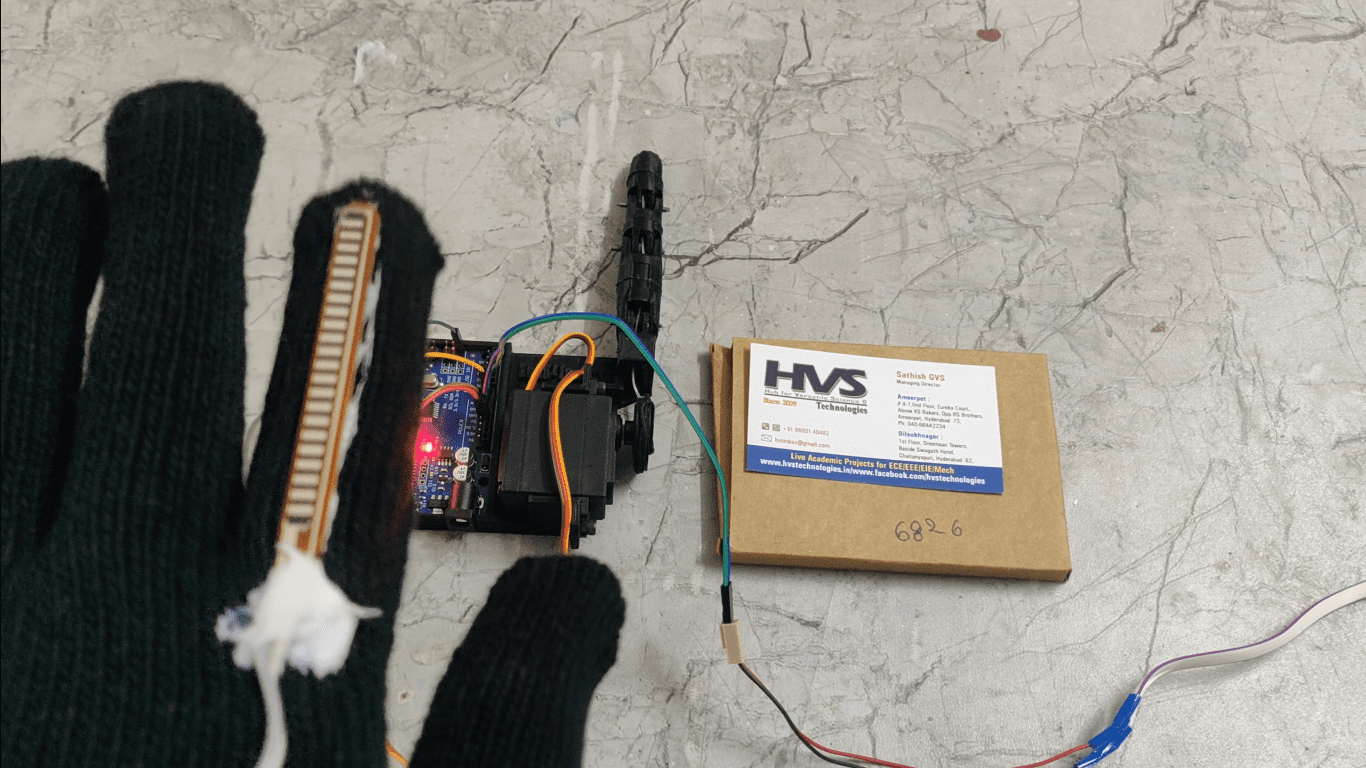
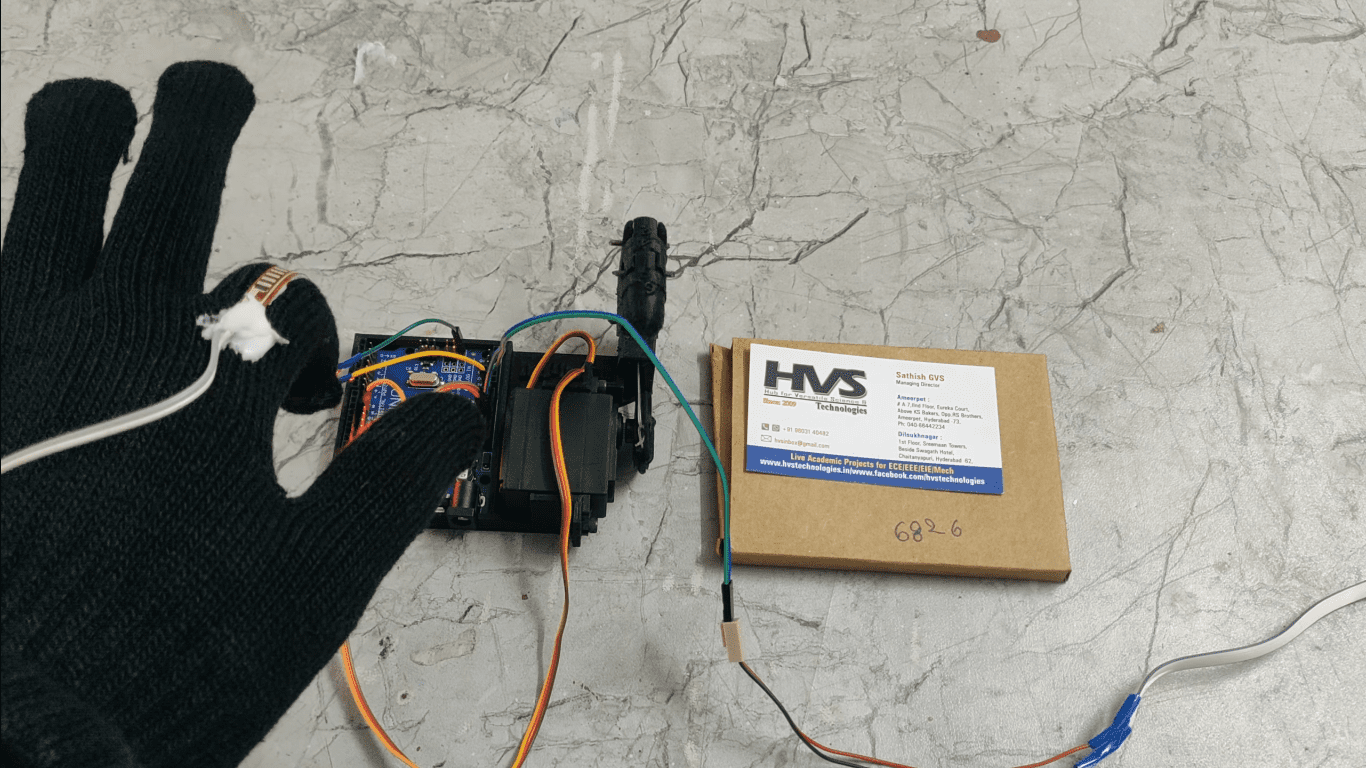
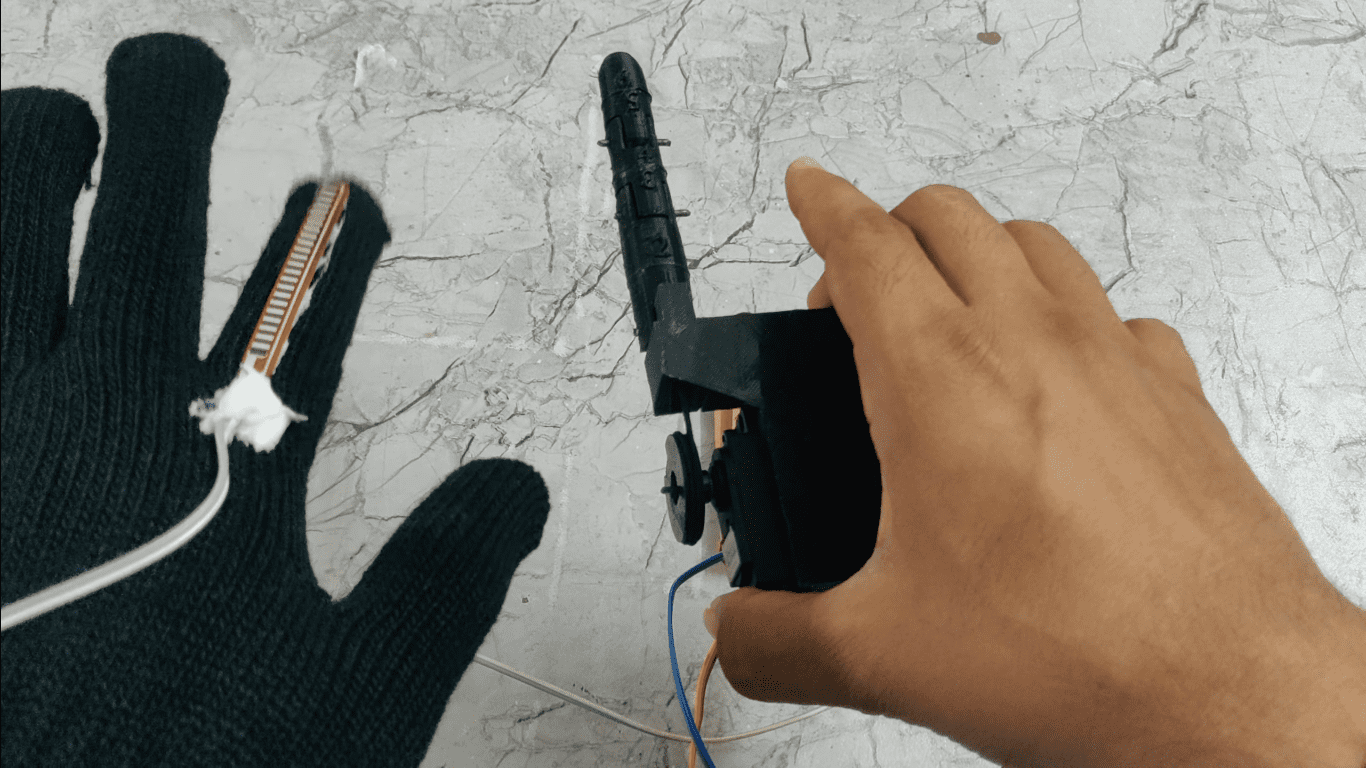
This project focuses on the design and fabrication of a prosthetic finger robot utilizing a combination of a flex sensor, Arduino UNO microcontroller, servo motor, and a 3D-printed finger structure. The aim is to develop a prosthetic device that offers improved dexterity and functionality for users with hand impairments. The prosthetic finger features a custom 3D-printed structure that is both lightweight and durable, ensuring a comfortable fit and reliable performance. A flex sensor is embedded within the finger to detect bending movements, which are then analyzed by the Arduino UNO. The microcontroller processes this data to control a servo motor, which adjusts the finger’s articulation in response to the detected movements. This integration enables the prosthetic finger to perform natural and precise motions, closely mimicking the movement of a human finger. The project includes designing the finger using CAD software, printing the components with high-resolution 3D printers, and assembling the device with careful consideration of ergonomics and functionality. Testing and validation confirm that the prosthetic provides effective and adaptive support for users, demonstrating the potential of combining these technologies for enhancing prosthetic solutions.
The main objectives of the project are:
 video:
- Develop a prosthetic finger that is both mechanically functional and ergonomically suitable for users. This involves designing a 3D-printed finger structure that is lightweight, durable, and comfortable to wear.
- Implement a flex sensor within the prosthetic finger to accurately detect and measure the degree of bending. This sensor will provide real-time data on finger movement, essential for controlling the prosthetic’s functionality.
- Employ an Arduino UNO microcontroller to process the data received from the flex sensor. The microcontroller will interpret the sensor's readings and translate them into control signals for the servo motor.
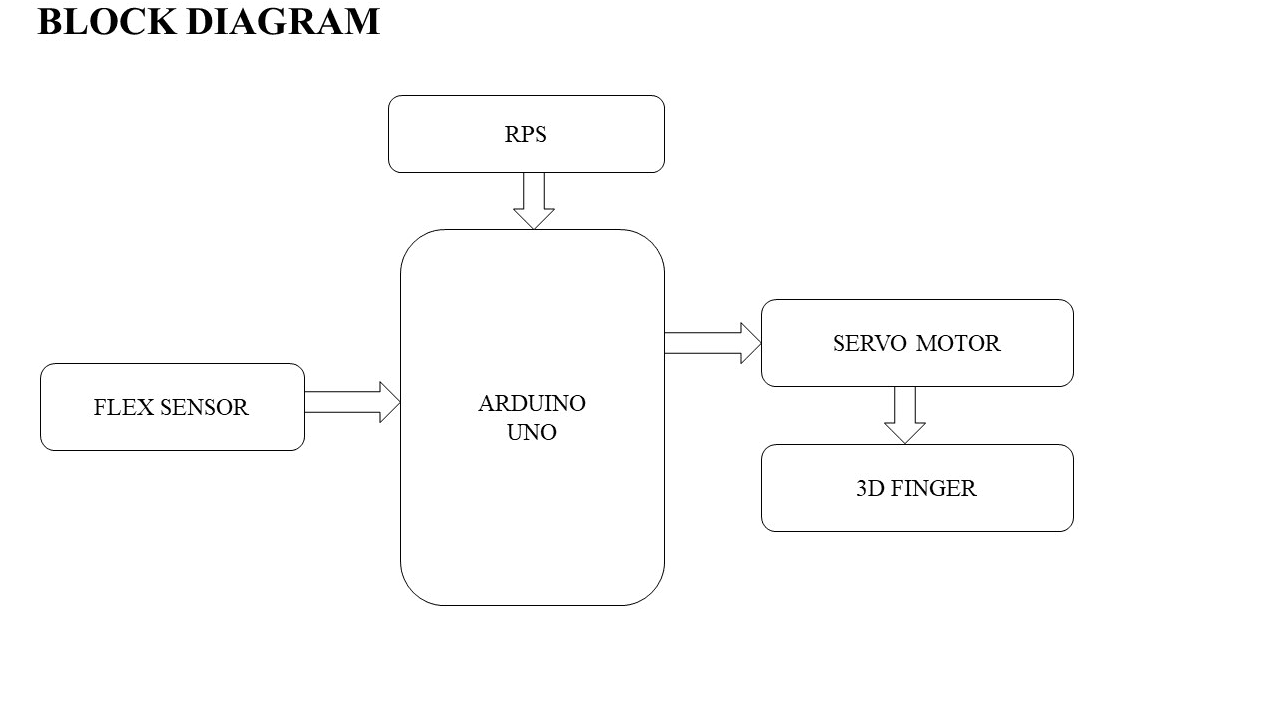
- Arduino UNO
- Flex sensor.
- Servo motor.
- 3D finger.
- Arduino UNO Microcontroller compiling and dumping code into Microcontroller.
- Express SCH for Circuit design.
 video: