HVS-4623. BMS with Machin Learning using Raspberry pi with Thingspeak and SOC , SOH Calculation
A battery management system (BMS) is proposed which is used for electronic vehicle that manages a rechargeable battery (cell or battery pack), such as by protecting the battery from operating outside its safe operating area, monitoring its state of charging using Machine Learning algorithm to improve the performance of the designed project.
The use of green energy is becoming increasingly more important in today’s world. Therefore, electric vehicles are currently the best choice for the environment in terms of public and personal transportation. Because of its high energy and current density, lithium-ion batteries are widely used in electric vehicles. Unfortunately, lithium-ion batteries can be dangerous if they are not operated within their Safety Operation Area (SOA). Therefore, a battery management system (BMS) must be used in every lithium-ion battery, especially for those used in electric vehicles.
A battery management system (BMS) is proposed which is used for electronic vehicle that manages a rechargeable battery (cell or battery pack), such as by protecting the battery from operating outside its safe operating area, monitoring its state of charging using Machine Learning algorithm to improve the performance of the designed project. Machine learning and IOT; real-time data from multiple sensors can be analyzed simultaneously, providing a comprehensive view of vehicle health and performance. Machine learning (ML) is the study of algorithms and mathematical models that computer systems use to progressively improve their performance on a specific task. Machine learning algorithms build a mathematical model of sample data, known as "training data", in order to make predictions or decisions without being explicitly programmed to perform the task.
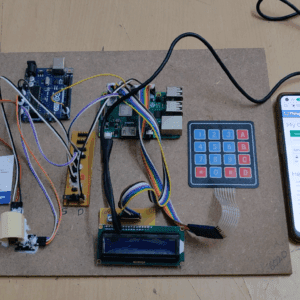
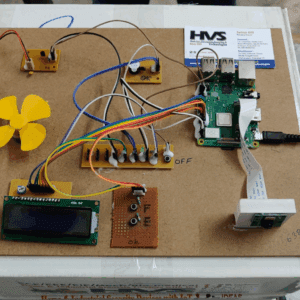
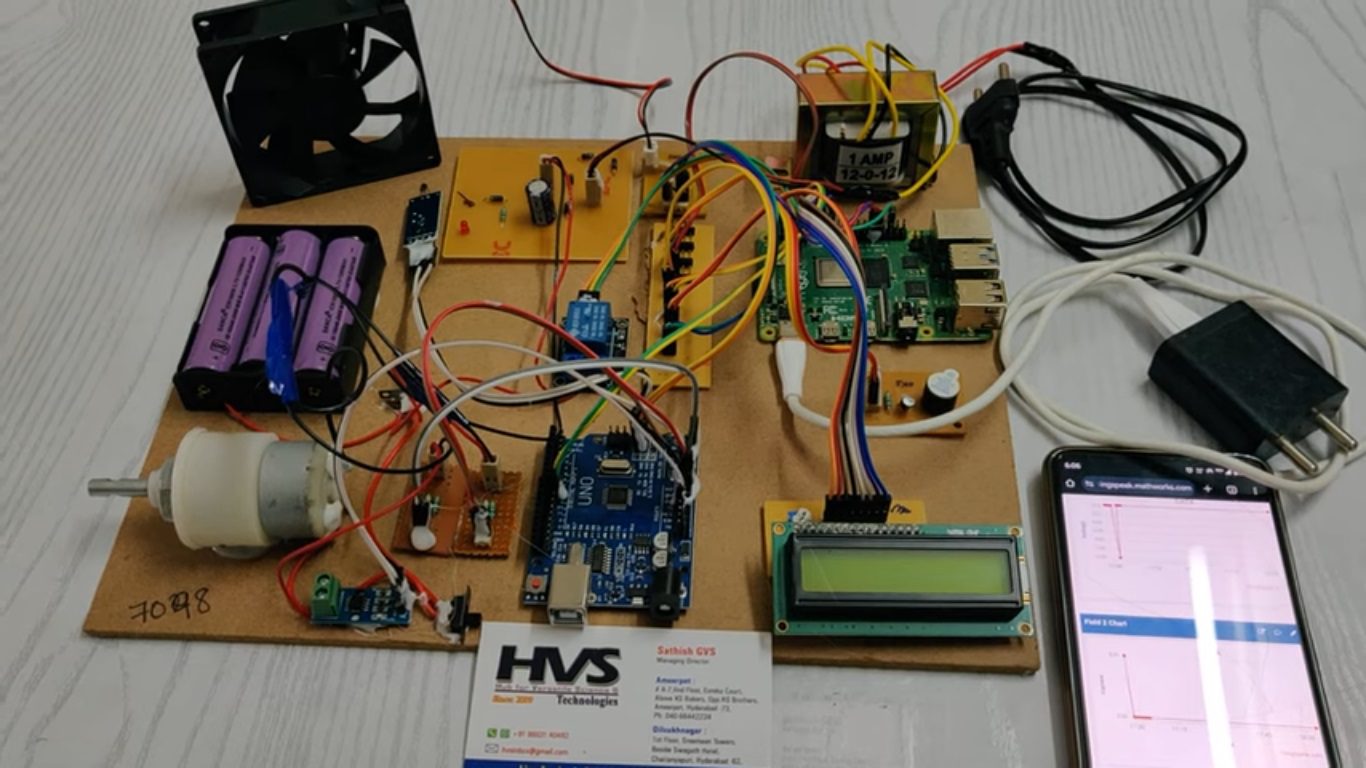
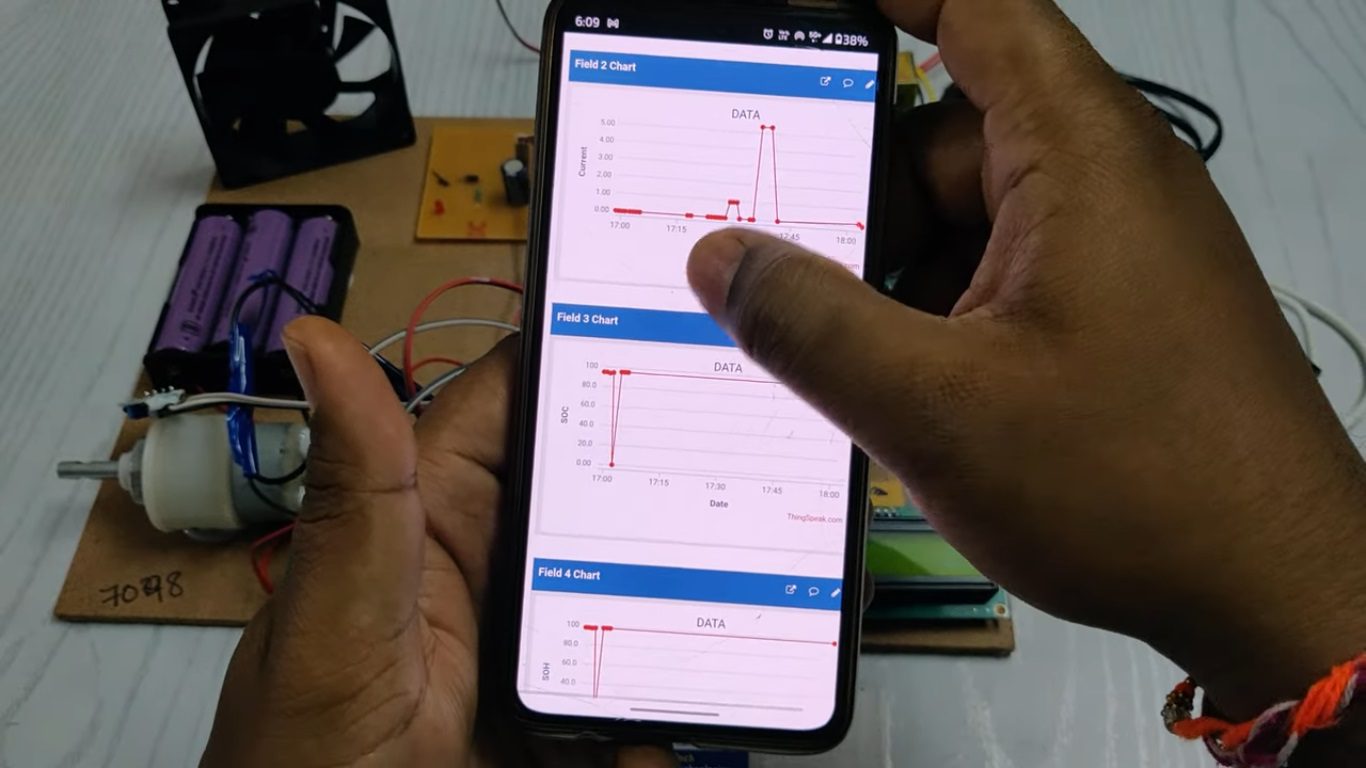
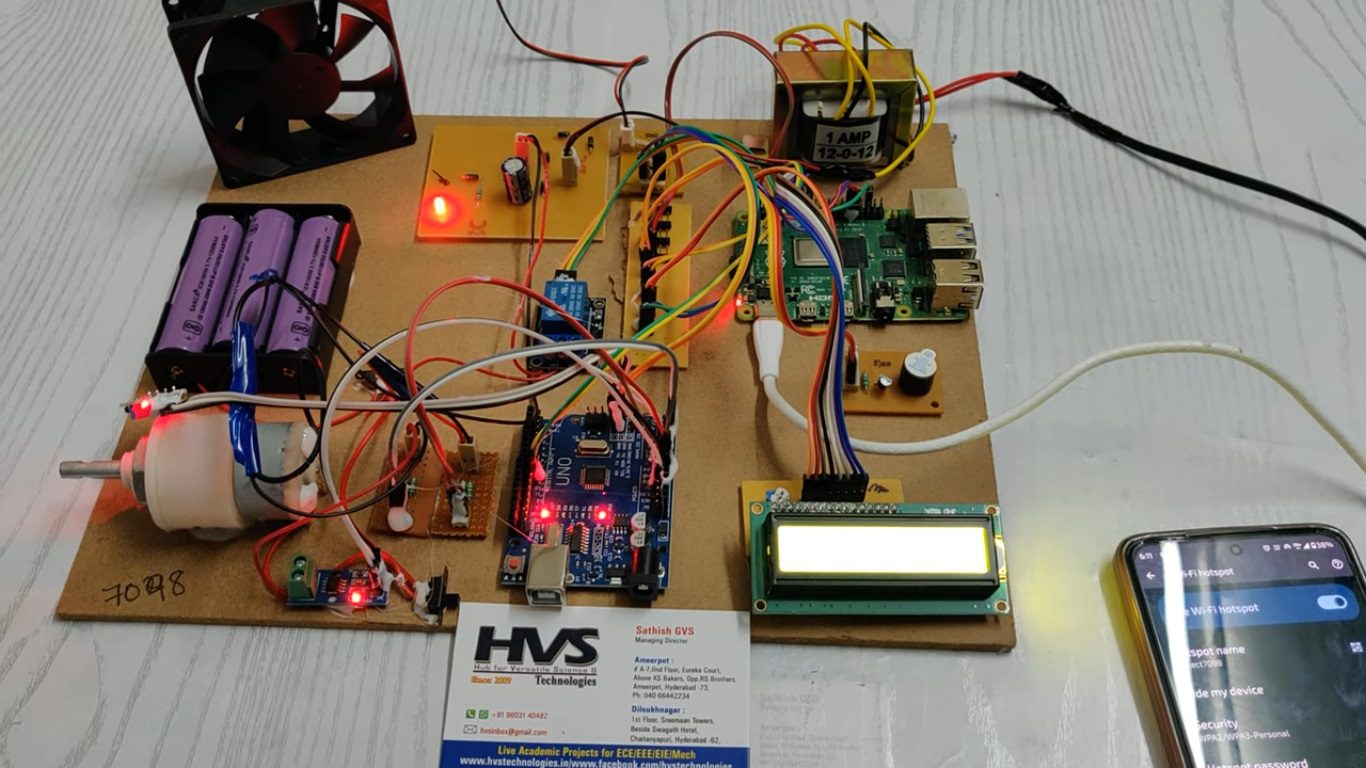
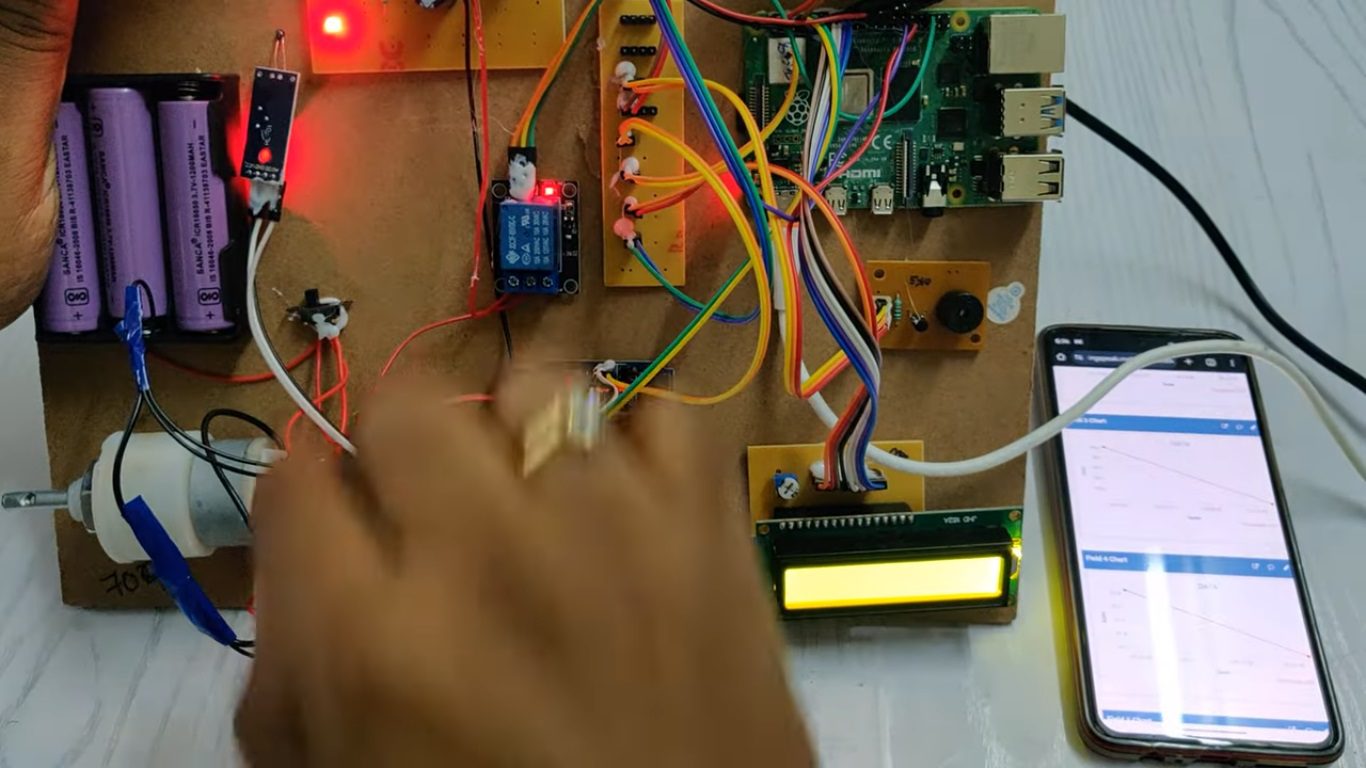
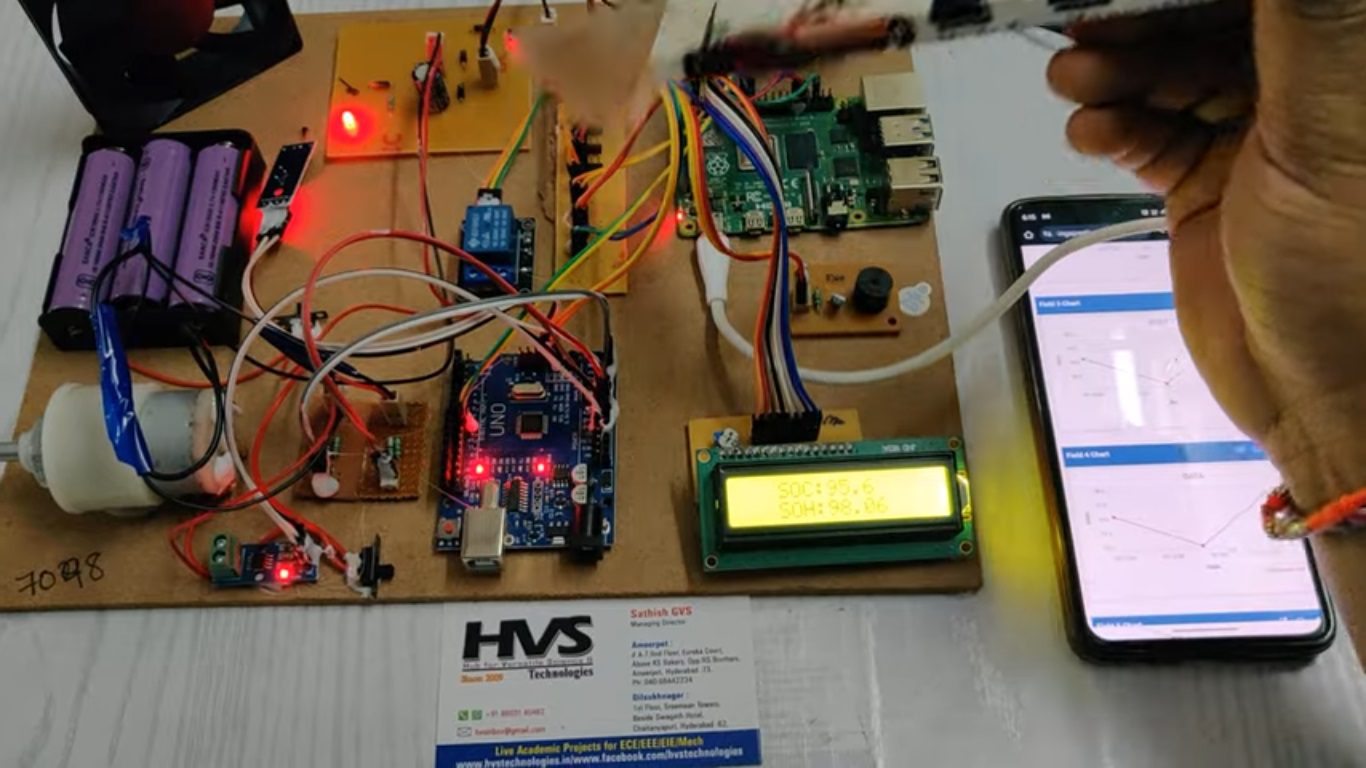
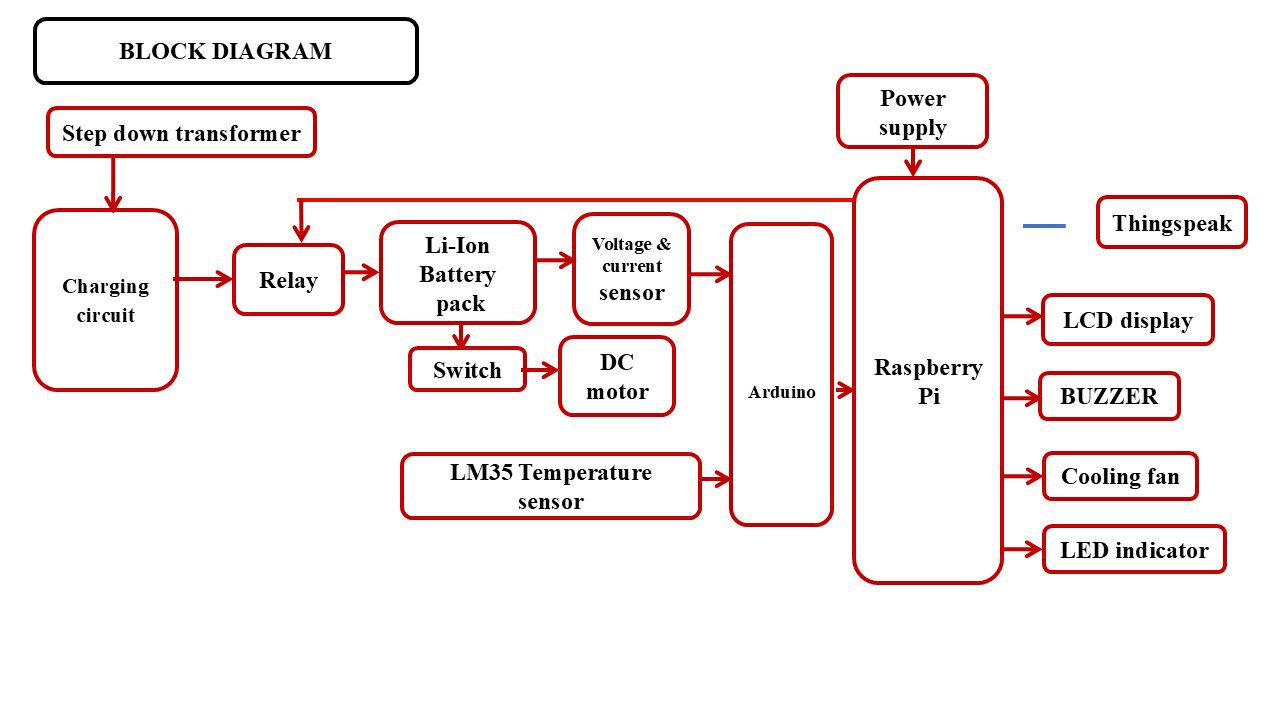
The Raspberry Pi measure the SOC (State-of-Charge) from voltage and current sensors and based on that it will switch ON/OFF the relays for Battery charging. Here relay works as a switch to ON/OFF the charging connection. And also, it will display the voltage, current, temperature, SOC values on LCD module. It will activate the Buzzer if the sensor data exceed threshold value. Raspberry pi has an inbuilt WI-FI, which is used to upload the Battery parameters such as voltage, current, temperature and SOC values into the Thingspeak cloud along with date and time.
The major building blocks of this project are:
 1 × ₹12,500.00
 video: