No products in the cart.


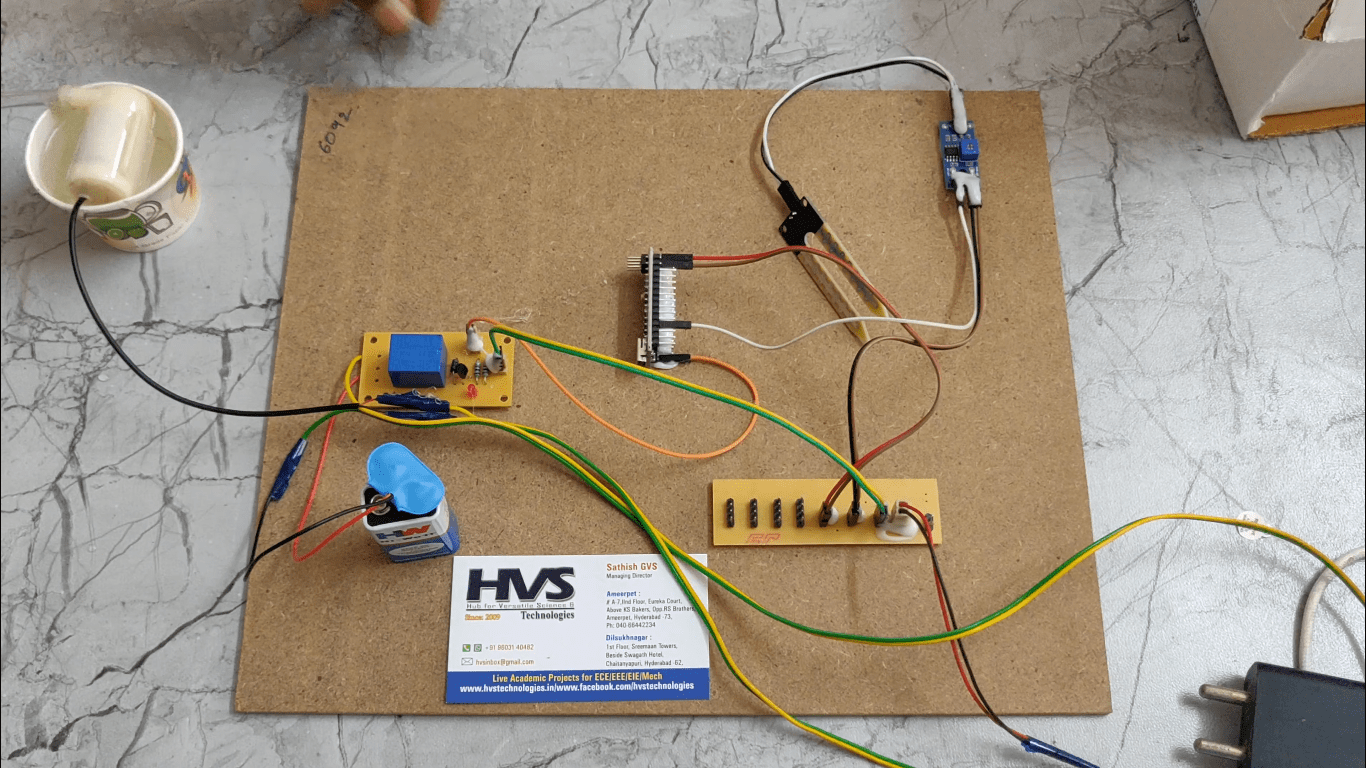
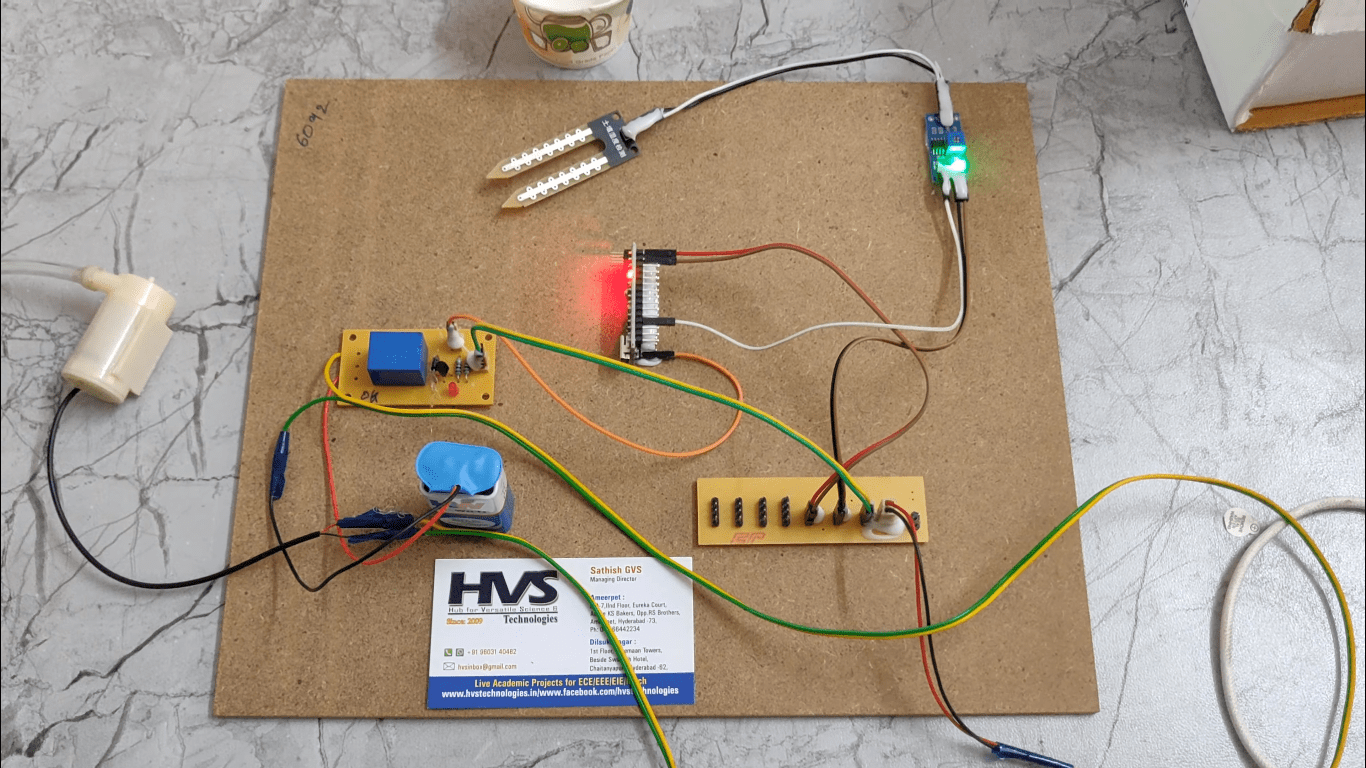
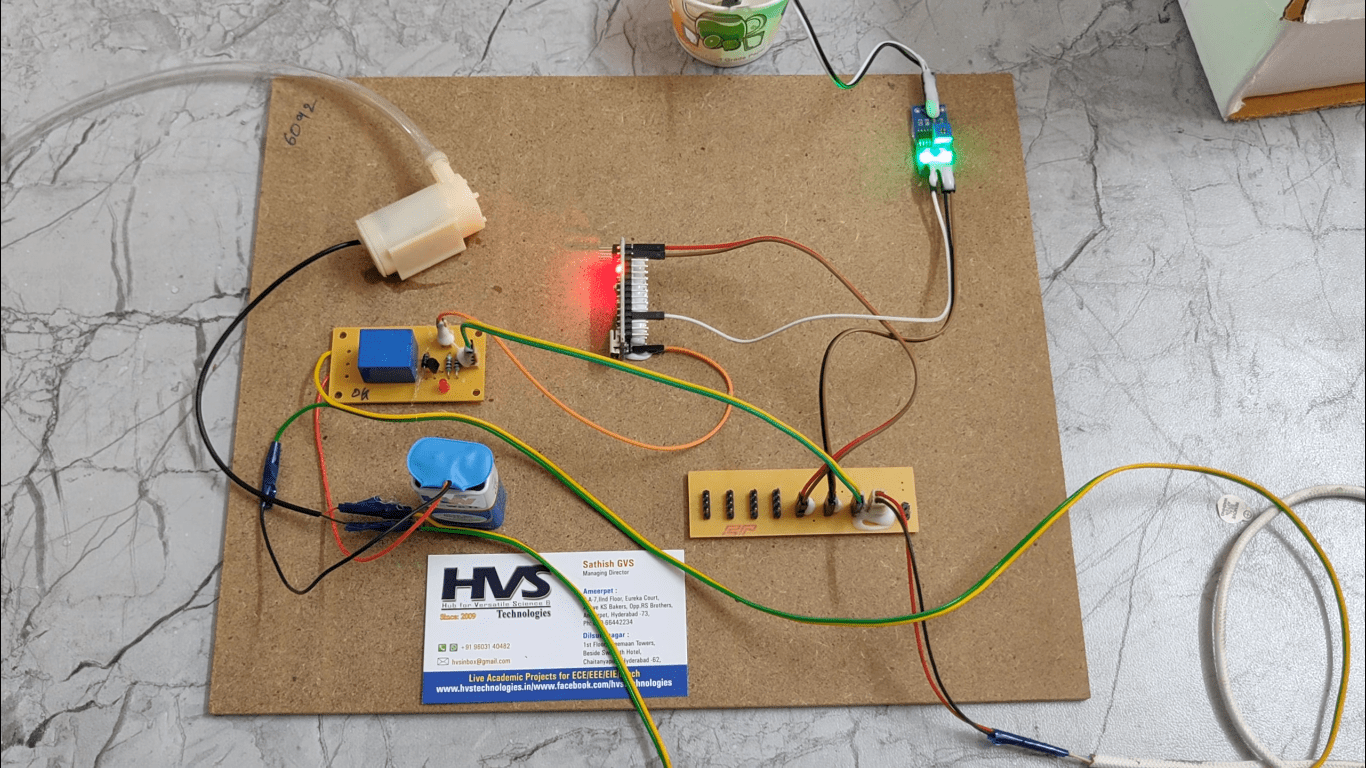
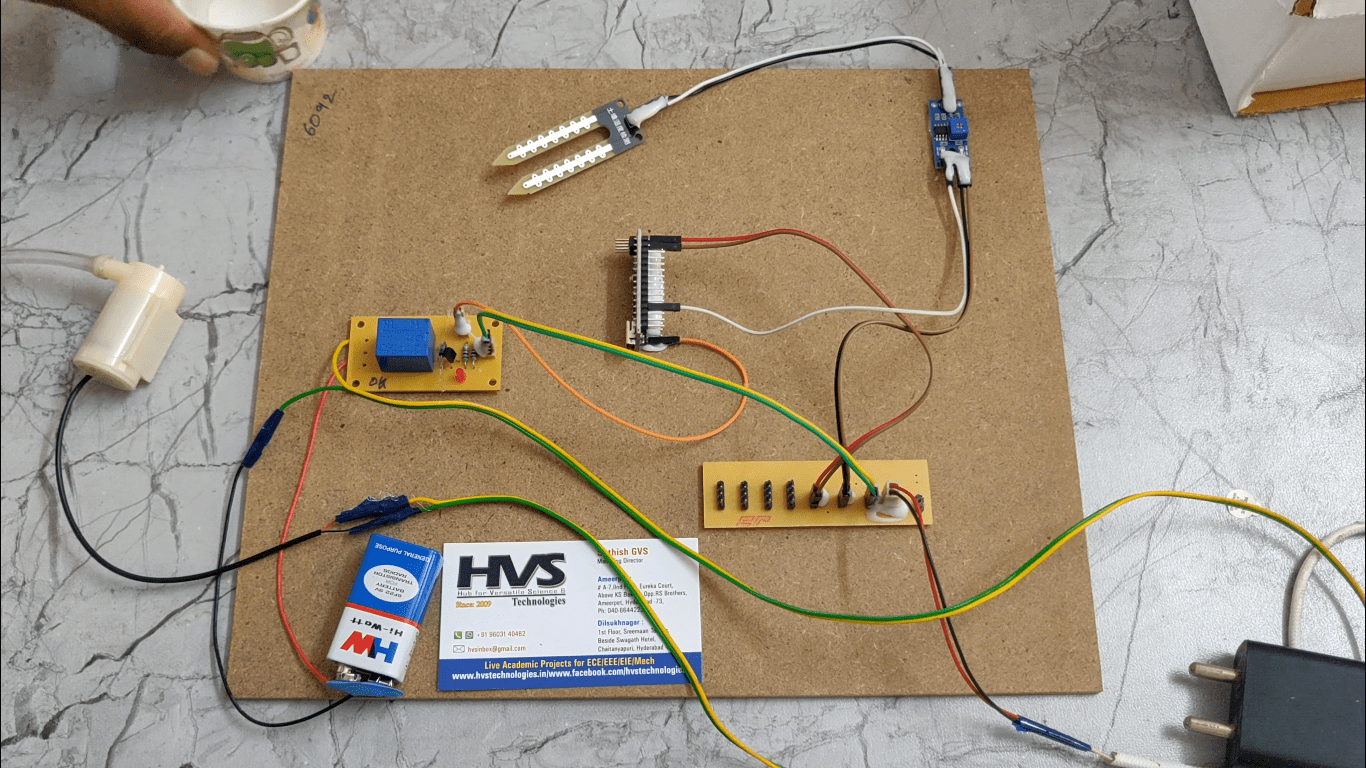
The project aims in designing an automatic irrigation system which is capable of detecting moisture level in the soil and capable of taking the decision of switching ON/ OFF water motor using Arduino.
The Arduino nano is a microcontroller board based on the ATmega328. It has 14 digital input/output pins (of which 6 can be used as PWM outputs), 6 analog inputs, a 16 MHz ceramic resonator, a USB connection, a power jack, an ICSP header, and a reset button. It contains everything needed to support the microcontroller; simply connect it to a computer with a USB cable or power it with an AC-to-DC adapter or battery to get started.
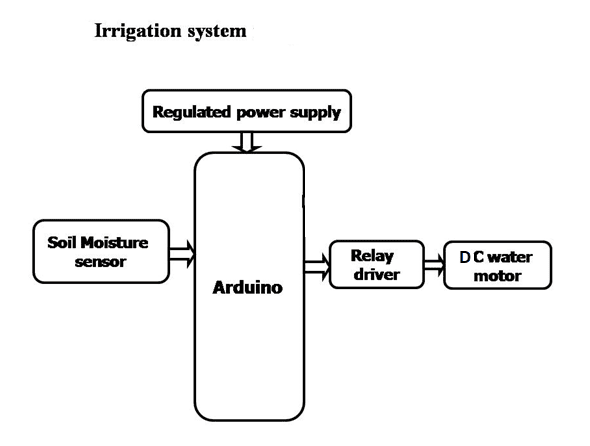
The system makes use of an Arduino microcontroller. Soil moisture sensor, water motor along with relay driver are interfaced to the Arduino. The microcontroller will continuously compare output from soil moisture sensor. Based on the moisture levels microcontroller turn on/off the water motor through relay driver.Here relay works as switch to on and off the water motor. The Arduino is loaded with a program written in embedded ‘C’ language to perform the task.
The major features of this project are:
 video:
- Automatic irrigation using soil moisture sensor.
- Automatic motor control based on situation.
- Using Arduino to achieve this task.
- Adapter power supply.
- ARDUINO Microcontroller.
- Relay
- Water motor.
- Soil moisture sensor.
- Arduino IDE studio compiler.
- Express SCH for Circuit Design.
- Embedded C language.
 video: