No products in the cart.


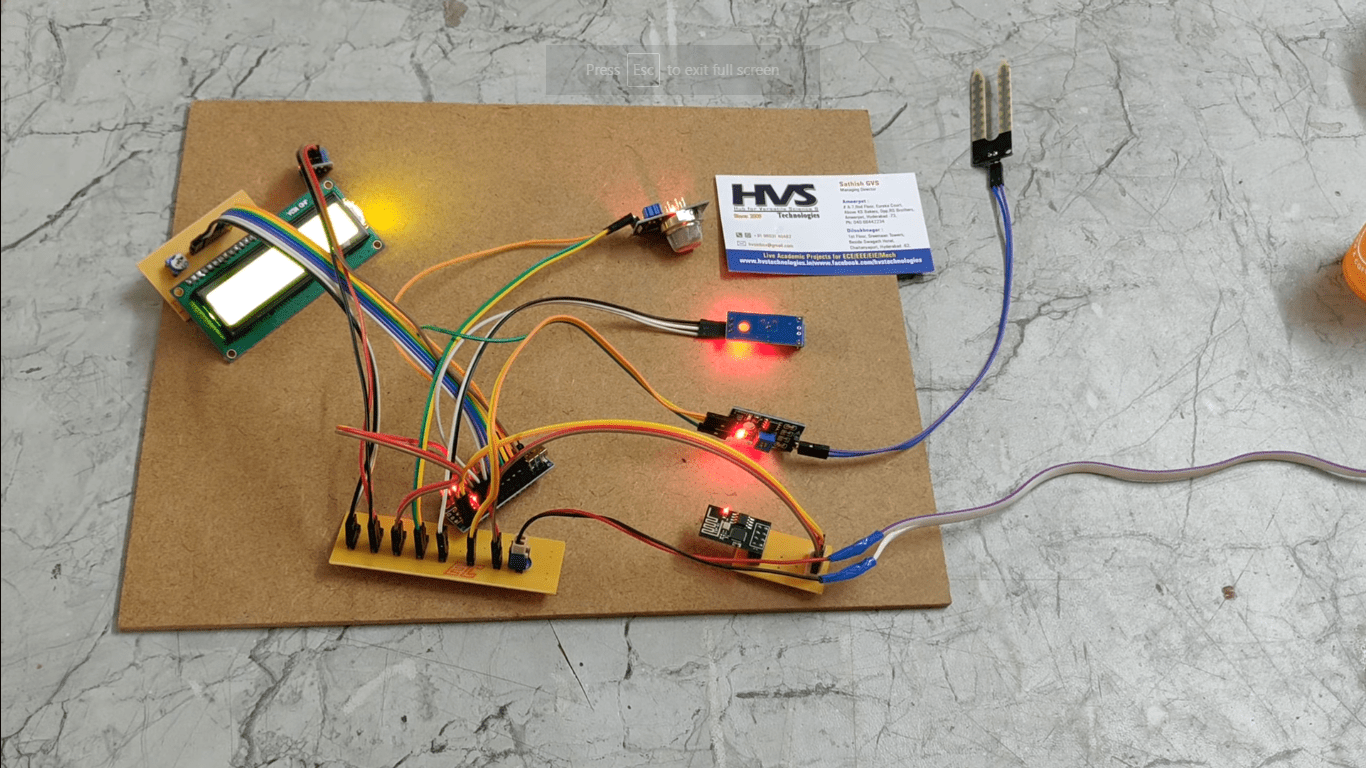
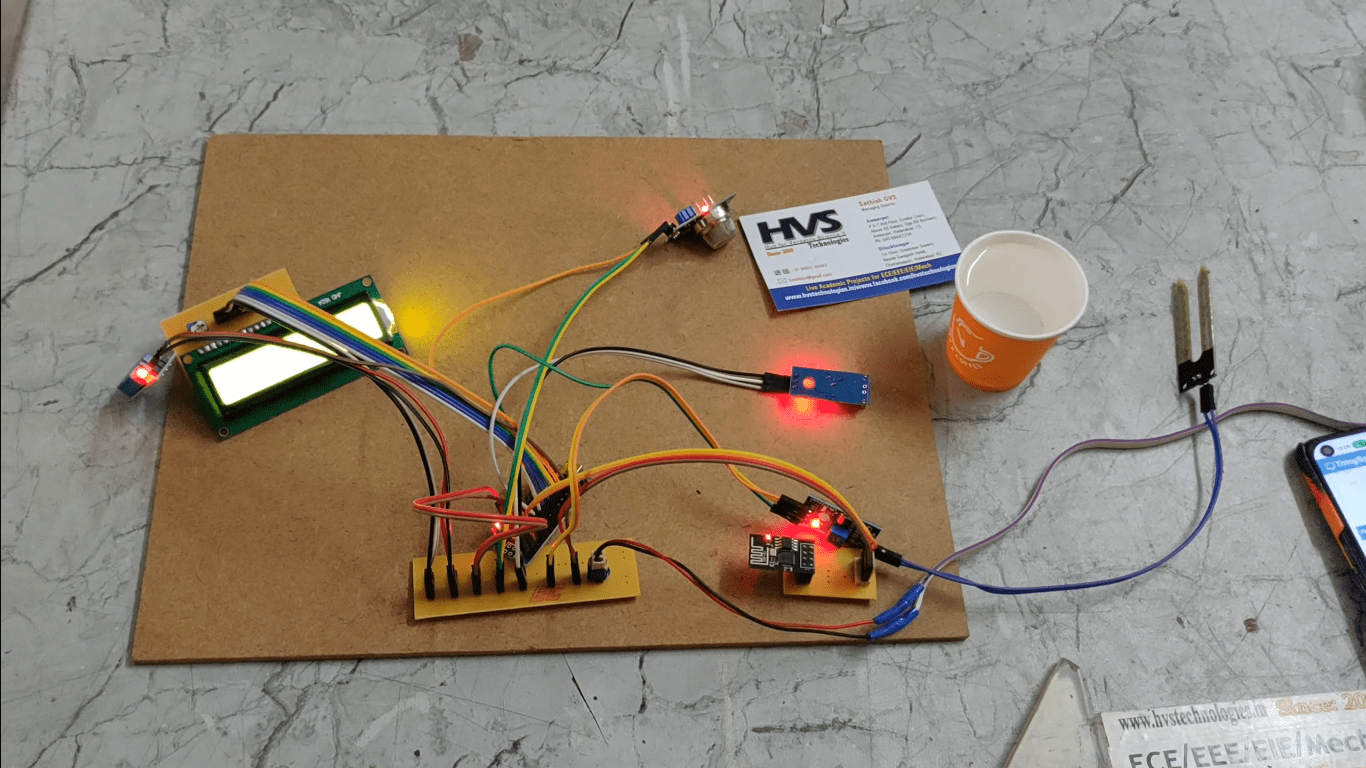
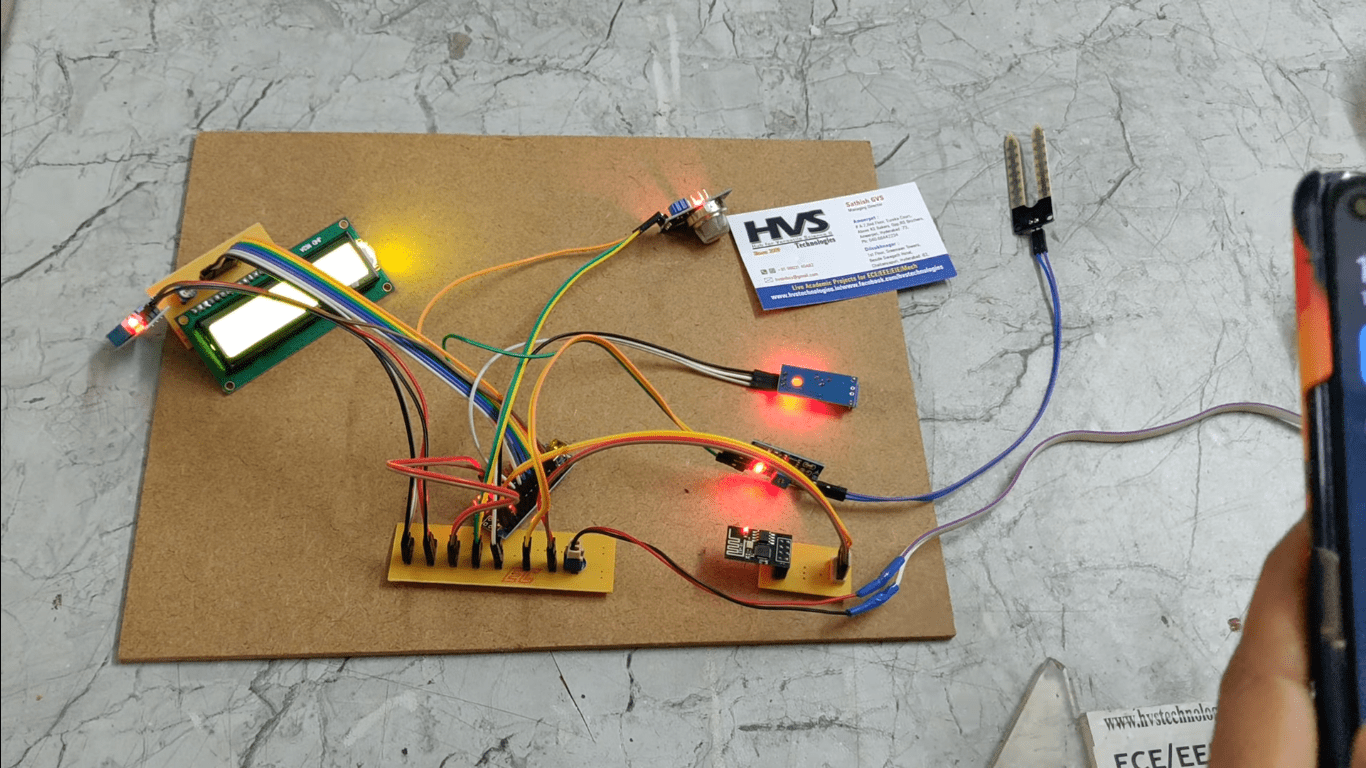
This Project presents an IoT-based Disaster Monitoring System aimed at detecting and monitoring potential disaster events in real-time, using a combination of various sensors and an Arduino Nano. The system integrates a DHT-11 temperature and humidity sensor, an MQ135 gas sensor, a vibration sensor, a water level sensor, and an ESP8266 Wi-Fi module to enable wireless communication for remote monitoring.
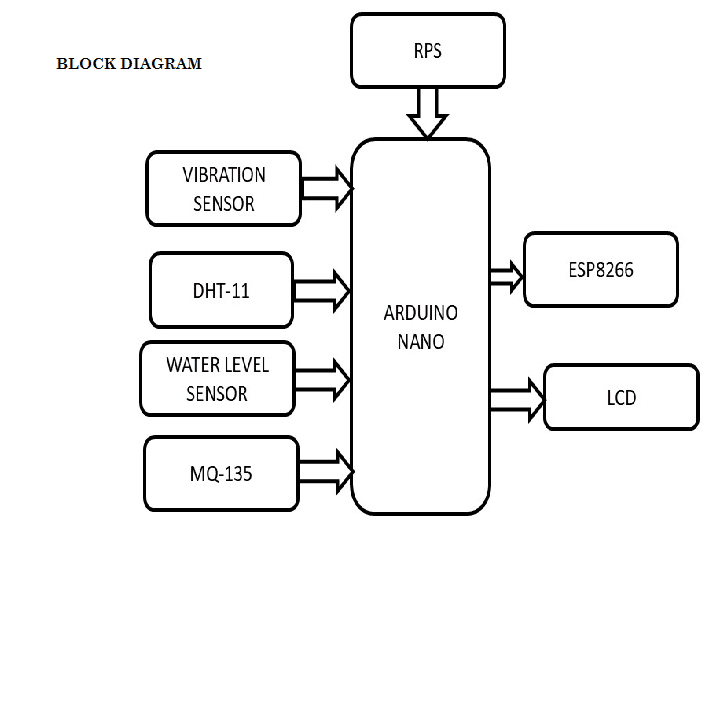
The DHT-11 sensor is used to measure temperature and humidity levels, which can help in detecting fire or flooding risks. The MQ135 sensor detects harmful gases, such as carbon monoxide and ammonia, which can be indicators of chemical leaks or environmental hazards. The vibration sensor helps in detecting seismic activity or tremors, which are critical in earthquake monitoring. The water level sensor detects changes in water levels, which is useful in flood-prone areas.
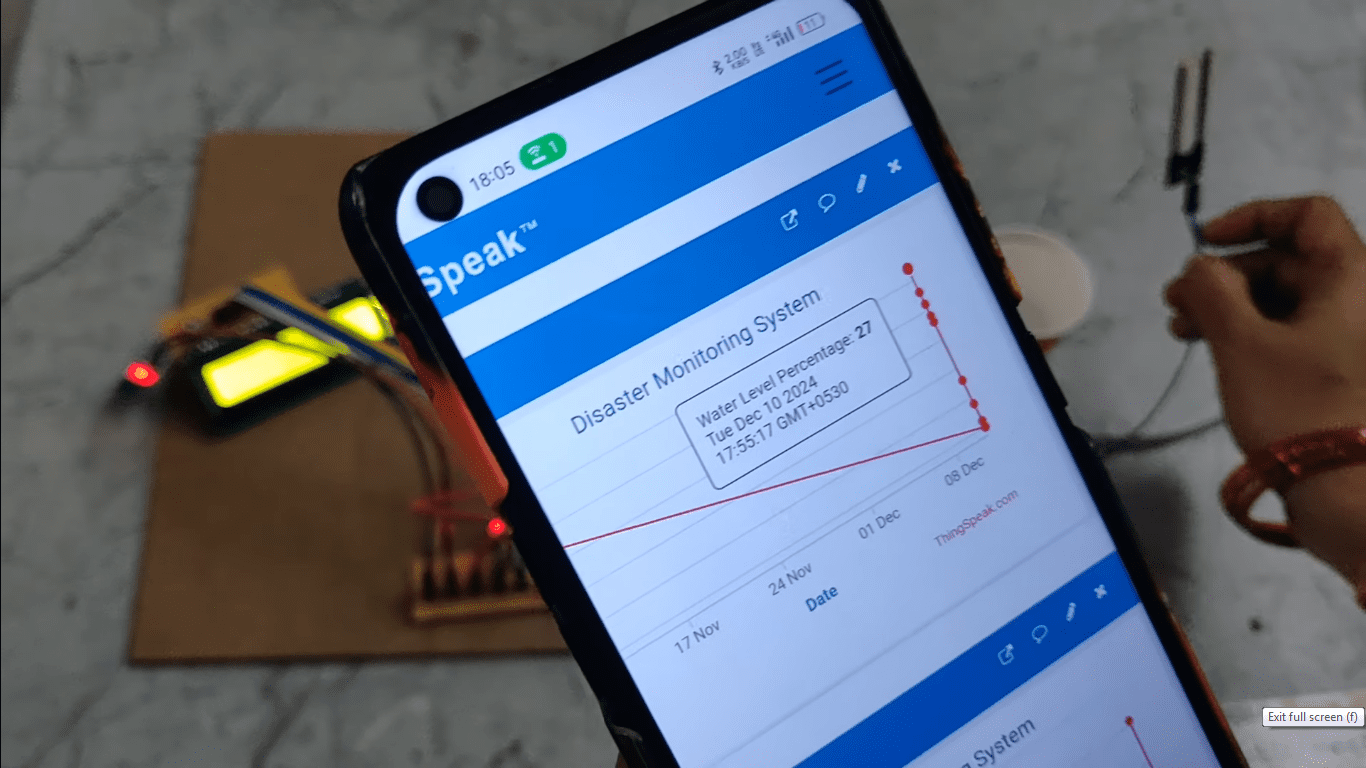
All sensor data is collected and processed by the Arduino Nano, which transmits the data to a cloud platform through the ESP8266 Wi-Fi module. The real-time data is displayed on an LCD screen for immediate monitoring. This disaster monitoring system provides early warnings for various types of disasters, enabling quicker responses to mitigate damage. The use of IoT ensures that data can be accessed remotely, allowing for continuous surveillance and prompt disaster management.
This system aims to improve disaster preparedness by providing accurate, real-time information that can aid in timely decision-making, contributing to enhanced safety and risk management in disaster-prone areas.
The major building blocks of this project are:
 video:
- Regulated power supply
- ARDUINO nano Microcontroller.
- DHT-11
- MQ135
- ESP8266
- VIBRATION SENSOR
- WATER LEVEL SENSOR
- LCD display.
- LED Indicators.
- Reset button.
- Embedded C programming.
- Arduino nano for dumping code into Micro controller.
- Express SCH for Circuit design.
 video: