HVS-2766. Design and implementation of MPPT for hybrid Solar - Wind Energy system with IoT thingspeak
₹9,500.00
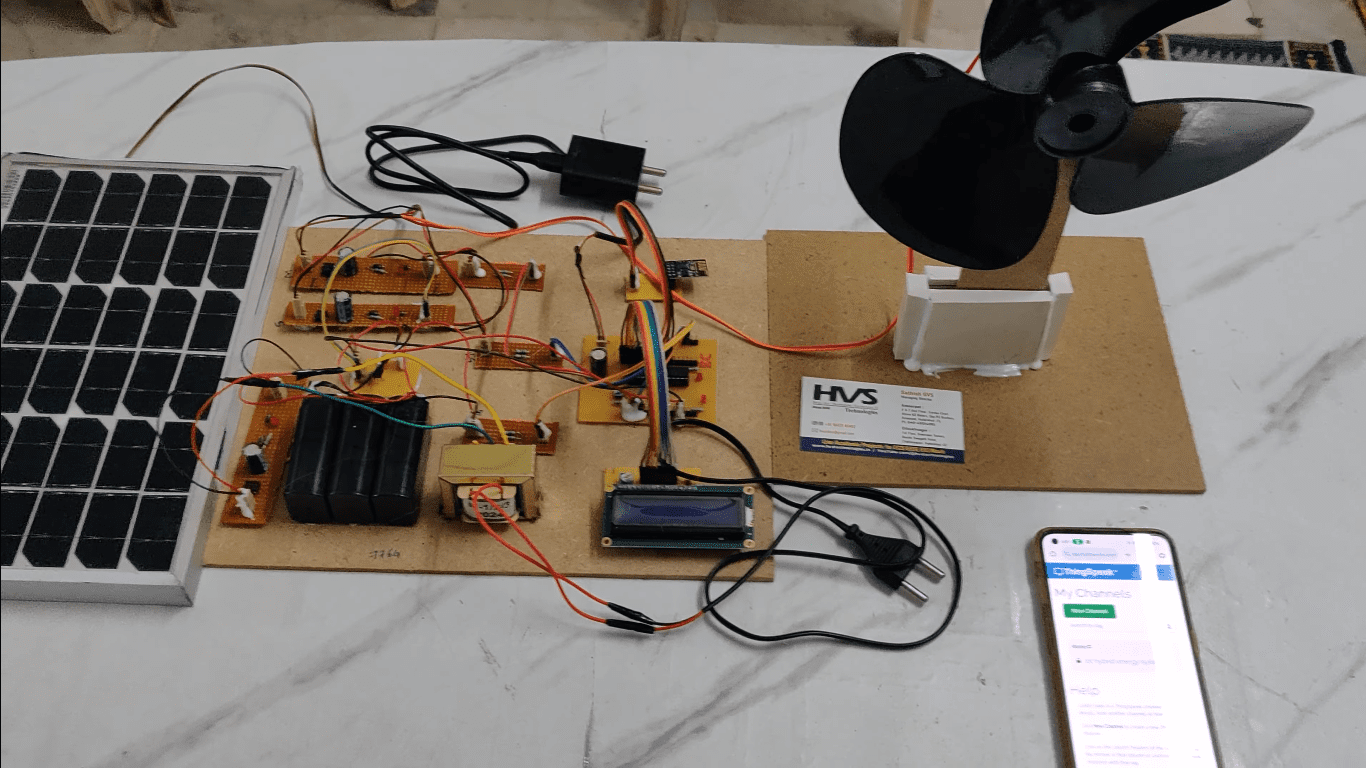
The increasing demand for clean and sustainable energy has led to the integration of multiple renewable energy sources to improve reliability and efficiency. This project presents the IoT-based design and implementation of a Maximum Power Point Tracking (MPPT) system for a hybrid solar–wind energy system, aimed primarily at rural electrification applications. The proposed system efficiently extracts maximum available power from both solar panels and wind turbines under varying environmental conditions.
The increasing demand for clean and sustainable energy has led to the integration of multiple renewable energy sources to improve reliability and efficiency. This project presents the IoT-based design and implementation of a Maximum Power Point Tracking (MPPT) system for a hybrid solar–wind energy system, aimed primarily at rural electrification applications. The proposed system efficiently extracts maximum available power from both solar panels and wind turbines under varying environmental conditions.
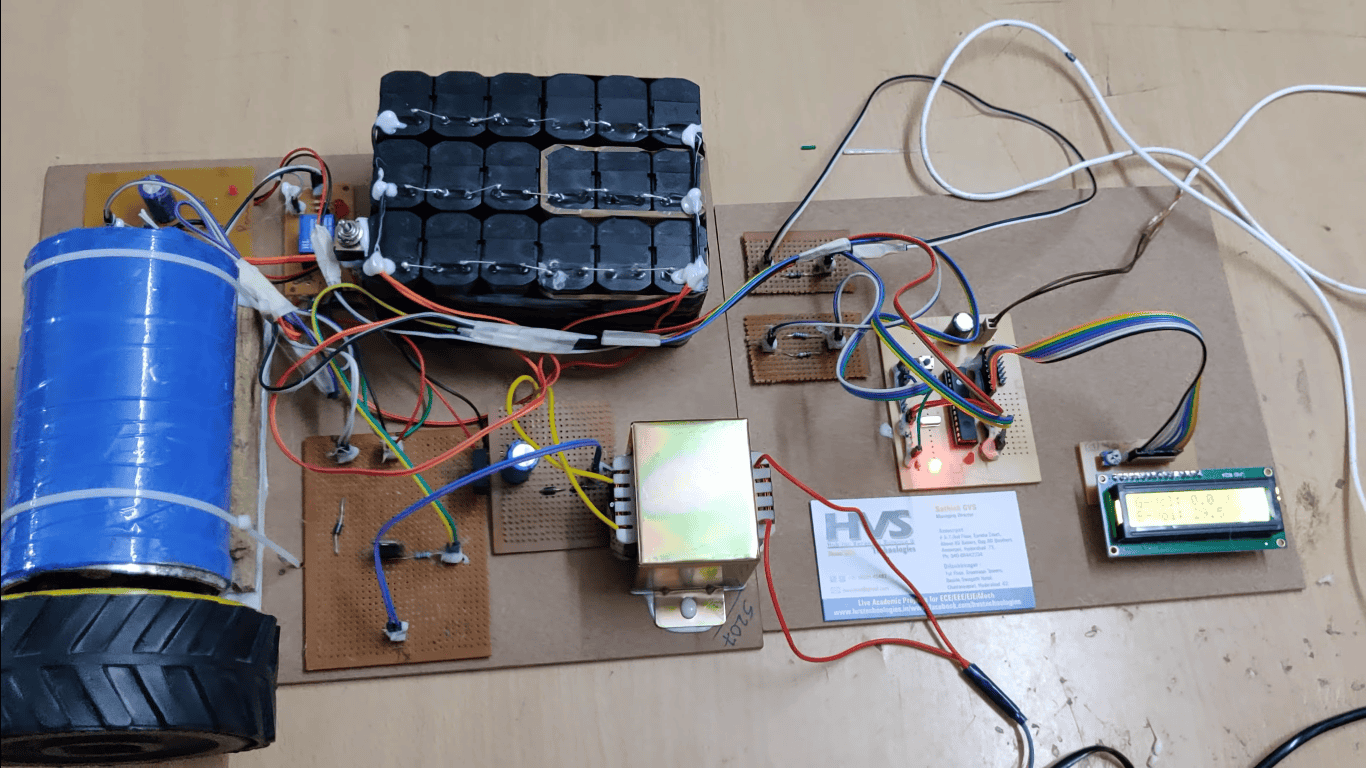
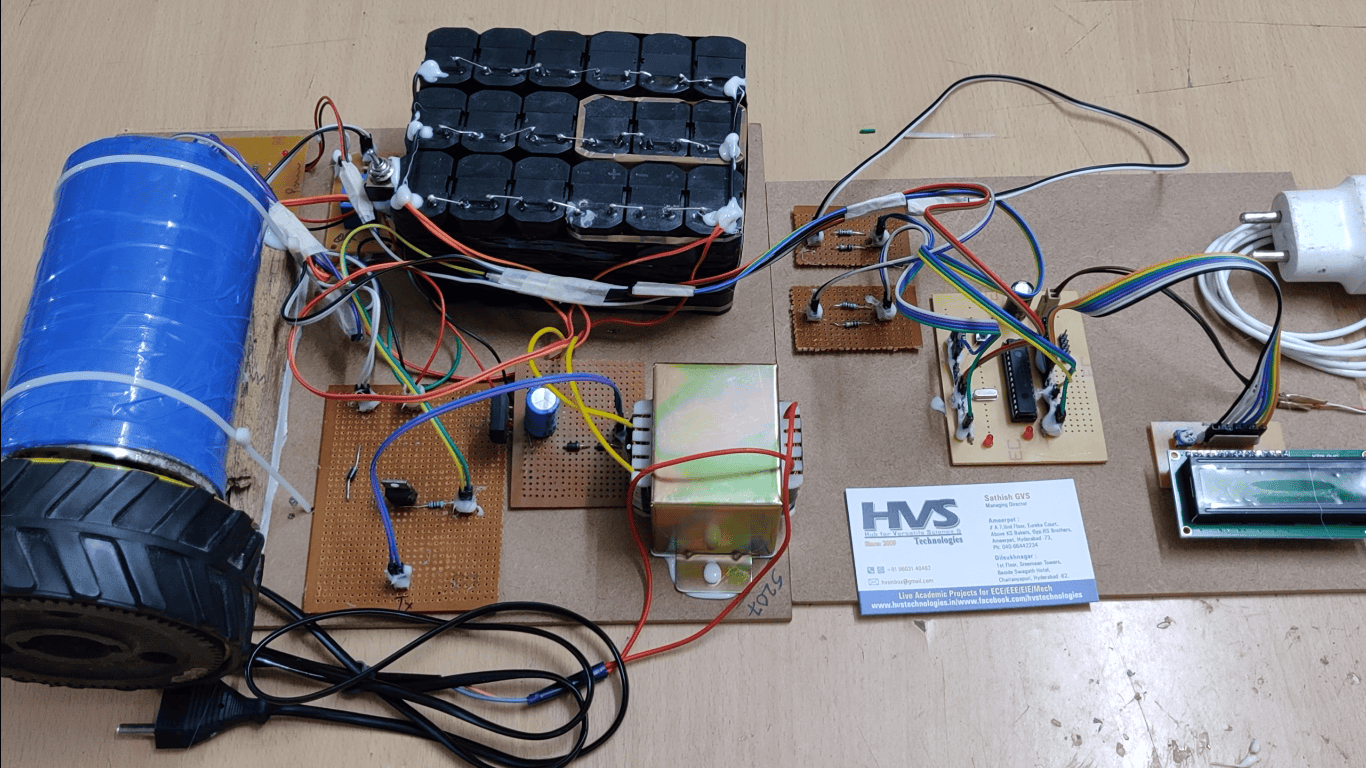
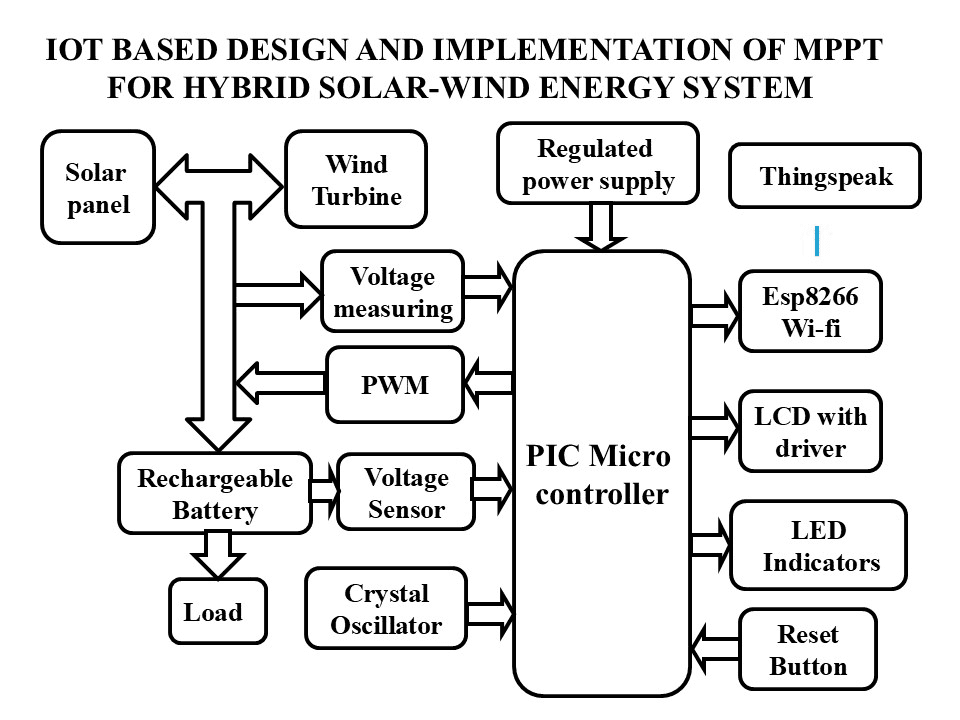
Maximum Power Point Tracking (MPPT) is an electronic control technique used to optimize the operating point of renewable energy sources so that they deliver maximum possible power. Unlike mechanical tracking systems, MPPT dynamically adjusts the electrical parameters of the system to achieve optimal power transfer. In this project, a PIC microcontroller serves as the main control unit, continuously monitoring voltage levels from the solar panel, wind turbine, and rechargeable battery using voltage sensors.
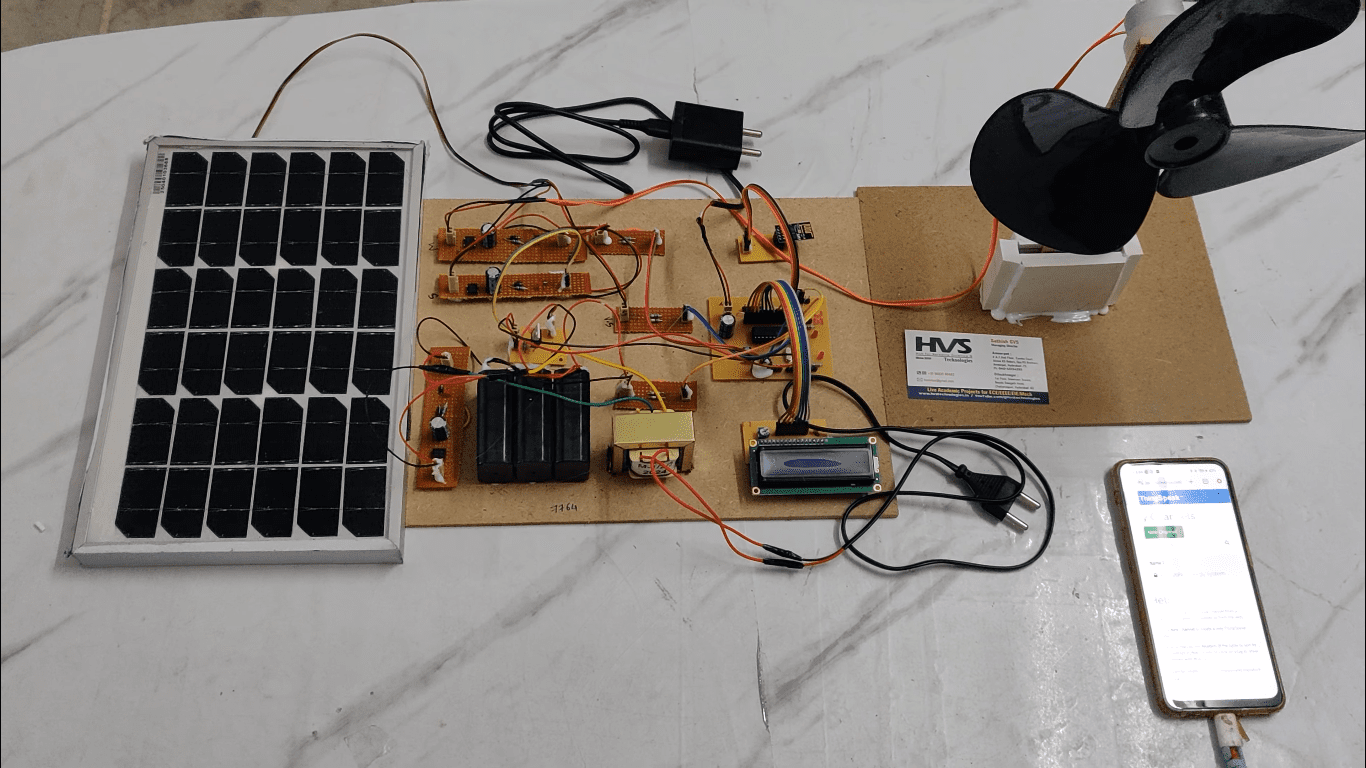
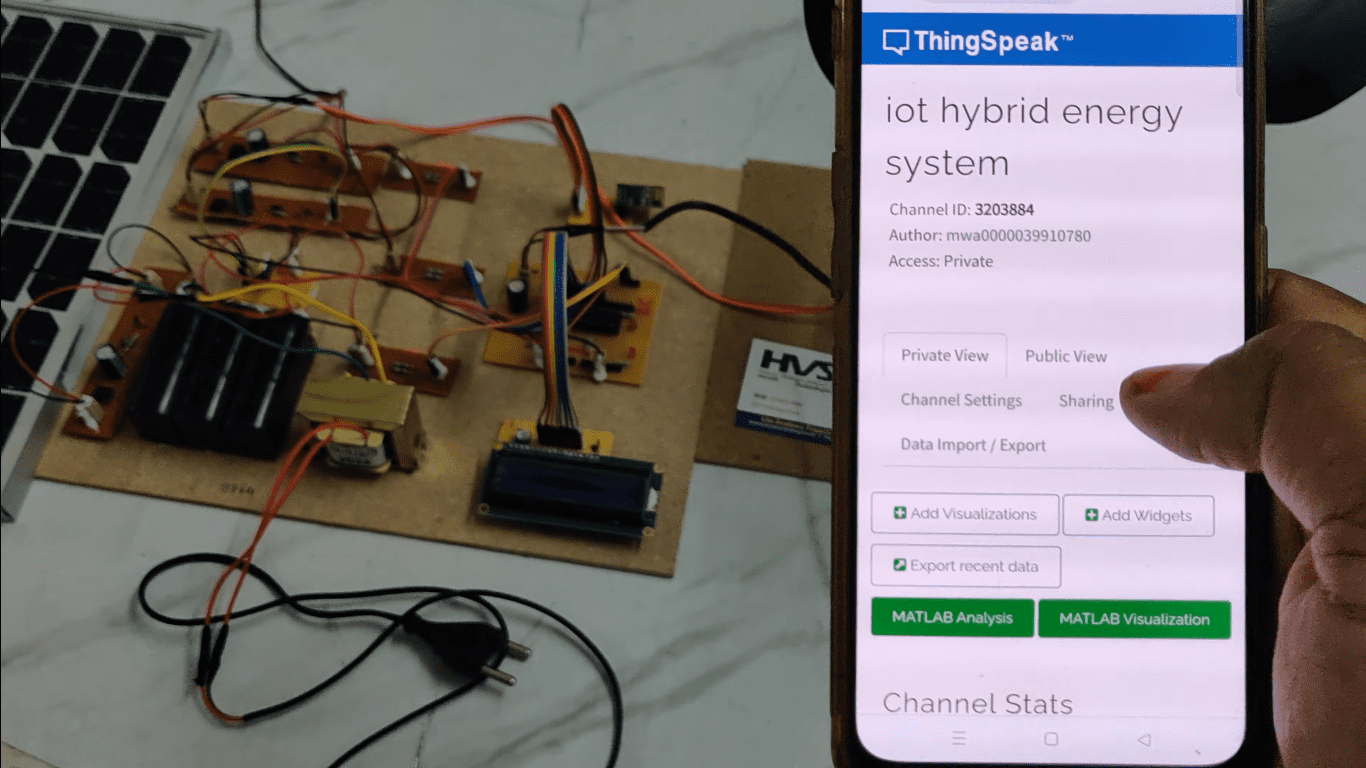
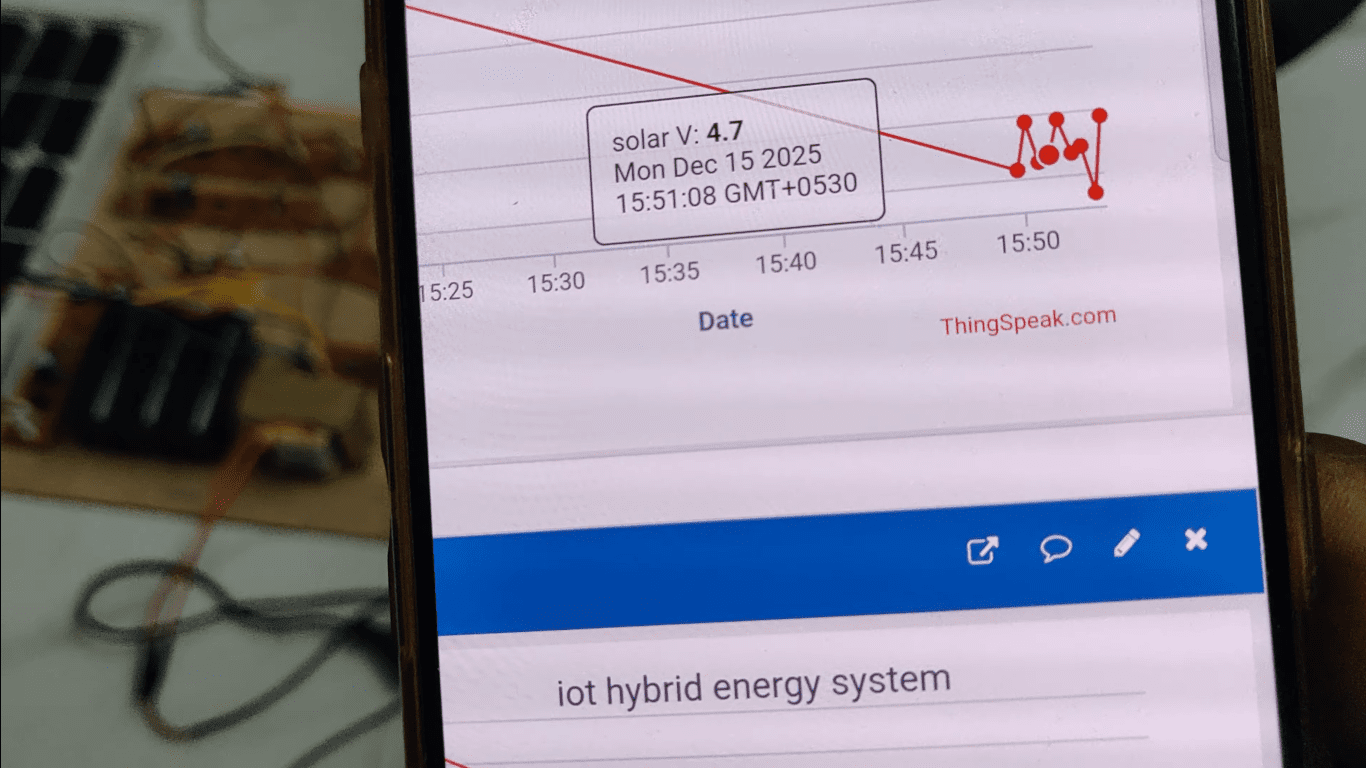
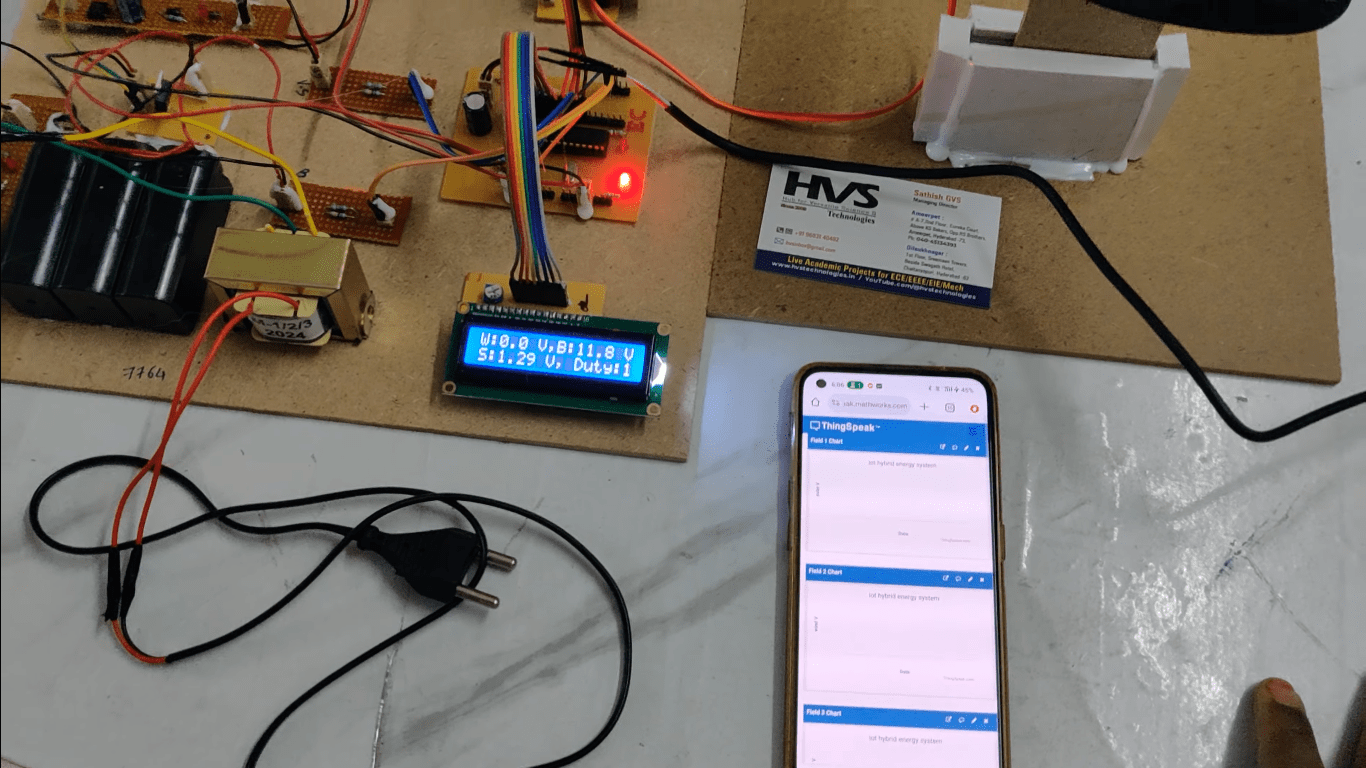
Based on the measured parameters, the microcontroller intelligently controls the power flow to the load using Pulse Width Modulation (PWM) by using MOSFET, ensuring maximum energy extraction without compromising load performance. The system operates both under no-load and load conditions, and real-time voltage data is displayed locally on an LCD. Additionally, system parameters are uploaded to the ThingSpeak cloud platform through an ESP8266 Wi-Fi module, enabling remote monitoring and data analysis.
The hybrid solar–wind configuration improves energy availability, reduces dependence on conventional power sources, and ensures continuous power supply in regions with limited grid infrastructure. The proposed system is cost-effective, environmentally friendly, scalable, and suitable for standalone renewable energy applications. The embedded control logic is developed using Embedded C programming, making the system reliable and efficient for real-time operation.
The main objectives of the project are:
To generate electricity using a hybrid solar and wind energy system.
To achieve maximum power extraction using MPPT technique.
To monitor solar, wind, and battery voltage using sensors.
To control and supply power to the load efficiently using PWM.
To enable real-time monitoring through LCD and IoT (ThingSpeak).
The major building blocks of this project are:
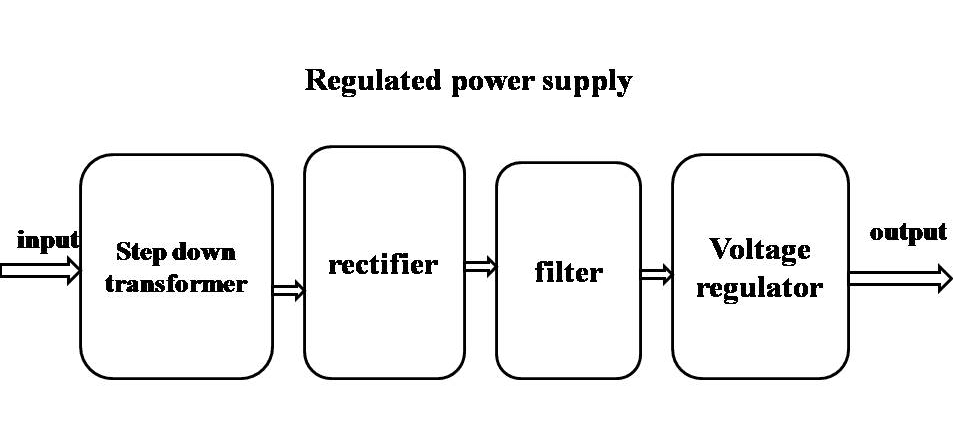
Regulated power supply.
PIC Microcontroller.
Solar panel.
Wind turbine blades
DC motor as generator
Voltage sensors.
Rechargeable Battery.
Crystal oscillator.
Reset button.
LED Indicators.
LCD display with driver.
ESP8266 WI-FI.
Mosfet
Software’s used:
PIC-C compiler for Embedded C programming.
PIC kit 2 programmer for dumping code into Micro controller.
 2 × ₹12,500.00
 Block diagram:
 video: